As the chill of winter fades and the first blossoms signal a new season, spring planting brings both excitement and possibility, whether you’re a first-time gardener or simply looking to refresh your outdoor space. Understanding the what, where, when, and why of planting makes all the difference between a thriving garden and one that struggles to grow.
What to Plant This Spring
Spring is nature’s reset button, making it the perfect time to grow a variety of vegetables, herbs, and flowers. Your first step is deciding what you want out of your garden — food, beauty, or both.
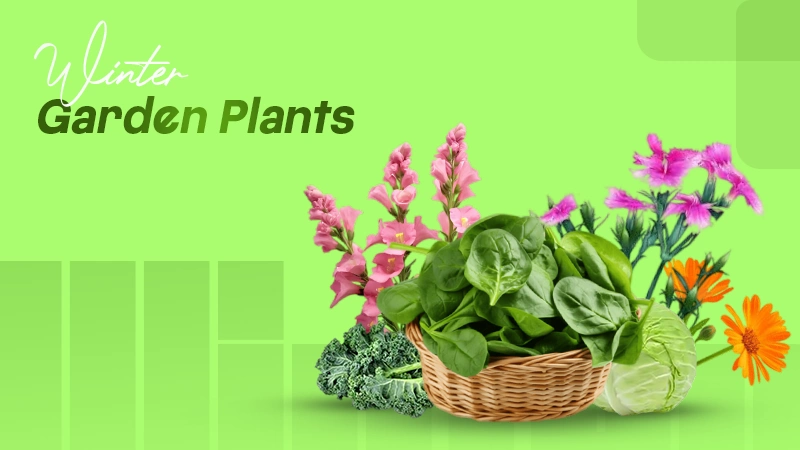
- Cool-season vegetables: Crops like lettuce, spinach, carrots, peas, and radishes thrive in mild spring temperatures. They grow quickly and can often be harvested before summer heat sets in.
- Warm-season vegetables: Once the last frost passes, it’s time for tomatoes, peppers, cucumbers, and squash. These plants love the warmth but need plenty of sunlight and watering.
- Herbs: Basil, cilantro, oregano, and mint add fragrance and convenience to your kitchen. Many herbs also attract pollinators, supporting the whole garden ecosystem.
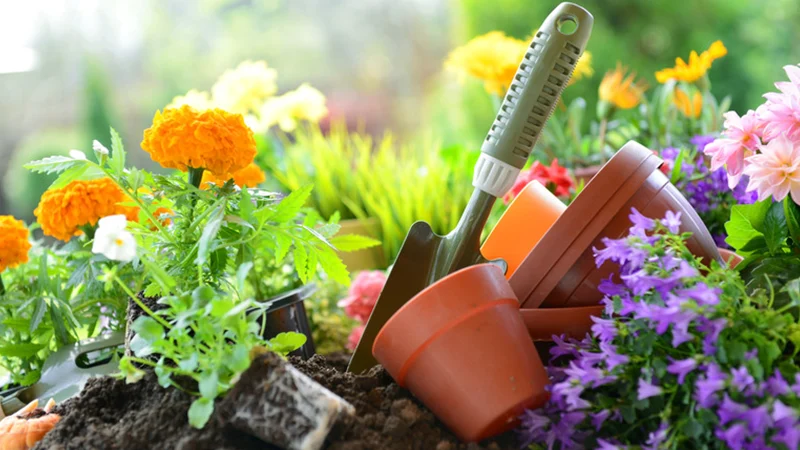
- Flowers: Marigolds, pansies, petunias, and zinnias add bright pops of color and can deter unwanted pests naturally.
An easy way to start is with seedlings rather than seeds. Local nurseries often stock young plants suited to your area’s growing conditions, saving you time and boosting your success rate.
Where to Plant for the Best Results
Location decides how well your plants grow. Sun exposure, soil quality, and accessibility all play important roles. Most vegetables and flowers need at least six hours of sunlight daily, so choose an area free from heavy shade from trees or fences.
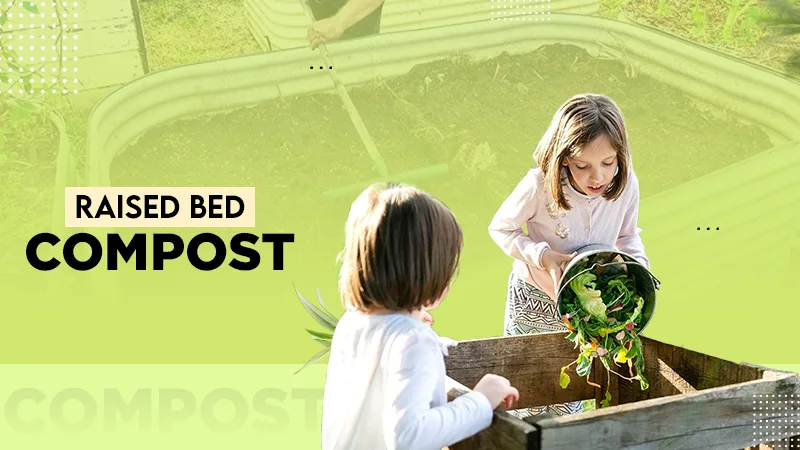
If your yard has poor soil or you’re working with a patio or raised garden, raised gardens are a game-changer. They improve drainage, warm faster in early spring, and make gardening easier on your back. Ready-made elevated garden bed kits are popular because they simplify setup and allow you to control soil composition — ideal for beginners who want a clean, contained look.
Good soil health is another crucial factor. Mix organic compost or aged manure into garden beds before planting to add nutrients and improve texture. If you notice pooling water after rain, consider mounding the soil slightly or adding sand to improve drainage.
When to Start Planting
Timing can make or break your garden. One of the most common mistakes new gardeners make is planting too early or too late. The key is knowing your planting zone. These zones, established by the USDA, help determine average frost dates for your region.
In most parts of the U.S., spring planting begins in March or April. Start by sowing cool-season crops about 2–4 weeks before your area’s last frost date. Warm-season vegetables and flowers should wait until the danger of frost has fully passed.
If you’re unsure, your local cooperative extension or garden center can provide customized advice for your region. For those who want an early start, seed trays and indoor grow lights let you begin seedlings inside, so they’re ready to transplant outdoors when temperatures rise.
Why Spring Planting Matters
Spring planting isn’t just about aesthetics or homemade produce — it’s about connecting with nature, boosting well-being, and giving back to the environment. Working the soil and nurturing growth can reduce stress and promote mindfulness. Families can also make gardening a shared experience, teaching kids patience, responsibility, and the joy of watching something flourish through their care.
There’s also a practical side: planting in spring ensures healthy root development before summer heat arrives. Plants established early have better resilience, produce higher yields, and require less water over time. Additionally, growing your own food reduces grocery costs, minimizes pesticide exposure, and supports sustainable living.
Tips for a Successful Start
To make the most of your spring planting season, keep these beginner-friendly tips in mind:
- Start small. Focus on a few crops or flowers you genuinely enjoy. Overcrowding leads to increased maintenance and lower success rates.
- Water wisely. Morning watering helps prevent evaporation and disease. Aim for consistent moisture without oversaturating the soil.
- Mulch thoroughly. A layer of organic mulch keeps weeds at bay, retains moisture, and stabilizes soil temperature.
- Label everything. It’s easy to forget what you planted where. Use small garden markers or recycled popsicle sticks.
- Be patient. Gardening is a process of observation and adjustment. Each growing season builds experience for the next.
Spring planting is more than a seasonal task — it’s an invitation to slow down and reconnect with the living world right outside your door. By choosing the right plants, preparing your space thoughtfully, and embracing the rhythm of the seasons, you’ll soon find that gardening is as rewarding as it is refreshing.
Whether you’re cultivating a colorful flower border or a table-to-garden vegetable patch, remember: every seed you plant carries the possibility of something extraordinary. This spring, let your garden be that new beginning.