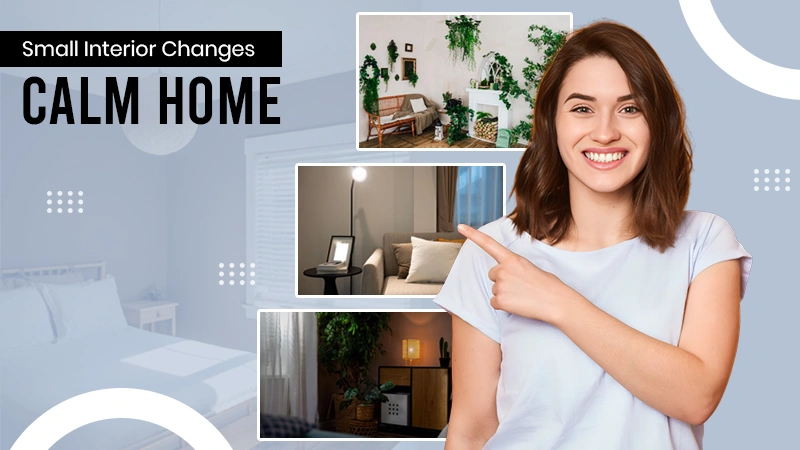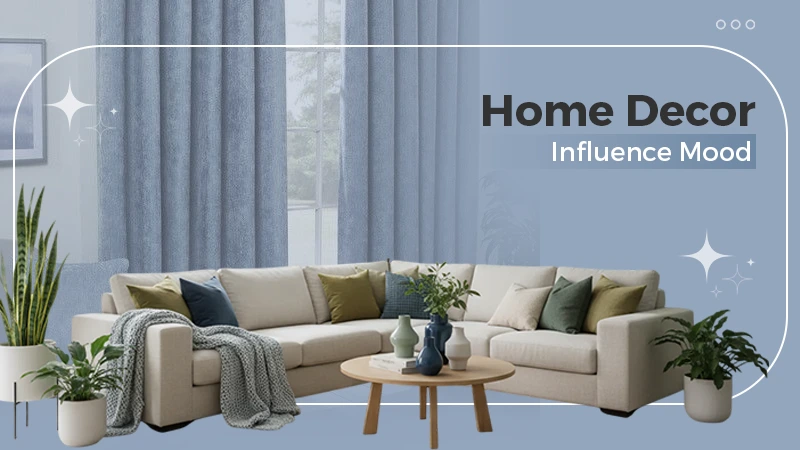
“Your home should tell the story of who you are, and be a collection of what you love.” – Nate Berkus (American Interior designer, author, and TV personality)
The instant sense of peace you get as soon as you enter a room is not accidental; it’s intentional atmosphere engineering. Your home should be more than just a place where you sleep; it should be your personalized sanctuary, which is designed to actively restore your energy and relax your mind.
Key Takeaways
- Layer your lighting to avoid hard shadows and strain on the eyes.
- Air quality should be a priority, which includes adding plants and focusing on proper ventilation.
- Zone your space to separate work from relaxation mentally.
- You should reduce visual noise by decluttering and using smart furniture placement.
What Makes a Home Feel Truly Comfortable on a Daily Basis
True comfort actually is invisible and effortless. True comfort is found in little sensory details of your daily lives, such as perfect lighting or quiet insulation. When your space moves as per the rhythm you want, your life will flow without any struggle.
How Modern Living Habits Challenge Home Comfort
The modern-day homes are designed in a way that they combine gyms, workspaces, and cinemas, which often creates mental chaos and disrupts periods of relaxation. The digital noise that exists at all times, together with the constant need to work, will turn your private haven into a stressful center, which further makes it difficult for you to relax and rejuvenate.
Core Elements That Define a Comfortable Home Environment
While we navigate through the modern obstacles, the foundation of a cozy retreat remains rooted in a few timeless principles.
Temperature Control
The secret to home comfort is smart climate management. It goes beyond just adjusting thermostats, using layered textiles such as breathable linens or wool. For lasting comfort, you can explore properties that prioritize energy-efficient builds, along with superior structural insulation to eliminate drafts.
Lighting Balance
Lighting had the power to set the mood, so you must avoid hard overhead bulbs and try layering floor lamps and soft glows.

Outdoor lights that are strategically placed can visually extend your living space and can make interiors feel expansive and less ‘boxed-in’ while creating an inviting ambience in the evening.
Indoor Air Quality
Something which we can’t see often gets overlooked. Fresh air is the lifeline of a comfortable home. Incorporating ‘living air purifiers’ such as Peace Lillies or Snake Plants is always recommended. Along with this, you can also get high-quality HEPA filters to scrub the air of dust and allergens.
Fun Fact: The off-gassing of volatile organic compounds (VOCs) is actually what we call the ‘new house smell’. This is why air quality is vital!
Design and Layout Choices That Improve Everyday Comfort
The physical arrangement of your belongings frames the structure of your home’s comfort. If things are not placed right, the rest will always feel slightly off-balance.
Furniture Placement
Before placing the furniture, think about how you move. Arrange your furniture to engage in conversation and clear pathways.
- Keep the main walkways at least 3 feet wide.
- Your seating should not only face the TV, but you should also place it in a way that it faces a view or a fireplace.
Noise Reduction
Echo-chamber syndrome is something from which modern homes suffer because of hard surfaces. To deal with this, you can try adding area rugs, heavy curtains, and even bookshelves filled with novels, which act as excellent natural sound diffusers.
Functional Zoning
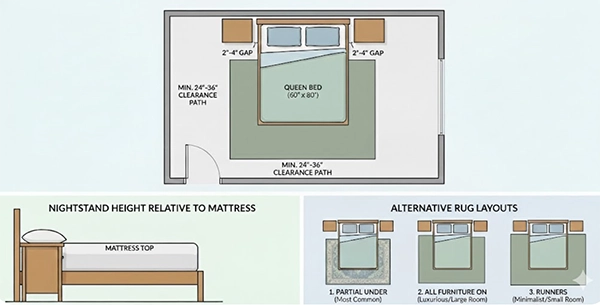
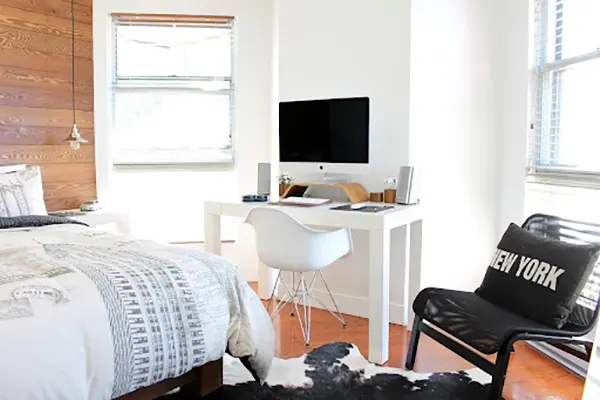
Whether you have a small apartment or a huge mansion, you need zones. Adding a rug to define the living area or a screen to hide your workplace at night will psychologically guide your brain when it’s time to work and when it’s time to power down.
Adapting Home Comfort for Different Age Groups and Lifestyles
Comfort is subjective and keeps evolving. A truly comfortable home is a dynamic space that grows and varies to support every stage of your life, whether it is having rounded edges for toddlers, privacy for professionals, or accessibility for seniors.
Did You Know?
According to research, the presence of houseplants can lower blood pressure and improve productivity by up to 15%.
Final Thoughts
Building a comfortable home feels like constantly communicating with your space. Prioritizing functional flow and sensory balance can help you transform bricks and walls into a restorative space for your living. Begin small and always listen to your needs; let your home evolve into a haven that reflects the best version of yourself.
FAQ
How does clutter affect home comfort?
Clutter actually creates a ‘to-do’ list for your brain; it increases cortisol levels and prevents your brain from truly relaxing.
What is the quickest way to make a room feel cozier?
Soft scalping is recommended; add a high-quality rug, a soft throw, and turn off overhead lights and turn on a warm lamp.
For home comfort, what should be the ideal humidity level?
To maintain both respiratory health and the integrity of your furniture, you should aim for a relative humidity between 30 to 50%.