“A house is much more than a shelter; it should be a place where we feel completely safe.”
Imagine coming home, finding the lights flickering as your door recognizes your face, and knowing that your sanctuary is shielded by an invisible digital actor. In 2026, home security has evolved from simple noisy alarms to proactive and AI-driven ecosystems.
Protecting your space is not just about keeping people out; it is about buying yourself the ultimate luxury, which is peace of mind.
Key Takeaways
- You should always look for systems that can distinguish humans from animals.
- Along with cloud saving, you should use battery backups and local storage (SD cards)
- 35% of burglars invade your home through the door, so it is essential to secure your home’s entry first.
Why Home Security is Needed
We live in an era where our physical and digital lives are intertwined; therefore, you need a strong defense because modern threats are more sophisticated. A trustworthy system will keep you in the loop, whether you are verifying the delivery of a package or checking your children’s safety at home.
It is essential to understand the cost of a home security system to plan your budget for your peace of mind, and it is the first step to tailor a defense strategy that fits well with your lifestyle.
Core Components of a Modern Home Security Setup
Here are a few things that make the core components of a modern home security systems:
Surveillance Cameras
In 2026, cameras offer 4K resolution and night vision that looks just like daylight. AI filtering is the real game-changer here, creating a distinction between a stary cat and a delivery driver to prevent ‘notification fatigue.’
Smart Locks
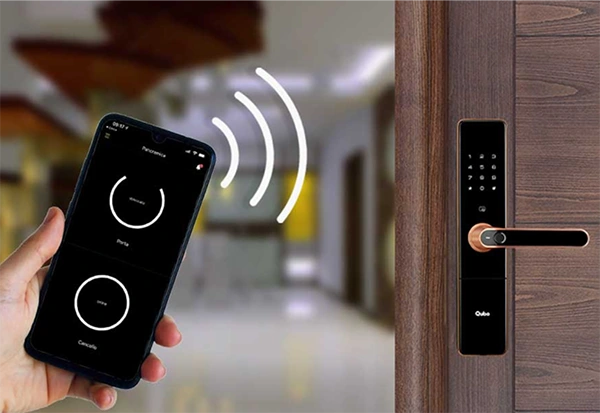
Keys are actually ancient. Smart locks allow you to grant temporary access to guests through your phone and track exactly when your door was opened. This can get you rid of keeping and hiding a spare key under a suspicous-looking rock.
Fun Fact: The first home security system was invented by Marie Van Brittan Brown in 1966. Marie was a nurse who wanted to feel safer at home alone!
Motion Sensors
Motion sensors are silent protectors of your home as they monitor the interior perimeter. Modern sensors are often pet-immune, which means your dog can roam freely without triggering a full-scale police response.
Alarm Systems
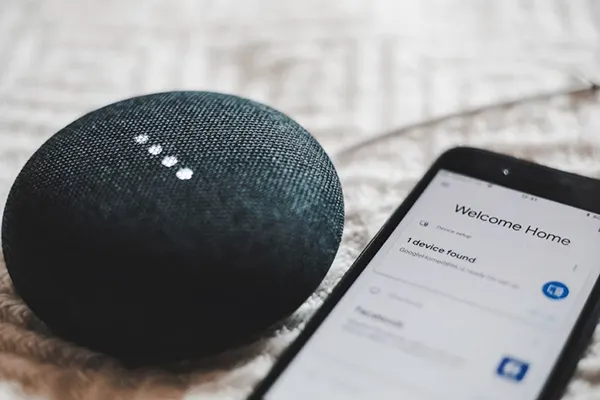
The modern alarm is a central hub; as soon as a sensor is tripped, the alarm does not just scream; it instantly alerts monitoring centers. Besides this, it also flashes your smart lights to disorient intruders and lock down specific zones of the house.
Installation Tips That Improve Security Coverage and Reliability
To further improve your smart security systems, here are a few installation tips:
Device Placement
High and wide is the global rule. Mounting cameras at a downward angle captures faces instead of the top of the head. Make sure that your home security sensors are not blocked by heavy curtains or large furniture, which can create a blind spot for intruders.
Power Management
In 2026, you should go with a hybrid approach; use hardwire for primary cameras and solar batteries for perimeter sensors. Ensure to always have a battery backup to survive power outages.
Network Connectivity
The stronger your Wi-Fi is, the stronger your security will be. You also have the option to use a dedicated ‘Guest’ network to prevent your device from slowing down your main internet.
Advantages and Disadvantages of Smart Home Security
Smart systems have their own benefits, but at the same time, some downsides as well. The common pros and cons are as follows:
Pros:
- A smart home comes with a remote control and can manage your home from anywhere across the world.
- The smoke detectors can talk to your HVAC system to shut off fans during a fire.
- Real-time alerts will notify you the second something feels off.
Cons:
- Cyber risks are there whenever you use any device; there is always a risk of being hacked.
- Many advanced AI features need monthly cloud payments, for which you need to pay the subscription amount.
Did You Know?
The mere presence of a visible security camera or even a ‘Protected by…’ sticker reduces the possibility of a break-in by over 60%.
DIY Installations vs Professional Security Services
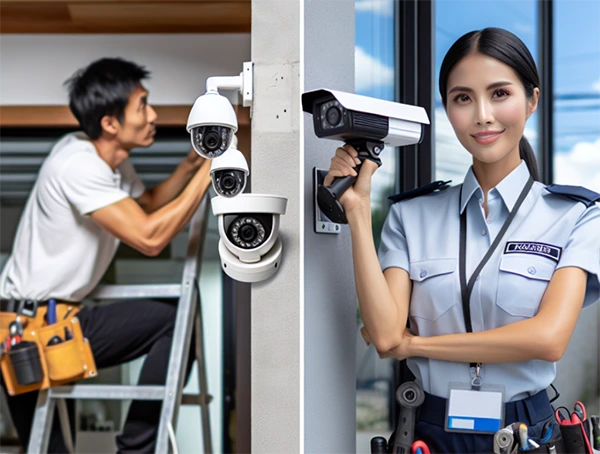
DIY kits are the best options if you are tech-savvy, as they are cost-effective and have no contracts. However, if you have a huge house with 4 bedrooms, you may want to get professional installation done so that every sensor is fitted well and is linked 24/7 to human monitoring.
Final Thoughts
Keeping your home secure in 2026, you are investing in your mental well-being. With smart technology, you not only fence your home but also create a future where your house looks after you.
FAQ
Do security systems lower my insurance?
Yes, generally, there is a 5% to 15% discount on homeowners’ insurance for professionally installed monitored systems.
Do hackers have the ability to see through my security cameras?
If you have a weak password, there are high chances that your security systems will be hacked.
What happens to security when my Wi-Fi goes down?
High-end security systems will activate cellular backup to send you alerts in case your Wi-Fi is down.