Your garage has potential. Right now it might hold boxes, bikes, and forgotten holiday decorations. But with smart planning, that space can become a workshop that rivals professional shops.
The key is thinking like a pro from day one. Pros focus on workflow, storage, and quality tools. They design spaces that work efficiently and safely. You can do the same.
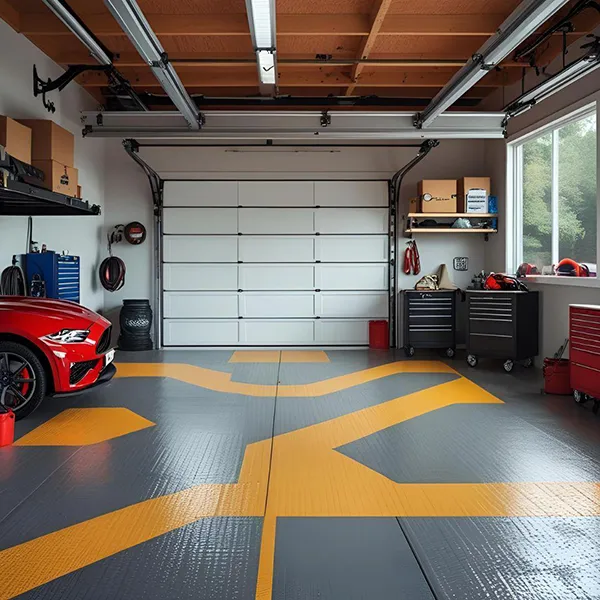
Build a Solid Foundation
Start with the foundation. Your concrete floor takes a beating from dropped tools, oil spills, and heavy equipment. Basic paint won’t last. Professional epoxy coatings create a durable, easy-to-clean surface that handles serious work. While DIY kits seem tempting, they often fail within months. Specialists in tough garage floors use industrial-grade materials and proper surface prep that DIY versions can’t match. The investment pays off in longevity and performance.
Electrical and Lighting Setup
Power comes next. Most garages have one or two outlets. That won’t cut it for serious work. Plan for multiple circuits with 220V service for heavy equipment. Install outlets every six feet along walls. Add ceiling outlets for tools that hang above workbenches. Ground fault circuit interrupters protect you from electrical hazards in damp conditions.
Lighting transforms any workspace. Overhead fluorescent fixtures cast shadows that hide detail work. Add task lighting above each work area. LED strip lights under cabinets eliminate dark corners. Natural light helps too, but don’t rely on it alone. You’ll work evenings and winter months when daylight fades early.
Storage and Workbench Solutions
Storage separates amateur spaces from pro shops. Vertical wall storage maximizes floor space. French cleat systems let you rearrange tool holders as needs change. Drawers work better than shelves for small parts and hardware. Label everything clearly. Time spent searching for tools is time not working.
Workbench height matters more than most realize. Standard kitchen counter height (36 inches) works for general tasks. Lower benches (32-34 inches) suit heavy assembly work. Higher surfaces (38-40 inches) reduce back strain during detail work. Build or buy benches that match your height and tasks.
Air Quality and Ventilation
Air quality affects both your health and work quality. Dust, fumes, and vapors need proper ventilation. Install an exhaust fan sized for your space. Portable air cleaners help during heavy sanding or finishing work. Keep doors open when weather allows. Your lungs and your family will thank you.
Tool Selection and Organization
Tool selection separates serious hobbyists from weekend warriors. Buy quality tools that last. Cheap tools break when you need them most. Start with basics and add specialized tools as projects demand them. Corded tools often outperform cordless versions for heavy use. But cordless tools offer convenience for quick tasks.
Organization systems keep projects moving smoothly. Dedicate space for works in progress. Rolling carts move projects between stations. Magnetic strips hold metal tools within easy reach. Pegboards display frequently used items. Everything should have a designated home.
Climate Control and Safety
Climate control extends your working season. Unheated garages become unusable in winter and stifling in summer. A mini-split heat pump provides both heating and cooling efficiently. Insulation makes any heating or cooling system more effective. Seal gaps around doors and windows to control drafts.
Safety equipment protects your most valuable tools: your eyes, ears, and lungs. Safety glasses prevent eye injuries from flying debris. Hearing protection saves your hearing during loud operations. Dust masks or respirators protect your lungs. First aid supplies handle minor cuts and scrapes. Keep a fire extinguisher rated for electrical and flammable liquid fires nearby.
Water Access and Layout Planning
Water access simplifies cleanup and some projects. A utility sink handles dirty tools and parts washing. Hot water makes cleaning easier. If plumbing installation isn’t feasible, a large bucket and garden hose work for basic cleaning needs.
Plan your layout before moving anything. Sketch your space and mark electrical, plumbing, and gas lines. Place heavy equipment first, then plan storage and workstations around them. Leave clear paths between work areas. Allow space for lumber, sheet goods, and project assembly.
Getting Started
Start with essentials and build gradually. Rome wasn’t built in a day, and neither are great workshops. Focus on one area at a time. Complete each section before moving to the next. This approach keeps the space functional throughout the transformation.
Your garage workshop should reflect your specific interests and working style. Woodworkers need different setups than auto mechanics. But the principles remain the same: good lighting, adequate power, smart storage, and quality tools create spaces where great work happens.
The investment in time and money pays dividends in every future project. A well-planned workshop makes difficult tasks easier and enjoyable work more satisfying. Your garage’s transformation from storage space to professional workshop starts with the first improvement you make.