A smart home sounds impressive, but most people overcomplicate it. You do not need a full renovation or a pile of expensive gadgets to make your home more connected. What you actually need is a setup that makes everyday tasks easier, faster, and more reliable.
The goal is simple. Your home should respond to you. Lights adjust without thinking about it, devices work together without constant input, and everything runs smoothly in the background.
Before buying anything, it is worth checking the basics. A smart home relies heavily on connectivity, so taking a moment to compare internet providers in my area can save you from dealing with lag, dropouts, or devices that refuse to sync properly later on.
Start With a Clear Purpose
It is easy to get distracted by cool gadgets, but the best smart homes are built around real needs.
Ask yourself what you actually want to improve:
- Convenience, like controlling lights or appliances remotely
- Security, such as cameras and smart locks
- Energy efficiency, including smart thermostats and lighting
- Entertainment, like streaming and voice-controlled systems
When you focus on a few clear goals, you avoid wasting money on devices you will barely use.
Build Around a Central System
A connected home works best when everything can be controlled in one place.
Choose a Smart Home Ecosystem
Most devices are designed to work within larger systems. Common options include:
- Voice assistants like Alexa or Google Assistant
- Platform-based systems like Apple HomeKit
Pick one and stick with it where possible. Mixing too many systems often leads to compatibility issues and frustration.
Keep it Simple at the Start
You do not need to connect everything at once. Start with one or two core areas, then expand over time. This approach helps you understand what actually adds value to your routine.
Upgrade your Lighting First
Lighting is one of the easiest and most noticeable upgrades.
Smart Bulbs and Switches
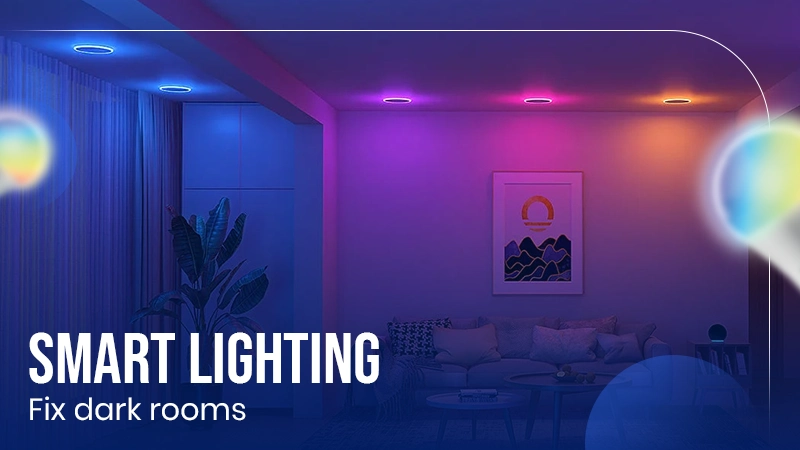
Smart lighting lets you:
- Control lights from your phone
- Set schedules or timers
- Adjust brightness and colour temperature
You can automate simple routines, like dimming lights in the evening or turning them off when you leave the house.
Motion and Presence Sensors
Adding sensors takes things a step further. Lights can turn on when you enter a room and switch off when you leave, reducing both effort and energy use.
Improve your Home Security
Security is often where people see the biggest benefit from going smart.
Smart Cameras and Doorbells
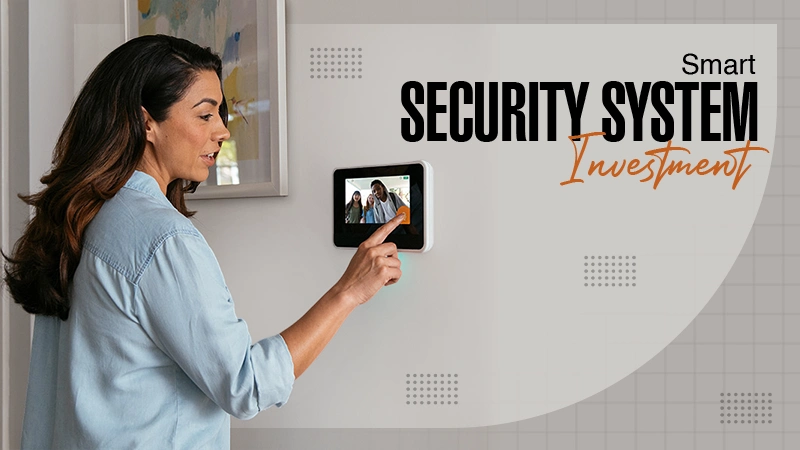
These devices let you monitor your home in real time, even when you are away. Many systems send alerts when motion is detected, giving you peace of mind without constant checking.
Smart locks
Smart locks remove the need for physical keys and allow you to:
- Lock or unlock doors remotely
- Grant temporary access to guests or deliveries
- Track when doors are opened or closed
They are especially useful if you travel often or have multiple people accessing your home.
Automate Everyday Routines
The real power of a smart home is automation. Instead of controlling everything manually, your home can handle tasks for you.
Create Simple Routines
Start with a few basic automations:
- Morning routine: lights turn on, blinds open, coffee machine starts
- Leaving home: lights switch off, doors lock, security system activates
- Evening routine: lights dim, devices power down, temperature adjusts
These small changes add up quickly and make your home feel more responsive.
Use Triggers Wisely
Automation works best when it is based on real behaviour. Triggers can include:
- Time of day
- Location (when you leave or arrive)
- Motion or activity
Avoid over-automating. Too many triggers can make your home feel unpredictable instead of helpful.
Strengthen Your Network
A smart home is only as good as the network behind it.
Ensure Strong Coverage
If you have weak Wi-Fi in certain areas, devices will struggle to stay connected. Consider:
- Moving your router to a central location
- Using Wi-Fi extenders or mesh systems
- Reducing interference from other electronics
Keep Your Network Organised
As you add more devices, your network can become crowded. Keeping things organised helps maintain performance and security.
- Use strong, unique passwords
- Regularly update device firmware
- Remove devices you no longer use
A stable network keeps everything running without constant troubleshooting.
Focus on Compatibility and Longevity
Not all smart devices are built the same. Choosing the right ones upfront saves time and money later.
Look for Reliable Brands
Well-supported products tend to receive updates and work more consistently over time. Cheaper alternatives may seem appealing but can lead to issues down the line.
Check Compatibility Before Buying
Always confirm that new devices work with your existing system. This avoids the frustration of devices that cannot communicate with each other.
Keep Control in Your Hands
A smart home should feel convenient, not complicated.
Maintain Manual Options
Not every task needs to be automated. Make sure you can still control key features manually when needed. This is especially important for lighting and security.
Avoid Unnecessary Complexity
If a setup takes too long to manage or fix, it is not helping. The best systems are the ones you barely notice because they just work.
Bringing it All Together
Turning your house into a smart, connected home is not about filling it with technology. It is about making your space easier to live in.
Start small, focus on what genuinely improves your day, and build from there. With the right foundation, a few thoughtful upgrades can completely change how your home feels and functions.
When everything works together seamlessly, your home stops being something you manage and starts becoming something that supports you without effort.