Do you know an uninsulated home can lose upto 60% energy through the walls and attic (Source)? This emphasizes how important insulation and weatherproofing are to a home.
The structural damage caused by extreme weather can significantly add to your home maintenance and repair costs.
In this article, we will go into detail about this. The following sections will inform you on reducing your energy and maintenance costs with home exterior weatherproofing best practices.
Key Takeaways
Weatherproofing reduces structural damage and heat transfer. This saves you money on energy bills and maintenance.Regularly inspect your roof, walls, and foundation for leaks and damage. Repair damages and seal gaps to improve insulation.
Why Home Weatherproofing is Important for Every Homeowner
Home weatherproofing is simply making your home resistant to every kind of extreme weather condition that can damage it. You need defense against weather exposure, as extreme weather can wreak havoc on your home.
Resisting damage and extreme temperatures, it saves you money on home repair, heating, and cooling. Ultimately, it gives you a comfortable environment to live in.
But how to do that in a categorical and structural manner? The following tips are your to-do checklist, which touches upon every major area of your home that needs some attention.
Tip 1: Inspect Your Home for Air Leaks and Weak Points
Conduct a thorough inspection of your house, ideally before harsh weather strikes.
You can detect drafts around doors, windows, and electrical outlets using candles or incense sticks.
Examine areas where pipes and wires enter your home. These are the usual suspects for air leaks and pest infestation. Check the roof for damaged, loose, or missing shingles. You can hire a good roofing contractor to make the repairs.
Also, look for water stains and damaged flashing around chimneys or skylights.
Common Areas Where Homes Lose Heat and Cooling
Air leaks and poor insulation are the top reasons homes lose heat and cooling.
The most common areas through which homes lose heat and cooling are walls, attics, roofs, windows, doors, and, lastly, basements.
Tip 2: Seal Doors, Windows, and Exterior Gaps
Another thing you can do is seal gaps to keep air and moisture from entering your home.
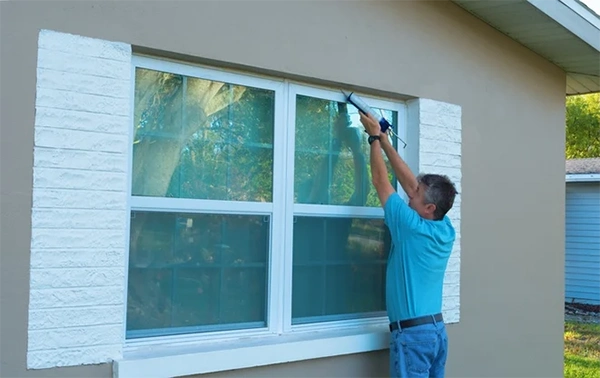
Apply self-adhesive weatherstripping on movable parts of doors and windows, and simply caulk the cracks on the stationary frame parts. Use silicone sealant or polyurethane caulk to seal gaps in siding, masonry, and foundation.
Cold air can also enter from under the doors, so install heavy-duty door sweeps on exterior doors.
FUN FACT
Insulation saves 600 times more energy annually than all energy-saving lighting, appliances, and windows combined (Source).
Tip 3: Improve Insulation for Year-Round Comfort
Proper insulation reduces heat transfer and, ultimately, your energy bills.
Attics are most prone to losing heat in winter and gaining it in summer. So, first ensure that they are properly insulated.
Then come walls and crawlspaces. Ensure their proper insulation using vapor barriers to prevent moisture and mold buildup.
Water pipes can freeze and burst in winter. So ensure their insulation as well.
Tip 4: Protect Your Roof, Walls, and Foundation from Weather Damage
Clean and inspect your roof, walls, siding, and foundation for any damage. Repair using sealants, compounds, or other means if needed.
Drainage, Waterproofing, and Moisture Control Tips
Clean your gutters and downspouts to prevent water pooling and overflowing. This protects your roof, siding, and foundation. If you see water settling near the foundation, extend your downspouts some feet away from it.
Apply cementitious, weather-resistant, and waterproof coating on your walls and siding. Finally, apply sealant to prevent moisture penetration.
How Weatherproofing Helps Reduce Energy Bills and Maintenance Costs
Weatherproofing prevents heated or cool air from transferring from inside to outside or vice versa. It involves insulation by sealing air leaks using weatherstripping and caulking.
As per the US Department of Energy, doing all this can slash your energy costs by upto 20%.
Moisture-related attacks, such as mold or rot, can damage your home. Weatherproofing protects you from structural damage like that. It also reduces the strain on your HVAC system. Resultingly, the HVAC needs less maintenance, and its lifespan also extends.
Final Verdict
Every home requires weatherproofing for long-term durability.
It reduces structural damage and heat transfer, saving you money on energy and maintenance expenses.
You can do this by regularly inspecting your roof, walls, and foundation for any leaks and damage. Repair promptly if any damages are found. Furthermore, seal all gaps to improve house insulation.
Weather the weather, sealed and sound!
FAQ
How to make my house weatherproof?
Weatherproofing involves proper insulation, sealing air leaks, and preventing moisture on the exterior.
How to improve the exterior of my home?
Clean and repair your exterior. In addition, apply waterproof and weather-resistant paint on your siding.
How to increase the R value of my home?
Increase the insulation of your attic, walls, and floor to boost your home’s R-value.
Is weather sealing tape worth it?
Being a cost-effective and DIY solution, weather sealing tape helps reduce drafts and seal leaks, leading to long-term savings.