KEY TAKEAWAYS
- Understand why home wellbeing is becoming a priority for modern living
- Learn how home environments directly affect physical and mental health
- Discover the simple home design choices that promote daily well-being
You might be shocked to know that over 1 billion people (that is, about 13% of the global population) have a mental disorder, with anxiety and depression. The sad part is that this number is increasing day by day, and somewhere our surroundings are responsible for this, including the design of our living space.
These days, homes are made quickly and in bulk, and the main purpose behind it is profit, not people. We often forget that our home affects us every day; it can change how we feel, think, and live in our daily lives. This is why a well-designed home is very important because it can support our mental health and make our daily routine easier.
Also, it is not always something extra or fancy. It’s something we need, like sunlight, fresh air, and some material and design. Let’s dive into the article and learn more about why a well-being-focused home actually matters and how we can make one.
Why Home Wellbeing Is Becoming a Priority for Modern Living
No doubt life in this era is difficult, especially for our health, because these days we spend long hours working, meeting, and staring at screens. Even a few months back, I had noticed this in my own routine.
It was like I would come home tired, sit on the couch, pick up my phone, and suddenly an hour would disappear, and I wouldn’t feel that I even rested for a bit. That is when it hit me, my home wasn’t helping me relax: In reality, it was just another place where I just kept rushing.
Somewhere, these are the reasons why well-being-focused homes are being the need of modern living; people want their home to be:
- A space to recharge
- A quiet break from noise and screen
- A healthy environment for body and mind
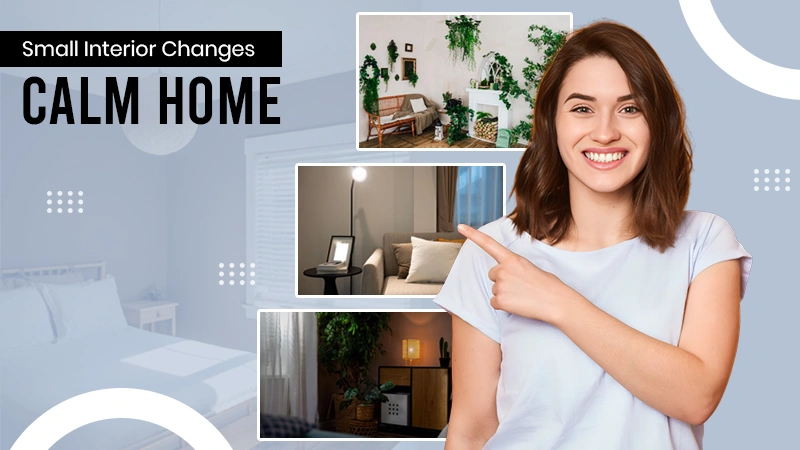
The thing is, a lot of people think that to make a well-being-focused home, they need a big and fancy house, but the truth is that even small and simple changes can make your home feel more peaceful and supportive.
How Home Environments Directly Affect Physical and Mental Health
Home always affects us, even when we are just lying there doing nothing. Physically, our home can mess with us if:
- The air is dusty or stale (hello, headache, sneezing, and random tiredness)
- The lighting is dim or too harsh (eye strain, bad sleep, and constant yawning)
- It’s always too hot or too cold (you feel weirdly irritated for no reason)
Yes, all of this can happen because of the home environment, but if we see the opposite side of it when the space is clean, bright, and comfy, our brain is like, “Okay, we can hire Joondalup removalists for this”. One can feel more in control. And honestly, in this economy, we’ll take all the control we can get, right?
Design Elements That Support a Healthy and Balanced Home
To build a home that supports a healthy and balanced home, one actually does not need an interior designer; they just need some basic tweaks:
Natural Light
Natural light is basically a free therapy; all one has to do is:
- Use light sheer curtains instead of heavy, dark ones
- Open curtains during the day
- Move the work or study desk near the window (if possible)
More sunlight= better mood, better sleep at night, and less “I’m sleepy potato energy.”
Air Quality
We are literally breathing our environment, so yeah, it matters. Some simple way to improve it:
- Open windows for a few minutes every day (yes, even if it’s a bit hot or cold)
- Add a few indoor plants (snake plant, anthurium plants, spider plant – they’re hard to kill, promise)
- Avoid strong chemical sprays and heavy artificial fragrances
Fresh air makes one feel more awake and less like a zombie staring at a screen.
Comfortable Temperature Control
Trying to sleep when you are too hot or freezing? Pure torture:
- Use light cotton bedsheets in warm weather
- Keep a thin blanket nearby if you live somewhere cooler
- Use a fan or AC, not freezing, just comfortable
Ideal temperature: Your body relaxes, and the brain actually agrees to sleep.
Simple Home Design Choices That Promote Daily Wellbeing
Just like we install a home cam for security, similarly, to make our minds relax, we have to make smart yet simple design choices in the home. How? Let’s have a look:
Clutter-Free Layouts
Let’s be real: that “chair of clothes” and “drawer of mystery items” can stress us out more than we think. Less clutter is equal to more peace:
- One can actually find their stuff
- Cleaning doesn’t feel like a punishment
- The room instantly feels calmer and bigger
Some easy decluttering moves one can use:
- Keep only what you use or genuinely like (yes, that broken thing from 2016 can go)
- Use boxes, baskets, or organizers for small, random things
- Clear your desk every night (future self will be very grateful)
Calming Colors
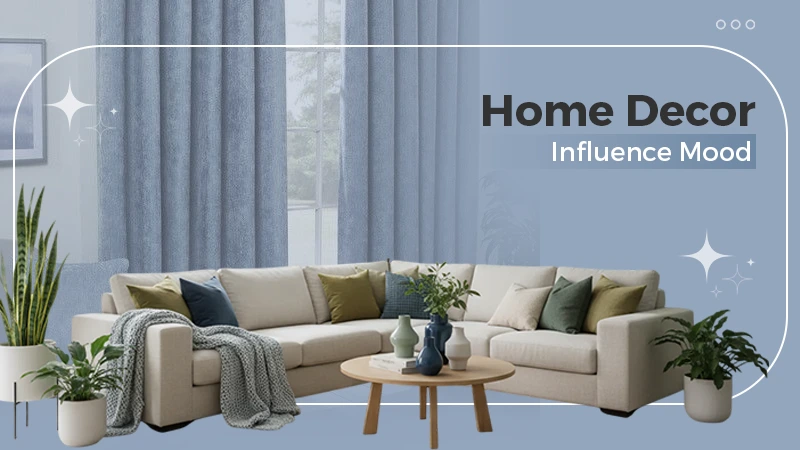
Colors can change the entire vibe of the room without you even noticing. Here are some good color choices for a chill space:
- Soft blues and greens → calm, peaceful
- Light neutrals like beige, cream, or light gray → cozy, simple
- Pastel → Gentle, happy vibes
Paint the area where you feel it’s needed the most. For other areas, try changing:
- Bedsheets and pillow covers
- Curtains and cushions
- Rugs, lamps, or a few wall paints
Natural Materials
Bringing nature indoors just feels right, no? Simple, natural details you can add are:
- Wooden shelves or a wooden side table
- Cotton bedsheets and covers instead of synthetic ones
- Jute or bamboo baskets, mats, or lamps.
These little details make your space feel warmer and less “plastic and fake”.
Balancing Style, Functionality, and Health in Home Design
No need to pick between “look good on Instagram” or “actually comfortable to live in” because you can have both. Just when setting up a space, ask yourself dozens of questions.
What’s this area for? Sleeping, studying, chilling, or all three? Is it practical? Can I move around easily? Is there space to keep things? How does it feel? Calm? Inspiring? Or just stressful and cramped?
One can add their own vibe with photos, quotes, or posters they love; a tiny reading corner with a lamp, a plant corner, or a color theme that feels like “YOU”. If something looks fancy but makes life harder (like a cool chair that hurts your back), it’s not worth it. Style should support, not torture for try to create a balance.
Conclusion
One’s home does not have to feel like a magazine. It just has to feel like a place that’s on the peaceful side. Small things, more sunlight, fresher air, fewer random piles of stuff, softer colors, and a comfy setup can seriously change one’s day-to-day mood.
Also, to make the healthy changes, one doesn’t need a big, heavy budget. A small corner or a simple habit is a great way to start. Bit by bit, one can turn their home into a space that doesn’t just look okay but actually is good for physical, mental, and emotional health.
FAQ
Why does my home affect my mood so much?
It is because your brain constantly picks up signals from your surroundings, interpreting them as either safe/calm or chaotic/stressful.
Do I really need a big house for a healthy home?
No, even smaller homes can feel peaceful if they are designed thoughtfully.
How does natural light help my wellbeing?
It boosts your mood by increasing serotonin (the “feel-good” hormone) and improves sleep by regulating your body’s internal clock.