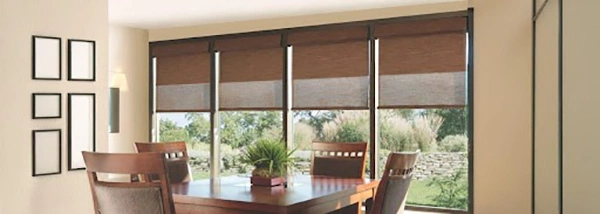
Sit near a window for a minute. Feel the air, see the light, notice how the room feels. Is it too hot, too cold, too bright, or too open? This isn’t just about the weather outside; it’s how your windows affect your life inside.
Here’s the important part: windows do more than just let in light. They influence how comfortable you are, how much you pay for bills, and even how you feel. When people ask me where to begin with home improvements, I usually suggest adding shades.
They are the quickest and easiest change you can make. If you want to know about practical choices, check out roller shade types that many homeowners use to control light, privacy, and warmth. They are simple, but they make a big difference.
Continue reading to acknowledge more!
KEY TAKEAWAYS
- A functional fabric, miracle pane, and an efficient frame, work as a clever combination.
- Roller shades come with predictable light control, thermal moderation, clean aesthetics, and easy routines.
- Energy efficiency is the way to save on higher energy bills.
- Install different window types according to specific zones of the house.
Smart Combinations Beat Single Fixes
People often follow one magic product. A high‑tech fabric, miracle pane, and a clever frame. The reality is, the best advantages come from layering. Pair tight frames, efficient glazing, and practical shading.
Get the ratios right:
- How much solar control do you need?
- How much daylight do you love?
- Where do you sit and work?
- What direction do your windows face?
- How does your climate behave over seasons?
This is where the decision matters. Some homeowners go for cellular shades simply because of their trapped air pockets and great insulation. Others prefer automated shades for their minimalism and clean lines. If you are evaluating broader solutions and want straight‑shooting options, look at typical blinds for the windows used in modern homes and think through texture, openness, and color temperature before you commit.
What Roller Shades Get Right in Real Homes
Roller shades are preferred for practical reasons. They look neat when down, disappear when up, and come in materials that do more than just block light. A few fundamental advantages stand out in daily use.
Predictable Light Control
Determine your openness carefully. Somewhere between sheer and blackout sits a sweet spot for daytime privacy with abundant daylight. With roller shade types, you can tune the exact ratio, so your living room stays bright but does not glare on the coffee table. Bedrooms benefit from dual systems: a translucent layer for day, a darker shade for night.
Thermal Moderation Without Bulk
Thinner profiles don’t indicate weaker performance when fabrics have reflective backings or specific weaves. Paired with low‑E glass, roller shades actively maintain indoor temperature by limiting solar gains at peak hours. If your room faces west, you will feel this the moment late afternoon arrives.
Clean Aesthetics
They reject the opportunity to steal attention. Fabrics hang evenly, lines stay straight, brackets hide or match, and the whole system reads as part of the architecture rather than decoration. In minimal or contemporary spaces, that restraint is definitely what you want.
Easy Routines
Motorized controls are a bonus, yes, but even manual roller shades encourage simple habits: upward in the morning, mid‑position at noon, down at night. No tangles, no complex tracks. Families frequently use them, which is half the battle.
Energy Efficiency: How Savings Actually Happen
Here’s the functional view. Savings don’t come from one tremendous change. They come from shaving a degree or two off-peak heat, from dimming direct sun during critical hours, holding warmth overnight in winter, and letting breezes do their thing when conditions allow. The aggregate matters.
In summer, shading lowers ultraviolet heat indoors, so surfaces don’t warm up as much. Since radiant load is a big reason rooms feel stuffy, limiting it helps minimize AC demand. In winter, keeping shades down at night adds a nominal but real thermal buffer over glass. Couple that with good seals, and you mitigate those tiny currents that make your feet feel cold by the window.
There’s also the behavioral side. Homes with intuitive window setups make people use daylight more. Fewer lights on at noon. Better alignment between indoor routine and outdoor conditions. The sum is quite noticeable over a year.
Comfort for Different Rooms: Not One Size Fits All
Rooms ask for specific solutions. You get better results and fewer compromises if you match the function to the space.
Living Rooms
Daylight is king here, but so is window comfort and social privacy. Go for mid‑openness roller shades and think about layering with a light curtain for texture. Facing west? Add a slightly more reflective fabric to tame the late sun.
Bedrooms
Sleep wins every time. Switch to blackout or near‑blackout roller shades, and if you love soft mornings, pair with a sheer for the day. Keep the mechanism quiet and predictable. Nothing ruins a rough night like a shade that snaps.
Kitchens
Heat, humidity, and mess demand resilient materials. Gentle roller fabrics are easier to clean and safer near cooking zones. Avoid heavy coverings that trap odors. Moderate openness gives pleasant daylight without glaring on glossy surfaces.
Home Offices
Screens need continuous light. Diffusing fabrics ensure that your eyes are relaxed. Pay attention to side glare if you have seated positions near windows. A slightly tighter openness addresses most of it without making the room cave-like.
Mistakes to Avoid
A few pitfalls are brought up repeatedly. They are easy to dodge if you know they exist.
Ignoring Orientation
South and west exposures behave altogether differently. Treating them the same leads to uneven comfort. Pick out fabrics and control strategies per orientation.
Over‑blocking
Total blackout in living areas can feel gloomy. Aim for flexible control, not permanent darkness. Save excessive opacity for bedrooms or media rooms.
Skipping Measurement Details
Roller systems require accurate heights, widths, and mounting decisions. Inside mount looks tidy if your recess is square; outside mount recognizes imperfections and blocks more bleed. Measure twice.
Forgetting Privacy at Night
Sheer seemed amazing by day and useless by night with lights on. Plan evening privacy explicitly.
When to Consider Bigger Changes
In case your windows are drafty, frames warped or seals shot, shading alone may not fix the fundamentals. Look at frame replacements, glazing upgrades, and better installation. Then add shading as the flexible layer that evolves over hours and seasons. It’s a two-step process: structural solidity first, daily comfort second.
What This Means for Life Inside Your Home
The payoff is not just numbers on a bill. It is time at the table without moving chairs, work sessions without squinting, mornings that feel bright and gentle, evenings without feeling watched. You start using your rooms the way you originally planned when you moved in. That’s the point.
On Balance: Practical Advice You Can Actually Use
Set your priority lists in order. In situations where heat is the biggest enemy, pick fabrics that reduce solar gain and combine with efficient glazing. If glare rules your day, aim for diffusion first, then thermal tweaks.
For privacy, emphasize opacity for night and flexibility for day. And if you simply want a cleaner look that compliments all of the above, explore roller shade types with attention to openness, color, and hardware quality.
For broader category insights or alternatives that you can skim quickly, check practical options for blinds for the windows and test what fits your rooms and routines best.
Сonclusion
Window systems alter how your home feels more than most upgrades you can make. They don’t shout, they may not take center stage, yet they decide your comfort quietly, hour by hour. When glazing is solid, and shading is thoughtful, energy efficiency is not a promise, it’s a pattern you live. Layer smart, start small, and let your windows do the work, so the rest of your life can take its place.
What makes a window “energy-efficient”?
The multiple glass panels minimize heat transfer, creating a barrier against the outer environment. Thus, the energy consumption required in the temperature control process reduces.
How do these glass panels improve home comfort?
A stable temperature, protection from storms, and natural lighting create comfort inside the home.
Will energy-efficient windows reduce my utility bills?
Yes, these windows lower down the usage and ultimately the energy bills.
Is it environmentally beneficial?
Yes, it is a positive approach towards the overconsumption of energy, and of course, the environment.