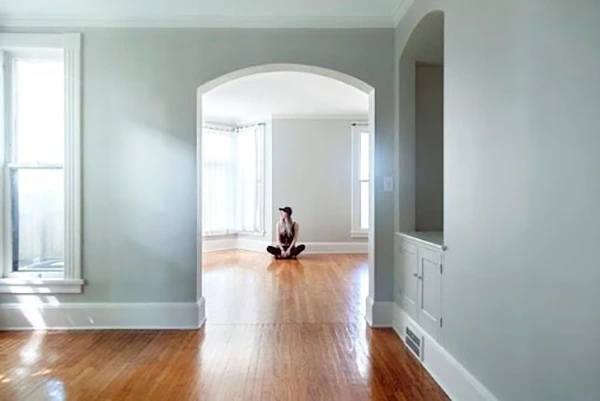
Changing your home and going to a new place is an experience that can exaggerate mixed feelings. It can feel like a fresh chapter, a blank page, and a chance to bring your home to perfection.
Yet beneath the excitement often lies uncertainty. Older systems, peeling paint, odd noises coming from the walls, or irregular water pressure can easily turn happiness into stress.
Because of this, knowing what to fix first when you move into a new house is not about making rash repairs but rather building a solid foundation that safeguards your health, safety, and financial investment right away.
That’s why in this blog post, we are going to explore more layers of this segment and provide valuable insights to the people who are migrating for the first time.
Let’s begin!
Key Takeaways
- Understanding the necessary things to fix in the first place
- Uncovering some health factors to watch out for
- Looking at the structure stability and functionality
- Decoding how they are powered for sustainability
What To Fix First When Moving Into a New Home? Start With Safety-Critical Essentials
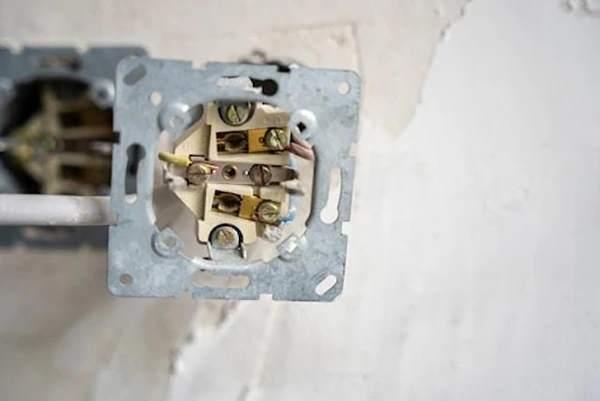
Before aesthetics, décor, or personality touches, safety must be your absolute priority. Outdated breaker panels, defective sockets, exposed wiring, and electrical problems are all silent dangers that have the potential to become major threats.
Plumbing problems such as hidden leaks, weak joints, or old pipes can cause water damage long before they are visually noticeable. Gas lines should always be inspected, as even minor leaks can compromise indoor safety.
Structural stability also needs careful attention, especially when cracks appear around windows, ceilings, or foundations. These systems form the backbone of the home and should lead your checklist of what to fix first when moving into a new home.
Pro Tip
If you have children or pets, childproof the home by securing furniture, covering outlets, and installing safety gates.
Health Comes Before Aesthetics
A new home only feels comfortable when it supports your well-being, so the first tasks during a move should focus on hygiene rather than décor. Dust, mold, and stale air often remain from previous occupants, and they can affect your comfort if you overlook them.
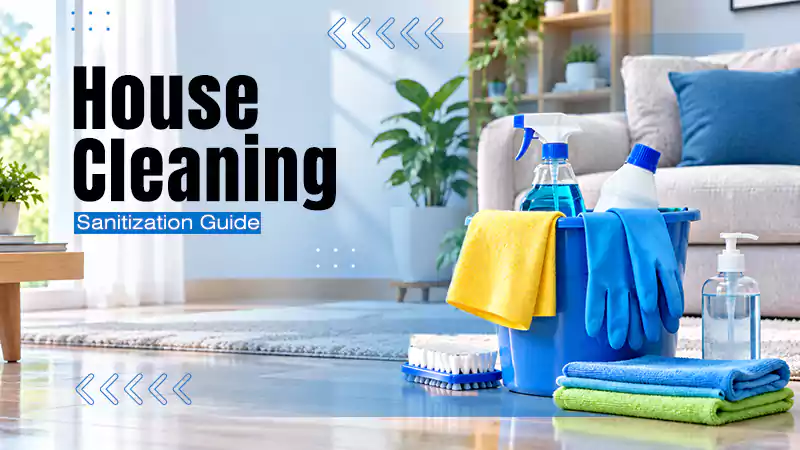
Therefore, before you unpack, gather cleaning supplies so you can clean the place thoroughly in a structured way.
Work from high surfaces down to the floors, and give extra attention to the kitchen because grease and food residue often hide behind appliances and inside cabinets. This type of careful cleaning removes allergens, reduces contamination, and keeps pests from settling in.
Fresh air circulation also helps the space feel healthier from day one. These steps shape what to fix first when moving into a new home, since long-term health always matters more than decorative upgrades.
Functionality That Shapes Daily Life
Daily comfort defines long-term happiness. Daily tasks become taxing if windows leak cold air, doors don’t close smoothly, or locks don’t lock.
Reliable heating and cooling systems ensure seasonal comfort, and consistent hot water is fundamental to daily hygiene. Poor insulation and inefficient windows come with real costs.
In truth, for many homes, roughly 30% of the heating energy is lost through windows alone. That translates into higher energy bills and a colder, less comfortable interior. These issues directly influence your daily experience — so when you evaluate what to fix first after moving in, functionality should outweigh decoration.
Structural Stability & Long-Term Durability
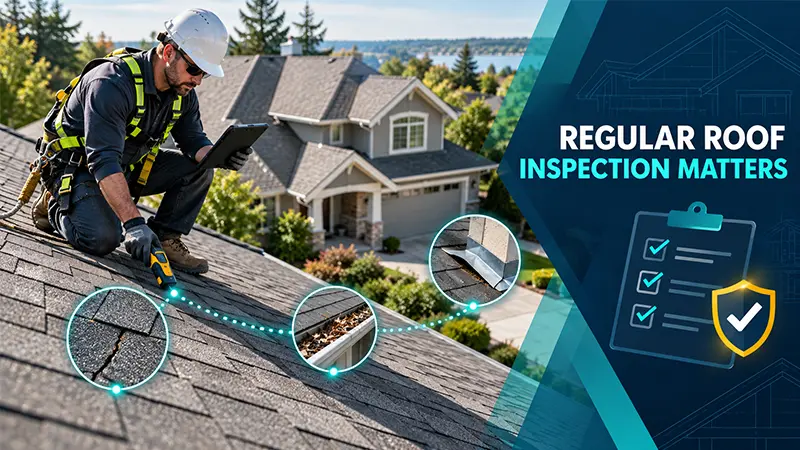
A home must stand strong long before it looks beautiful. Roof condition determines protection from rain, snow, and moisture infiltration. When there are indications of movement, weak foundations should be professionally inspected because they silently endanger the entire structure.
Walls suffering from dampness or poor insulation affect both indoor temperature and longevity. By reinforcing these elements early, you prevent recurring repairs that drain time and money. Structural reinforcement ensures that every future upgrade is built on stability rather than temporary concealment.
Energy Efficiency Upgrades That Save Money
Efficient systems lower bills and enhance comfort. Targeting energy performance early makes future living more economical and environmentally conscious. Strategic upgrades include:
- Sealing air leaks around doors and windows
- Improving attic and wall insulation
- Upgrading inefficient appliances
- Installing smart thermostats
- Replacing outdated lighting systems
This single sequence not only preserves resources but also supports the overall strategy of what to fix first when moving into a new home, while creating a home that promotes modern living standards.

Designing With Intention, Not Impulse
Once functionality is secured, the creative process can begin. True beauty stems from alignment, not rushed styling. Each repair influences layout, room flow, and personality choices.
This stage naturally connects with the mindset of designing the perfect home, where vision becomes structured and sustainable. Instead of focusing on trends, homeowners can build cohesive interiors based on comfort, balance, and timeless value. Intentional design ensures that aesthetics serve function, not fight against it.
Future-Proofing Before Decorating
A home should evolve alongside your life, not force you to reinvent it every few years. As families expand, routines change, and priorities shift, spaces must remain flexible enough to support these transitions.
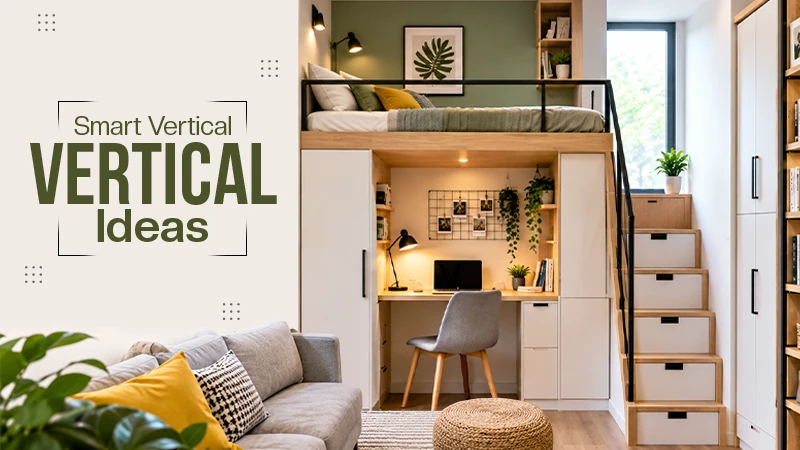
Thinking ahead about storage solutions, adaptable room layouts, and multifunctional areas helps prevent costly redesigns later. That is where the mindset of how to plan a home build that fits your style and future needs becomes essential, allowing every structural choice to support both present comfort and long-term growth.
When you approach your home with foresight, it transforms from a temporary setup into a thoughtfully structured environment that adapts effortlessly with you.
The Smart Sequencing Method
Repairing visible problems while neglecting invisible ones is the most frequent error made by first-time homeowners. Prior to moving on to decoration, smart sequencing entails beginning underground, behind walls, and inside infrastructure.
Functional repairs first, aesthetics second, personalization last. This layered approach allows every change to feel purposeful and harmonious. By applying this sequence, the confusion surrounding what to fix first when moving into a new home becomes a clear roadmap instead of an emotional guessing game.
The Emotional Layer of Moving In
Beyond repairs, measurements, and checklists lies an emotional transition that deserves equal attention. Moving into a new home often carries unspoken pressure to make everything feel perfect instantly, yet true comfort develops over time.
Allowing yourself the space to connect with the environment slowly creates a deeper sense of belonging and ownership. Instead of rushing decisions, observe how light moves through rooms, how you naturally flow through the space, and where calm feels most present.
These subtle observations guide smarter choices and reinforce the emotional security that transforms unfamiliar walls into a place that genuinely feels like home.
Build Peace, Not Just Walls
A home is not defined by its paint color or furniture arrangement but by the sense of safety and belonging it nurtures. Moving to a new house and deciding what to fix first is an investment in peace, not just real estate.
Prioritizing safety, health, durability, and efficiency creates an environment where creativity can flourish without anxiety. As each thoughtful repair contributes to the whole, your space evolves organically into something meaningful, stable, and truly yours.
FAQ
What should you do first when you move into a new house?
Change the locks and install the security systems.
What is the first thing to bring into a new house?
When moving to a new house, pack a “first day” essentials box with cleaning supplies, toiletries, basic kitchenware, chargers, a few changes of clothes, and basic medicine.
What is the hardest room to pack when moving?
The kitchen is often the hardest room to pack when moving because it contains many breakable items.