“Comfort is the absence of awareness. You shouldn’t feel the air; you should just feel good in it.”
Stepping into a brand-new home feels like a fresh start, but hidden beneath that, a new house smell could be an invisible guest, which is invisible moisture. Whether you have just moved into a modern apartment or a sprawling suburban house, managing the air quality is the first step toward true comfort.
Key Takeaways
- You should know the square footage before you buy a dehumidifier.
- Use a hydrometer to maintain humidity between 30 to 50%.
- Place the units away from the walls for maximum airflow.
Why Moisture Control Is Essential When Moving Into a New Space
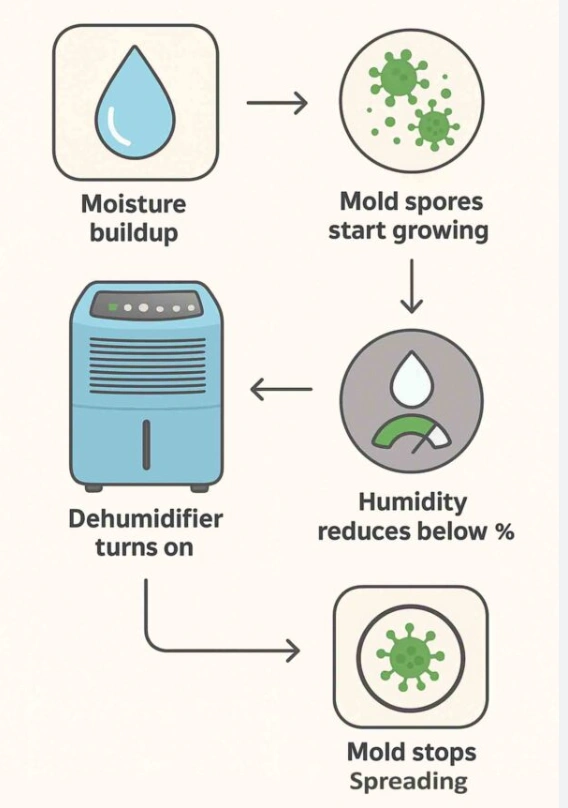
You should protect your investment from the building phase of new builds. Excess moisture from fresh materials can wrap floors and even invite allergens. A high-quality dehumidifier is like a structural insurance policy ensuring that your new sanctuary remains durable, dry, and healthy for the upcoming years.
Common Signs Your Home Needs a Dehumidifier
Do not wait for a puddle to appear to take action. Your home communicates to you through subtle cues, like:
- The Scent of Stale Air: The unmistakable musty odor that lingers in your basements and closets.
- The Window Fog: The constant condensation on glass panes during the morning.
- Unexpected Spots: The small green or black dots that appear on bathroom ceilings behind furniture.
- Sticky Skin: When you feel clammy, even when the air conditioner is operational in the room.
Key Factors That Determine the Right Dehumidifier for Your Home
Choosing the perfect unit is not a one-size-fits-all journey. You need to investigate and analyze your specific environment to find a match that works efficiently for you. To make sure that your device performs at its peak, you must first assess the physical constraints of your living area.
Room Size
The size of the room is a vital aspect. An undersized unit spikes bills without drying the air, while an oversized one cycles too frequently, causing premature wear. You should match capacity to your square footage for peak efficiency.
Fun Fact: Dust mites that cause allergies cannot survive in humidity levels below 50%.
Humidity Levels
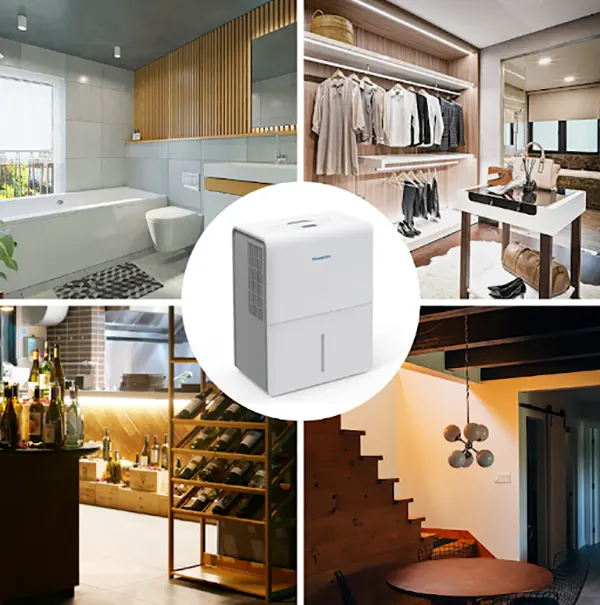
Evaluate the moisture of your home; standing water needs a heavy-duty model, while seasonal sickness is perfectly handled by a sleek and portable Newentor unit to maintain a dry and comfortable home environment.
Climate Conditions
The local weather where your house is located plays a major role. If you live in a coastal area with 90% outdoor humidity, your machine will work significantly harder than one in a temperate inland valley.
Types of Home Dehumidifiers Available for Residential Use
Not all machines have the ability to dry the air the same way. Choosing the right ‘engine’ for your moisture-fighting machine is essential.
Refrigerant Dehumidifiers
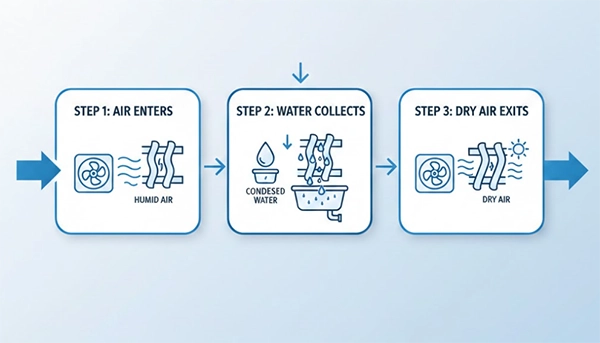
You should think of these as mini-fridges for your air. They make use of a compressor to cool metal coils, and when warm air hits them, water condenses and drips into a tank. These are the powerhouses for a typical warm and humid environment.
Desiccant Dehumidifiers
These use a chemical sponge, such as silica gel, to absorb water. They are quiet and work exceptionally well in colder temperatures, which makes them ideal for unheated garages and winterized cabins.
Considerations to Keep in Mind
Besides the core technology, the practicalities of daily use will determine how much you actually enjoy using your new device.
- Energy Efficiency
If you want to save your home and burn a hole in your wallet, you should look for the Energy Star seal.
- Noise Levels
If you are using the unit for your bedroom, you should check the decibel rating. You want some sweet dreams and definitely don’t want the sound of a jet engine disturbing you.
Did You Know?
Through the proces sof transpiration, plants breathe out moisture, so a stronger dehumidifier is required in a room full of greenery.
- Maintenance
You should consider units with ‘auto-drain’ features or washable filters to keep your chores to a minimum.
Final Thoughts
A healthy home environment is not only determined by the decor you have, but is also about the air you breathe every single second. By selecting the right dehumidifier, you are reclaiming your space from the clutches of dampness and making sure that your new chapter is a dry, healthy, and comfortable one.
FAQ
How often should the filter be cleaned?
Most of the residential units only need to be quickly rinsed every two to four weeks to keep the air unrestricted and fresh.
Can a dehumidifier be run 24/7?
Yes, most of the modern units have an ‘auto-shutoff’ which allows them to get turned off automatically when the desired level of humidity is reached.
Where is the best place to keep a dehumidifier?
You can either place it in the dampest room or near a drain if you have a continuous house.