“The budget saved by preventative care is always sweeter than the cost of an emergency replacement.”
Imagine waking up and finding your place freezing over, the laundry room flooded, or the kitchen doing that thing where it smells like spoiled milk. When an appliance breaks down, it is not just annoying; daily life basically gets messy. Most of the time, we do not pay attention to our machines until they fully stop working.
This guide is a kinda simple playbook to keep your home going smoothly with very little effort. You do not have to be a tech expert, and you really do not need pricey tools to look after your appliances. If you spend only a few minutes each month on basic washing and care, you can dodge the kind of big house disasters that are usually talked about after they happen.
Together, we will go through easy steps that protect your machines. These low-effort habits help you save your sanity, your time, and yes, your hard-earned money. Alright, let’s get rolling!
Why Regular Appliance Maintenance Matters at Home
Taking care of your machines is not only about preventing sudden breakdowns, but it is also about protecting your wallet. When your home devices work well, they tend to use less energy.
That means your monthly power costs stay lower, right away. It is like maintaining a car, so it guzzles less gas over time. If you ignore small warning signs, they can turn into major hidden damage. Then, an easy fix becomes a huge, expensive headache.
For bigger home systems, checking out trusted resources like Vredevoogd can be a helpful way to learn how to care for your house. Spend a little time and effort today, and you add years to the smooth operation of your whole home setup. Regular attention keeps things safer, more organized, less stressful, and honestly, very cheap to run.
- Financial Savings: Cuts down your electricity and water costs by helping your machines perform at their best.
- Extended Lifespan: Adds many years, so you do not end up buying brand-new replacements too soon.
- Fewer Repairs: Spots small issues early, before they grow into big, scary emergencies.
Keeping your interior systems running nicely sets the stage for a smoother transition into the heart of the home.
Essential Kitchen Appliance Maintenance Tips
Your kitchen is sort of the heart of the whole house, and you really do need its tools to work just right most days. To keep your refrigerator cold and running properly, pull it a little away from the wall, then vacuum the dust off the coils twice a year. That simple thing helps more than people think.
In your dishwasher, bits of leftover food can clog the tiny water holes and mess with the bottom filter, so your plates end up kinda grimy. Rinse the filter under warm water every week; take your time with it. Also, run the dishwasher empty once in a while, with a cup of white vinegar in there, so hidden residue comes loose.
As for the microwave, never just leave spilt food sitting inside. Heat a bowl of water for around three minutes until steam forms, then wipe everything down easily; it comes off way cleaner.
Taking care of these machines keeps your food tasting fresh and also makes cooking feel lighter and more enjoyable.
- Refrigerator coils: vacuum the back or lower parts twice a year to keep the fridge doing its job.
- Dishwasher filter: wash away trapped food every week to reduce nasty odors.
- Oven seals: wipe the rubber door sections gently, so heat stays put and energy is used better.
Laundry Appliance Care for Better Performance
Cleaning your clothes well depends on clean water routes and machines that stay straight and balanced. For washing machines, wipe the rubber door seals with a cloth after every wash. This helps prevent smelly mildew from forming in the dark places. And when you are not using it, leave the door cracked open a little so fresh air can dry the inside properly.
For your clothes dryer, clean the lint filter after every single load. It’s not optional if you want the dryer to work safely. Then, once a year, take the flexible hose off the back and vacuum out the trapped dust and lint. Doing these simple steps lowers the risk of a house fire, makes drying quicker, and helps your laundry smell clean instead of stale.
- Gasket cleaning: Wipe the rubber washers and seals regularly to get rid of trapped water.
- Vent clearance: Clean the dryer pipes every year so the air flow stays smooth
- Leveling Check: Make sure your machines sit flat on the floor, so they do not shake too much and end up making those loud noises when they spin. When the laundry room is clean and safe, it gets easier to focus on other areas of your home, too.
HVAC and Air Quality Appliance Maintenance
Breathing that clean air and staying comfortable really comes down to one thing: keeping your heating and cooling systems free from dirt. These units run basically all the time, so their air filters end up gathering a surprising amount of dust.
Change your air filters every 90 days, or every 30 days if you have pets around. Also check the outdoor unit now and then to clear out dead leaves , grass, and all that grime. For inside, confirm your vents are open and not blocked by furniture or boxes so the air can move with less resistance.
Keeping those passageways clear helps the equipment work smoothly, can reduce your power bills , and supports healthier indoor air.
- Filter Replacements: Swap your air filters about every three months, for fresher home air.
- Outdoor Clearance: Leave a two-foot gap that is empty around your outside AC machine.
- Duct Inspections: Check the open air pipes in your basement for loose pieces or small holes.
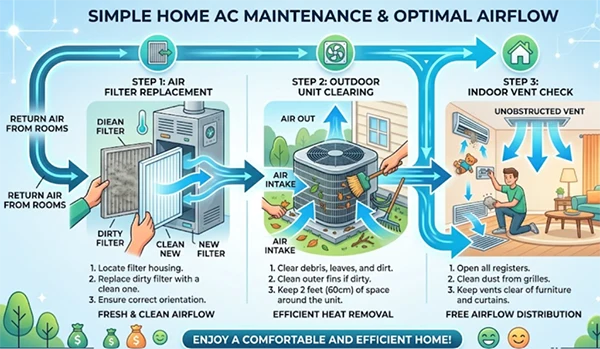
You need to follow these three easy steps to keep your AC working perfectly and your home feeling cool all summer long.
Safety Checks Every Homeowner Should Do Regularly
While having easy machines is nice, keeping your home safe from sudden dangers is the most important thing. You should check your water heater’s safety valve often by lifting the little handle to make sure water flows out easily.
Also, take a look at the rubber water pipes behind your washing machine for small cracks or lumps, because those can grow. It is best to change them to strong steel pipes, so your room does not flood.
Make sure your kitchen stove fan is clean and that it does not have thick oil buildup on it, to help prevent a sudden fire. These easy checks keep your house safe and make you feel kind of relaxed.
- Hose Assessments: Swap your washing machine water pipes every five years, don’t wait too long.
- Valve Testing: Pull the water heater handle once a year, so that dangerous pressure doesn’t build up.
- Grease Removal: Rinse your kitchen fan filters every month with hot soapy water until they feel light again.
Fun Fact: The first electric washing machine was invented in 1908 and was named ‘The Thor.’
When to Repair, Replace, or Call a Professional
Knowing your limits will save your appliances and keep your warranties feeling solid and completely safe. Small jobs like cleaning filters, changing light bulbs, and wiping off dirt are great tasks for a relaxed weekend.
However, if your refrigerator stops cooling or your oven heats unevenly, you really should look at your budget. Use the easy 50% rule: if the repair cost is more than half the price of a brand new one, then buying a replacement is your smartest decision.
Never try to fix gas lines, tricky electrical wires, or closed coolant systems by yourself. Leave these dangerous, high-risk jobs to certified workers; they have the right tools and training.
- DIY Scope: Stick with outside cleaning, replacing easy parts, and doing simple machine resets.
- Pro Intervention: Always call professional experts for electrical shorts, dangerous gas leaks, and main plumbing repairs.
- Age consideration: Think about swapping out the older appliances once they are getting close to their usual ten-year life limit, because they tend to get kind of unreliable over time.
Conclusion
You really do not need any special training or a pile of time to care for your home. With a bit of routine maintenance and checking what needs attention, you can keep everything working in a steady way, even if it’s not perfect every day.
Your appliances will perform better, use less electricity, and keep going a very long time if you pay attention to them. Try to notice unusual sounds, remove dust early, and don’t crowd or overload your machines.
These little measures today can spare you a lot of later headaches. Your home will run more smoothly, and you will avoid wasting money on repairs
FAQs
Ques: How often should I clean the dishwasher filter?
Ans: Wash your dishwasher filter once a week using warm water, and make sure you rinse it well too.
Ques: Can I use vinegar in my washing machine, or is that a risky idea?
Ans: Yes, vinegar helps clear internal mineral buildup, plus that stubborn, damp, or stale smell.
Ques: Why is my clothes dryer taking forever to finish the cycle?
Ans: If the lint vent is clogged, it blocks the exhaust airflow it needs, so the whole drying process slows down a lot.