


“Your home should be the antidote to stress, not the cause of it”
-Peter Walsh(Author)
Having a minimalistic aesthetic home has been on my bucket list forever. No heavy furniture, loud colours or dull patterns. I wanted my home to be all calm, sweet, and personalised like any other individual.
And this wish led me to redesign my room and then the entire home. So, for those planning to do the same. Don’t worry, pals, I’ve got you covered.
Key Takeaways
- Knowing the core philosophy of minimalism
- Why it works for students like you and me.
- Relishing the key elements of these designs.
- Design ideas for students roomsSpace-saving furniture to mark your checklist.
- Your decor and lighting tips on the goMinimalist ideas for your minimal home.
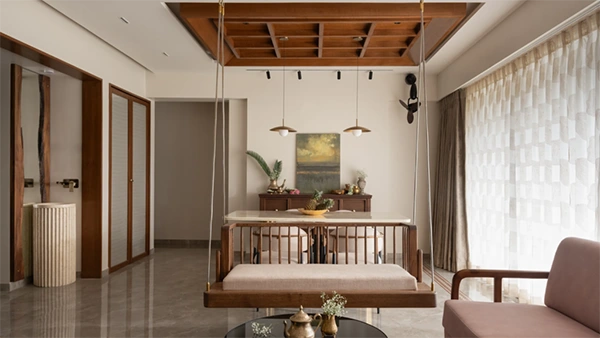
Core Philosophy of Minimalist Home Design
As a tree’s beauty lies in its branches, its strength lies in its roots. Similarly, the idea of minimalism lies in the core philosophy of “less is more”
It is about utilising the idea of simple furniture, plenty of space, using light as decor, investing in high-quality pieces, and using high-end materials to bring out a minimalist home design.
Why Minimalist Interior Design Works Well for Student Living
Minimalist Interior Design inculcates the utilitarian aspect of cost-effectiveness, easy maintenance, and adaptability, and promotes sustainable living, making it a suitable choice for student living. And an evergreen option for your rooms.
- Budget: Minimalist Interior designs are cost-effective and budget-friendly for students, which makes it a real bargain.
- Space Constraints: The 2026 minimalist designs address the concern of maximising small spaces, which is helpful for students.So, larger spaces at lower rates.
- Easy Maintenance: These designs can be easily maintained to arrange, clean, and organise, making it a low-hanging fruit.
Historical Fun Fact In the 1990s, minimalist interiors were associated with serenity and calming qualities.
Key Elements of Minimalist Interior Design
To know it all, you must be aware of the elements that will hang along in your minimalist design journey.
Colour Palette
The colour palette will add all the beauty to your minimalist design. Thinking of such a design does not mean going all monochromatic; soft pastel colours could be utilised as well. Adding a poetic effect to your home.
Furniture Choices
As beauty lies in simplicity, make sure your home entails the simple elements and furniture.
Clean Layouts
You could write better when the canvas is clean. The same goes for your home as well, so ensure that your canvas is clean for air movements and health.
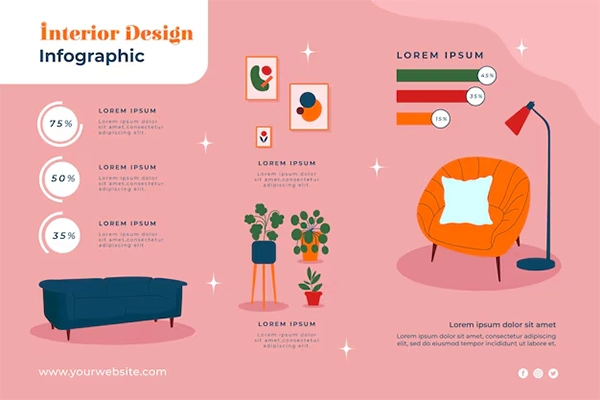
To further explain the interior designs, we can analyse the infographic depicting interior designs :
Minimalist Interior Design Ideas for Student Rooms
When we surf for design ideas for students, we don’t just think about heavy furnitures we look for variety.
Foldable desks and beds, multifunctional furniture, floating shelves, and limit decor to functional items only to avoid any clusters. And make every corner count.
Space-Saving Furniture and Storage Solutions for Students
Whether you have school-going kids or are anyone working from home, space-saving furniture and storage solutions can save your day and appear effortless. Here are a few space-saving furniture and storage solutions for students:
- Choose floating shelves.
- Opt for multi-functional furniture.
- A study table with ample drawer space.
- Invest in a filling system
- A study room with loft storage.
- Wicker baskets and storage boxes
- Wooden storage under the desk
- A wardrobe attached to a study table
- Task lighting is a must
Also, different kinds of desks could enhance the usage of your space, such as a writing desk, a floating desk, an executive desk, a corner desk, and an L-shaped desk.
Help with the assignments is all you need with a tight schedule and goals to achieve . So if you are exploring a way to get your assignments made with perfection, you can visit: https://edubirdie.com/do-my-assignment.
Lighting and Decor Tips for a Minimalist Student Home
When I say lighting, it doesn’t have to be all dingy or flashy. A minimal lighting setup could elevate the room and turn any basic setupto classy.
And to make sure your rooms have a similar shine, you can go for desk lights that will lighten up your mood instantly and motivate you to study harder; also, going for unique shapes and space could highly enhance the way your room looks.
Also, a rechargeable table lamp could be the best of both worlds. And one of the important tips is to ensure that the colour of the lamps matches your room colour palette and texture.
Minimal Thoughts for Minimalist Home
Drawn from the roots of “less is more”, a minimalistic house is an addition you need in your life.
Minimalistic home designs depict arrangement, and the idea of utilisation of little spaces, something which is very crucial in a student’s life, where you need to make great use of small spaces.
As mentioned earlier, the 2026 ideas focus on these elements to bring a complete makeover to your homes!
FAQ
What is the difference between minimalistic and modern home designs?
Both these designs have a different nature, where modern designs focus on trends, and minimalistic focuses on reducing clutter.
Can a minimalistic design work in small apartments?
Yes, they work well for small apartments.
How do I make minimalistic homes warm and inviting?
You can use decor statement pieces, natural items like wood Or utilise rugs with soft textures.
Is minimalist design expensive to achieve?
No, not necessarily. You can invest in budget-friendly pieces that could work for the long run.
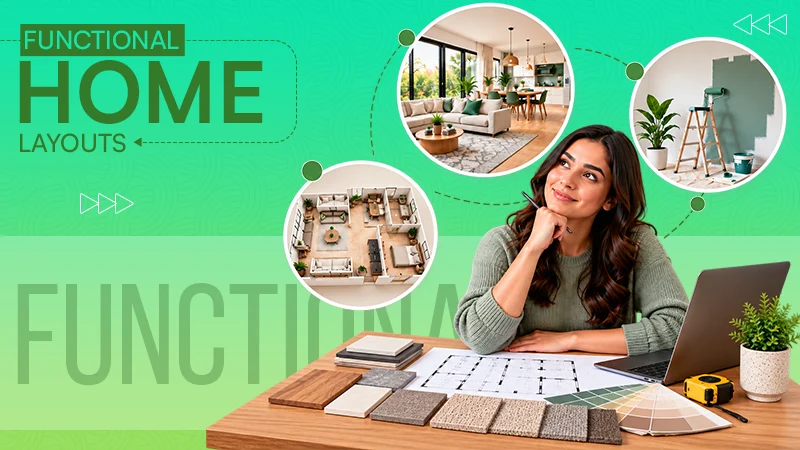

Merfez Meaning & Home Decor Style Explained
[…] in interior design, is a minimalist home decor style that incorporates natural elements to create spaces that are both efficient and organized. […]
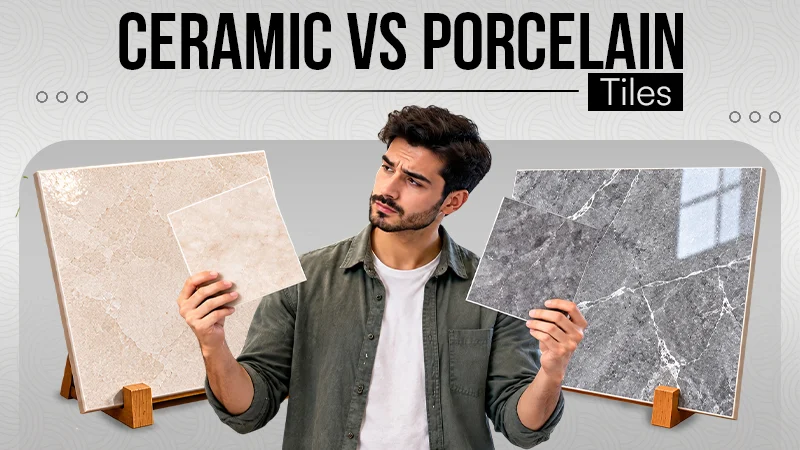
Ceramic vs Porcelain Tile: Durability and Cost Compared
[…] areas where longevity is paramount. Evaluating these factors ensures your choice aligns with your home interior design goals, providing lasting value for your improvement […]