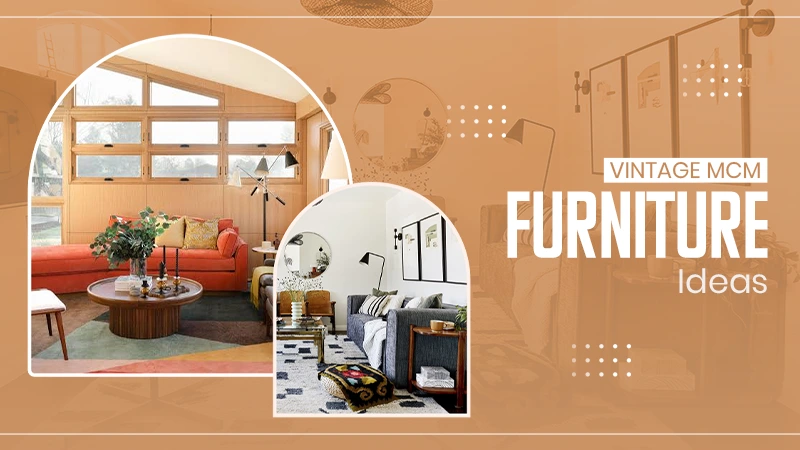
Getting lighting right can make a room feel bigger, warmer, and more useful. The trick is balancing brightness, color, and control so your lights match how you live. This guide walks you through the key choices, from bulbs and dimmers to styles that suit each space.
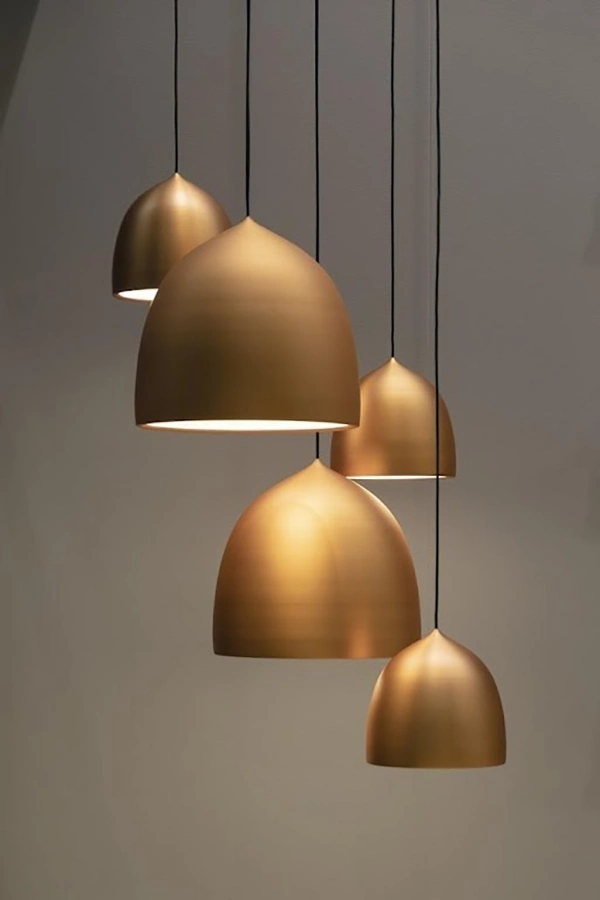
Start With Purpose And Brightness
Think about what happens in the room first. Reading calls for focused task light, cooking needs even illumination on counters, and living rooms benefit from flexible layers for relaxing or hosting. Once you know the purpose, you can size the light output and decide where it should come from.
Use multiple sources rather than one blazing fixture. A ceiling light sets the base, but floor lamps, pendants, and under-cabinet strips fill shadows and reduce eye strain. If a space does many jobs, plan for dimming or separate circuits so you can shift brightness quickly.
Smart Controls And Automation
Controls are what make light feel personal. A simple dimmer turns one good fixture into three moods, and smart switches let you group lights by activity instead of wiring. You can start with basic dimmers and timers, then explore automated indoor lighting and LED lighting battens as your needs grow, using scenes and schedules to fit daily rhythms. A morning scene can lift brightness to help you wake up, while an evening scene lowers glare and warms the tone for rest.
If you rent or prefer not to rewire, smart bulbs are a quick win. They drop into existing lamps and give you app or voice control without touching the wall box. For families, add a few physical buttons so anyone can trigger a scene without a phone.
Choose Efficient Bulbs And Save
LEDs should be your default. They run cool, last for years, and deliver the same brightness for a fraction of the power. A U.S. energy guide notes that home lighting typically makes up about 15% of electricity use and that switching to LEDs can save roughly $225 per year on bills, depending on usage. Those savings add up fast when you replace high-use bulbs in kitchens, living rooms, and exteriors.
Pick brightness by lumens, not watts. A 60-watt equivalent is around 800 lumens, while task spots can be higher. Keep a small box of spare bulbs labeled by lumen level, so replacements stay consistent throughout a room.
Use Dimmers And Scenes To Cut Waste
Dimming is about comfort and efficiency. Lowering output reduces glare and makes finishes look richer, but it also trims energy use. A peer-reviewed analysis reported that optimized dimming strategies cut lighting energy by more than 45% on average compared with always-on, non-dimming setups. Put another way, the right control strategy lets you enjoy a better mood and save power at the same time.
Create a few everyday scenes: cook, dine, relax, and clean up. Map them to a keypad or smart button so you can change the whole room with one tap.
Color Temperature And CRI Guide
Color temperature shapes mood. Warmer whites around 2700K feel cozy in bedrooms and living rooms. Neutral 3000K to 3500K is versatile for kitchens and hallways, while cooler 4000K can sharpen detail over work surfaces. Keep each open area consistent so finishes read the same from corner to corner.
Check the color rendering index, or CRI, when possible. Higher CRI helps fabrics, wood tones, and skin look natural. In spaces with art or rich materials, choose bulbs with a high CRI so colors don’t look flat.
Daylight Vs Warm
Use warm light for winding down and social time. Choose neutral to cool light for focused tasks where contrast matters. If a room does both, rely on layered fixtures and dim-to-warm bulbs to shift tone across the day.
Layer Light For Style
Think in three layers. Ambient lighting sets the overall level, task lighting targets specific work zones, and accent lighting adds drama to textures and decor. Mix these layers to keep rooms flexible and visually interesting.
Use this quick checklist when planning a room:
- Ambient: ceiling lights, large pendants, or cove lighting for base brightness.
- Task: under-cabinet strips, desk lamps, or reading sconces near where work happens.
- Accent: picture lights, toe-kicks, or wall washers to highlight depth and materials.
- Controls: dimmers or scenes to tune the balance of layers in seconds.
Sizing, Placement, And Glare
Match fixture size to room scale. Oversized pendants can crowd a low ceiling, while tiny spots get lost in tall spaces. Over tables, hang pendants low enough to feel intimate but high enough to keep sightlines clear.
Avoid hotspots by spacing downlights and aiming task lights to the side rather than straight into the eyes. Use shades, diffusers, or indirect reflectors to soften beams. In mirrors and screens, try side lighting or matte finishes to reduce reflections.
Set a simple roadmap. Tackle one room per month, keep spare parts on hand, and document bulb types and scene settings. Small, steady steps keep styles coordinated and make your home feel brighter, calmer, and more you.