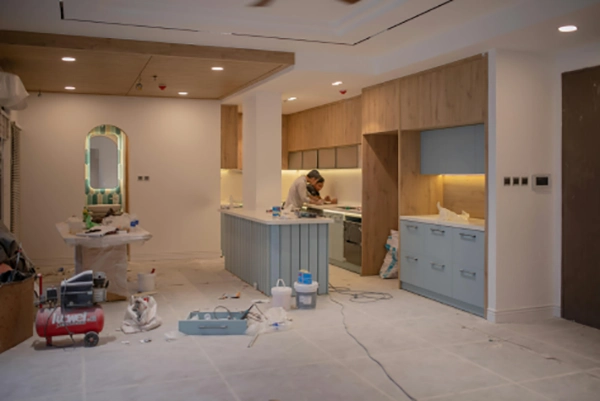
The decision to undertake a home remodel can be very rewarding. However, many homeowners only factor in those changes they can see. Many times, the areas of the home that will cause you to spend the most money are those that you cannot see.
In some cases, old electrical panels that have not been upgraded to accommodate today’s larger electrical loads, as well as things like concealed structural rot or repair issues. All of these surprises may lead to having your remodeling project delayed or even completely stopped if you do not prepare ahead of time.
So, through this guide, you will learn about the cost of remodeling, that is, costs that do not provide an aesthetic value but rather provide safety, efficiency, and long-term stability. No need to pay emergency repair premiums, and assure that your investment will be of value for many years to come, without incurring unexpected costs or stresses.
KEY TAKEAWAYS
- Outdated wiring and plumbing often require expensive, unplanned upgrades during modern home renovations.
- Hidden rot and duct leaks mid-project can significantly inflate your initial labor costs.
- Budgeting for permits and inspections is vital for a safe and legal remodel.
Aging Home Systems That Quietly Drive Up Expenses
Many homes have older systems that function well enough at first; however, the associated expenses will increase gradually over time. Repairs add up through the years, and studies on home maintenance costs show how delayed upgrades turn small inefficiencies into major financial strain for homeowners.
Electrical panels and pipes rarely get attention during remodels because they are hidden and unglamorous. The older components may not meet the needs of today’s modern systems and cause regular repairs and safety issues. In small increments, enough repairs stacked up over time before you realize they were adding more money than replacing the entire unit.
Cooling systems, such as air conditioning, represent a big financial blind spot for many owners; because older air conditioning units have longer run times each year. Still delaying replacement increases repair visits and energy waste, making the AC unit replacement cost harder to absorb when failure finally happens.
Heating, furnace, and exhaust fan type systems will have a similar gradual deterioration pattern and sudden failures. Homeowners also tend to react instead of plan, paying premium rates during emergencies when choices are limited and stress is high for most families involved.
Structural and Behind-the-Walls Repairs Homeowners Miss
For every home owner repairing the structure of their home, they will experience competing factors that are out of the owner’s control. Material pricing, supply delays, and labor shortages linked to rising renovation costs tied to tariffs can quickly inflate budgets once hidden issues surface behind walls during active projects.
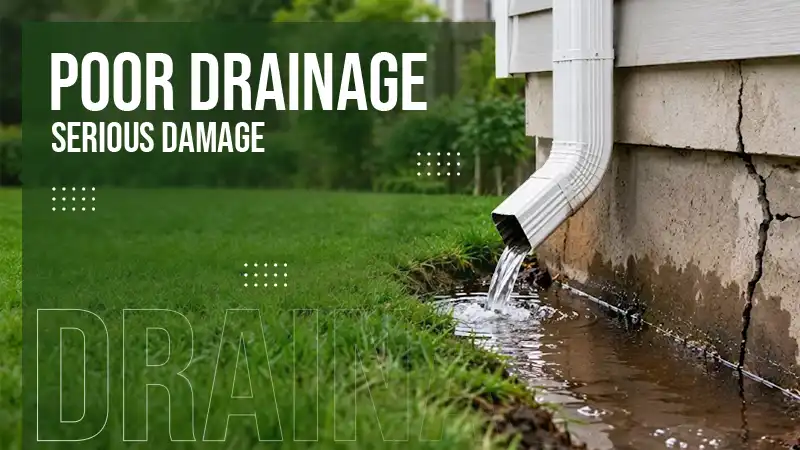
Many of these repairs never show up on inspection photos or renovation plans. Rot near windows, settling under floors, or weak supports stay unseen. On the other hand, disregarding these factors allows owners to suffer from long-term consequences of their systems, increased energy losses, and much more expensive repair costs later.
Think about conditions, such as cracks and loose joints or missing insulation, that contribute to decreased efficiency compared to other conditions, for example, moisture intrusion and drafts. Such conditions may not show themselves for some time until it is too late and financial pressures are mounting.
Fixing them after finishes go in often means tearing work back out again unexpectedly.
Surprises, consisting of construction defects and mistakes, typically occur during a mid-project phase when a construction budget is insufficient to absorb expenses.
The contractor has to stop working, make another plan, and get approval for more money. In the meantime, homeowners must decide fast, either repair properly now or risk bigger failures later that disrupt daily life.
Planning for Renovation Costs That Do Not Add Visual Value
Many renovation costs protect how a home works, not how it looks. Permits, inspections, and code upgrades rarely excite anyone. If you’re planning a shared building upgrade—like a condo association roof or plumbing project—budgeting is similar, just on a larger scale. Some boards use community project financing to avoid rushed decisions when surprises appear. Knowing how to plan for home improvements and renovations reduces stress and helps home owners avoid costly delays, fines, and rushed decisions about the final design and construction when money and time become tight.
Labor-related expenses also surprise people, especially when older homes need specialists. Electricians, plumbers, or inspectors cost more than general work. To ensure your projects are safe and comply with current codes, there are no visible rewards when the reconstructed building occurs after the construction phase of a project.
Budgeting only for finishes creates false confidence at the start. Money disappears quickly once invisible needs appear. As a result of these processes, home owners have the advantage of being able to budget their home improvement projects without stress.
These expenses rarely boost resale photos or impress visitors. They support comfort, safety, and stability over time. While it feels easier to postpone them, planning ahead reduces stress and keeps renovations moving forward without sudden pauses or financial panic later.
Endnote
Home renovations feel exciting, but the actual cost often lives beyond what you see. Tools focused on designing homes with AI can help homeowners think ahead, spot priorities early, and plan structure, systems, and non-visual needs before stress and surprises take over later. This way, renovation plans surprises shrink, stay steady, and homes end up more comfortable, safer, and ready to support everyday life long-term.
FAQ
What does a contingency fund mean?
A contingency fund is surplus cash set aside for any unforeseen repair issues that come up while you are renovating your property.
What makes permits so costly?
The permit fee covers the expense for the professional inspector who will ensure that your home is kept in a safe environment during the renovation process.
Will hidden repairs enhance my home’s value?
Yes, the systems and structural integrity must be up-to-date to maximize the resale value of your property in the future.
Should old pipes be replaced?
If you replace these pipes while the walls are still torn open, you will save thousands of dollars in repairing the leaks when they eventually develop.