


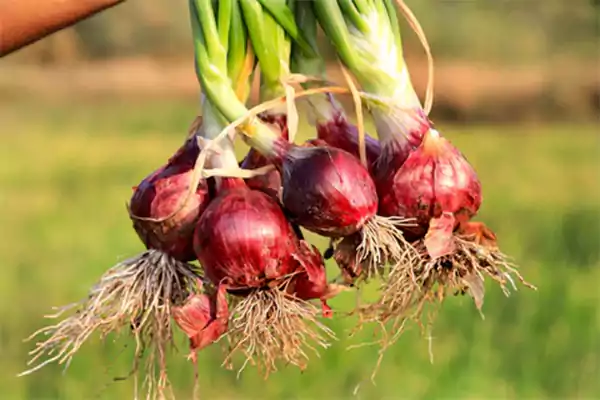
When I began my home gardening journey, learning how to grow onions felt just as exciting as knowing how to grow potatoes in a container. Initially, I thought that shallots (mini onions) could be grown in my balcony garden, but they typically prefer growing outdoors.
Botanically called Allium cepa, the onion is a widely cultivated crop. With antioxidant properties, homegrown onions offer many culinary and practical benefits.
From its various types and care guides to common mistakes to avoid and expert-backed research, this immersive blog highlights everything. Let’s peel back the layers and spice up your culinary adventures!
Why I Chose to Grow Onions at Home? What are the Benefits?
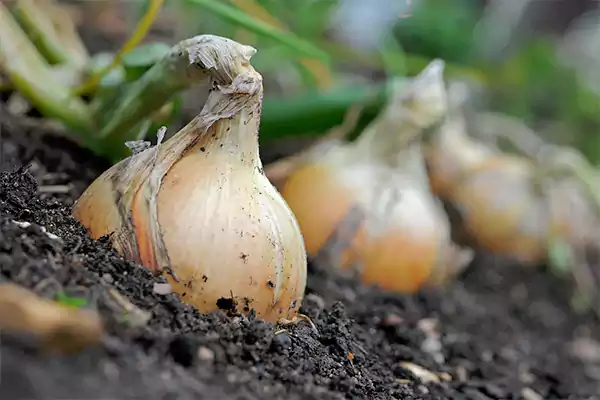
Though growing onions at home is a small decision, it comes with surprising rewards. I chose to grow this vegetable crop not just for convenience, but for better taste, health benefits, and the satisfaction of harvesting something I use almost every day in my kitchen.
Here are a few reasons why I chose to grow onions at home:
- Everyday Kitchen Essential: Knowing how to plant and grow onions at home is important, as they are one of the everyday utility crops. Growing them at home ensures a steady supply of fresh herbs.
- Freshness at its Peak: Homegrown onions boast a stronger aroma and richer flavor than their store-bought counterparts.
- Easy to Grow: Onions need minimal space and care, making them perfect for beginners to grow in their home garden.
- Cost-Effective: Even growing a small patch of this crop can save you money over time, especially with rising vegetable prices.
- Control Over Quality: Your products are free from chemical or artificial ripening agents, ensuring clean and natural produce.
One of the main reasons to learn how to grow an onion plant is that homegrown onions retain more nutrients and antioxidants. With personal attention and proper care, the shelf life of the crop is longer than the ones bought from a supermarket.
Understanding Different Types of Onions (Spring, Red, White, Yellow, Pearl)
Onions come in different varieties, and understanding their differences makes it easier to choose the right type for cooking or home gardening. From mild spring onions to bold yellow bulbs, I love how each type has its own flavor, use, and growing purpose.
Spring Onions
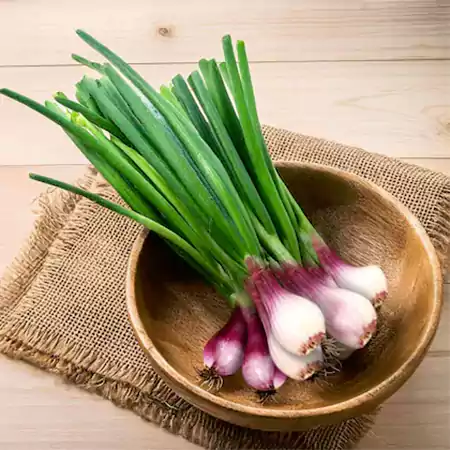
Typically known as Green Onion or Scallion, this variety is generally harvested before the bulbs fully develop, making the green stalks edible and flavorful.
Both the green top and the white base are edible and best used in salads, stir-fries, soups, or for garnishing. It is a fast-growing onion variety and is ideal for growing in small spaces.
Red Onions
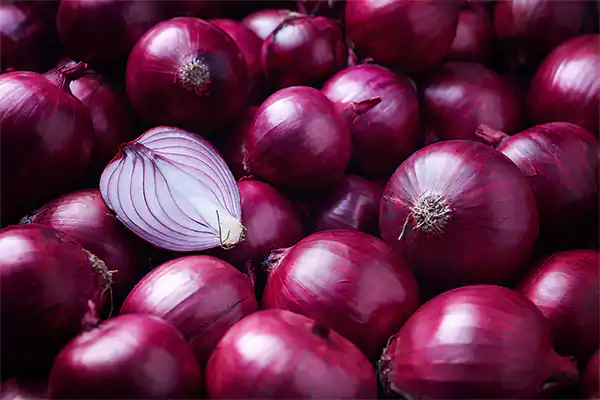
Also known as Purple Onion, this variety is known for its vibrant purple-red skin and crisp texture. Its mild to moderately sharp flavor makes it ideal to be used raw in salads or sandwiches, or to make pickles.
Once I peel and chop a red onion, I usually dip it in cold water for a few minutes to soften its taste. These are widely grown in home gardens because of the antioxidants and nutritional benefits they hold.
White Onions
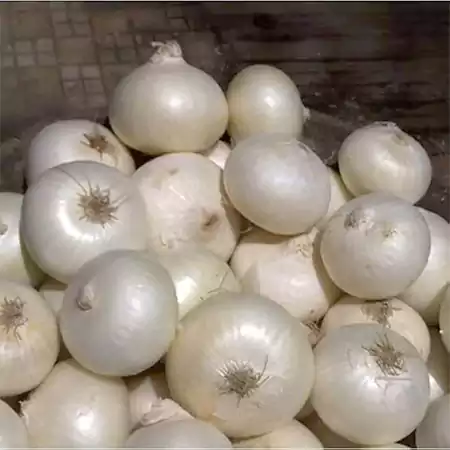
White onions are known for their low sulfur content and are named after the color of their skin and inner flesh. These are mostly eaten raw and are one of the staple ingredients of Latin American recipes because of the nutritional benefits they hold.
Rich in vitamin C, fiber, potassium, calcium, and flavonoids, white onions are very effective in supporting gut health. These can be easily stored in a cool, dark, dry, and well-ventilated place for 1–2 months.
Yellow Onions
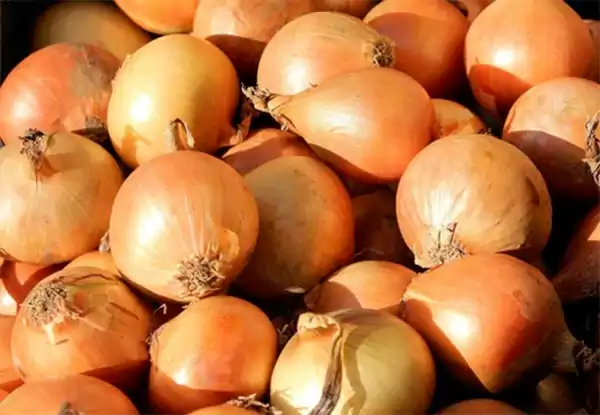
The yellow onion is often known as a versatile vegetable crop best used because of its pungent and sharp taste, which, when cooked, provides a sweet and nutty flavor.
It is alternatively also called a Spanish onion and usually has a thin, brownish, paper-like skin cover. These are used in various cuisines and are best caramelized to make thick sauces or dips.
Pearl Onions
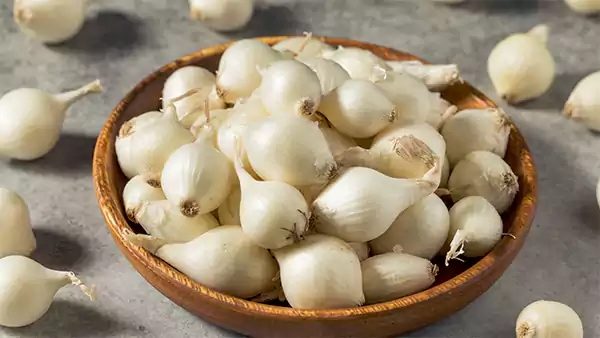
Pearl onions are small, round onions that have a sweet and mild flavor. They are often used in recipes for soups, stews, or as a garnish. These tiny onions are perfect for roasting or pickling, adding a pop of flavor to dishes.
Additionally, pearl onions are often confused with shallots because of their similarity in size. One of the most famous dishes made using this crop is pickled pearl onions.
How to Grow Onions? Different Methods That I Used
Onions are an easy-to-grow vegetable and can be cultivated in different ways depending on the time, space, and resources available. Whether you are a home gardener or a beginner, knowing how to plant onions can help you choose the right ones as per your needs.
| Different Methods | Description |
| Growing Onions From Seeds |
|
| Growing Onions From Seedlings |
|
| Growing Onions From Sets |
|
This vegetable crop can also be grown in containers, pots, or grow bags. If you are a beginner, I would advise you to choose varieties that are suitable for growing in the zone you are living in.
Ideal Growing Conditions Needed While Planting Onion Seeds
Below, I have mentioned the ideal growing conditions needed while planting onion seeds. To witness well-developed bulbs and a healthy yield, it is beneficial to follow this care guide.
- Sunlight: Full sun exposure is needed for full bulb development. The plant can also thrive in partial shade, but a minimum of 6-7 hours of direct sunlight is required.
- Temperature: I ensure to sow the seeds when the weather is mild. For vegetative growth, the ideal temperature range is 13-24 °C, and 16-25 °C is the perfect range for bulb growth.
- Watering: Moderate watering is needed for the onion plant to flourish. Make sure that the soil is consistently moist when you sow the seeds. Adjust the frequency of watering if the leaves look droopy.
- Soil Conditions: The ideal pH range of the soil is 6.0-7.0. Slightly acidic to neutral soil promotes better nutrient absorption. Before sowing the seeds, I usually plow or dig the soil deeply and mix well-decomposed manure or compost with it for optimal development of the plant.
- Sowing Depth and Spacing: It is typically preferred to sow the seeds 1-1.5 cm deep. Maintain the rows 10-15 cm apart if planting the seeds in the nursery bed. I often avoid deep sowing as it can delay germination.
By ensuring the right temperature, well-draining soil, adequate sunlight, and proper moisture, onion seeds can germinate and grow into healthy seedlings. It is crucial to pay attention to these details to set the foundation for a successful onion harvest.
Common Pests and Diseases Affecting the Onion Plant Health
Onion plants are commonly affected by pests and diseases such as thrips, aphids, spider mites, and powdery mildew, which can harm the health of the bulb and cause the leaves to yellow.
While on my quest to understand more about this genus, I came across several forums where many gardeners reported issues regarding pests and fungal infection on onions, affecting the overall health of the genus.
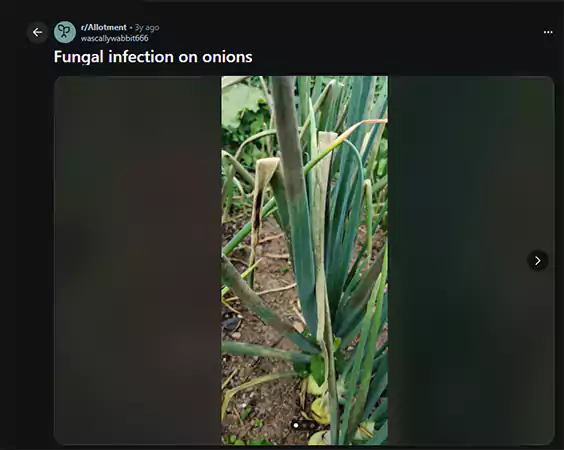
Allow me to quickly share my views on different pests that can ruin your plant, along with some solutions that worked for me.
| Pest/Disease | Image | Description |
| Onion Thrips | 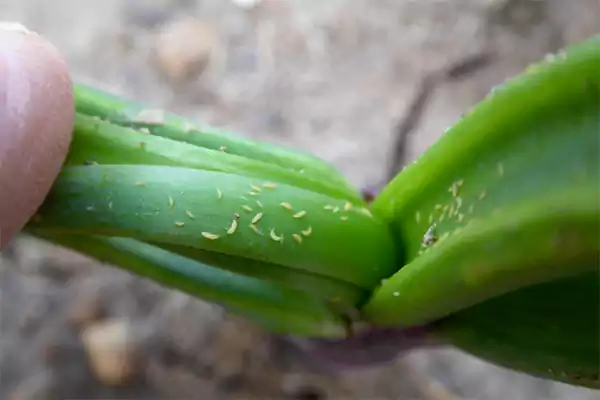 | Thrips generally spread like a virus and cause yellowing of the leaves. Solution: Adjust the frequency of watering, use weed control chemicals, and ensure proper air circulation. |
| Onion Maggots | 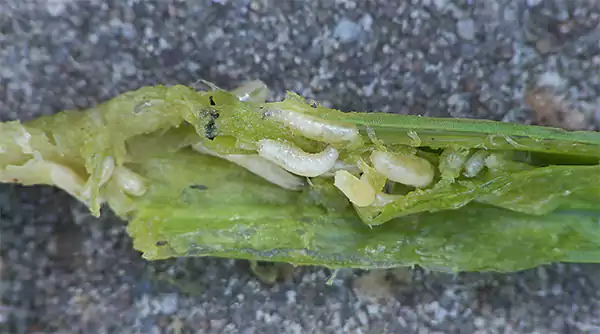 | These are tiny, worm-like insects that feed on the bulb of the onion plant under the ground. Solution: Crop rotation and maintaining proper hygiene are the best methods to treat maggots. Avoid heavy mulching to prevent the breeding of these insects. |
| Onion Yellow Dwarf Virus | 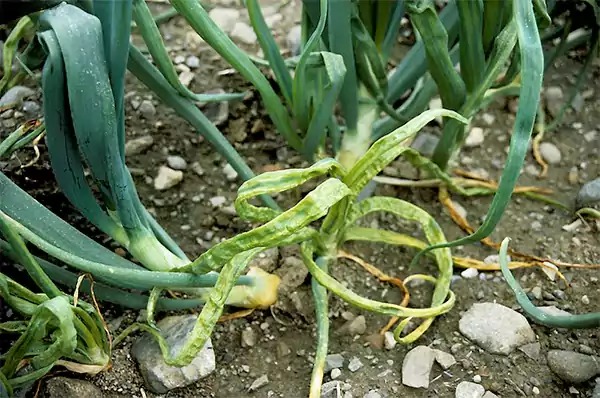 | This is the most common virus that affects the overall growth of the plant. It caused stunted growth and crinkling of the leaves. Solution: Remove and isolate the affected plant to prevent it from spreading. Consider spraying insecticide on the plants near the affected ones for safety. |
| Downy Mildew | 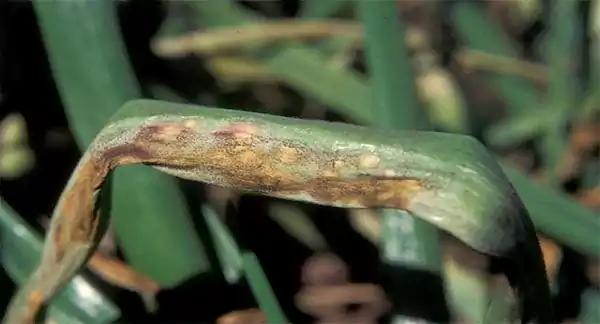 | Downy mildew is a destructive onion disease, generally caused by overwatering or over-fertilizing the plant. It turns the green leaves into gray-purple. Solution: Good air circulation and proper spacing are the best solutions to prevent this disease. Be sure to use disease-free seeds while planting onions. |
| Slugs, Snails, and Nematodes | 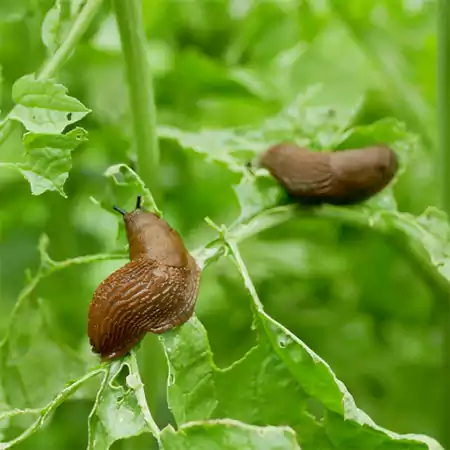 | These are tiny worms that are usually found on the bottom surface of the leaves. Causing stunted growth and holes in the foliage. Solution: I usually remove them manually. You can also use horticultural oils on the leaves to prevent this pest infestation. |
Onions themselves are known as one of the best tomato companion plants. Their pungent smell itself deters many pests and other harmful insects, but good companion plants for onions include spinach, any vegetable from the cabbage family like Brussels sprouts plants, and strawberries.
General Mistakes I Avoid While Growing an Onion Plant
Growing onions successfully requires avoiding common mistakes that can affect bulb size, health, and yield. Below are some key mistakes that I avoid for better plant growth.
- Planting in poorly drained or compacted soil types.
- Overwatering leads to bulb rot and fungal diseases.
- Using fresh manure instead of well-decomposed compost.
- Planting too deeply, causing delayed bulb formation.
- Ignoring proper spacing between the plants.
- Not knowing when to plant onions and sowing seeds in low sunlight areas.
- Delaying weed control during early growth stages.
- Applying excess nitrogen during bulb development.
- Not analyzing the latitude zone you live in and planting the wrong onion types.
- Planting transplants too deeply and too close together. This will not give the leaves enough space to stand up straight.
Avoiding these common mistakes helps onion plants grow stronger, form healthy bulbs, and produce higher yields with fewer diseases.
Post-Harvest Care: My Personal Observation
Post-harvest care plays a crucial role in extending onion shelf life and maintaining the bulb quality. Based on hands-on experience, these are some of my personal observations.
- It is mandatory to harvest at the right time. The tops (leaves) of the mature onions turn yellow, wither, and fall over, indicating their shift towards dormancy.
- Stop watering and avoid irrigation at least 1–2 weeks before the planned harvest, allowing the outer skin of the crop to tighten and dry up to avoid rotting in the future.
- I always make sure to use a garden fork to gently loosen the soil around the bulbs before pulling them out to avoid damaging them. Do not chop off the green leaves immediately.
- Proper curing is essential to increase the shelf life of the crop. Lay the harvested onion in a single layer in a dry, warm, and well-ventilated area. Ensure good air circulation and avoid direct sunlight for a period of 2–3 weeks.
- Once properly cured, the tops or leaves of the plant can be trimmed about 1–2 inches above the bulb. It is not completely necessary to chop them off, but be sure to remove any damaged or wilting parts.
Careful curing, handling, and storage after harvest significantly improve onion quality and storage life, making post-harvest care just as important as proper growing practices.
Amazing Health Benefits of Onions—Your Nutrient-Dense Vegetable
One of the primary reasons I was eager to learn how do onions grow was because of the numerous benefits that this vegetable offers. Belonging to the Allium genus of flowering plants, it is not only a relatively cheaper crop but also quite versatile.
Being nutrient-dense, onions boast a wide range of vitamins and minerals. I have mentioned some remarkable benefits of the vegetable below so that you can also get excited before entering into this rewarding gardening journey.
- Onion shallots contain quercetin, an antioxidant and anti-inflammatory compound that helps in reducing high blood pressure problems.
- Fisetin and quercetin together help the body in limiting tumor growth. Onion is also said to have anticancer properties, though no credible resource has confirmed it.
- The prebiotic fibres in onions are said to be beneficial for gut health, aiding digestion, preventing constipation, and reducing inflammation.
- A 2024 study also states that consuming raw onions can boost antioxidant levels in the body, decrease bone loss, and prevent diseases like osteoporosis.
The bottom line is that onions are nutrient-packed vegetables and offer potential health benefits. It truly excites me every time I see a healthy harvest in the garden area.
Research and Findings
This section highlights key research insights and findings related to onion cultivation that I found are important to go through to understand its growth cycle and yield factors.
Research Summary Box 1
Study Year: 2019
Source: https://pmc.ncbi.nlm.nih.gov/articles/PMC6406961/
Title of the Research Paper: Testosterone in Males as Enhanced by Onion (Allium cepa L.)
Aim of the Research: To review and summarize existing scientific research on the effects of onion consumption on testosterone levels in males.
Key Findings:Consumption of onion or onion extracts increases the production of luteinizing hormone, which stimulates testosterone synthesis.
Note: Clinical trials in humans are still needed to confirm these effects.
Research Summary Box 2
Study Year: 2020
Source: https://pmc.ncbi.nlm.nih.gov/articles/PMC7430960/
Title of the Research Paper: Effects of Onion on Plasma Lipid Profile and Fasting Blood Glucose Level in Diabetic Rats.
Aim of the Research: The research aims to understand the effects of Onion (Allium cepa L.) consumption on blood glucose (hyperglycaemia) and blood lipid levels (dyslipidemia) in diabetic rats, and to determine how different heat treatments applied to the onion influence these effects.
Key Findings: Rats fed dried onion powder showed a significant reduction in fasting blood glucose levels over time. The entire group had lower triglycerides and higher HDL.
Note: Animal studies help understand the biological mechanisms, but the outcomes are not entirely guaranteed.
These research-based observations help bridge scientific knowledge with real-world onion farming practices.
Conclusion: Planting Onions Was Never This Easy
Over the period of time, I have realized that learning how to grow onions is all about mastering soil preparation, harvesting at the right time, and being patient. By following a basic care guide and understanding the needs of the plant, one can enjoy fresh, flavorful onions straight from their garden.
From choosing the appropriate variety to harvesting at the correct time, I can see why many garden enthusiasts call this a rewarding journey.
FAQs
Can you grow onions from an onion?
Yes, one can grow onions from an onion. You simply need to place the root end of a store-bought onion in water for some time and allow it to sprout.
How long does it take for an onion to fully grow?
It takes about 90–100 days for an onion plant to bloom fully and produce onions.
Which is the best month to plant onions?
The best month to plant onions mainly depends on the zone you are living in and the variety to plan to grow. For cooler regions, the ideal time period is from March to April, while for warmer regions, September to November is perfect.
What is the botanical name of the Onion, and which plant family does it belong to?
The botanical/binomial name for the onion is Allium, and it belongs to the Amaryllidaceous (Amaryllis) family.
- How to grow onions — BBC Gardeners’ World Magazine
- Growing Onions in a Home Garden — University of Maryland research paper
- How to Grow Onions: Complete Guide to Plant and Harvest— Planet Natural




30 Best Winter Garden Plants: Vegetables, Flowers & Evergreens
[…] Asia and grow well in cool climates, making them suitable for winter gardens. If you are wondering how to grow onions, plant them in fertile, well-drained soil with plenty of sun exposure and consistent moisture. This […]