“Your home’s exterior is the cover of your book. If it doesn’t look good, buyers won’t bother reading the chapters inside.”
Imagine walking into a home and feeling an immediate ‘wow’ factor. It is not just about fresh paint; it is about a calculated transformation. As we navigate the 2026 housing market, the stakes are quite higher than ever for homeowners.
You should not rely on only market trends to increase the value of the property. Strategic renovation is a major tool that can help you build equity. This year, the focus has shifted from luxury additions to adding things that improve efficiency, security, and the visual appeal of the property immediately.
In this guide, we will explore the most essential changes that will ensure that your home stands out and you can make it both a haven and a powerful financial asset.
Key Takeaways
- Why Strategic Home Improvements Matter for Resale Value
- Key Factors Buyers Look for in Modern Homes
- Exterior Upgrades That Boost First Impressions
- Interior Improvements That Add Real Value
- Energy-Efficient and Smart Home Upgrades
- Space Optimization and Storage Improvements
- Final Thoughts
- Frequently Asked Question
Why Strategic Home Improvements Matter for Resale Value
When you decide to upgrade your living space, you aren’t just buying new fixtures; you are investing in equity. Strategic improvements act as a financial buffer against market volatility.
In a world where global mobility is rising, some homeowners even look toward a Greece investment visaas a secondary benefit of managing high-value international assets. However, for most of us, the goal is closer to home: ensuring our primary residence stands out in a crowded listing feed.
The strategic updates can create an appearance of excellence that extends beyond their visual appeal. The updates signal to the buyers that your home has been properly maintained. Strong property decisions require financial balance because it ensures that you are not improving your home excessively while also allowing you to attract premium buyers.
Your work with high-ROI projects will create value because every dollar you spend will increase your final closing price. The process of selecting the right upgrades needs a careful balance between personal preference and market demands.
Key Factors Buyers Look for in Modern Homes
Today’s buyers are more informed and analytical than previous generations. They are not just looking at the number of bedrooms; they are looking at long-term costs. A well-executed renovation ensures property choices support daily living, which is exactly what a 2026 buyer prioritizes.
They want homes that are ‘turn-key’, which are ready for them to move in without a massive to-do list. Have a look at what major key trends include:
- Low Maintenance: Materials like composite decking or vinyl siding that don’t need annual staining or painting.
- Health & Wellness: Non-toxic materials, improved ventilation, and spaces that promote mental well-being.
- Safety & Security: High-quality doors and integrated smart security systems keep your property safe and secure.
- Financial Transparency: Buyers love to see lower utility costs, and the costs can be lower because of energy-efficient upgrades.
Fun Fact: The color of your front door impacts your sale price. In some places, black or charcoal gray doors sell for thousands more!
Exterior Upgrades That Boost First Impressions
You never get a second chance to make a first impression. In 2026, the exterior of your home is the most powerful marketing tool. According to recent data, exterior replacements held nearly 18% of the total home improvement market share.
Steel Entry Door
Replacing a dated wood door with a sleek steel version boosts security and energy efficiency simultaneously.
Garage Door Replacement
This remains the undisputed king of ROI, often returning over 200% of its cost. A modern, insulated garage door changes the entire face of your home.
Manufactured Stone Veneer
Adding stone accents to the lower exterior or entryway adds a custom-built feel without the structural cost of real stone.
Fresh Exterior Paint or Power Washing
Never underestimate the power of a clean slate. A professional power wash can make a 10-year-old siding job look brand new.
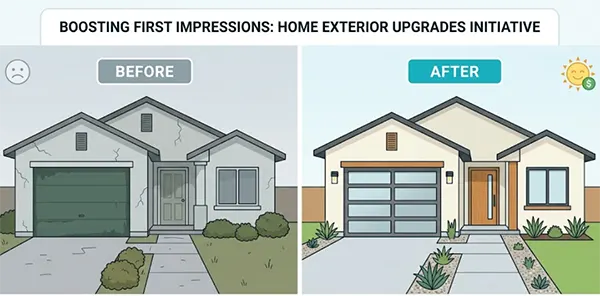
This simple visual shows how just a few targeted changes can completely transform your home’s personality and market appeal.
Interior Improvements That Add Real Value
Once the exterior has lured them in, the interior must seal the deal. Focus on the heart of the home and the sanctuaries.
Minor Kitchen Remodel
Do not just do the whole room. Focus on cabinet refacing, new hardware, and quartz countertops. This generally recovers about 96-113% of the cost.
Bathroom Facelift
Update the vanity, swap out old faucets for matte black or brushed nickel fixtures, and consider a walk-in shower.
Hardware Floor Refinishing
If you have the original hardwoods, refinish them. The ROI is incredibly high (up to 147%) compared to installing new carpet.
Neutral Repainting
A fresh coat of ‘Greige’ of soft white makes rooms feel larger and cleaner, so you can try neutral colors like this.
Lighting Modernization
Replace the old ‘boob lights’ with recessed LED lighting or statement pendants to instantly modernize the vibe.
For those who are looking into real estate or international property management, consulting experts like Mercan.com can provide insights into how high-end finishes affect global property values.
Did You Know?
As per some studies, a professionally designed yard can increase a home’s overall value by 5% or 10%.
Energy-Efficient and Smart Home Upgrades
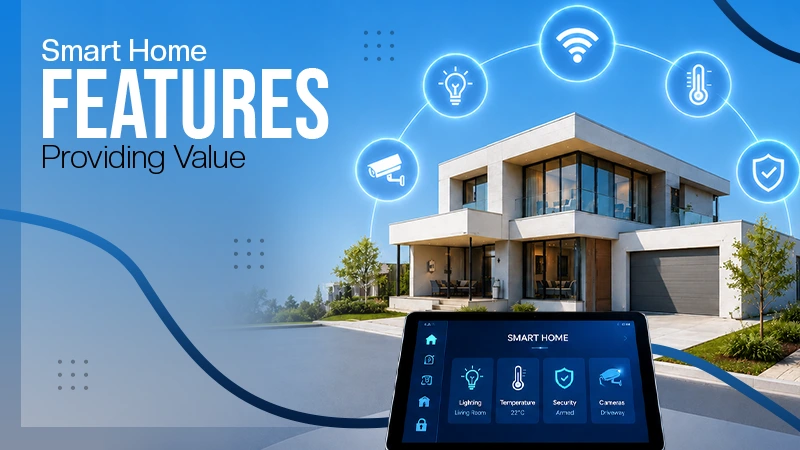
In 2026, a smart home is no longer a luxury; it is a standard expectation. Buyers want to control their environment from their smartphones.
Smart Thermostats
These can reduce heating and cooling bills by up to 30%, a major selling point in a cost-conscious market.
Modern versions allow you to adjust temperatures from anywhere via smartphone apps, and they even learn your habits to optimize energy use automatically. This tech-forward approach appeals greatly to younger, eco-conscious buyers looking for efficiency.
High-efficiency Windows
Replacing drafty, single-pane windows with Energy Star-rated vinyl windows is a green upgrade that pays for itself in comfort and resale value.
Beyond just saving on utility bills, these windows significantly dampen outside noise and protect your furniture from UV fading. They offer a sleek and updated look that tells the buyers that the home is well-insulated and modern.
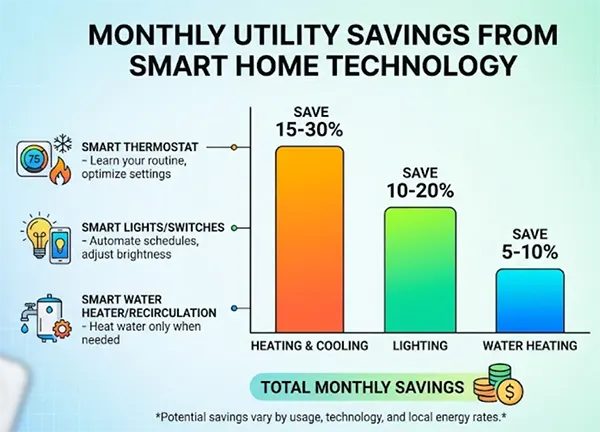
These simple tech upgrades don’t just reduce your carbon footprint; they provide immediate, monthly relief to your household budget.
Space Optimization and Storage Improvements
Clutter is the enemy of a sale. Buyers need to see themselves living in your space, not see your stuff.
Smart Storage Systems
Clutter makes a house feel small and messy, which is exactly what a buyer wants to avoid. By adding simple, built-in shelving to your main closet or the kitchen pantry, you create a sense of calm and order.
This will instantly make your home feel more spacious and organized for anyone walking through.
Finishing Hidden Spaces
You can find extra room by fixing up your attic or basement. Instead of leaving these areas as dark storage zones, you can turn them into a bright home office or a workout spot.
This adds more livable square footage to your property without the massive cost of building a new room from scratch.
At the end of the day, making your home better isn’t just about the money!
Final Thoughts
When you look at your home, do not just see a list of chores. See it as a place that grows with you. Whether you are staying for another ten years or looking to sell next month, these changes make life a bit easier and more comfortable.
We all want a home that feels like ours, a home that feels safe, bright, and efficient. So, you need to begin small. Maybe it is just a new front door or some better lights in the kitchen. Those little wins add up, and when it is finally the time to pass the keys to someone else, you will be glad that you took the time to do it right.
It is about creating a space that reflects your pride and provides peace of mind every single day. Even if you are not ready for a massive overhaul, remember that consistency beats intensity. Each small upgrade is a building block towards a more valuable, modern, and investment home for years to come.
Ques: Do smart home features actually add value to your property?
Ans: Yes, it does! Not just the monetary value, it also increases the sales velocity, which means your home is likely to sell faster than homes without them.
Ques: Which home improvement has the highest ROI in 2026?
Ans: Right now, garage door replacements are leading the market with an ROI that often exceeds 200%.
Ques: Should I install a pool to increase the value of my home?
Ans: No! Pools often have a low ROI, which is under 10%, and they can actually make the buyer hesitant because of maintenance concerns.