


English Lavender sounds expensive and classy, right? Well, it actually is. Known for its sumptuous aroma, this spring flower seems as if it carries history in its scent. Long before it became predominant in balcony gardens and skincare shelves, it was intrinsic in ancient civilizations.
Originating from the Latin word “lavare”, which means “to wash”, this aromatic plant became quintessential in the ordinary lives of the people, mainstreamed for its medicinal properties, culinary application, and used in everyday courses of things.
My introduction to English Lavender happened with a refreshing and ice-cold lavender sparkling lemonade infused with a perfect citrusy and tropical aroma. Since then, I’ve been growing them in my garden. This is my sweet little escape from the scorching heat during summer.
Follow along, and I will tell you how I grow this beautiful plant at my home, care tips and many more insights for your perfect gardening experience.
English Lavender: Overview and Taxonomic Specification
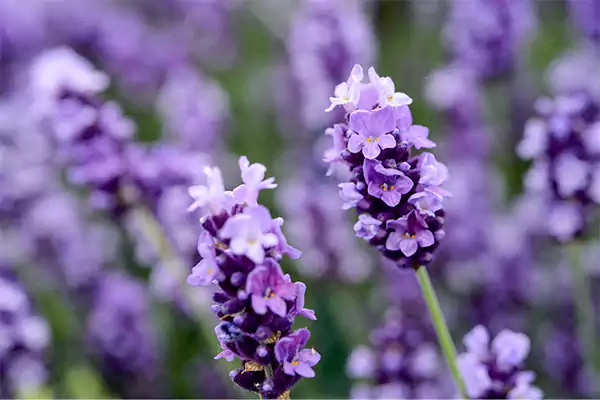
Known for its delicate, floral, and exotic citrusy fragrance, English Lavender is a bushy evergreen shrub with its tapering leaves, and tall spikes of dense, fragrant, usually purple flowers. It is also found in vibrant pinks, blues, and whites in some cultivars.
An extremely versatile herb, this cultivar serves various purposes, from aromatherapy and wellness to skin and hair care, and most notably for its culinary leverage—shortbreads, cakes, and ice creams. It truly has an ornamental appeal in the garden.
Here are some taxonomic specifications, which you must know before starting your planting journey:
| Scientific Name | Lavandula angustifolia |
| Kingdom | Plantae |
| Division | Magnoliophyta (Flowering plants) |
| Class | Magnoliopsida (Dicotyledons) |
| Order | Lamiales |
| Genus | Lavandula (Lavender) |
| Family | Lamiaceae (Mint family) |
Recommended Product
View all products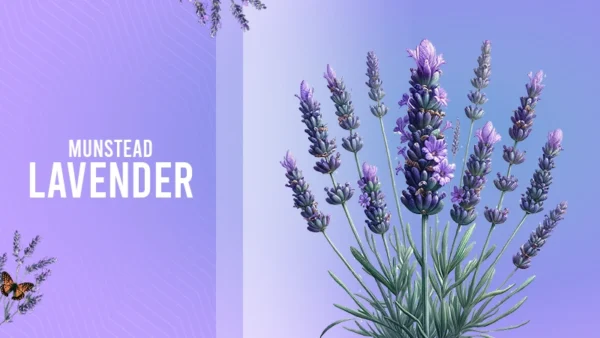
Common Name English lavender Maintenance Low Native Region Mediterranean Average Height 1–2 feet Plant Type Evergreen perennial sub-shrub/herb Average Width 1–2.5 feet Munstead lavender, botanically known as Lavandula angustifolia 'Munstead’ lavender, is an evergreen perennial sub-shrub. It is highly famous among gardeners for its stunning visuals and culinary uses, such as desserts, syrups, and teas. On top of that, its leaves and blooms emit a really sweet and classic scent that uplifts the vibe of gardens and homes. Key Features and Benefits of Munstead Lavender Typically reaches the height and width of 12-18 inches, making it best for small spaces, border edging, mass planting, and containers. Though excess nutrients are not needed, if the soil is poor, use slow-release fertilisers in early springs for enhanced growth. Lavender plants Munstead have a fibrous root structure, consisting of many thin and spreading roots that help in improved nutrient absorption. Once established, it typically blooms from late spring to early summer, and it has the potential to thrive even in dry spells requiring minimal watering. Care Guide, Advantages, and Disadvantages of Jane Magnolia Growing Zone : USDA 5-9 Light Exposure : 6 to 8 hours of direct sunlight is crucial for vigorous bloom production and reducing the risks of diseases. Water Needs : Consistent moisture is needed in young plants. Once it gets established, it is very drought-tolerant. Soil Type : It demands excellent draining soil, preferably loamy, sandy, and clayey with neutral to slightly alkaline pH. Advantages The versatile herb is used for crafting due to its high essential oil content, including floral arrangements, potpourri, and sachets. Thanks to the intense scent, it discourages pests. Furthermore, the texture and flavour are unappealing to rabbits and deer. Shrub contains essential oils that are used in aromatherapy to support relaxation and improve sleep quality and soothe headaches. Due to the fragrant lavender-blue blooms, the shrub acts as a magnet for bees, butterflies, and other pollinators, enhancing the biodiversity of the garden. Disadvantages Susceptible to root rot, struggling in regions with poor drainage and high humidity. Also may not survive extreme harsh winters without protection. Without regular pruning (preferably twice a year), the shrub will lose its attractive shape and become woody and scruffy. While considered safe for humans, the shrub contains compounds that can be toxic to dogs, cats, and horses if ingested in large quantities. Some gardeners have found that the Munstead Lavender does not hold its colour and shape as well as the other varieties in dry conditions, sometimes turning brown.
Ideal Growing Conditions for English Lavender
Lavandula Angustifolia, English Lavender, requires certain specific conditions for growth. Take this seasonal garden care into consideration for its flawless development, and trust me, you will have an ethereal garden, aromatized with fruity, floral, and citrusy fragrance.
| Sunlight | Full sun (6-8 hours) |
| Soil |
|
| Water | Moderate water needs. |
| Mature Size | 1-2 ft tall and 2-3ft wide |
| Hardiness zone | USDA 5-9 Hardiness Zone |
| Fertilization | No extra chemicals or fertilizers required |
| Plant Type | Perennial plant type, herbaceous, bushy shrubs |
| Blooming Period and Colour | Summer bloomer (June-August), vibrant purple, pink and white |
| Temperature | Moderate cool weather (18-24 degrees Celsius) |
| Humidity | Low humidity (20-35 degrees Celsius) |
Additional Tips and Warning:
- This plant is quite drought-tolerant. The best tip is to water them in the mornings, which allows water to evaporate and allows the soil to dry out.
- English Lavender is toxic to humans and pets when ingested.
When is the Best Time to Grow English Lavender?
This drought-tolerant plant thrives well in spring, owing to the light mist, ideal soil conditions, and abundant rainfall. But if you are planning to grow this magnificent bloom in your front lawn, I’ve prepared a complete garden care guide for you for each season with pros and cons.
Check them out and decide when you want to grow your plant:
| Season | Pros | Cons |
| Spring |
|
|
| Summer |
|
|
| Winter |
|
|
How Can I Plant English Lavender at Home?
Planting and growing Lavandula angustifolia English Lavender, is effortless. I’ve been growing them for ages, and the sweet aroma that they provide is worth everything.
Follow this guide and gain some insights as to how to grow, harvest, prune, store and propagate, all in one place.
Growing From Nursery-Started Plant (Easy and Convenient)
Essential Requirements:
- This deer-resistant flower loves well-drained, dry, and sandy soil. Add grit if your soil is heavy clay.
- Ensure that your plant is kept in a sunny area and receives adequate sunlight.
- Perfect spacing needs to be maintained. Plant them at least 18-36 inches apart for better results.
Water Requirements:
- Ensure proper irrigation in hot regions.
- It is generally rooted deep (18-24 inches). Water regularly, at least 1 gallon of water per week, until the plant is established.
- Once it’s established, reduce watering to ½ a gallon of water in two weeks.
- When it blooms, water one or two times per week.
Personal Tip:
Do not let the water accumulate in one place. Since it is drought-tolerant and does not require a lot of water after establishment. Allow the soil to dry out between watering.
Soil Requirements:
- Prepare the soil well before planting. It should be dry, rocky, and well-drained.
- Add organic matter or compost for better airflow and drainage. Avoid soggy and saturated soil.
- This plant dislikes over-fertilization. If compost was added to the soil during planting, then there is no need to add more fertilizer and chemicals. Over-fertilization can make it vulnerable to diseases.
Planting English Lavender:
- Plant them 2–3 feet apart.
- Dig a hole slightly bigger than the root ball and gently loosen the soil around it.
- Place the plant so that the top of the rootball is at the soil’s surface.
- Water regularly and thoroughly until established.
Personal Takeaway:
You can add mulch, but try to keep it away from the crown of the plant to prevent excess moisture and root rot.
Growing From Seeds
Growing this cultivar from seeds is generally not recommended, as this process is tedious and time-consuming. Seeds take longer to germinate, and it might take a lot of effort.
However, here’s a step-by-step guide on how to grow them from seeds:
Step 1: Cold Stratification:
- Begin by spreading some seeds onto a moist paper towel and packing them into a plastic bag.
- Finally, place them into the refrigerator to signal winter.
- Take them out after 5-6 weeks to signal the seeds that it’s spring.
Step 2: Planting the Seeds:
- Plant them ⅛ inches deep in seed trays or small containers filled with seed mix.
- Press them gently onto the surface. They require light, so don’t bury them too deep.

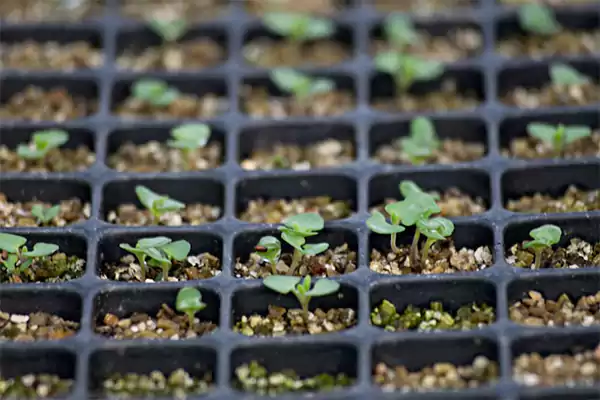
- Maintain the required temperature (18–24 degrees Celsius).
- Keep it moist or damp, but avoid waterlogging.
Important Tip:
The seeds take a long time to germinate (approximately 4-8 weeks). Be patient during this process.
Step 3: Transplanting them Outdoors:
- Most Important: Make your plants habituated to outdoor temperature and sunlight gradually by keeping them outdoors for a few hours.
- Keep them sheltered and protected. This will increase their ability to handle full sun exposure.
- When there are 4–6 leaves and the seedlings are large enough to handle, place them into individual pots.
- Ensure adequate sunlight (6-8 hours).
- Place them 30-35 cm apart for better airflow.
How Do I Harvest and Preserve English Lavender?
I love it when my plant is ready to be harvested because I’m always eager to enjoy aromatic tea and use it to decorate desserts. I’m mentioning some simple techniques to harvest them, master them, and you will have an incredible supply of this aromatic plant.
Harvesting English Lavender
The process of harvesting is simple and hassle-free, but it is important to be clear about the intent and the right time of harvesting them.
Here are a few easy and simple harvesting steps:
When to Harvest:
- My recommendation is to harvest them in the late morning after the dew has vanished but before midday sun.
- Harvest them when they are not fully opened. This stage has the most fragrance and oil.
Right Technique to Harvest:
- Take a clean and sharp tool like scissors or pruners.
- Cut the stems about 20-30 cm long. Avoid cutting the woody base.

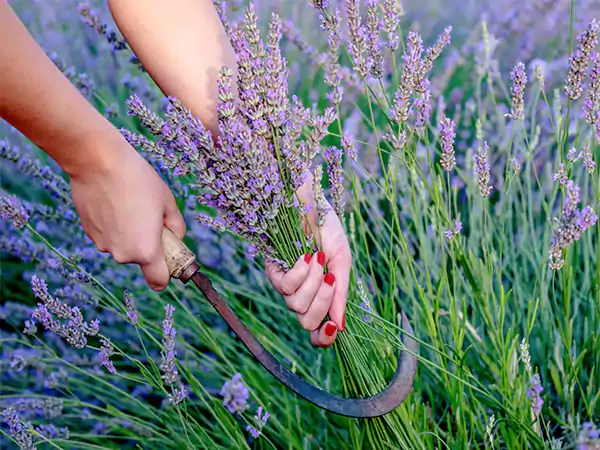
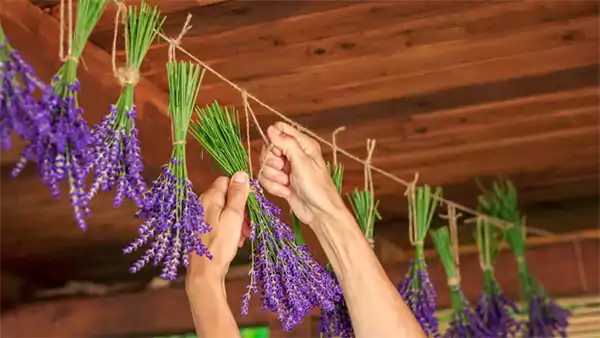
- Dry them for culinary uses and crafts by bundling them with a thread or a rubber band.
- Hang them upside down for 2–4 weeks. When the leaves and flowers are crispy, the stem will snap easily.

Know the intent of harvesting:
- For fragrance and essential oils: Harvest when they are partially open (around ½).
- For culinary uses: Plan harvesting when the flowers are fully open for better flavours and aroma.
- For decoration, dried bundles and sachets: Better to harvest when flowers are vibrant and most of them are open. Don’t use overripe flowers.
How to Preserve English Lavender After Harvesting?
Once the plant is dried after 2–4 weeks of hanging it upside down, you will notice that the buds are brittle now, and they are snapping easily when rubbed. Now it’s simple to preserve and store them.
Here are some tips to preserve and store them:
- Use a dehydrator to dry them. Place them on the dehydrator trays and dry them at low temperature (35-40 degrees Celsius).
- Keep checking them until they are completely dry.
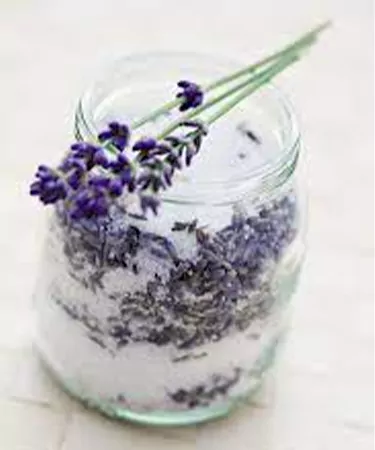
- You can store them now in an airtight container, jars and bottles. Keep them away from direct sunlight to preserve their colour and fragrance.
- You can also preserve it by preparing sugar or a syrup infused with lavender.

Learning to Propagate and Prune English Lavenders
If you are planning to plant this perennial herb, then the knowledge of propagating and pruning it is equally important. Here is everything you need to know about propagating and pruning them:
Propagating the English Lavender
There are several methods of propagating, but the method of cutting stems is most efficient and reliable. It’s a hassle-free job and can be done in a few simple steps.
Follow these simple steps, and you will be able to propagate your plant easily:
Step 1: Trimming from the Mother Plant:
- Take a sharp and sterile tool and take out the cuttings from the mother plant.
- There are two kinds of cutting:
- Hardwood – Generally used in winter when the plant isn’t blooming.
- Softwood — Grows faster than hardwood.
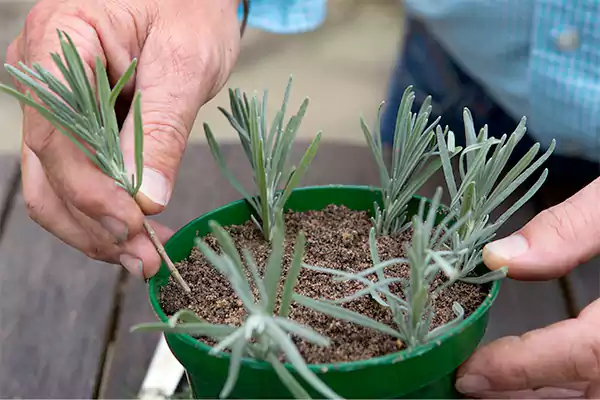
- For softwood cutting, take a healthy and non-flowering stem (ideally with a small bit of older wood) and snap off 1.5-2 inches.
- Trim the ends, remove any flower buds and trim the leaves in half.
Step 2: Planting and Rooting Hormone:
- Dipping the clipping in the rooting hormone is completely optional. Generally, it is done to speed up the growth and prevent root rot.
- Plant the cutting in a small dish or a container. Use well-drained soil.
- Dig a little hole and gently firm the soil around the stem. Avoid wiping off rooting hormones.
Step 3: Watering and Growing Environment:
- Keep your baby plant growing by providing it with adequate sunlight.
- It’s important to keep them damp but avoid waterlogging.
- Keep on checking the roots by gently tugging them; resistance means they have developed (usually after 30-40 days).
Step 4: Transplantation
Lastly, make your plants attune to sun exposure and outside temperature by regularly keeping them outside for a few hours. Once they are ready, transplant them into individual pots and voila! Your home-grown plant will thrive and strive.
Pruning the English Lavender
Pruning is quintessential to maintain a robust and healthy plant. It’s important to know the right techniques and timings to avoid harming them. These are some fairly simple and easy techniques that anybody can master.
Check out these steps and techniques:
- Identify where you make the cuts. Start pruning above the new leaf growth rather than cutting the woody part. Remove dead and damaged wood from the ends.
- Take a sharp and sterile tool and make a cut approximately 2 inches above the woody section.

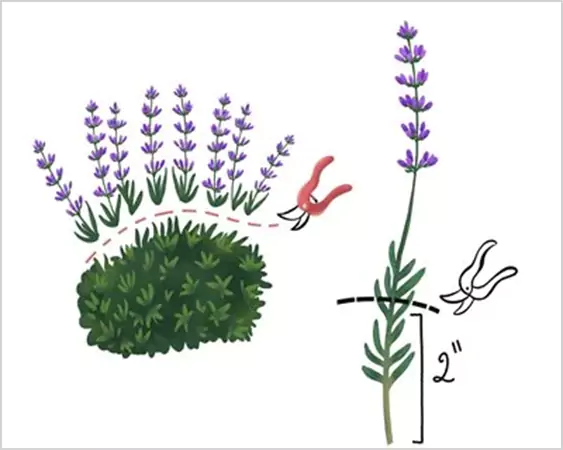
- Lastly, shape your plant in a rounded silhouette, making it look appealing and aesthetic. Prune the uneven growth and tidy it up.
Mistakes to Avoid While Pruning:
- Don’t cut the woody part, except for the dead and damaged part. There are high chances your plant won’t regrow if you cut the wooden part.
- Use a sterile tool to prune to avoid any diseases and infections.
Explore the Different Types of English Lavender
Do you know this herb has multiple varieties, ranging from Hidcote to Munstead? Follow along, and I will guide you through its various types, their benefits, and you can choose whichever suits you best.
Here’s everything you need to know:
| Type | Image | Features | Benefits |
| 1. English Lavender Hidcote | 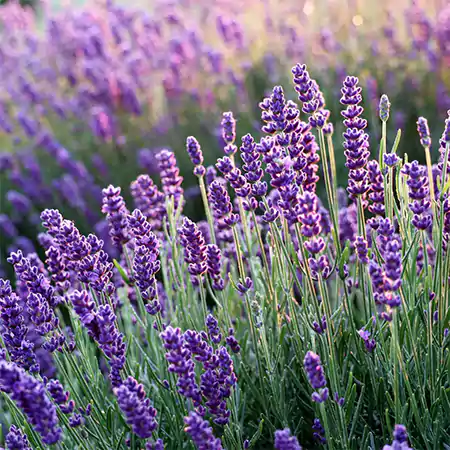 |
|
|
| 2. Little Lottie- English Lavender | 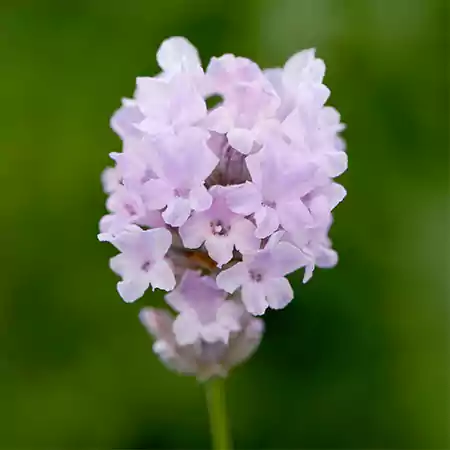 |
|
|
| 3. Lady-English Lavender | 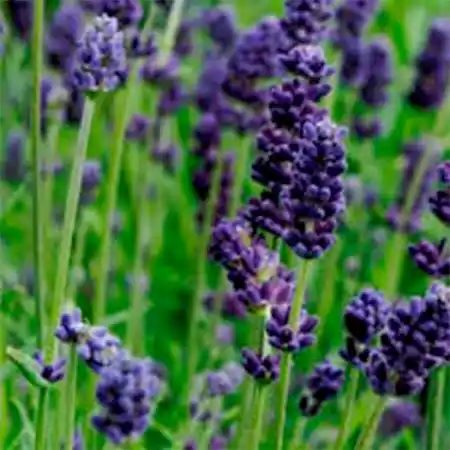 |
|
|
| 4. Lavandula Stoechas (Spanish Lavender) | 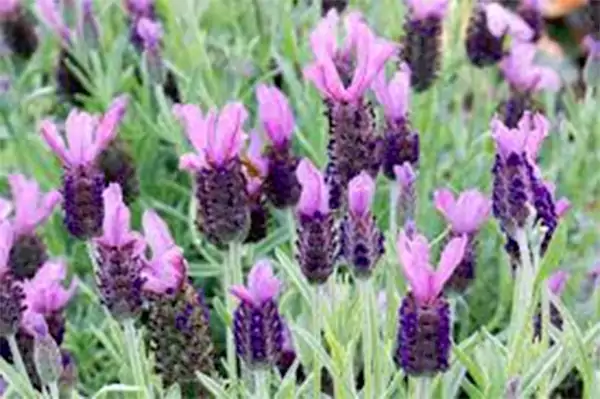 |
|
|
Learn the Difference: French Lavender Vs English Lavender
There are some major differences when it comes to English lavender and French lavender in terms of their appearance and scent. I’ve mentioned some major differences.
Check them out for a better understanding of both the plants:
| Points of Difference | English Lavender | French Lavender |
| Images | 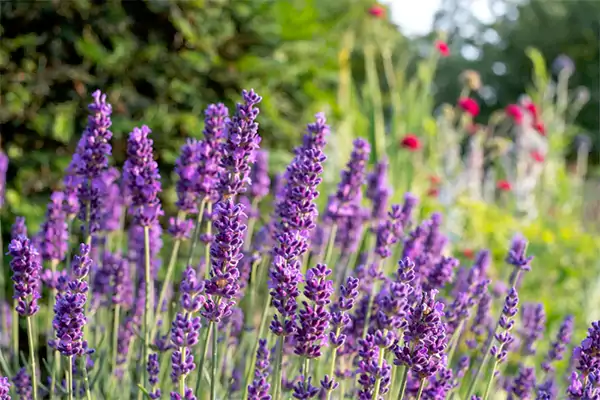 | 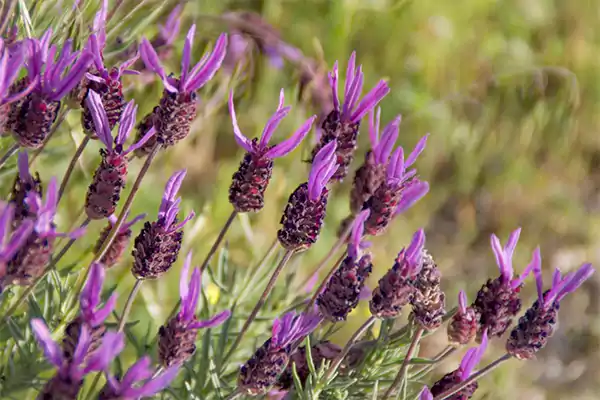 |
| Appearance | It is generally a cone-shaped flower with a lighter tone. It has slender spikes and needle-like leaves. | It has a sturdy flower adorned with long petals at the helm. It also has a darker colour. |
| Scent | Fruity, floral and citrusy. Lighter and sweeter scent. | Pine, woody fragrance. Camphoraceous and minty undertones. |
| Bloom Period | Blooms twice in spring and in summer | Blooms throughout the year from spring to fall in hardy zones 7-10. |
| Hardiness and Lifespan | It can survive cold weather (USDA zone 5) and live up to 15 years. | Survives in comparatively warmer weather (USDA Zones 7-9) and lives up to 4-7 years. |
| Uses | Best for culinary uses, essential oils and perfumes | Ideal for ornamental gardening and aromatherapy |
Common Mistakes to Avoid While Growing English Lavender| Care Tips and How to Avoid These Mistakes
Growing this perennial plant is a simple and easy process, as this plant does not require any extensive care and maintenance. However, there can be certain mistakes that might hamper the development of your plant.
Avoid these mistakes while growing them, and you will have the most amazing and aromatic garden. Have a look at them:
- This plant absolutely hates waterlogging and excessive moisture. They are drought-tolerant plants and prefer to stay dry, so avoid overwatering them and allow them to dry up a bit.
How to Avoid This Mistake: Water once every 1-3 weeks after checking the moisture, and make sure that there is no water clogging.
- Although they are known to thrive in the winter season, they can get damaged in extreme cold conditions and frost.
How to Avoid This Mistake: In case of extreme cold conditions, bring the plant indoors, and if you live in a cold climate, then consider choosing the right variety like Munstead, which can survive frost and cold weather.
- Unlike other plants, these can survive on neglect. They don’t need excessive fertilizers and chemicals to grow. Over-fertilizing them (especially with nitrogen) can hamper their bloom capacity.
How to Avoid This Mistake: You can add organic matter like peat moss, coco coir, and sand to improve the drainage. But avoid over-fertilizing.
- Your plant will be prone to root rot or fungal diseases if the soil is waterlogged, or it is soggy. Forgetting to properly prepare the soil and ensuring plenty of airflow can have damaging effects on the plant.
How to Avoid This Mistake: Use pots with drainage holes and properly amend the soil in a gentle manner.
- Prune the plant properly. It’s important to prune it regularly to maintain its shape and structure. Irregular or light pruning may result in the plant becoming unwieldy.
How to Avoid This Mistake: Prune fairly with a heavy hand and avoid cutting any wood. Cut the grey-brown sticks and give them a nice shape.
You simply need to avoid these common first-time gardener mistakes, and your English lavender growing experience can be rewarding.
Surprising Facts I Learned About English Lavender
- This plant was known for its antiseptic and healing qualities and hence was used by the Romans on the battlefield for treating and dressing wounds. The oil of the plant was generally used in cooking, cleaning, and as a form of aromatherapy as well.
- Highly popular for its medicinal properties, it played a significant role during the Bubonic Plague of the 17th century. It was believed that the people who worked in perfume and oil factories, which used lavender as their ingredient, were somehow immune to the Bubonic Plague.
- This aromatic plant was used by Egyptians during the mummification process. Since the Egyptians believed in the concept of the afterlife, they embalmed the corpse with aromatic oils and perfumes.
- It is one of the best pest and mosquito repellent plants. It protects other plants from pests and creepy crawlies.
- The most interesting one! These can be loved to death. They are extremely low-maintenance and do not need excessive fertilizer, water, or care. They can thrive in both cold and warm winters.
Commonly Asked Queries About English Lavender
Q1. What to do when English lavender is turning brown?
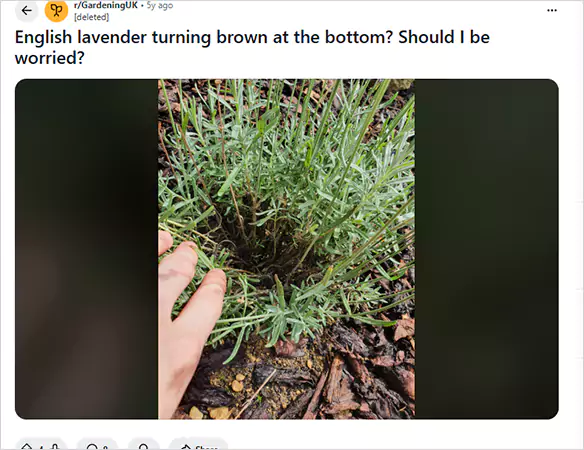
There’s absolutely no need to worry if your plant is turning brown. A brown or woody stem is generally a sign that your plant is ageing. You can prune the plant after flowering to encourage the new green growth and prevent it from being woody.
However, if the plant is wilting and it’s becoming mushy, then it could be a sign of overwatering and which requires you to let the soil dry out a little and avoid watering too frequently.
Q2. How to prevent English lavender from dropping?
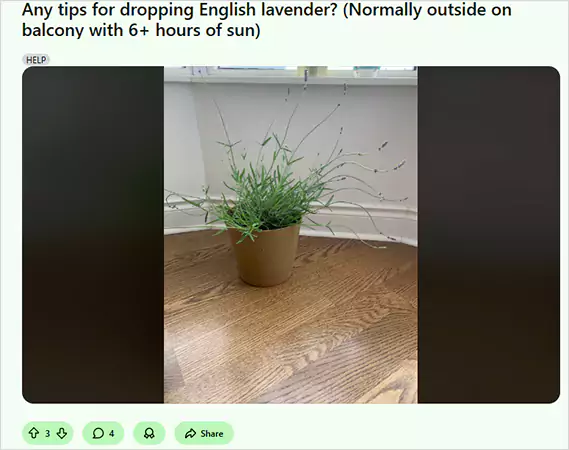
There are certain things that you should ensure for the healthy growth and development:
- Ensure that your plant is kept in a sunny area and receives adequate sunlight for up to 6-8 hours.
- Water the plant adequately. Both excessive and underwatering can lead to root rot. Allow the soil to dry out a bit between waterings.
- There should be a proper airflow, well-drained soil, and an excellent drainage system.
- Avoid adding too many chemicals and fertilizers. It thrives well in dry soil.
Wrapping Up!
Now, imagine sitting on your balcony and sipping a warm cup of lavender tea- a perfect “Me time”. Lavandula angustifolia, English lavender expedited my passion for gardening and growing them is something I truly enjoy.
Offering multiple benefits, it is something that should be in everybody’s garden. Its captivating appeal not only makes your garden and home aesthetically appealing, but also makes your life easier.
What are you waiting for now? Start your planting journey now. Trust me, you will love them when they are ready.
FAQs
Does English lavender like sun or shade?
English Lavendar loves the sun, and it requires adequate sunlight for 6 to 8 hours. Keeping the plant in the shade can damage it.
Does English Lavender come back every year?
Yes, it is perennial and hence comes back every year, given the fact that there is proper care and maintenance of the plant.
Does English lavendar repel mosquitoes?
Yes, it has the capability to ward off and even kill mosquitoes owing to the presence of a compound called linalool and camphoraceous smell in it.
How to Plant Lavender: 8 Steps, Soil & Care Tips
[…] ensure the roots have no problems or wilting. There are different varieties in the market, like English lavender and Spanish lavender. Check the condition of the root ball while purchasing; the healthier the root […]