


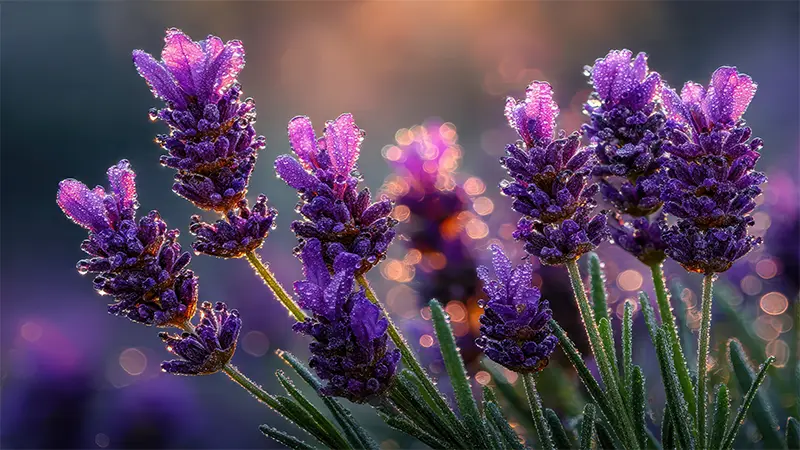
Spanish Lavender is one of the most charming and fragrant herbs I have ever grown. With its unique purple bloom and soothing scent, this spring flower adds beauty, calm, and a Mediterranean touch to any garden space. I absolutely love how these transform the whole vibe of my front lawn effortlessly.
Whether you are a novice plant lover or a seasoned gardener, this plant is a must-have. Just like me, if you love fragrant gardens, keep reading this blog to discover everything you want to know about growing and caring for Spanish Lavender.
Did You Know?
Traditionally, Spanish Lavender has been used for aromatherapy and to make herbal medicines to relieve stress and anxiety.
Spanish Lavender – Features and Benefits of the Low-Growing Shrub
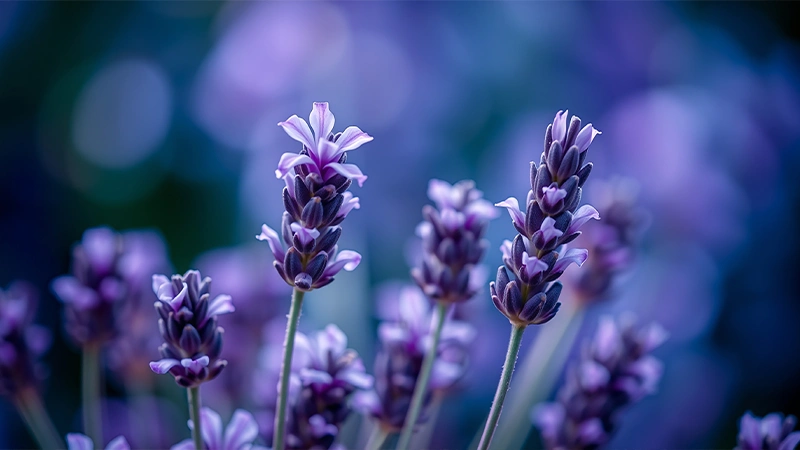
Spanish Lavender, botanically known as Lavandula stoechas, is a stunning evergreen shrub with aromatic and glossy gray-green leaves. The standout features of the genus are its flower petals that resemble “rabbit ears” and have a soothing fragrance. I love how effortlessly this bloom adds vibrancy to my balcony garden.
Let us quickly explore some astonishing features and benefits of the Spanish Lavender Lavandula Stoechas, and understand why it is one of the most admired species.
- Unique Appearance: It has a pine cone-shaped flower with vibrant bracts that resemble butterfly wings.
- Fragrance: The blooms of the genus emit a strong, sweet aroma that attracts bees, butterflies, and pollinators.
- Evergreen Foliage: Often used for many culinary practices, the shiny, silvery-green leaves of the bloom stay attractive all year round.
- Drought Tolerance: It can thrive in dry, sunny conditions and requires minimal watering once fully established.
- Aromatherapy: The scent of Lavandula stoechas has calming effects and is often used for therapy sessions to relieve stress and anxiety.
- Repellent Properties: Being a pest and mosquito repellent plant, the leaves of the plant are often dried and burnt to deter pests and other bugs.
- Skin and Hair Care: Lavender-infused oils and creams are known for their antiseptic and healing properties.
- Medicinal Benefits: Traditionally used as a medicine, the genus was often used to treat headaches. Lavender-scented candles are still used to promote better sleep.
Growing a Lavender plant in Spanish feels like nurturing and bringing a Mediterranean touch to your backyard. With timeless beauty, captivating scent, and therapeutic powers, this purple plant is not your ordinary backyard bloom.
| Some Quick Facts About The Bloom | |
| Botanical Name | Lavandula stoechas |
| Common Names | Spanish Lavender, French Lavender, Topped Lavender, and Butterfly Lavender |
| Native Range | The Mediterranean Region of Europe and some parts of North Africa |
| Height and Width | 24–30 inches tall and wide |
| Growth Type and Habit | Evergreen subshrub with dense bushy structure |
| Hardiness Zone | 8-9 USDA |
| Primary Uses | Beds & border designing, coastal gardens |
Different Types of Spanish Lavender Plants
Isn’t it impressive how nature gives us so many variations of the same plant? Every time I see this plant, I am reminded of its stunning cultivars. In the following section, I have listed different types of Spanish Lavender plants for your ease.
| Plant Name | Image | Key Points |
| Anouk Spanish Lavender |  |
|
| English Lavender |  |
|
| French Lavender |  |
|
| Hidcote Lavender |  |
|
| English Lavender ‘Sarah’ |  |
|
From classic hybrids to rare flowers, every Lavender variety is special in its own sense. Learning about the different cultivars of this bloom increases my fondness for this purple plant.
Taxonomic Overview of the Spanish Lavender Plant
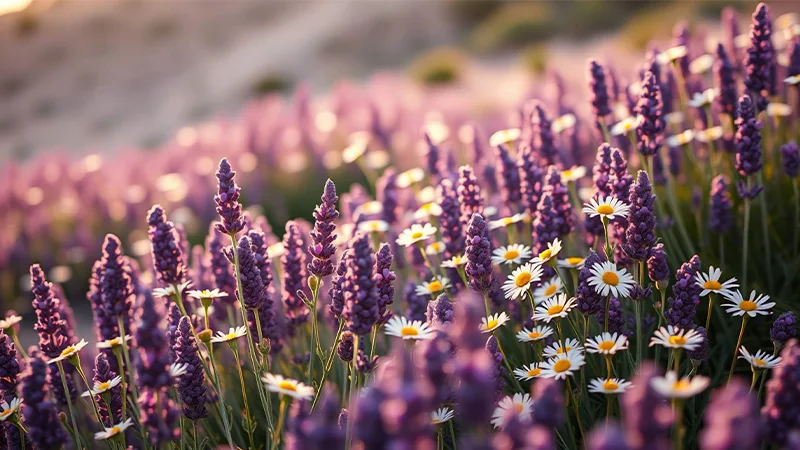
Whenever I explore any plant, I like to begin by understanding its scientific classification. It not only gives an idea about the origin of the genus but also helps in understanding the exact growing conditions it needs to flourish.
Here is an elaborate taxonomic overview of the Spanish Lavender seeds.
| Taxonomic Overview of Lavandula stoechas | |
| Kingdom | Plantae |
| Clade | Tracheophytes |
| Clade | Angiosperms |
| Clade | Eudicots |
| Clade | Asterids |
| Order | Lamiales |
| Family | Lamiaceae |
| Genus | Lavandula |
| Species | L. stoechas |
| Botanical Name | Lavandula stoechas |
Understanding the position of the bloom in the plant kingdom gives an idea of why it is the most sought-after species among garden enthusiasts and botanists. It also helps me appreciate the fact that how beautifully the genus blends science and nature.
How to Spanish Lavender Care?
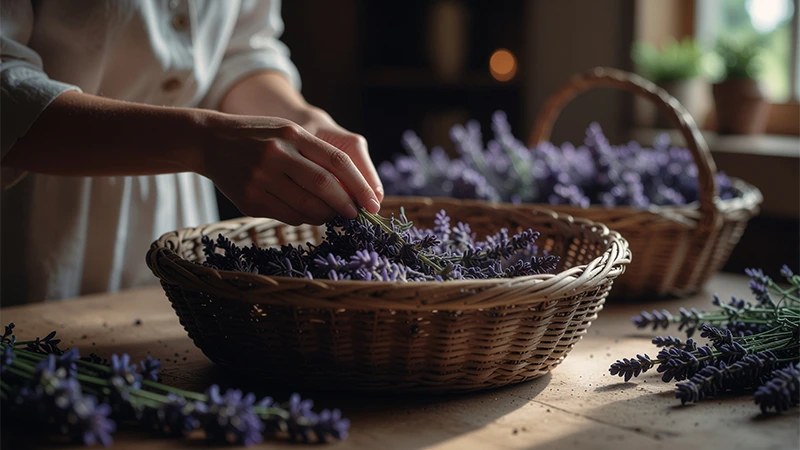
The Spanish Lavender Plant Care is fairly easy. Although the genus is a low-maintenance species, it does require some attention, especially during its initial growing stages. Let us move forward and quickly learn how to care for Spanish Lavender with ease.
|
|
|
|
|
I have learnt that this Mediterranean beauty thrives when it’s given the right environmental conditions. One of the reasons it is admired even by novice plant lovers is because of its low maintenance qualities.
Potting, Repotting, and Propagation of Spanish Lavender
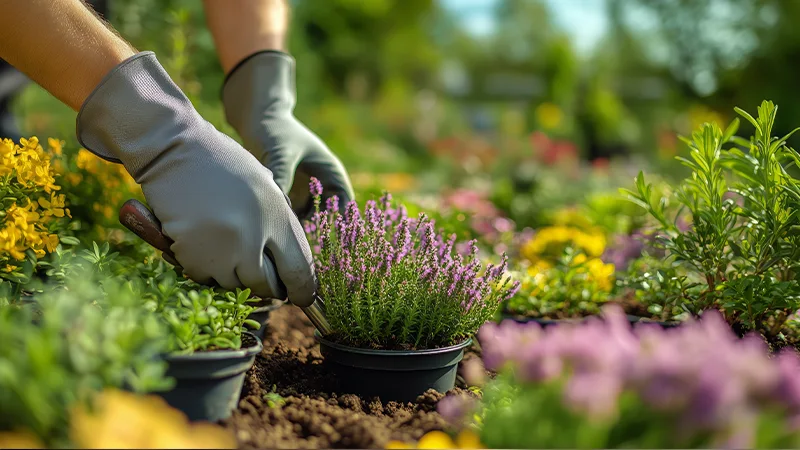
If you wish to grow healthy Spanish Lavender plants — potting, repotting, and propagation — are essential steps for the overall development of the genus.
The aforementioned care guide isn’t enough to witness flourishing purple flowers. It is important to pot or repot this botanical marvel accurately. Let us quickly understand how to do so without putting much effort.
Potting Lavender Plant
Planning to bring this purple plant indoors during winter? Do not worry, I have got you covered! The best time to pot this genus is early spring. Since the genus ranges in size from 18 inches to 40 inches, you will need a larger pot to accommodate the roots of the plant.
Speaking of the material of the pot, it is advisable to go for ceramic, plastic, or terracotta pots. Ensure that the container has drainage holes, and it is always best to use a nutrient-rich potting mix for the initial growing stages of the plant.
Repotting Lavender Plant
I prefer repotting this species once every two to three years, usually in early spring before new growth appears. When I notice that the roots of the plant are sprouting out from the drainage holes, I immediately shift it to a bigger pot.
Make sure that you trim away all the damaged parts of the genus and loosen the old roots for a while. I personally prefer repotting the plant in a slightly larger pot — about 2 inches wider than the previous one. Once the plant is all settled, slightly moisten the soil and place the pot in a sunny spot.
Propagation of Lavender Plant
Just like me, if you like creating a new life from an existing one, then let me tell you that Spanish Lavender can easily be propagated. The stem cutting method is the most beneficial procedure. Simply take 4–6 inch tall cuttings from a healthy, non-flowering stem and place them in a container with having organic mix. Be sure to place them deep enough and try using moist, sandy soil.
Cover the pot with a plastic bag for a few days to lock in the moisture. Once you notice new shoots, place them in their final position. Try placing it in an area where it can get dappled sunlight.
Potting, repotting, and propagation have taught me that this Lavender variety will flourish with true patience and care. By following the right technique, you will reward yourself with elegant and fragrant blooms.
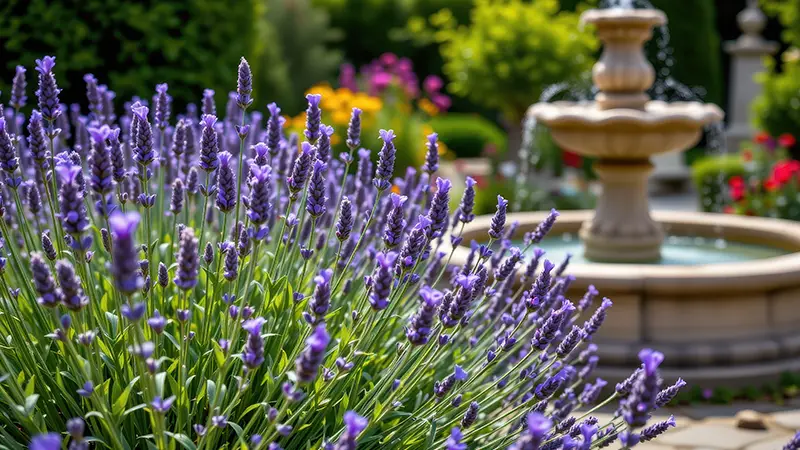
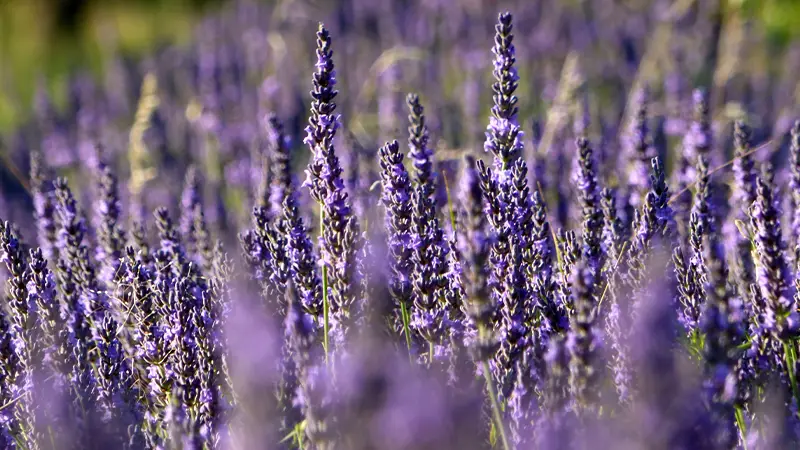
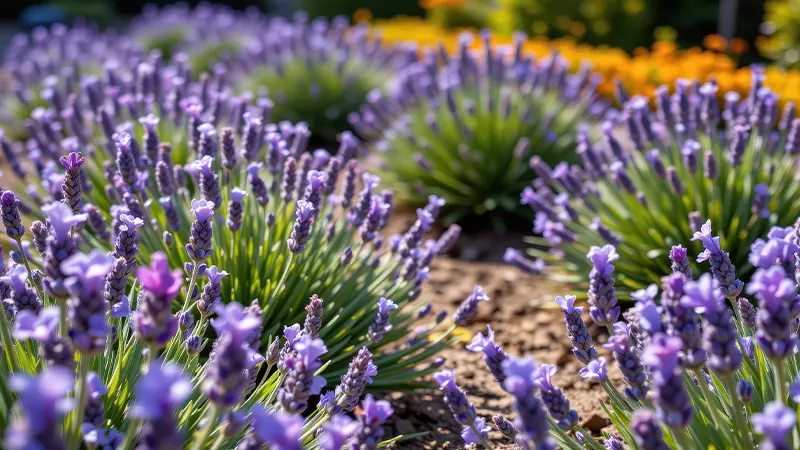
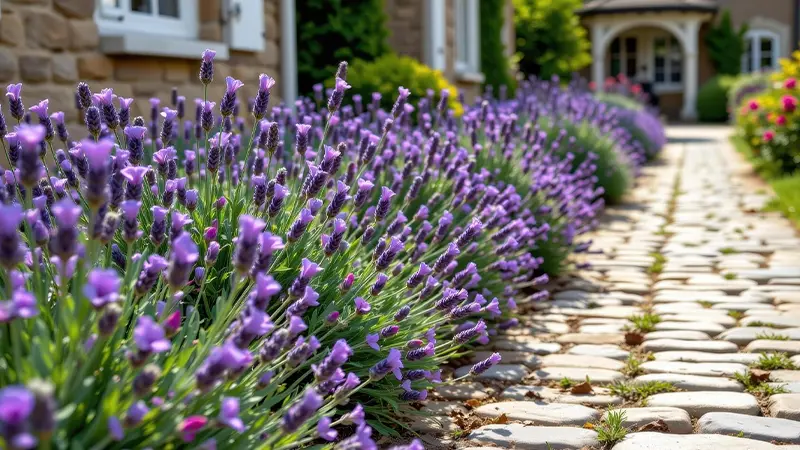
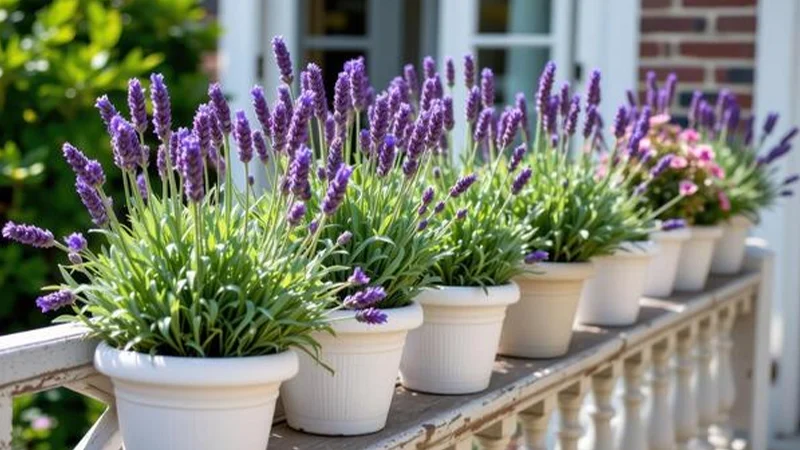
A Closer Look at This Botanical Marvel
Conclusion
Growing Spanish Lavender has been one of my most rewarding gardening experiences. The genus has its own way to transform any ordinary, dull space into a vibrant spot. Its irresistible features and benefits make it a must-have bloom in any backyard garden.
With minimal care needs, this purple plant makes sure to add a pop of color to any landscape. The simple, stunning, and soothing qualities of the Lavender plant are the reasons why it is cherished by plant lovers worldwide.
Does Spanish Lavender like sun or shade?
Spanish Lavender prefers growing under bright sunlight. They can also tolerate partial shade.
Does Spanish Lavender come back every year?
With proper care and growing conditions, the Lavender plant in Spanish will grow year after year. Note that it is less hardy than its English cultivar.
How big does Spanish Lavender get?
Spanish Lavender typically grows up to a height of 10–24 inches tall and 2–3 feet wide.
Spanish Lavender vs. French Lavender: Which one is better?
Both the blooms have their own unique characteristics. Mostly used as ornamental plants, both species are widely cultivated across the globe.
Is Spanish Lavender hard to grow?
No, Spanish Lavender is mostly appreciated by garden enthusiasts for its low maintenance and easy care qualities.
Lavandula stoechas – NC State Extension Research Paper




7 Practical Ways to Keep Mosquitoes Away From Your Patio
[…] a nice extra. This guide to mosquito repellent plants covers 20 options. The citronella plant and Spanish lavender are both easy choices for […]
How to Plant Lavender: 8 Steps, Soil & Care Tips
[…] have no problems or wilting. There are different varieties in the market, like English lavender and Spanish lavender. Check the condition of the root ball while purchasing; the healthier the root ball is, the better […]