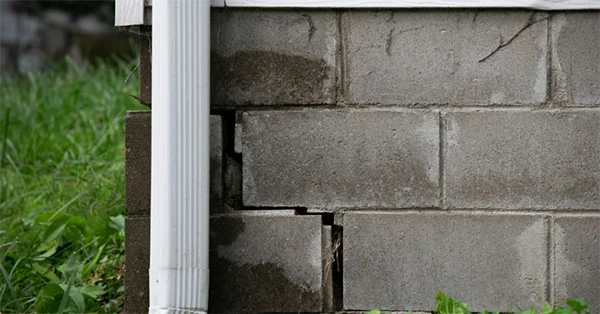
Water leakage may seem like a minor inconvenience to many in its initial stages, but what many don’t realise is that mold formation can begin in just one or two days of water holdup because of moisture exposure.
These mold stains not only appear bad but also cause a lot of health problems for the residents of the house, and many wouldn’t even realize it until it’s too late and the issue has spread all over the space.
This guide outlines the common causes of these and how you can effectively deal with them to prevent further damage to your home.
Key Takeaways
- A simple appliance leak can create perfect conditions for mold to form and grow inside the house
- Some leaks may go unnoticed, as the problem may begin inside the walls or flooring
- Foul odor, itchy eyes, and sore throat are some of the most common symptoms of mold formation in the home
- It is important to be proactive in such situations and seek out professional help as soon as possible to prevent further damage
Why Mold Prevention Starts with Water Damage Control
It just takes a simple appliance leak or a minor disturbance in the pipeline to start a problem that wouldn’t even be noticeable until the moisture spreads and makes your house structurally weak.
This is why homeowners need to be proactive rather than reactive and conduct routine maintenance checkups of their household appliances, and identify water damage problems that may lead to mold formation in the future.
As they say, prevention is always better than the cure.
Common Causes of Moisture and Mold in Homes
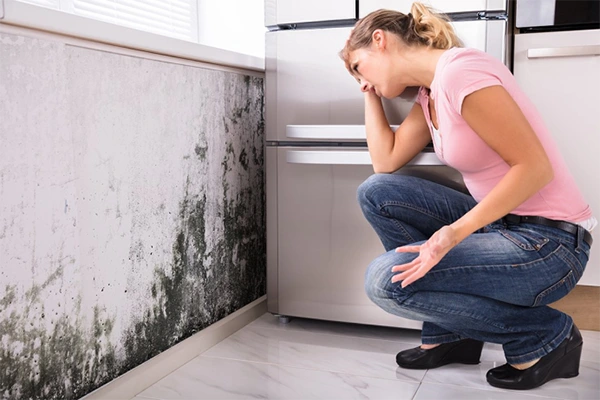
The following are the most common causes of moisture and mold in homes:
- Humidity: Consistent high humidity levels in your home can speed up the formation of mold in corners, the basement, etc.
- Leakage: This is how most mold problems originate. Undetected leaks behind walls or ceilings can cause internal mold growth in the house that is hard to notice without the assistance of a professional.
- Condensation: When warm, moist air interacts with cool surfaces like windows, walls, or pipes, it starts the process of mold formation, typically seen in the bathroom.
- Ventilation: Poor airflow within the house allows for the moisture to stay inside and concentrate in certain places, leading to mold.
- Everyday activities: Things such as cooking without a lid, running long showers, and drying clothes inside increase the humidity levels that progress to the formation of mold spores.
Keeping a check on these things allows you to escape issues before they take hold.
Early Signs of Mold and Water Damage Homeowners Should Notice
Here’s how you can identify early signs of water damage or mold that are easily noticeable without requiring any specialised tools:
- Leaks in the roofs or pipes that trap moisture inside the walls
- Water damage near the windows or outside doors is pretty common near the bathroom
- Water stains left for a long time, leading to an increase in moisture
- Seepage of water found in roofs or walls
- Foul odor noticed around the house
- Development of symptoms like itchy eyes, coughing, sneezing, and sore throat.
If these signs are already noticeable in your home, then it may be best to request assistance from mold remediation contractors.
Did You Know?
Mold doesn’t require sunlight to survive; it feeds on organic material such as drywall, wood, carpet, paper, and even dust.
Effective Ways to Prevent Mold Growth at Home
It is important to take preventive measures before the problem develops further. The most effective way is to dry the leftover water holdup found anywhere.
Regularly check for any water pipeline or appliance leaks and call for professional assistance to get them fixed as soon as possible.
Additionally, you can improve airflow by installing vents or opening windows in your house to let the moisture out. Another popular yet effective way is to equip yourself with a dehumidifier.
Common Mistakes That Lead to Mold Problems
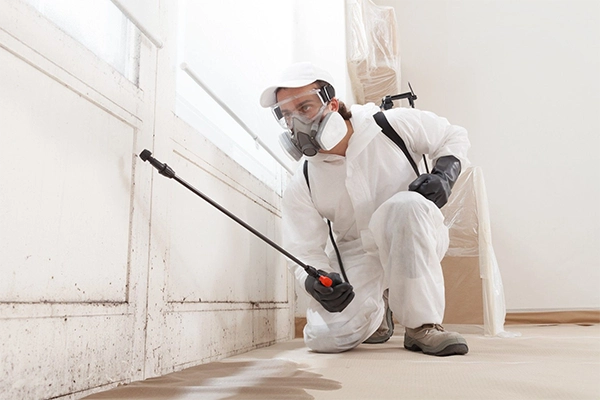
The most common mistake that worsens the mold problem is to wait around and take no action. As mold formation begins in just 24-48 hours, time is of the essence, and quick measures guarantee a solid fix to such issues.
Furthermore, ignoring water seepage or plumbing issues can result in flooding of the flooring, thereby attracting not just mold growth but many more issues with it, making it tough to deal with all of them at the same time.
Final Thoughts
Making your home mold-free isn’t a difficult feat to pull off. Owners must remain vigilant of obvious signs and ensure that best practices to avoid such incidents are followed by the whole household.
But, if the situation has already progressed, it’s best to ask for the assistance of experts who are well-equipped to deal with such issues swiftly and efficiently.
FAQs
What are the signs of mold growth in a home?
The following are the signs of mold formation:
- Leaks in the roofs or pipes that trap moisture inside the walls
- Water damage near the windows or outside doors is pretty common near the bathroom
- Seepage of water found in roofs or walls
- Foul odor was noticed around the house
What causes mold to form inside the home?
Increased humidity, water leakage, poor ventilation, and condensation are some of the most common causes of mold formation inside a home.
What steps should be taken after noticing a water leak?
Firstly, try to contain the leak with a cloth. If that doesn’t help, then be sure to remove all electrical appliances near it and call for professional assistance to deal with the issue.
How is mold formed?
Mold is formed when high humidity leads to the accumulation of moisture near a corner or area, making it damp, allowing perfect conditions for mold to start growing.