
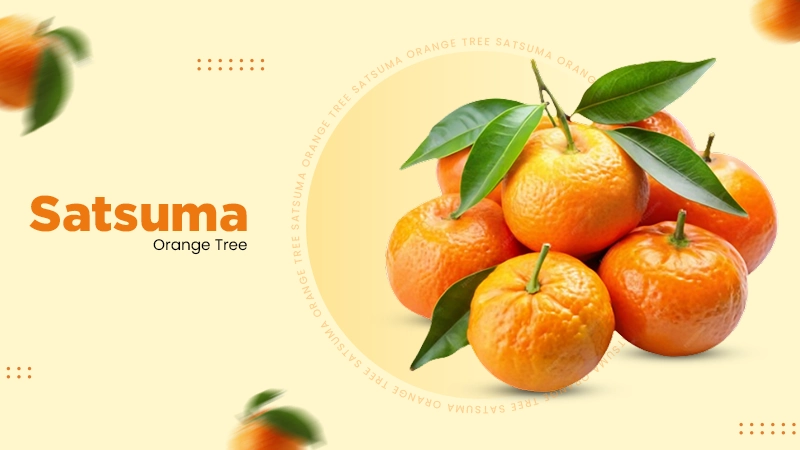
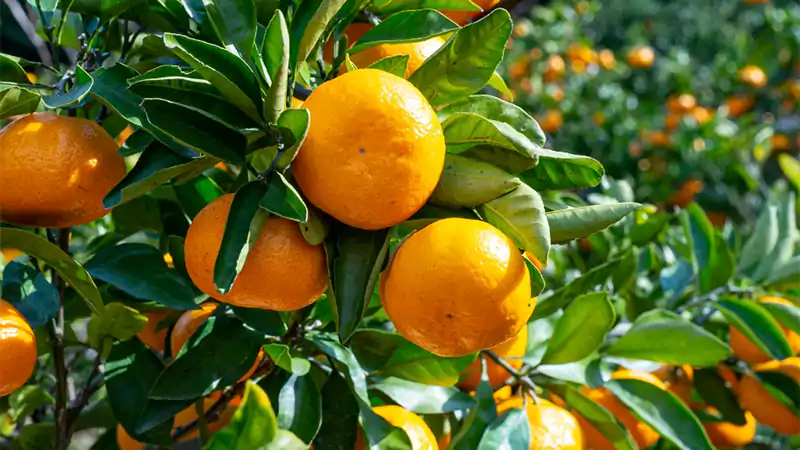
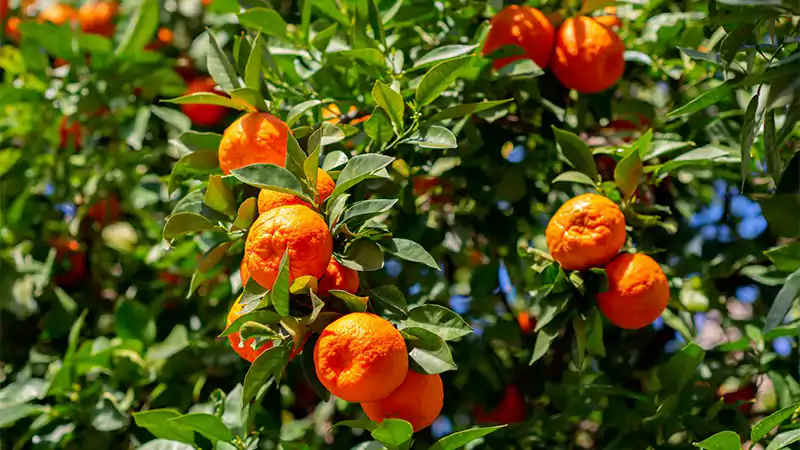
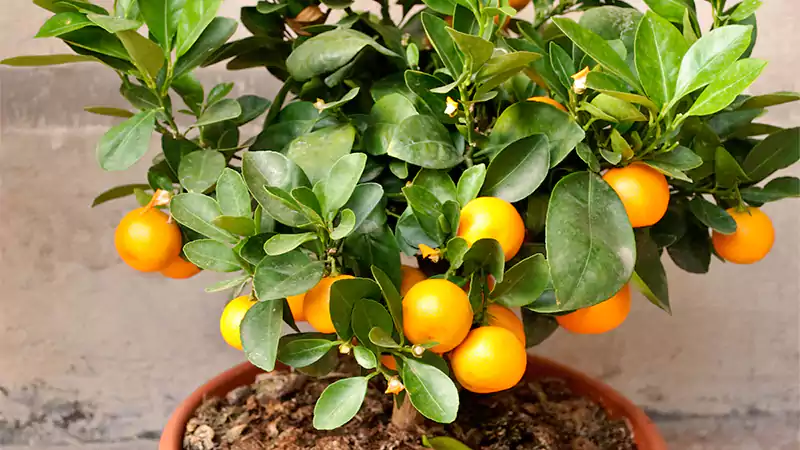
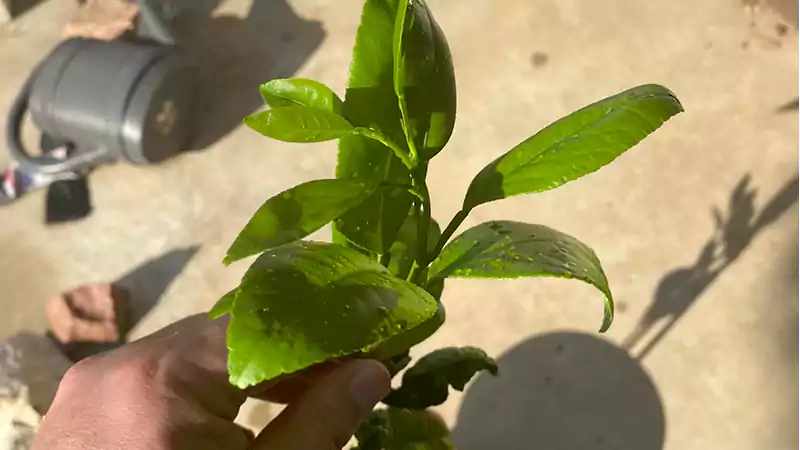
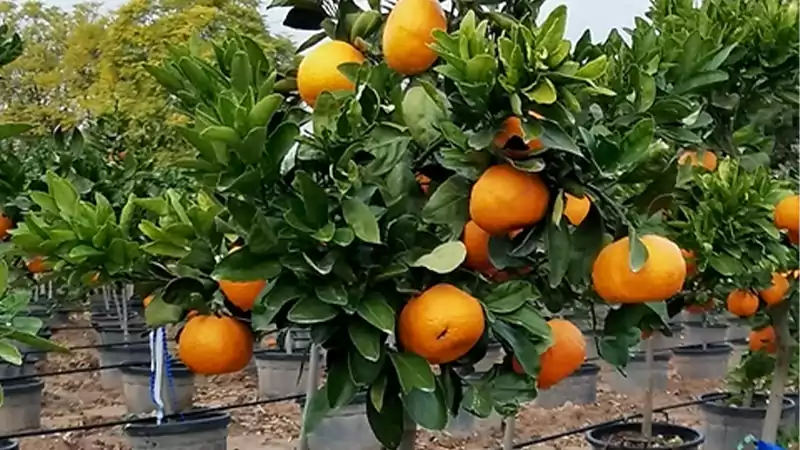
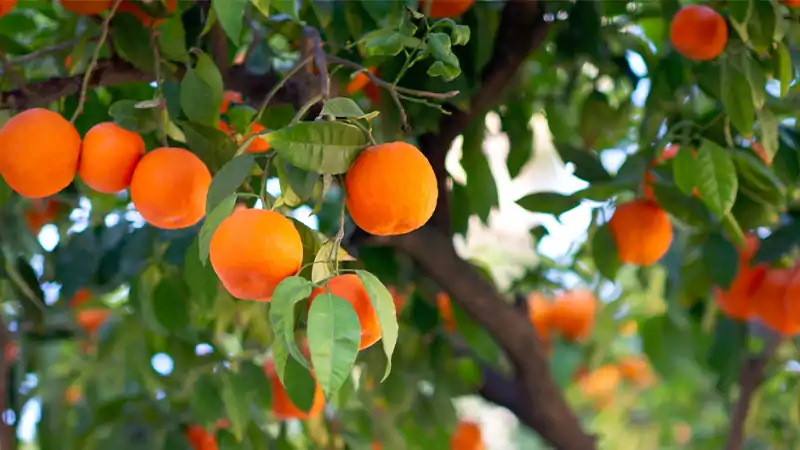
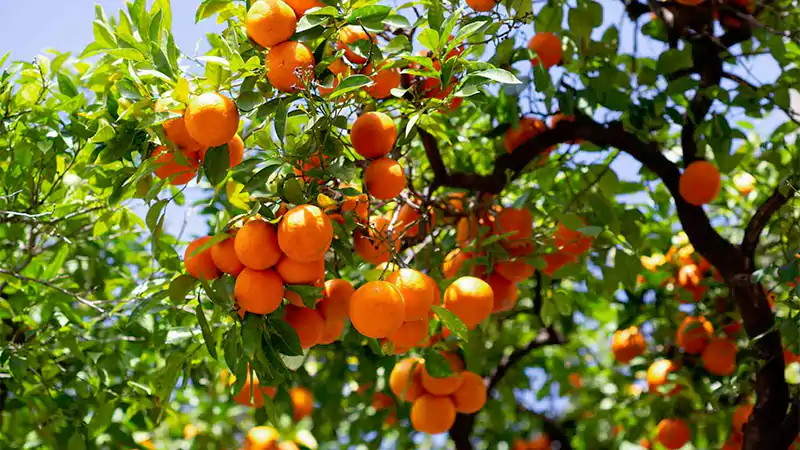


The Satsuma Orange tree is a medium-sized, evergreen, slow-growing species that grows upto 10-15 feet tall.
Apart from having functional and medicinal benefits, the tree also manages to add a pop of color to any dull garden space with its glossy green leaves and vibrant orange fruits. Moving further, let us explore more about the species in detail.
Features and Benefits of Satsuma Orange Tree
The Satsuma tree, also known as the Satsuma Citrus Tree or the Satsuma Mandarin, is a popular citrus tree originating from Japan and is highly valued for the various benefits it offers.
- Compared to other citrus fruits, Satsumas are exceptionally cold-hardy and can tolerate temperatures down to 28 degree fahrenheit.
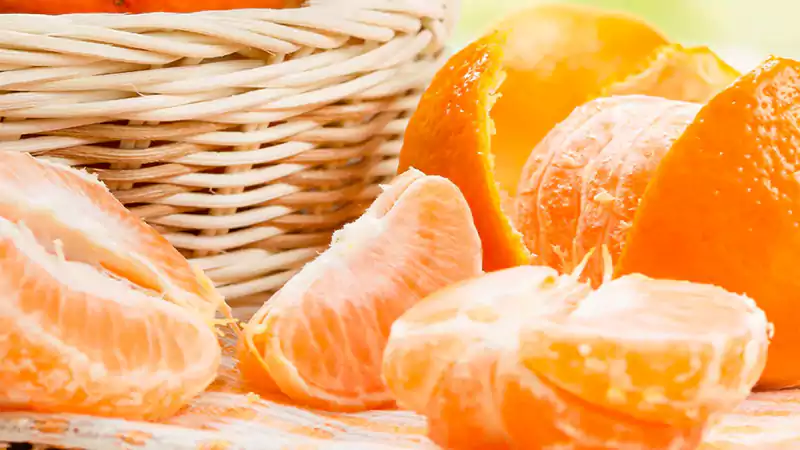
- The fruits of the genus are mildly sweet and tangy, making it a beloved among citrus enthusiasts.
- Before you witness a zesty harvest, the tree also produces white star-shaped flowers, which can make any garden space fragrant.
- It is mostly grown in homegardens because of the nutritional benefits that it offers. The Mandarins are rich in antioxidants, improve skin health, and boost immunity.
- Even the peel or skin of the fruit has anti-inflammatory and anti-cancer properties. In East Asia, the peel is dried and used as traditional medicine to treat ailments like colds and coughs.
Owari, Miho, and Silverhill are some early-maturing, hybrid varieties of the genus and have slightly different growth habits than the Mandarins.
Taxonomy and Morphology of Satsuma Fruit Tree
Let us quickly explore the botanical background of the Satsuma Mandarin to gain an in-depth insight into its plant family.
| Kingdom | Plantae |
| Phylum | Spermatophyta |
| Subphylum | Angiospermae |
| Class | Dicotyledonae |
| Order | Sapindales |
| Family | Rutaceae |
| Genus/Botanical Name | Citrus |
Mandarin Satsuma is believed to have originated in Japan and has many unique cultivars. Some experts also claim that this genus is a natural cross of mandarin and pomelo.
Ideal Growing Conditions Needed for Satsuma Citrus Tree
Given below are the ideal growing conditions needed for Satsuma Oranges to thrive.
| The Ideal Care Guide for the Satsuma Mandarin Fruit | |
| Sunlight Exposure | For best fruiting, the genus requires a minimum of 6-8 hours of direct sunlight. It can also grow in partial shade. |
| Watering Needs | During a dry spell, the tree needs deep and consistent watering. Adjust the frequency if you notice waterlogging. |
| Soil Type | The Satsuma fruit grows best in well-draining, loamy soil. Ensure the pH level is slightly acidic to neutral. |
| Fertilizer and Mulch | Use a balanced citrus fertilizer in the ratio 10:10:10 to ensure proper development. Consider mulching around the roots to keep them cool and retain the moisture. |
When sowing seeds, ensure they are spaced 8-10 feet apart for proper air circulation and to allow the canopy to spread fully. The best part is that the tree requires minimal pruning, mainly to remove the dead branches or to give it a tidy shape.
User Reviews and Ratings
Bella Maxwell: The sapling got delivered very nicely. It is easy to care for, and the glossy, green leaves look absolutely stunning.
Rating: ⭐⭐⭐⭐⭐
James Winscof: I bought these Satsuma Orange trees for sale, and they have instantly made my backyard eye-pleasing.
Rating: ⭐⭐⭐⭐⭐
Stefan Rhodes: Bought this Satsuma fruit tree a few years back. I thought it would take some more time to produce fruit, but these look so scrumptious already!
Rating: ⭐⭐⭐⭐⭐
GigiGardener: I never thought that the very first batch of Satsuma Oranges would come out so good. The fruits are citrusy and perfectly juicy.
Rating: ⭐⭐⭐⭐⭐
FAQs
Is Satsuma an Orange?
Yes, Satsuma is a type of orange that generally has a vibrant orange-red skin and a tangy taste.
Are Satsumas healthy to eat?
Yes, Satsumas are a great source of vitamin C. It is rich in antioxidants, improves skin health, and boosts immunity.
Is Satsuma the same as Clementine?
Clementines are traditionally from North Africa, whereas Satsumas grow in Japan.
How long does it take the Satsuma tree to produce fruit?
Generally, it takes 2-3 years to Satsuma to produce fruit if given the ideal growing conditions.


Andrew –
I ordered a Satsuma plant from YourHomify and it arrived in good condition. It was packed well and looked healthy when I received it. I’ve planted it in my garden and it’s settling in nicely.
Bob –
Got my Satsuma from YourHomify and I’m happy with the purchase. The plant arrived fresh with no damage, and the packaging was good. Looking forward to watching it grow and hopefully getting some fruit in the future.