


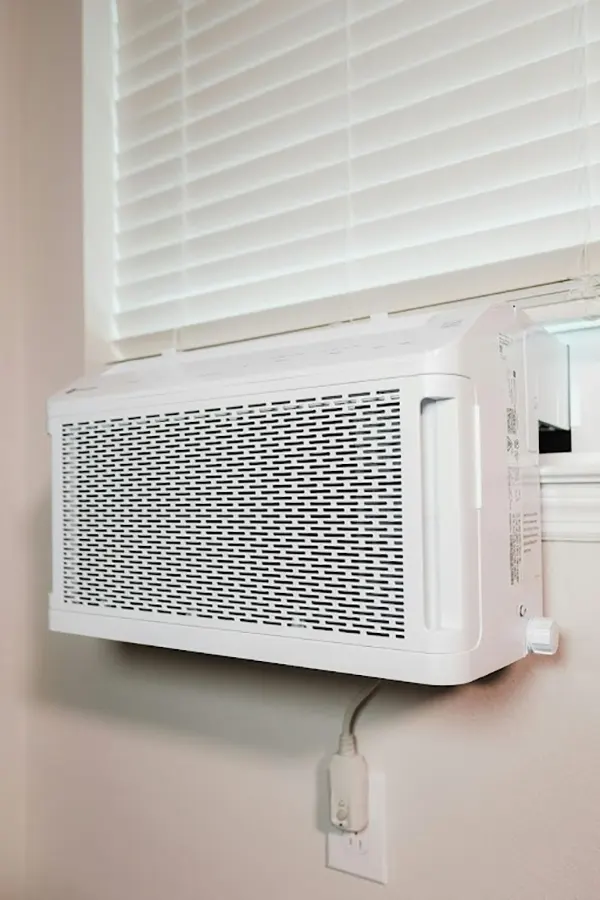
My good old air conditioning unit died last summer. I ordered a new one. The staff came with the unit, installed it speedily, and left. It looked a bit odd, though, but they ensured that it would work exactly as claimed. Of course, it didn’t. I claimed warranty, and it became another battle. Never had a summer with so much struggling. Learnt the lesson that the AC unit, brand, etc all that matters, but the installation has to be proper, otherwise nothing matters.
Research says that due to improper installation, 70-90% of HVAC systems don’t operate at optimal efficiency. If you also don’t want your head to get hotter than it can in the hottest afternoon, always go for a reliable air conditioner installation in San Diego.
In this article, I’ll tell you everything about air conditioner installation, how to prepare for that, what can go wrong, and what you should keep your eye out for.
KEY TAKEAWAYS
- A badly installed AC system won’t work properly and will also break down sooner than expected.
- Don’t bother repairing your old air conditioning unit; just replace it.
- Familiarize yourself with the installation process.
- Approach multiple providers, choose a right-size AC for your home, and mind the refrigerant.
Why Most AC Installations Go Wrong Before the Unit Even Arrives
The most common mistake can happen weeks before the actual installation, at the buying decision phase. This is picking a wrong-size unit for your home.
Oversized units cool a space too fast, shut off before humidity is removed, and cycle on and off constantly, a problem called short cycling. Undersized units run nonstop, can’t keep up on extreme days, and wear out early. Both scenarios waste energy and shorten equipment life.
A proper sizing calculation is called a Manual J load calculation. It accounts for square footage, ceiling height, insulation quality, window placement, local climate data, and other variables. Licensed AC technicians are required to perform this before recommending any unit. If a contractor skips this step and just matches the tonnage of your old system, that’s a red flag, your old system may have been the wrong size to begin with.
Ductwork also gets overlooked. If your existing ducts are leaky, undersized, or poorly routed, a brand-new energy-efficient AC system will still underperform. Ask any installer upfront whether they’ll assess duct condition before the job starts.
The moment a technician hands you a repair estimate, the second-guessing starts. You’re wondering whether to pay it or cut your losses and replace the whole thing.
Repair or Replace: Stop Letting the Quote Make the Decision for You
Many people get confused in this decision: repair the air conditioning unit or just replace it. Well, the decision is quite simple. If your unit is not that old, repair makes sense. Otherwise, always go for replacing. If the unit is pushing 12 to 15 years old, most repairs are just delaying the inevitable. You fix one component, and six months later, something else gives out, because everything inside that system has been running just as long.
Older systems burn significantly more electricity to do the same job a modern unit handles without breaking a sweat. High-efficiency models can cut cooling costs by 20 to 40 percent — a difference that shows up every single month.
If the repair cost is high and the unit is old, replacement isn’t the expensive option. It’s the one that actually makes financial sense long-term.
FUN FACT
Air conditioning was not invented for human comfort but for humidity control in a printing plant (Source).
What a Professional AC Installation Actually Looks Like, Step by Step
Knowing about the air conditioner installation process in and out can be really advantageous for you. If you know the procedure, you can easily spot whenever anything is being done wrong or not up to the mark. You can hold the installers accountable. Here’s what a proper air conditioner installation should include:
- Load calculation first. Before anything is ordered, a technician should assess your home’s cooling load using Manual J software or equivalent. This determines the correct system size.
- Equipment selection. Based on the load calc, duct condition, and your budget, the installer recommends a unit. You should receive a clear explanation of efficiency ratings and why a specific model fits your situation.
- Old system removal. Refrigerant from the old unit must be recovered using certified equipment; it cannot legally be vented into the atmosphere. This step requires EPA Section 608 certification.
- Installation of the new system. This includes setting the outdoor condenser, installing or replacing the indoor air handler or coil, connecting refrigerant lines, wiring the thermostat, and verifying electrical connections.
- Refrigerant charging. The system must be charged to the exact manufacturer specification, verified with gauges. Over- or undercharging refrigerant is one of the most common causes of premature compressor failure.
- System commissioning. The technician runs the system, checks airflow at each register, verifies the thermostat is calibrated, and confirms the system is operating within expected temperature differential ranges (typically 18 to 22 degrees between supply and return air).
A job that skips commissioning isn’t finished. Ask for it explicitly.
The Hidden Cost Nobody Talks About: Improper Refrigerant Handling
You think that AC unit cost and installation costs are the main elements to focus on in this process? You’re not alone, many people think like that. One major element that goes under the radar is refrigerant. Almost nobody asks about refrigerant handling – and that’s exactly where shady operators cut corners.
Refrigerant isn’t cheap. Some technicians will undercharge a system (use less refrigerant than spec requires) to save on material cost, then charge you the full amount. Others will reuse recovered refrigerant from old systems in ways that violate EPA regulations. Both practices reduce system efficiency and void manufacturer warranties.
When getting quotes for air conditioning unit installation, ask directly: “Will the system be charged by weight to manufacturer spec, and will you document it?” A legitimate technician won’t hesitate. Someone cutting corners will change the subject.
Also worth knowing: older systems used R-22 refrigerant, which is now phased out and extremely expensive if it’s still circulating in a unit you’re considering repairing. If a technician quotes a refrigerant top-off on an R-22 system, that’s another strong signal to replace rather than repair.
How to Hire the Right AC Technician Without Getting Burned
Ask for quotes from at least three different providers. Fees are important but shouldn’t be the only marker for choosing a provider. A quote should include itemized labor, equipment model and SEER rating, warranty terms on both parts and labor, and confirmation that the installer will pull the required permits.
Permits matter. An unpermitted installation can cause problems when you sell the home, and some homeowner insurance policies won’t cover damage from unpermitted HVAC work. Ask whether permits are included in the quote before you sign.
Verify licensing independently. Most states maintain online databases where you can confirm a contractor’s license is active and in good standing. This takes two minutes and eliminates a lot of risk.
Ask specifically whether the technician holds EPA Section 608 certification for refrigerant handling. This is a federal requirement, not optional.
One practical move: after installation, ask for documentation of the refrigerant charge weight, the model and serial numbers of installed equipment, and a copy of any permit or inspection report. Keep this file. You’ll need it for warranty claims and when you eventually sell the home.
The Right Installation Makes Everything Else Easier
When the AC is installed properly, you’d notice that your home is cooler and quieter. Moreover, the air conditioning system itself demands less maintenance and lasts longer. The installation itself isn’t the exciting part of buying a new system – but it’s the part that determines whether you got your money’s worth.
If your current system is struggling or has passed the 12 to 15-year mark, getting a professional assessment costs nothing and gives you real information to make a decision. You don’t have to guess whether to repair or replace, and you don’t have to overpay for a system that’s the wrong size.
Find licensed AC technicians who will walk you through the load calculation, pull the permits, and commission the system properly. That’s the standard. Hold them to it.
What should you consider before purchasing an air conditioner?
Consider the type of AC, its capacity ideal for your room size, and the energy STAR rating.
What is the best position for an air conditioner in a living room?
AC should be placed on the north or east facing wall, 7-8 feet above the floor.
What are common air conditioning unit installation mistakes?
Common AC installation mistakes are the wrong size, poor ductwork and sealing, and an incorrect thermostat.
What is the 3-minute rule for air conditioners?
The rule advises not to restart the AC for 3 minutes after turning it off once.