Just like everything in the world, your pool does encounter problems with increasing age, and pool tiles are one of them, as they don’t last forever, and knowing when to replace them can save you a lot of headaches and money down the track.
The good news is that these wear-and-tear signs are usually pretty obvious once you know what to look for.
Here is a simple guide to help you figure out when replacement is the right call and how to choose the right replacement for your pool.
Key Takeaways
- Cracking and chipping are the most obvious signs that your pool tiles need immediate repair or replacement
- DIY techniques can work only when it is a minor replacement task, while larger problems require a professional to inspect and investigate
- Glass, mosaic, porcelain and small-sized tiles are a few great choices most people use for their personal pools
- It is always better to be proactive than reactive when thinking of getting your pool tiles replaced
How long do pool tiles actually last?
Generally speaking, pool tiles have a lifespan of around five to ten years, though this varies depending on the material, how much the pool gets used, and how well it is maintained.
A busy backyard pool that doubles as the neighbourhood hangout will naturally wear through tiles faster than one that gets occasional weekend use.
Maintaining the water chemistry’s balance and cleaning these tiles regularly goes a long way toward extending their life over the years.
Signs it is time to replace them
Cracking and chipping are the most obvious signs that replacement is due. A cracked tile is not just an aesthetic problem; it can compromise the pool’s structure over time if water seeps behind it.
Tiles that are coming loose or have fallen off completely should be replaced promptly rather than patched, because the underlying cause is often more significant than a single tile suggests.
Discolouration that wouldn’t scrub off is another sign worth paying attention to. If your tiles have transformed from looking vibrant to dull or have taken a permanent stain, which is just looking impossible to remove, it is probably time for a fresh start.
Similarly, if grout is crumbling or deteriorating widely across the pool, replacing the tiles at the same time makes sense rather than attempting a piecemeal fix.
Can you replace pool tiles without draining the pool?
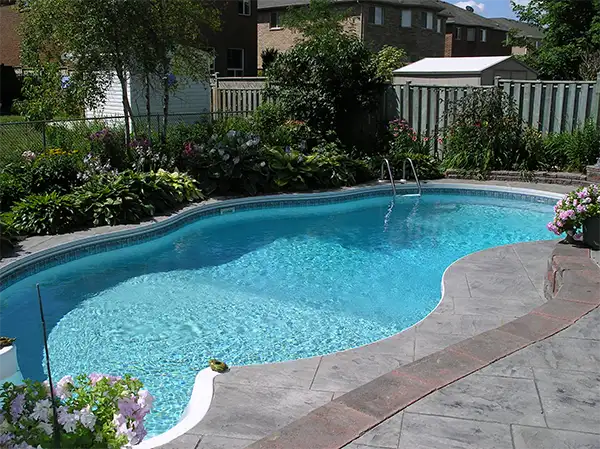
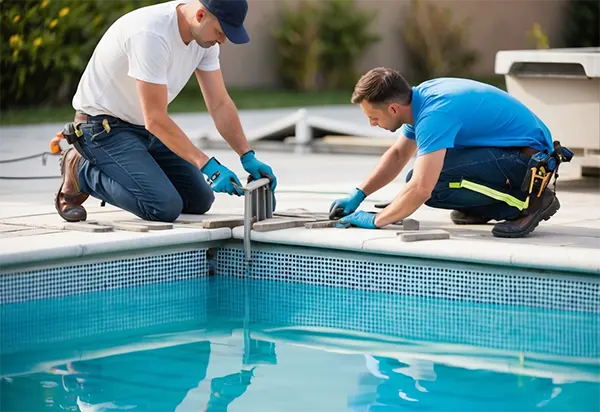
This depends on where the tiles are and how much work is needed. Waterline tiles, the band of tiles that runs along the top edge of the pool, can often be replaced without draining the whole pool, which keeps the job more manageable and less disruptive.
For tiles on the floor or walls deeper in the pool, full drainage is usually necessary for larger replacement jobs. A small number of underwater tiles can sometimes be repaired using a specialist adhesive, but for anything significant, it is worth doing the job properly.
DIY versus getting a professional in
If you are handy and need to replace only a tile or two, a DIY approach may work. But for anything more than a very minor fix, bringing in a professional to check out the situation is genuinely worth it.
Pool tile work involves more than just sticking new tiles in place. There are bonding materials, movement joints, curing times, and surface preparation considerations that all affect the longevity of the result.
A professional will also be able to identify whether there is an underlying issue, like a crack in the foundation, that needs addressing before new tiles go in.
When hiring someone, ask about their experience with pool tiling specifically, check they are insured, and make sure everything is confirmed in writing before work begins.
Fun Fact
Properly installed glass tiles are the most durable pool finish available, potentially outlasting the pool structure itself.
Choosing the right replacement tiles
Once you have decided to replace, the fun part begins. The type of tile you choose makes a real difference to how the pool looks and how well it holds up over time. Porcelain is one of the most popular choices for pool floors and waterlines because it is tough, water-resistant, and comes in a huge range of finishes.
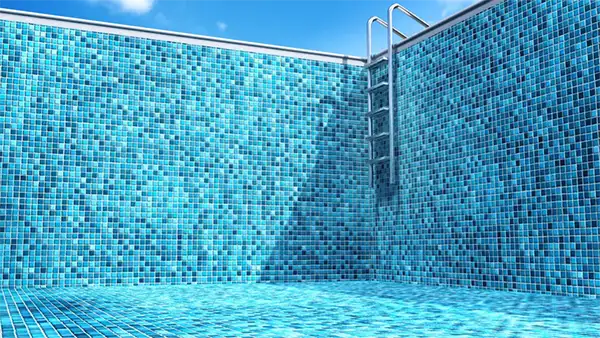
Glass tiles are stunning, particularly for waterline applications, because they catch the light beautifully and are relatively low maintenance, though they are better suited to lower traffic areas. Mosaic tiles remain a classic for pool interiors and give a shimmering, light-reflecting quality that looks incredible underwater.
Alternatively, smaller tiles tend to be tougher and more durable than larger formats in a pool environment because they flex better with the movement of the pool structure. But for areas around the pool edge and the surrounding deck, slip-resistant tiles are non-negotiable.
Finding the right tiles for your pool
Browsing pool tiles from a quality supplier with a range suited to Australian conditions is the best way to find something that ticks both the practical and visual boxes.
The Tile Collective has a solid range of swimming pool tiles worth exploring, covering everything from classic mosaic styles to contemporary porcelain options designed to handle the demands of an outdoor pool environment.
Final thoughts
Replacing pool tiles is one of those jobs that is much better done proactively than reactively. Catching the signs early, choosing the right materials, and getting the installation done properly means your pool will look great and stay structurally sound for years to come.
If yours are showing signs of wear, now is a good time to start planning rather than waiting for things to get worse.
FAQs
Q1) What are the different types of tiles used in a pool?
Ans: The following are the various types of tiles used in a pool:
- Porcelain
- Glass tiles
- Mosaic
- Slip-resistant tiles
Q2) Can I DIY replace the pool tiles?
Ans: DIY replacement is good if there is only a minor fault, like replacing one or two tiles. If the work is clearly more than that, you may benefit from calling in a professional to look into the issue.
Q3) Can the tiles be replaced without draining the pool?
Ans: It depends on the location of the tiles to be replaced. If the tiles are near the top edge, then no. But if the tiles are near the bottom, then the pool will definitely have to be drained.
Q4) What is the average lifespan of pool tiles?
Ans: Pool tiles usually last for five to ten years, depending on the usage, maintenance and the climatic conditions of the surrounding environment.