Investing in a tropical holiday home is a dream for many property enthusiasts. The idea of waking up to palm trees, warm weather, and ocean breezes is undeniably appealing. However, beneath the surface of these idyllic settings lies a unique set of challenges. Tropical climates bring high humidity, torrential seasonal rains, and salty coastal air. These elements can severely impact a building’s integrity over time. To ensure your investment remains profitable and structurally sound, you need a robust property strategy that prioritises thorough inspections, climate-resilient materials, and proactive maintenance.
Evaluating the Investment Potential of Tropical Real Estate
The primary draw of a tropical property is often its income-generating potential. Locations with year-round warm weather attract consistent tourist footfall. This translates into highly lucrative short-term rental opportunities for savvy investors. If you look at popular Southeast Asian markets, the demand for high-end accommodation remains robust despite broader global economic shifts.
According to a recent business report by The Nation Thailand, prime tourist destinations regularly see massive demand, with data showing that hotel occupancy in Phuket remained above 90% during peak months. This high volume of tourism demonstrates exactly why so many international buyers look for premium villas for sale in Phuket to add to their portfolios. A strong property strategy in these regions involves capitalising on peak seasons while properly preparing the home to withstand the off-season weather. Maximising your return on investment requires more than just choosing a picturesque location. It demands a critical eye for construction quality and long-term durability.
Identifying Climate-Specific Structural Red Flags
When purchasing real estate in a tropical zone, standard home inspections are simply not enough. Buyers must be hyper-aware of environmental stressors that are far less common in temperate climates. High humidity levels can accelerate wood rot and encourage toxic black mould, while salt-laden coastal breezes corrode metal fixtures at an alarming rate. Another major concern is concrete spalling. This occurs when moisture reaches the steel reinforcement bars inside concrete structures, causing them to rust, expand, and crack the surrounding material.
One of the most critical steps in the purchasing process involves actively addressing core structural red flags before finalising the sale. This ensures you identify which structural elements are resilient enough for tropical environments. This includes looking for deep water damage, foundation cracks, and signs of load-bearing wall weakness. In areas prone to heavy monsoon rains, even minor roofing defects can lead to catastrophic internal water ingress.
During your property viewing, pay close attention to the baseboards, ceilings, and the areas around large window frames. Peeling paint, a persistent musty odour, or efflorescence (a white, powdery residue on brick or concrete) are clear indicators of moisture retention. Furthermore, check for signs of termite damage, as tropical environments are breeding grounds for wood-boring pests. Ignoring these warning signs can result in massive, unexpected repair costs down the line, effectively wiping out your rental yields for the entire year.
Navigating Remote Property Management
For most international investors, a tropical holiday home is managed from afar. This distance adds a layer of complexity to property ownership. Securing a reliable local property management team is a fundamental part of your strategy. They are your eyes and ears on the ground, responsible for identifying minor faults before they escalate into major structural failures.
A good management team will conduct regular walkthroughs during the rainy season to check for leaks, monitor humidity levels, and ensure that pest control measures are up to date. They also oversee turnaround times between guest stays, ensuring the property maintains a pristine appearance. When factoring in the costs of your investment, always allocate a sensible budget for high-quality property management, as this service directly protects your asset’s physical and financial health.
Essential Maintenance and Upkeep Strategies
Owning a property in the tropics requires a highly proactive approach to home maintenance. You cannot simply lock the doors at the end of the holiday season and expect the property to remain in perfect condition upon your return. Implementing a strict, climate-specific maintenance programme is vital.
To safeguard your investment against harsh tropical elements, consider the following property strategies:
- Prioritise airflow and ventilation: Keep the property well-ventilated to prevent humidity buildup. Installing smart exhaust fans, air conditioning units with dry modes, and standalone dehumidifiers can protect interiors from mould when the property is vacant.
- Upgrade to climate-resilient materials: Replace standard metal fixtures with marine-grade stainless steel or aluminium to combat rust. Use treated hardwoods, teak, or high-quality composite materials for outdoor decking, which offer superior resistance to rot and insect infestations.
- Optimise exterior drainage: Ensure that gutters, downspouts, and site grading direct heavy monsoon rainwater swiftly away from the foundation. Pooling water is a primary cause of soil subsidence and foundational shifting.
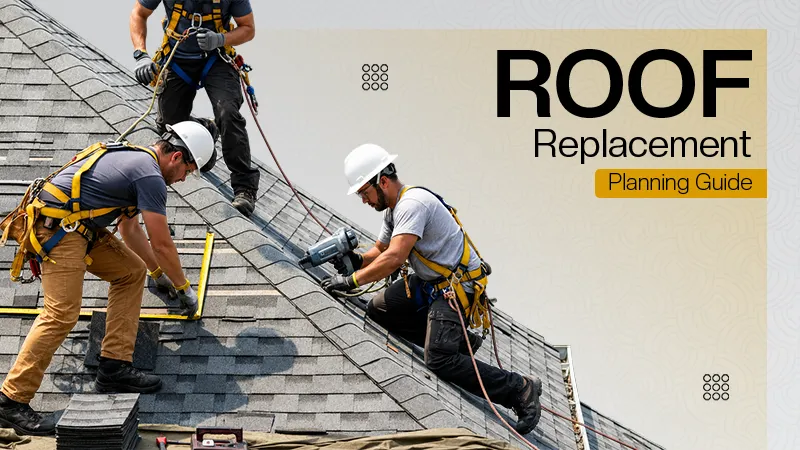
- Schedule frequent roof inspections: Tropical storms and high winds can easily dislodge tiles or damage waterproofing membranes. Bi-annual inspections are crucial for catching minor leaks before they compromise the underlying timber roof structure.
Securing Long-Term Value
A successful tropical property investment relies on a careful balance of aesthetic appeal and structural resilience. By conducting rigorous pre-purchase inspections and committing to a climate-appropriate maintenance schedule, homeowners can protect their assets from severe environmental wear and tear. Whether you are searching for a personal holiday retreat or a high-yield rental asset, understanding the unique demands of a tropical climate is the absolute key to securing long-term value and peace of mind.