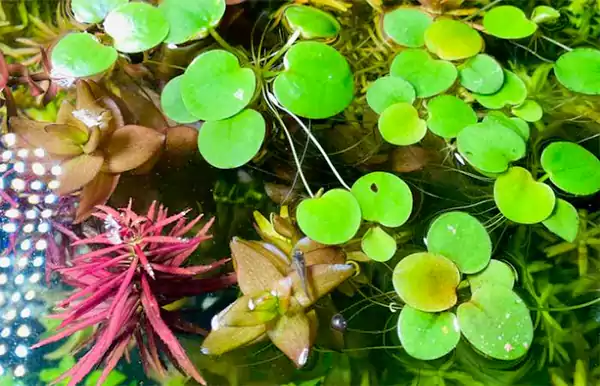
Want to make your fish tank or aquarium, look more lively and thriving? Consider adding floating aquarium plants! These plants naturally float on the surface of the water, providing shade, improving water quality, and offering a natural habitat for fish and other aquatic animals.
In this guide, I have mentioned some of the most versatile and popular aquarium floater plants, along with their key characteristics and how they help maintain a balanced ecosystem.
A Complete List of Beginner-Friendly Floating Aquarium Plants
Floating plants are aquatic plants with leaves and stems that float on the surface of the water. They are not rooted in soil or gravel; their roots hang down into the water, absorbing essential nutrients directly from it.
Duckweed, Water Hyacinth, Salvinia, and Red Root Floater are some common examples, and unlike the rooted plants, these do not need to be anchored. Here is a list of floating aquarium plants for your reference.
- Anacharis (Egeria densa)
- Duckweed (Lemna minor)
- Java Moss (Vesicularia dubyana)
- Hornwort (Ceratophyllum demersum)
- Amazon Frogbit (Limnobium laevigatum)
- Dwarf Water Lettuce (Pistia stratiotes)
- Water Sprite (Ceratopteris thalicotoides)
- Cobomba (Cobomba caroliniana)
- Water Spangles (Salvinia minima)
- Water Wisteria (Hygrophila difformis)
- Pennywort (Centella asiatica)
- Rotala indica
- Mosquito Fern (Azolla filiculoides)
- Ludwigia Repens
- Floating Crystalwort (Riccia Fluitans)
- Red Root Floater (Phyllanthus Fluitans)
- Pearlweed (Hemianthus Micraanthemoides)
- Christmas Moss (Vesicularia montegnei)
- Amazon Sword
- Java Fern
Water plants act as natural filters in aquariums and fish tanks. These can be easily grown in small containers or jars and placed anywhere, as they do not take up much space.
10 Easy-to-Grow Floating Plants for Aquarium
Isn’t it fascinating how growing indoor houseplants is possible without the hassle of preparing a soil mix? Given below is a list of some of the best floating aquarium plants or water plants that are not only easy to grow but also offer shade and shelter to aquatic animals.
Anacharis (Egeria densa)
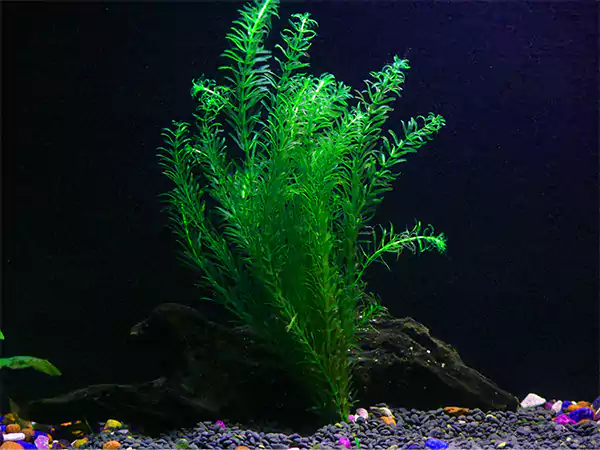
Anacharis (Egeria densa), or popularly known as Brazilian waterweed, is one of the most common floating aquarium plants. It is a fast-growing freshwater plant that is hardy and affordable, making it a good choice for someone who is planning to start with aquatic plant tanks.
- Appearance: Bright green and delicate leaves in a bushy structure.
- Growth Rate: Rapid growth (16-40 inches tall).
- Lighting Exposure: Requires moderate to high sun exposure and prefers growing in cooler water.
Duckweed (Lemna minor)
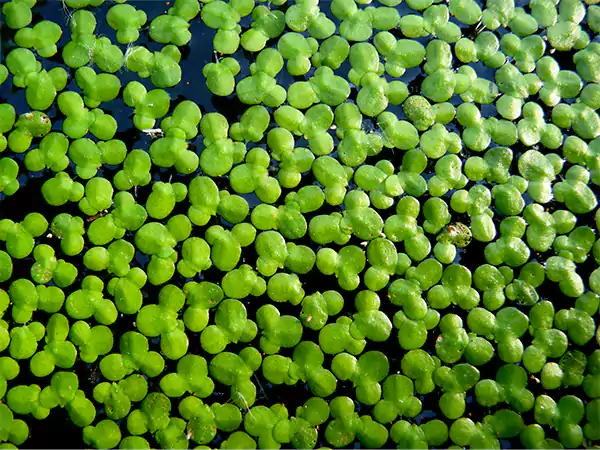
Duckweed is a low-light indoor plant also known as an aquarium floater plant. It is a freshwater plant that forms a green carpet on the water’s surface. I find it incredibly fast-growing and easy to maintain. The small, round leaves have short roots that hang in the water, absorbing excess nutrients that help the plant flourish.
- Structure: The plant consists of a single, flat, oval-shaped green fronds that spread like a mat on the surface of the water and lacks stems.
- Growth Rate: Reproduces rapidly, mainly through an asexual method, and can cover the surface if not controlled promptly.
- Lighting Exposure: Thrives in low to moderate light but grows even faster under bright sunlight.
Java Moss (Vesicularia dubyana)
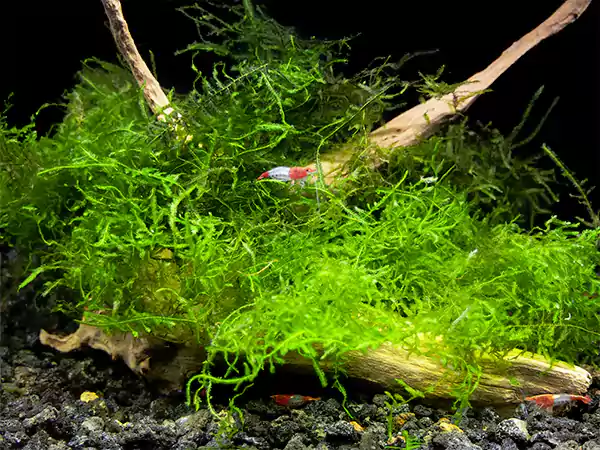
Java Moss is a hardy, low-maintenance aquatic plant that I often recommend for beginners. It forms soft, dense green mats that attach easily to rocks, driftwood, or decorations. Being one of the best floating plants for aquarium, Java Moss improves water quality, provides excellent hiding spots, and grows well in a wide range of tank conditions.
- Appearance: Fine, delicate, bright to deep green moss with irregular branching stems that create a fluffy texture.
- Growth Rate: Moderate to fast growth, especially in nutrient-rich tanks.
- Lighting Exposure: Adapts well to low to moderate light, though higher light exposure encourages dense growth.
Hornwort (Ceratophyllum demersum)
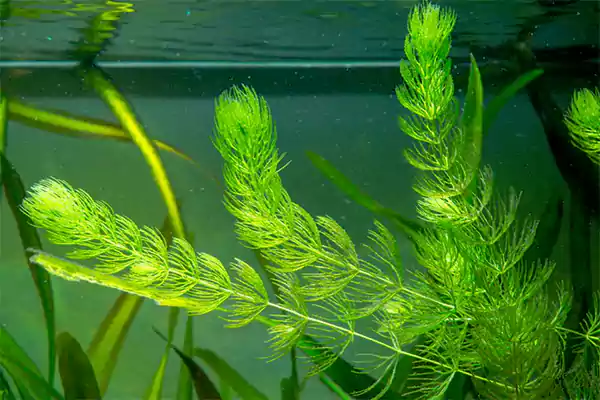
Hornwort is a hardy, rapidly growing terrarium plant that I find perfect for beginner aquariums. It can float freely or be loosely anchored. Make sure to trim the strands whenever needed so they do not overwhelm your fish or small turtles.
Hornwort helps absorb excess nutrients, improves oxygen levels, and naturally reduces algae while providing shelter for fish and other aquatic animals.
- Appearance: Long stems covered with thin, needle-like, bright green leaves that create a feather-like look.
- Growth Rate: Very fast-growing and can quickly fill space in the tank.
- Lighting Exposure: Thrives in low to moderate light.
Amazon Frogbit (Limnobium laevigatum)
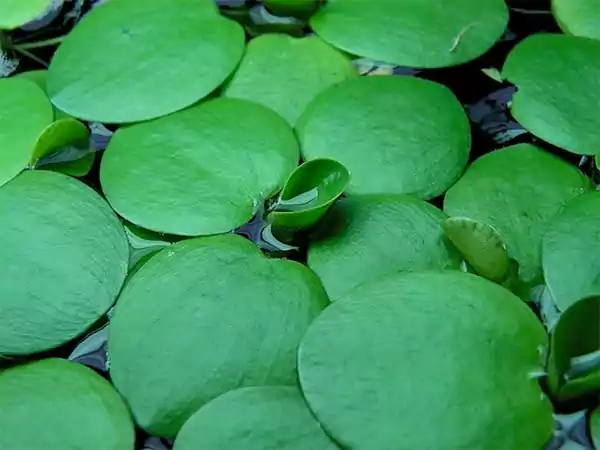
I think of Amazon Frogit like an aquatic clover. Apart from being a popular floating aquarium plant, it is also one of the most decorative and easy-to-care-for species. Furthermore, it floats on the water surface with long trailing roots that provide shelter for fish and fry. Frogbit also helps reduce algae and absorbs all the essential nutrients needed to maintain better water quality.
- Appearance: Round to oval bright green leaves that float on the surface with long roots hanging below.
- Growth Rate: Fast-growing under good conditions, and can spread across the surface quickly.
- Lighting Exposure: Prefers moderate to bright light for healthy growth.
Dwarf Water Lettuce (Pistia stratiotes)
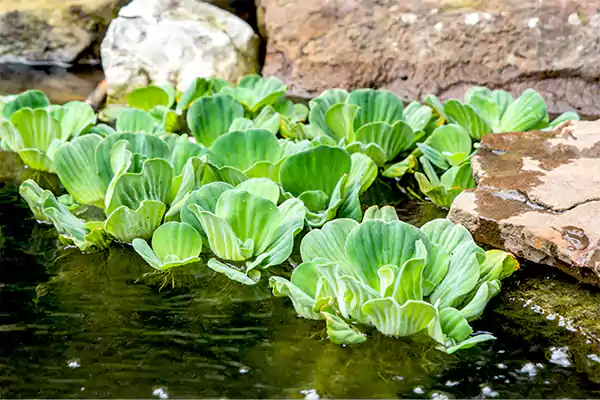
Dwarf Water Lettuce is one of the best aquarium floater plants that I like for its soft, rosette-shaped leaves and unique appearance. It floats on the water surface while its long roots hang down, offering natural shelter for fish. If your aquarium has deeply submerged plants, they may not receive adequate sunlight due to the presence of Water Lettuce.
- Appearance: Velvety, light green leaves arranged in small rosettes that resemble miniature lettuce heads.
- Growth Rate: Moderate to fast-growing and spreads across the water surface in favourable conditions.
- Lighting Exposure: Moderate to bright, indirect light is best to keep the plant healthy and prevent the leaves from curling.
Water Sprite (Ceratopteris thalicotoides)
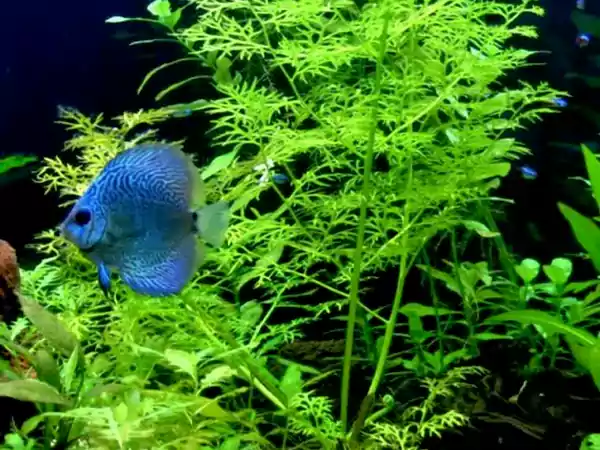
Water Sprite is one of the most well-known aquatic plants and is also popularly called Water Fern or Indian Fern. This is a versatile plant that can be grown as a floating species or be planted in the soil.
It absorbs excess nutrients, improves water quality, and provides a dense cover for fish, making the tank look lush and natural. Foxtail Fern or Boston Fern are some famous cultivars of the plant.
- Appearance: Bright green, lace-like leaves that look similar to fern fronds, forming a light and feathery structure.
- Growth Rate: Fast growth and spreads quickly when the right nutrients are available.
- Light Exposure: Grows well in low to moderate light, but bright light encourages fuller and healthier foliage.
Cobomba (Cobomba caroliniana)
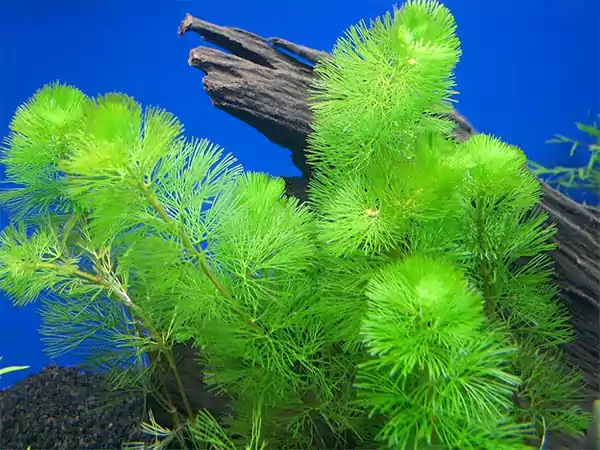
Cobomba is a delicate freshwater aquarium plant known for its soft, fan-shaped foliage. I find it especially attractive for creating a lush, natural background in aquariums.
While this is usually planted in substrate, it can also float freely in the water. Its dense foliage offers a natural environment that many small fish can enjoy exploring.
- Appearance: Fine, feathery leaves arranged in fan-like whorls along slender green stems, giving the plant a soft, bushy look.
- Growth Rate: Moderate to fast growth when provided with stable water conditions.
- Lighting Exposure: Prefers growing in bright lighting to maintain its vibrant color and compact shape.
Water Spangles (Salvinia minima)
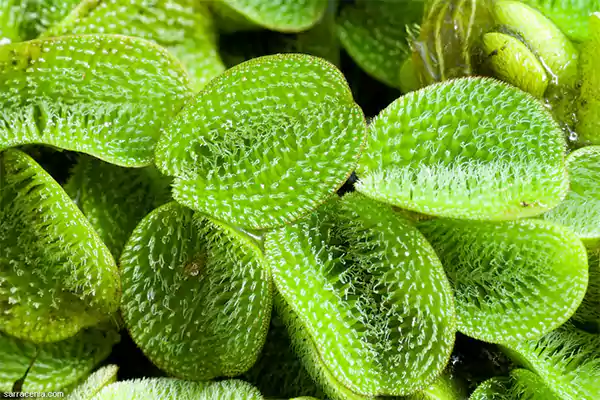
Water Spangles are often mistaken for a cultivar of Amazon Frogbit. These are small floating ferns that I find perfect for adding soft greenery to the surface of the water. It spreads gently across the water and creates a calm, natural look. Because it stays relatively small, it works well for both nano tanks and larger aquariums.
- Appearance: Tiny oval leaves with a slightly textured surface that float on water in clusters, with short root structures hanging below.
- Growth Rate: Moderate to fast-growing and gradually spreads across the surface of the water.
- Lighting exposure: Water spangles perform well under typical aquarium lights. They prefer to grow under low to high-intensity light.
Water Wisteria (Hygrophila difformis)
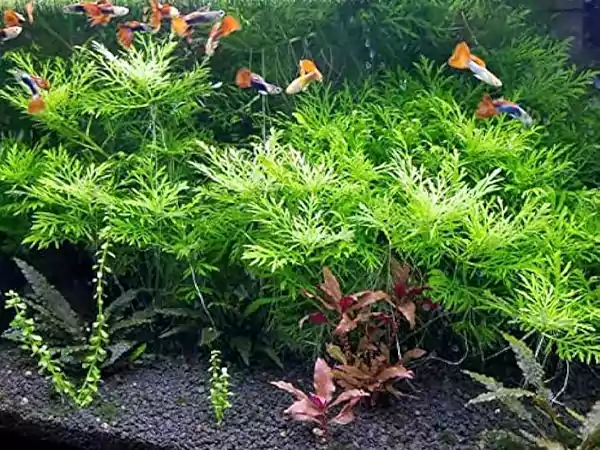
If you are planning to add a water plant that has a unique shape and adaptability, Water Wisteria might be an excellent option. It can be planted in the substrate or allowed to float, making it useful for different design styles. Furthermore, it grows rapidly, filling empty spaces in the tank and creating a vibrant look.
- Appearance: Light green, deeply lobed leaves with a lace-like structure that becomes broader as the plant grows.
- Growth Rate: Fast growing, especially in well-lit aquariums with sufficient nutrients.
- Lighting Exposure: Grows well in moderate light but gets fuller and bears more detailed leaves under bright light.
These are some of the most popular and beginner-friendly aquarium floating plants. Besides being visually appealing, they also help maintain the ecosystem’s balance.
An Extended List of Aquarium Floater Plants
If you wish to explore more options beyond the common floater plants, this extended list might help you discover some of the best floating aquarium plants.
| S.no | Plant Name | Image | Description |
| 11. | Pennywort (Centella asiatica) | 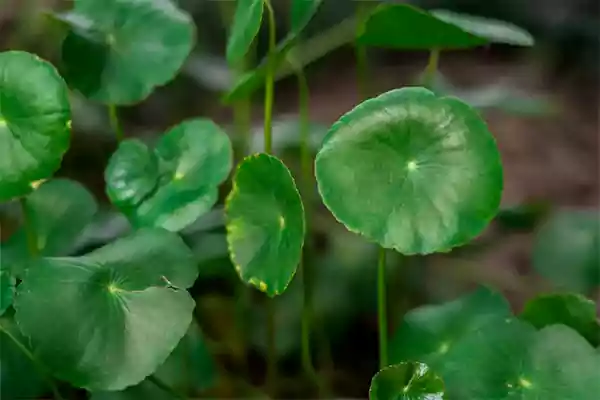 | Pennywort is a versatile, fast-growing, creeping aquatic plant with fan-shaped leaves and rooting stems. |
| 12. | Rotala indica | 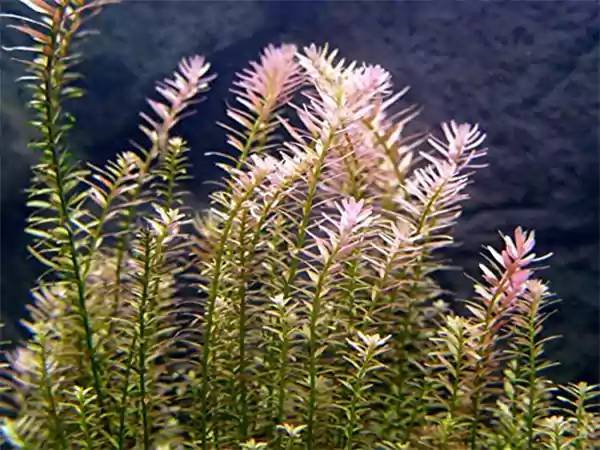 | Rotala indica, also known as Indian Toothcup, is a freshwater plant popular for its oval-shaped leaves that change color from green to pink. |
| 13. | Mosquito Fern (Azolla filiculoides) | 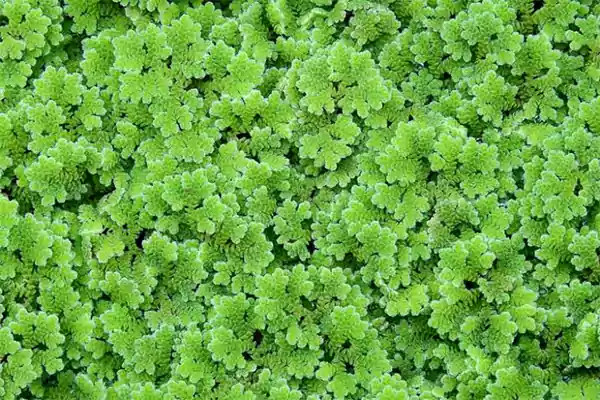 | Mosquito Fern is a free-floating water plant that forms a dense mat on the surface of the water and is highly reproductive. |
| 14. | Ludwigia Repens (Rubin) | 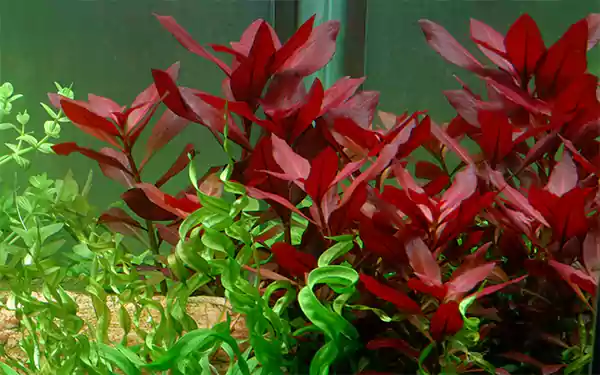 | Ludwigia Repens is a famous, rapidly growing, stem plant with deep red, ruby colored leaves. It requires regular pruning and nutrient rich substrate for optimal growth. |
| 15. | Floating Crystalwort (Riccia Fluitans) | 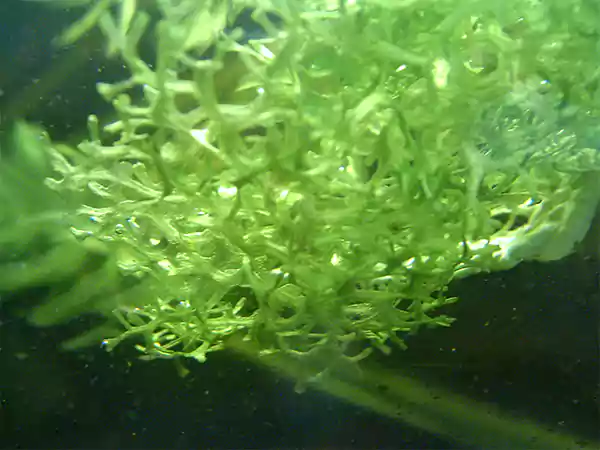 | Floating Crystalwort is an escalating, bright green, nonflowering plant that forms clusters and tangled mats on or just below the surface of the water. |
| 16. | Red Root Floater (Phyllanthus Fluitans) | 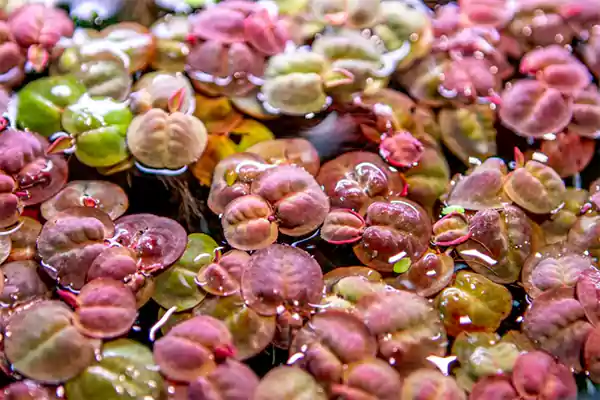 | The Red Root Floater is an easy-to-care-for aquatic plant, popular for its vibrant red roots and leaves that turn pinkish red when exposed to extreme sunlight. |
| 17. | Pearlweed (Hemianthus Micranthemoides) | 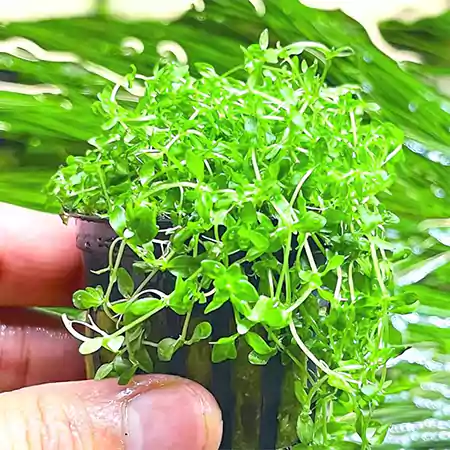 | Pearlweed is a versatile stem plant ideal for beginners. The small light green leaves of the genus are capable of growing 5-8 inches per month. |
| 18. | Christmas Moss (Vesicularia montegnei) | 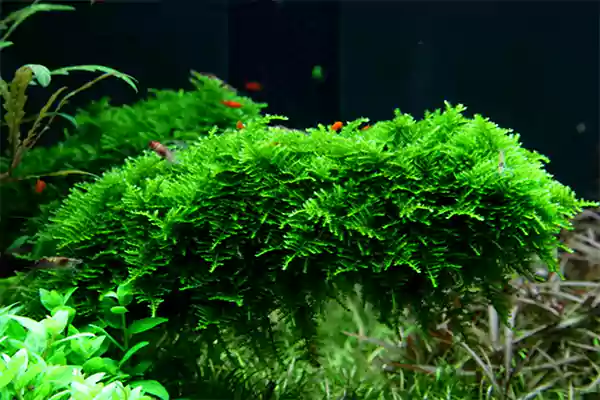 | Christmas Moss is one of the most widely appreciated aquatic plants. Its unique growth pattern makes it a popular choice to enhance the aesthetics of the tank. |
| 19. | Amazon Sword | 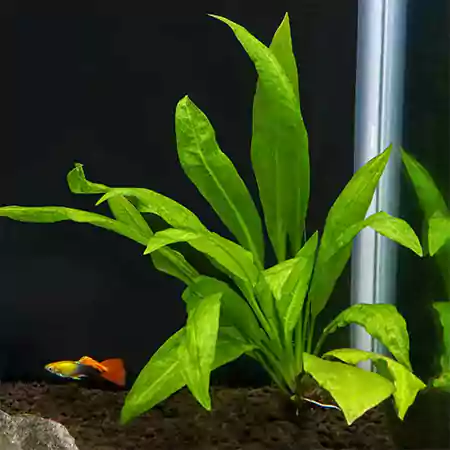 | This water plant is known for its hardiness, and its ability to thrive in even extreme conditions makes it suitable for beginners. Its rosette and lance-shaped leaves are its most striking feature. |
| 20. | Java Fern | 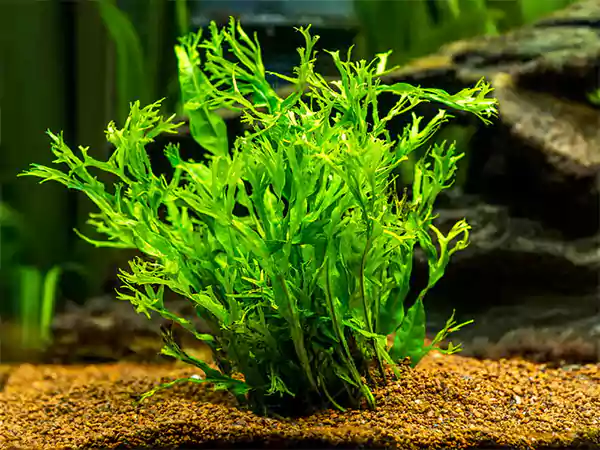 | Java Fern is a slow-growing, floating aquarium plant ideal for beginners. The leather-like, dark green leaves of the genus make it a visually appealing addition to any fish tank. |
How to Care for Aquarium Floating Plants?
When I add floating plants to my aquarium, I make sure that most of them are low-maintenance and do not require frequent attention. However, they do need the right balance of light, nutrients, and regular trimming to stay healthy.
Here are a few key steps that I follow to make sure that my floating aquarium plants are in the best of their health.
- Provide the Right Lighting: Most floating plants grow well under low to moderate light. If the exposure is too weak, growth may slow down. Species that are on the surface of the water typically receive more light than those submerged or planted in substrate.
Too much intense light can also cause algae problems; therefore, maintaining the right balance is crucial. I prefer using appropriate aquarium lights to promote robust growth.
- Maintain Good Water Flow: Maintaining good water flow and keeping a check on the quality is essential. Floating plants prefer gentle or moderate water movement. Using a high-power filter can hinder the growth of the plant by constantly pushing it around.
Regular testing and monitoring of essential water parameters such as ammonia, nitrate, and phosphate levels can significantly improve plant health.
- Control Overgrowth Regularly: I prefer pruning or trimming the plants that have an excessive growth rate. This prevents overshadowing various species and nutrient depletion.
Pruning and propagation not only assist in effective plant management but also enable you to grow new plants by separating healthy sections for independent growth.
- Separating Damaged Leaves: Trimming unhealthy leaves helps keep the plant looking fresh and prevents decay from affecting the rest of the aquarium. Most floating plants do not like their leaves getting wet, and placing them under a water outlet can hinder their growth.
I usually isolate any new floating plant before putting it in an aquarium. This helps me prevent the spread of any pest or unwanted algae to my tank.
Just like me, if you also follow these simple care tips, your floating aquarium plants will also thrive and flourish. Growing floating plants can be a rewarding experience if you decide to put in a little effort.
How Many Floating Plants Can I Add to My Tank?
When I first started adding floater plants to my aquarium, one question kept coming up: How much floating plants is too much? And I noticed this confusion isn’t just mine. Many beginners are asking the same thing on various forums and community groups.
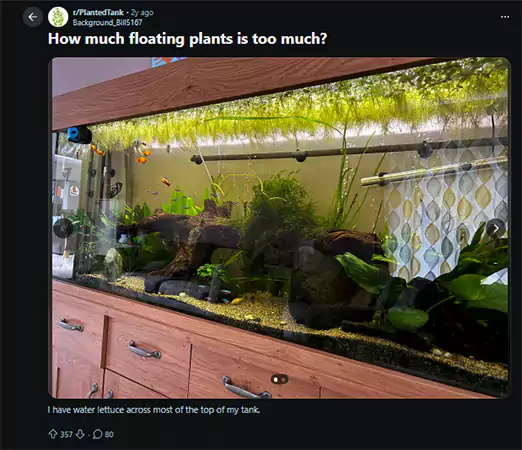
Over time, I have realised that mindlessly adding plants to the tank will only suffocate them. The simple rule that I follow is to start with small ones and allow them to spread naturally.
Cover only 25-40% of the aquarium initially, and leave some open areas for the light so that it can reach the fish and other submerged plants. Since these types of plants grow fast, it is best to begin with one or two species, monitor their growth rate and structure, and plan accordingly.
Conclusion
Floating aquarium plants are one of the easiest ways I can make my tank look natural while also creating a healthier environment for fish. From beginner-friendly plants like Duckweed and Amazon Frogbit to decorative ones like Water Spangles, I have grown almost all these floater plants, and one thing that I can be sure of is how these species need minimal care.
I simply make sure that the trailing leaves are being pruned on a timely basis, and my submerged plants also receive some sun exposure. With a few easy tips and tricks, my fish tank is thriving and looks surreal.
FAQs
What are some of the best floating aquarium plants?
Some of the best floating water plants are Java Fern, Amazon Sword, Christmas Moss, Water Wisteria, Spangles, and Duckweed.
What are the benefits of floating plants?
There are numerous benefits of adding floating plants, such as improvement in water quality, temperature control in the tank, aquatic animal safety, and reduced formation of harmful algae.
How can I take care of my water plants in my fish tank?
Make sure that you are providing the plants with the right amount of sun exposure. Also, try adding liquid fertilizer in small amounts, as they act as natural filters and do not let the plants die easily.
How can I manage the growth of my aquatic plants?
To manage the growth of your aquatic plants, be sure to trim or prune them regularly. This will not only help them in maintaining their shape but also restrict them from overshadowing other slow-growing water plants.
- Floating Aquatic Plants – Clemson University, South Carolina
- Flowering Floating Plants – UK Aquatic Plant Society
- Explore the Rarely Seen World of Freshwater Plants– Michigan State University