Surprises can be found above ceilings, beneath floors, and behind walls in older homes.
During a renovation, some of those surprises pose actual health risks. One of the main issues is asbestos, particularly in homes constructed prior to the countrywide ban.
Paint colours, tile samples, and layout concepts are common starting points. However, before any demolition starts, you must pay attention to safety.
As you embark on your renovation journey, remember that each layer you peel back reveals not just the bones of your home but also the stories it holds, and safety holds the priority in such matters.
The same goes for many Gold Coast properties with older fittings and wall linings. Teams like Next Gen Demolition work in this space because safe removal needs skill, planning, and care.
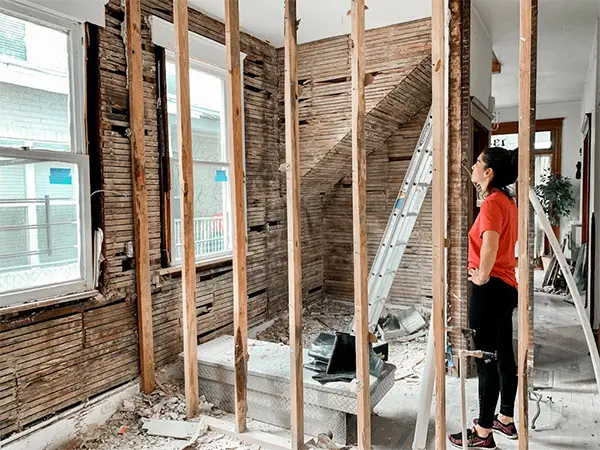
Start With the Home’s Age And Materials
Take a step back and evaluate the property before you pick up a hammer. Asbestos is frequently found in older homes in unexpected locations.
It may sit in plain sight, or it may hide behind newer finishes.
Homeowners should check before beginning any work, according to Queensland renovator guidelines. By taking this step, the possibility of damaging fibres during repairs or demolition is decreased.
It also helps you plan your budget with fewer surprises later. See the state advice for home renovators.
Where Asbestos Often Shows Up
Asbestos cannot be confirmed by a cursory visual inspection, but it can assist in identifying high-risk areas. Older products are often found in common areas of the house.
Pay close attention to these materials before any renovation work starts.
- Vinyl floor tiles and old backing sheets
- Bathroom wall linings and laundry panels
- Eaves, fences, and garage walls
- Corrugated roofing and cement sheeting
- Textured ceilings and wall patching compounds
On the surface, these materials might appear stable. When someone drills, cuts, sands, or breaks them, issues start. Fibres can be released into the air by even minor tasks.
A good renovation plan should cover more than design choices and budgets. It should also account for hidden site risks and work stages.
That early preparation is well-suited to a basic planning guide for home renovations.
Know When DIY Should Stop
A lot of homeowners like doing some of the renovations themselves. Cleaning, painting, and changing out fixtures frequently seems doable.
The removal of asbestos falls into a completely different category.
Once asbestos is disturbed, the risks to one’s health and legal standing quickly increase. According to Queensland regulations, a licensed class A removalist is required to remove friable asbestos.
More than 10 square metres of non-friable asbestos also needs a licence or homeowner certificate. You can review the rules on the Queensland homeowners certificate page.
Signs The Job Needs A Professional
Taking a practical approach to the work is beneficial. When the work has gone beyond do-it-yourself, there are usually a few warning indicators. Stop working and seek advice if you see any of these.
- The material looks cracked, soft, crumbly, or broken
- The work involves cutting, grinding, sanding, or demolition
- The area covers several rooms or outdoor sections
- Dust may spread through vents, open doors, or shared areas
- Other people or pets stay near the work zone
Small renovation jobs often feel harmless at first. Still, one damaged sheet or broken tile can create a much bigger issue. Once fibres spread, cleanup becomes harder and more expensive.
Homeowners frequently make the biggest mistakes at this point. They believe that a speedy removal will save time.
In many cases, it only adds risk and slows the project later.
Prepare The Site Before Any Removal Starts
Long before the first panel is removed, safe asbestos work begins. The site requires a solid waste plan, well-defined boundaries, and proper setup.
Without those steps, dust and debris may move through the home.
Homeowners and tradespeople must protect others from airborne fibres, per Queensland regulations.
Coworkers, neighbours, and family members are less exposed when the site is managed well. It also keeps the rest of the renovation on track.
What Good Site Preparation Looks Like
A proper setup does not happen by accident.
It begins with a well-defined procedure. These actions make it easier to clean and help maintain control over the area.
- Restrict access to the work zone
- Isolate nearby rooms and open pathways
- Use the right wet methods to reduce dust
- Wrap and label waste before transport
- Keep asbestos waste separate from general debris
This part of the job links closely with general site cleanup. Renovation waste builds up fast, even on small jobs.
A practical guide to managing renovation waste helps frame the bigger picture, while asbestos waste still needs separate handling.
After removal, cleanup also requires attention. Fibres may be further dispersed by casual vacuuming and dry sweeping.
Queensland recommends controlled cleaning methods and approved disposal steps through its cleanup and disposal guidance.
Ask Better Questions Before Hiring Anyone
Comparing prices is only one aspect of hiring the best contractor. You want to know more about the team’s operations, risk management, and licences.
Clear questions often reveal the difference between careful operators and rushed ones.
This part of the process gives you more confidence before work begins. It also helps you compare quotes on safety steps, not just labour. A good contractor should answer plainly and without dodging details.
Questions Worth Asking
These questions keep the conversation focused and useful. They also help you spot weak processes early. Ask them before anyone starts the job.
- What asbestos licence do you hold
- How will you contain the work area
- Who handles transport and disposal
- What happens if friable asbestos appears
- Will I receive clearance records after removal
According to Queensland guidelines, licensed assessors are responsible for clearance inspections and air monitoring following friable removal.
That extra layer helps confirm the site is safe before other trades return. You can read more on the Queensland home renovator guidance.
If a contractor gives vague replies, take that seriously. Safe asbestos removal depends on planning, paperwork, and careful site control. You want clear answers, not guesswork.
Keep Safety At The Front Of The Renovation
Renovations already bring enough moving parts without adding preventable health risks. A careful asbestos check keeps the project safer from the very beginning.
Additionally, it protects your neighbours, your family, and all of the workers.
The best results typically start with a single, simple choice. Examine out-of-date materials, take a break prior to demolition, and, if required, hire experts.
This method keeps your renovation much easier to manage, safer, and cleaner.
The Bottom Line
A makeover to give your new house a unique look seems essential when you move in. This enhances the aesthetics of your house while shielding you from dangerous materials like asbestos.
Following the guide as mentioned above can help you remove it with ease without any consequences.
Therefore, your home renovation will not only appear beautiful but will also make it secure.
How to safely remove asbestos from your house?
To remove asbestos from your house, the first step is to make sure the people handling it are well-skilled and qualified in handling asbestos.
What is the most harmful type of asbestos?
Crocidolite is the most harmful type of asbestos. The fibres of this blue mineral are extremely thin, allowing them to lodge more easily in lung tissue.
What is type 2 asbestos?
The type 2 asbestos poses the risk of asbestos exposure to workers, which is moderate. And since exposures are likely to occur, precautions must be taken.
Which asbestos is the best?
Chrysotile is the most commonly used asbestos. It makes up 90-95% of the asbestos used in making a building.