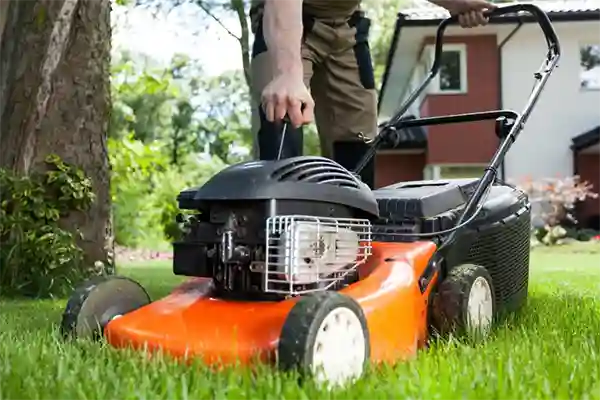
Why does a lawnmower that worked just right last season suddenly struggle to even turn on the next? In most cases, it’s not the machine, but its lack of maintenance.
Lawn mowers are built to handle tough outdoor conditions, but they still rely on regular care to perform without interruptions. Small issues in its components, like blades, filters, or oil, can gradually reduce performance or even lead to expensive repairs.
Here are five essential tips every homeowner should follow to keep their lawnmower running smoothly.
Key Takeaways
- The oil present in the mower is responsible for lubricating parts of the engine smoothly, ensuring proper function.
- Dull blades tend to tear grass instead of cutting it evenly, thereby damaging your lawn.
- Dust-filled air filters can block the airflow, leading to increased consumption of power and lower performance.
- Old and contaminated fuel can significantly affect the performance of a lawnmower, shortening its life by a lot.
1. Change the Oil Regularly for Better Engine Health
Just like any engine, your lawnmower depends on clean oil to function properly. Over time, the oil breaks down and gathers dirt and debris, thereby reducing its ability to lubricate the parts of the engine smoothly.
Ignoring these changes can lead to overheating, increased wear, and eventual engine damage.
That’s why it’s important to check and replace oil at regular intervals, especially during peak mowing season. Using the right oil for lawn mower ensures proper lubrication and helps extend the life of your engine.
However, choosing high-quality oil suited to your mower type can make a big jump in performance. If you’re unsure about finding the right oil, some reliable online guides and resources, such as those provided by Park City Power Equipment, assist homeowners in understanding the right oil types and maintenance practices to keep their equipment running efficiently.
Last but not least, to stay on track:
- Check oil levels before regular use.
- Replace oil as recommended by the manufacturer.
- Use oil suited to your mower’s engine type.
Consistent oil care is one of the simplest ways to prevent long-term damage.
2. Keep the Blades Sharp and Balanced
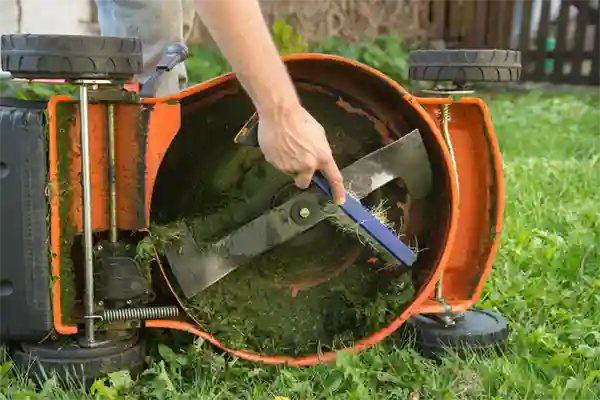
The quality of your lawn cut depends mostly on the current condition of your mower blades. Dull blades tend to tear grass instead of cutting it cleanly, which can damage your lawn and end up making it look uneven.
Sharp blades not only improve appearance but also reduce strain on the engine. When blades are dull, the mower has to work harder, which affects performance and fuel efficiency.
Maintaining your blades helps:
- Achieve a cleaner, more even cut.
- Reduce stress on the engine.
- Improve overall mowing efficiency.
It’s a good practice to sharpen blades regularly and check for any signs of visible damage on them. Balanced blades ensure smoother operation and prevent unnecessary wear on the machine.
3. Clean the Undercarriage After Each Use
Grass clippings, dirt, and debris tend to build up under the mower deck. With time, this accumulated buildup can block airflow, reduce the cutting efficiency, and even lead to rust. Cleaning the undercarriage after each use allows for consistent airflow, keeping your mower performing at its best.
A clean deck ensures:
- Better cutting performance.
- Reduced risk of corrosion.
- Longer lifespan of mower components.
Taking a few minutes to remove debris after mowing can prevent bigger maintenance issues later.
Pro Tip
To keep grass healthy, you should never cut more than 1/3rd of the grass blade height at one time.
4. Check and Replace Air Filters When Needed
Air filters play a significant role in keeping dirt and debris out of your engine. A clogged or dirty filter blocks airflow, which can slow down performance and increase consumption. Over time, filters gain dust and need to be cleaned or replaced.
Maintaining your air filter helps:
- Improve engine efficiency.
- Reduce fuel usage.
- Prevent internal engine damage.
Depending on usage conditions, it’s important to inspect the filter regularly and replace it when necessary. A clean filter keeps your engine running smoothly.
5. Inspect Spark Plugs and Fuel System
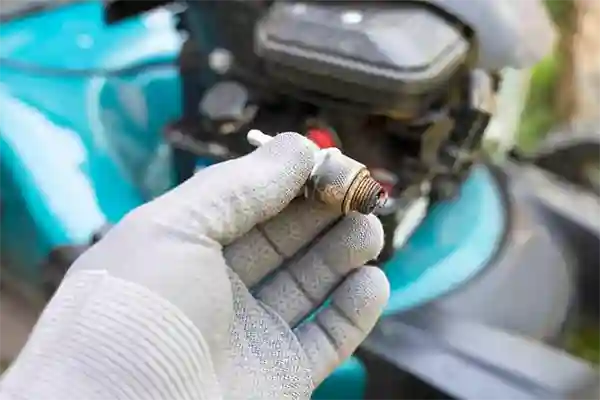
Spark plugs are responsible for igniting the fuel that essentially powers your mower. If they become dirty or worn out, you may struggle to start or even stop in between. Similarly, old or contaminated fuel can affect performance and lead to engine issues.
Regular inspection ensures:
- Easier starting.
- Smoother engine operation.
- Better fuel efficiency.
Simple steps like cleaning or replacing spark plugs and using fresh fuel can make a noticeable difference in how your mower performs. Keeping the fuel system clean also helps prevent blockages and ensures consistent operation.
Final Thoughts
Lawn mower maintenance doesn’t have to be complicated. In fact, it’s the small, consistent efforts that make the biggest difference over time.
By taking care of essentials like oil, blades, filters, and overall cleanliness, you can keep your mower running smoothly and avoid unnecessary repairs. A well-maintained mower not only performs better, but it also lasts longer, saving you time, effort, and costs in the long run.
And when your equipment works smoothly, maintaining your lawn becomes a much easier and more enjoyable task.
FAQs
Q1) What are the benefits of cleaning the blades of a mower?
Ans: The following are the advantages of cleaning the blades:
- Achieve a cleaner, more even cut.
- Reduce stress on the engine.
- Improve overall mowing efficiency.
Q2) What is the use of a spark plug?
Ans: A spark plug essentials powers the system of a lawnmower. Without it, a mower wouldn’t be able to run at all, making it unusable for daily tasks.
Q3) What are the advantages of a regular inspection?
Ans: The following are the benefits of a regular inspection:
- Easier starting.
- Smoother engine operation.
- Better fuel efficiency.
Q4) Can uneven blades cause any issues?
Ans: Yes, uneven blades can make the process of clearing out grass very difficult, as the surface will always be cut in different proportions, making the lawn look untidy.