Pravi celer plants have different varieties; some have crunchy stalks, and some have loose and slim stalks. Pravi celer is a Croatian term for true celer, or Apium graveolens. However, this is a part of most kitchens,but identifying it, growing it, or storing it can be hard, especially for beginners.
This guide will explain everything related to pravi celer, including its types, different varieties, growing and harvesting methods, health benefits, and its uses.
Quick Answer
Pravi celer (Apium graveolens) means true or real celery in Croatian. This vegetable belongs to the parsley family, and it includes varieties that grow aromatic leaves, crunchy stalks, and edible roots. This plant is rich in water and provides fiber and multiple vitamins.
What Is Pravi Celer?
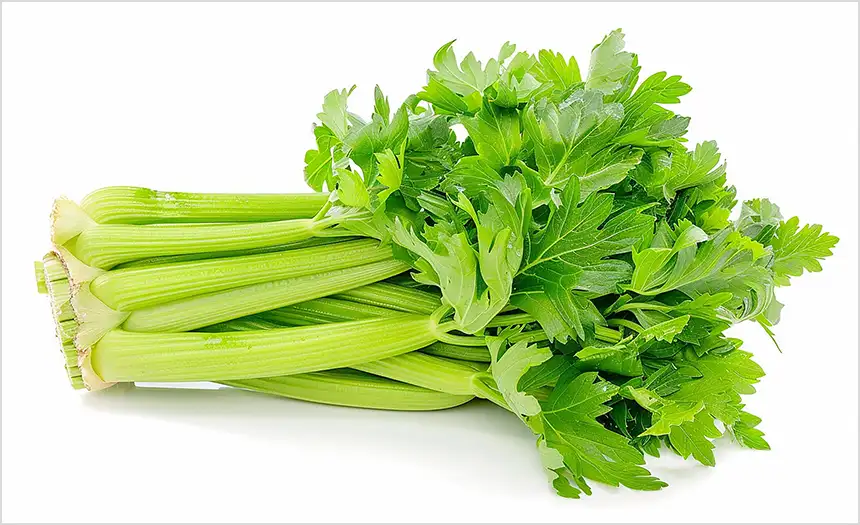
Pravi celer is a Croatian or Bosnian term for true or real celery. The botanical term for pravi celer is Apium graveolens. This plant is a part of the Apiaceae family, and it’s an annual growing vegetable. This plant is native to Europe, the Mediterranean region, and Western Asia. The celery plant has been cultivated for centuries for the edible stalk, aromatic leaves, seeds, and, most importantly, the enlarged root-like structure.
Pravi celer is a common name that is associated with the celery species that includes three types that are stalk celery, leaf celery, and celeriac. These plants are different in appearance, flavor, and the parts harvested for consumption.
What Does Pravi Celer Mean in English?
The word pravi means real or true, and in Croatian, the word celer means celery. The English meaning of pravi celer is true celery or real celery. This phrase is used as a traditional and authentic form of celery; it does not mean that this plant is healthier or more nutritious or superior in any way to other celery types.
Is Pravi Celer the Same as Regular Celery?
Yes, Pravi celery is similar to regular celery; it belongs to the same botanical species. Pravi celer is a regional expression of celery; it has several cultivated forms. Like regular stalk celery that is available in grocery stores, it grows thick and crunchy stalks. Whereas leaf celery produces aromatic foliage, it develops a large, swollen edible base.
How to Identify Pravi Celer? (Apium graveolens)
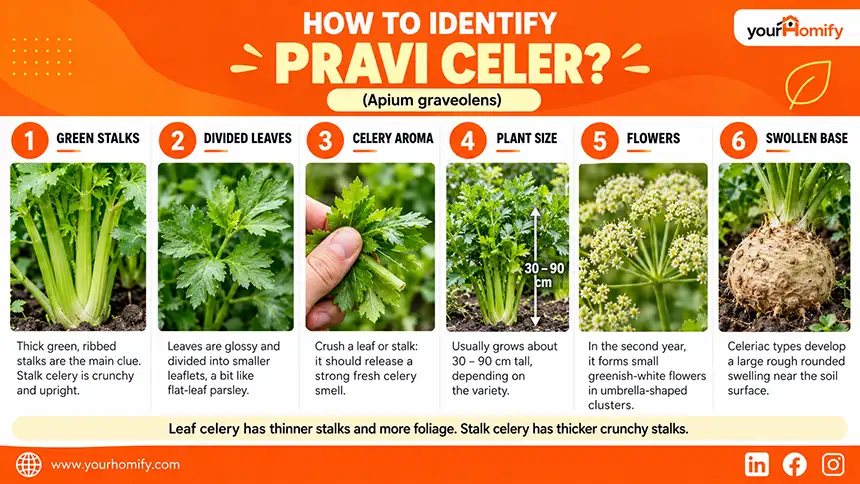
You should focus on three things: green stalk, divided leaves, and celery aroma to identify pravi celer. The plant grows up to 30 to 90 cm tall. The leaves are glossy, have smaller leaflets, and resemble flat-leaf parsley. Stalk celery is a green plant that has thick, ribbed, and crunchy leaf stalks, while leaf stalks have thin stalks and more abundant foliage. The plants are fresh, bitter, and start flowering by the second year. Celery plants produce small clusters of greenish-white flowers arranged in an umbel shape. This plant has a large, rough, rounded swelling near the soil surface that makes it different from others.
Types of Pravi Celer
Pravi celer belongs to Apium graveolens, which has three main types: stalk celery, leaf celery, and celeriac. Although they all belong to the same species, each of them has a different edible part, and their appearance, texture, and culinary uses also vary.
Learn about the types of celery plants.
1. Stalk Celery
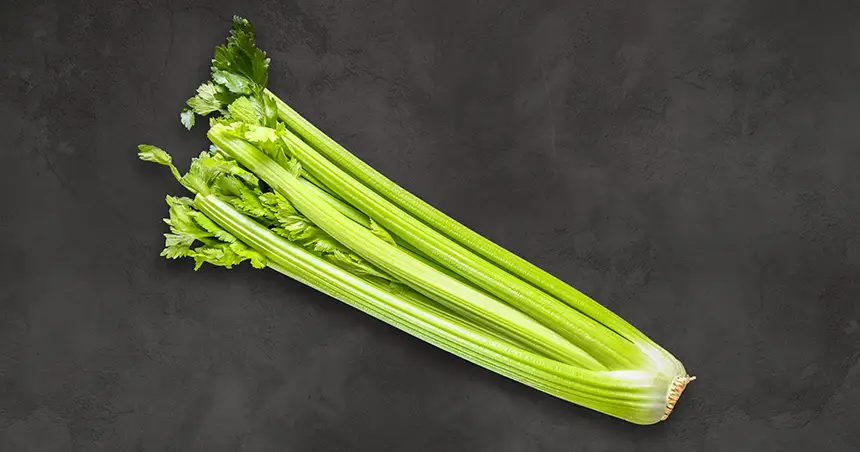
Stalk celery is also known as pascal celery. This is the most commonly available variety that is found in grocery stores. This plant is cultivated for its long, thick, or crisp leaves that are green or pale green in color. They have a very mild, slightly earthy flavour with high water content and can be consumed raw in salads, crunchy snacks, or cooked in soup, stew, or other dishes. The popular cultivar types are Tall Utah, Golden Boy, Conquistador, and Monterey.
2. Leaf Celery
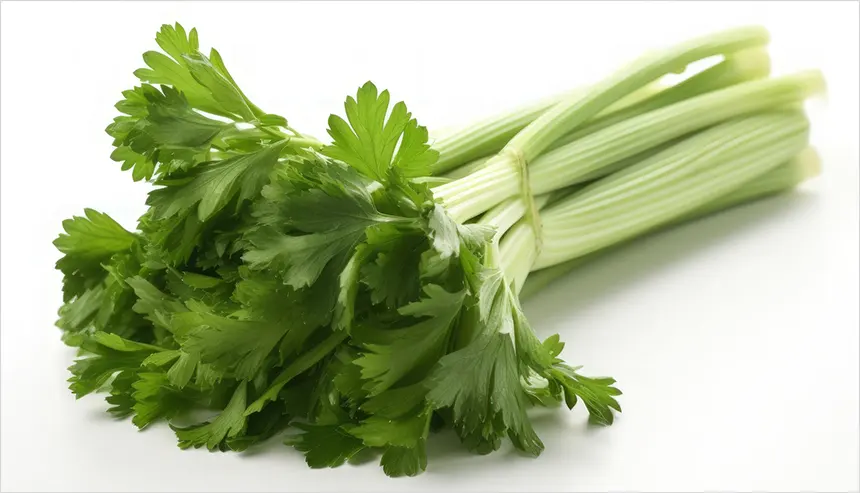
Leaf celery is also called cutting celery or Chinese celery; this variety is grown for the aromatic leaves rather than the stalks. They produce thin stalks and abundant foliage. The leaves are stronger, with concentrated celery flavour that makes it best for garnishing soups, broths, sauces, and other dishes; this is mainly used in the Asian and European areas. The commonly found varieties are Par-Cel, Safir, and Flora 55.
3. Celeriac (Celery Root)
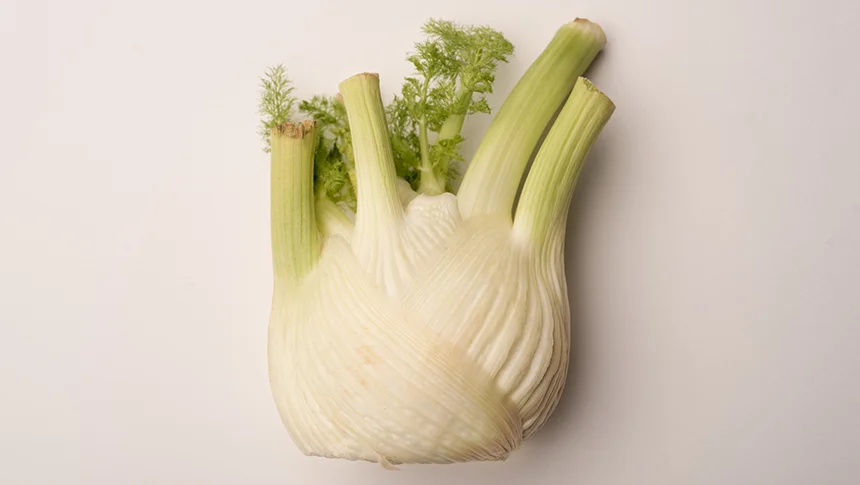
Celeriac is commonly known as celery root. This variety is cultivated for the large, round, and knobby edible base rather than its stalk. This plant develops swollen structures that consist of an enlarged hypocotyl and upper root. Under the rough, brownish exterior, there is a firm, creamy white flesh that has a mild, earthy, and nutty flavour. This plant is grown for its swollen base, which can be eaten raw or cooked. It is commonly consumed in soup, stew, salad, and mashed vegetables.
How to Grow Pravi Celer at Home

Pravi celer plants grow in cool season, it requires fertile soil, consistent moisture and a moderate temperature. To grow the plant from seeds, you need moderate temperatures, suitable growing conditions, and patience.
Let’s take a closer look at the growing requirements and the process.
Best Growing Conditions: Sunlight, Soil, and Water
Water, sunlight, and soil are the main parts of growing a plant. While growing a pravi celer plant, you need moisture-retentive soil, 6 to 8 hours of sunlight, and water the plant 2 to 3 times a week for proper growth. This also grows best in 15 to 21 degrees Celsius.
Let’s take a look at the plant’s growing requirements.
1. Soil
Pravi celer plants need rich, moisture-retentive soil. It should have good drainage, but ensure it is not drying out completely. Ensure the plant’s pH level is between 6 and 7, and add compost or manure into the soil before planting. If you have heavy clay soil then you may face waterlogging to prevent you from adding sand and organic matters.
2. Sunlight
These plants need full sunlight for 6 to 8 hours and partial shade for 2 to 6 hours a day. If you stay in a hot climate zone, then you should provide afternoon shade to the plant to prevent bolting.
3. Watering
This plant needs water at least 2 to 3 times a week. Pervi celer has shallow roots, and it wilts very quickly; that’s why water is non-negotiable for the plant, especially in dry and warm seasons. People also prefer mulching to lock in moisture, regulate soil temperature, and suppress weeds.
4. Temperature and climate
Pervi celer plants grow best in cold weather; they like when the temperature is between 15 and 21 degrees Celsius. If the day temperature is below 25 degrees Celsius, then the plant will grow very efficiently. They can endure light frosts; it also sweetens the stalk flavour.
How to Plant Pravi Celer From Seeds

To grow pravi celer plants, you have to grow a seedling indoors, then you have to transfer it to the ground. This is a slow-growing plant and will take 10-12 weeks.
Step 1: Sow the seeds
To sow seeds indoors starts 10 to 12 weeks before the last frost season. Take a tray, fill it with moist compost, spread the seeds on the surface, and lastly gently press them into the soil, but don’t cover them deeply.
Step 2: Water and sunlight
Now keep the tray in a bright location; ensure the temperature is between 18 and 21 degrees Celsius. Water the plant regularly to keep the soil moist, but ensure there is no waterlogging. Seeds usually take 14 to 21 days to germinate.
Step 3: Transplanting
After the seedling develops leaves, transplant it into pots. After the frost season has ended, you should introduce it to the outdoors a few weeks before transplanting.
Step 4: Preparation of soil
After the seedling is ready to transplant, take a pot or choose a spot for planting; ensure the spot is sunny, has fertile and well drained soil. Use well-rotted manure or mix compost into the soil to improve nutrient and moisture retention.
Step 5: Plant the Seedlings
Take seedlings and plant each of them 20 to 30 cm apart; cover the crown below the soil level and water them thoroughly after planting. This will help the roots grow.
Step 6: Maintaining and Harvesting
Provide water timely, use mulch to retain moisture and remove weeds. Use fertilizer for healthy growth. You can harvest the plant after 3 to 4 months of transplanting. You can cut the stalks near the base or harvest the full plant.
When and How to Harvest Pravi Celer
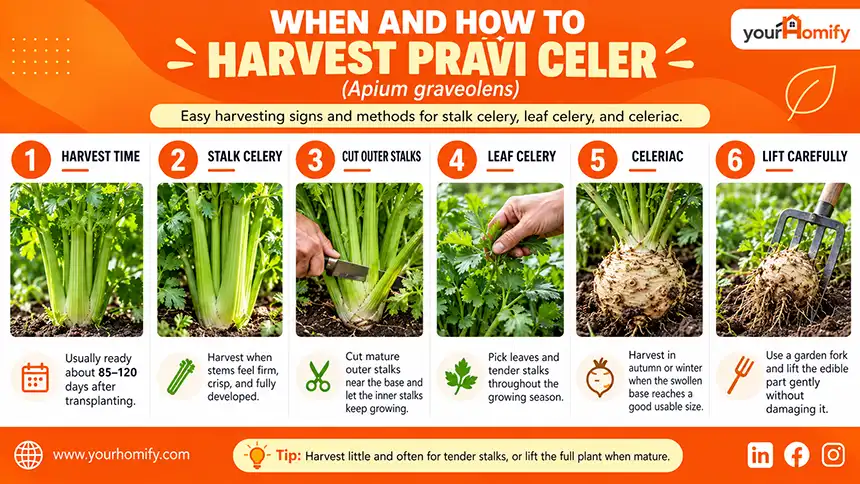
Pravi celer plants need around 85 to 120 days for harvesting after transplanting them into a garden or pot. Harvest the stalk after the stems become firm, crisp, and are fully developed. While harvesting, cut the outer stalks that are near the base to give inner stalks time to grow.
You can harvest the leaf celery throughout the growing season. Celeriac plants are usually harvested in the autumn and winter season. Harvest when the base is swollen to a suitable size. Lastly, take a garden fork and lift the edible portion without damaging it.
Common Pravi Celer Growing Problems
Pravi celer can get affected by infections if the plant is not getting favorable conditions and if it is not getting proper care. Keep checking the plant from time to time, and if you see small insects, larvae inside leaves, yellowing or brown spotting, yellow or wilted leaves, and flowering before harvesting, then you should apply the provided solutions.
Learn about the problems, their identification, symptoms, and their solution.
| Problem | Symptom | Solution |
| Aphids | Small insects gather under leaves, causing curling and yellowing. | For removal, spray a gentle stream of water on the plant for 2 to 3 days regularly. |
| Celery Leaf Miner | Larvae create pale tunnels inside leaves. | Firstly cut out the affected leaves and then use an insect-proof mesh. |
| Early Blight | Yellowish-brown spots develop on leaves. | This can be improved by improving airflow and improving watering. |
| Fusarium Wilt | The leaves gradually turn yellow or wilt. | Grow some varieties that are resistant to this and rotate crops. |
| Bolting | Plants produce flowers before harvest. | Avoid prolonged exposure to extreme temperatures |
Pravi Celer Nutrition Facts and Nutritional Value
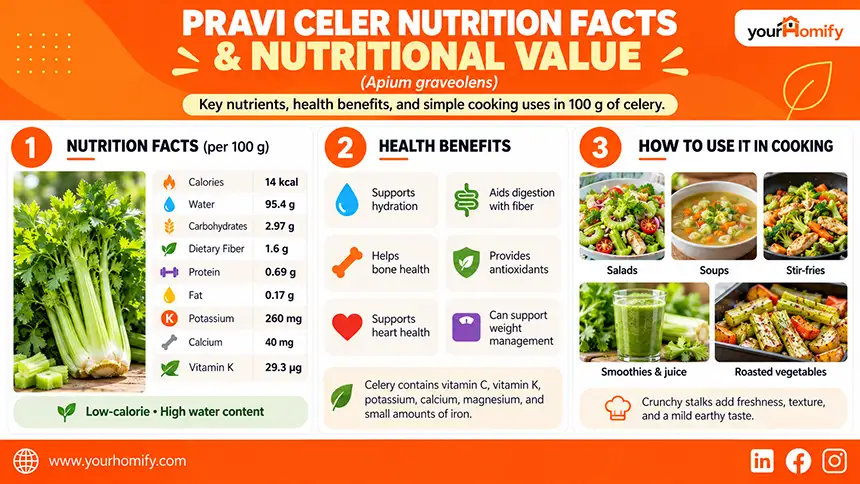
Pravi celer is a low-calorie vegetable; it contains 95% water and multiple nutrients. Take a look at the dietary benefits in 100 gm of pravi celer.
| Nutrient | Amount |
| Calories | 14 kcal |
| Water | 95.4 g |
| Carbohydrates | 2.97 g |
| Dietary Fiber | 1.6 g |
| Protein | 0.69 g |
| Fat | 0.17 g |
| Potassium | 260 mg |
| Calcium | 40 mg |
| Vitamin K | 29.3 µg |
Health Benefits of Pravi Celer
This plant contains vitamin C, vitamin K, potassium, and fiber. They also have antioxidant properties, support digestion, and improve bone health.
It also has calcium, magnesium, and a small amount of iron in it. The fiber helps in enhancing intestinal transit and improving gut health. The phthalides help in muscle relaxation, and the potassium and calcium improve cardiovascular health. This plant also has natural components that improve kidney function and support liver health. This plant has multiple nutrients and high hydration, so it will also help in managing weight.
How to Use Pravi Celer in Cooking
Different parts of the plant are used in cooking; the crunchy stalks can be used in salads, stir-fries, roasted vegetables, and soups. This adds nutrition, crunchiness, and an earthy taste to the recipe. It can also be consumed by blending into smoothies and juice or by making celery juice.
How to Store Pravi Celer and Keep It Fresh

Celery can stay fresh at room temperature for 2 to 3 weeks. If you want to keep it for a longer period of time, then you should store it in the freezer. The storage process is similar to cilantro.
If you are going to use it quickly, then wash the plant and cut it. If you are storing it for the short term, then you should tightly wrap it in aluminium foil, remove the yellowish leaves, and keep it in the refrigerator.
If you are storing it for a long period of time, then you should cut it, divide it into small portions, fill it in sandwich bags that are vacuum-sealed, and store it in the refrigerator. For long-term pantry storage, you have to dehydrate it properly: first wash and cut the leaves, then dry them with a paper towel and spread them on a dehydrator tray. After it gets properly dried, store it in a closed jar, and use it when required.
When Should You Avoid Eating Celery? Side Effects and Precautions

The celery plant is generally safe to eat; however, it may have side effects on some people. If you are pregnant, taking a blood-thinning medication, or have skin sensitivity, then you should avoid consuming celery.
Know about the usual cases where you should avoid consumption.
Celery allergy: Some people may have an allergy to celery, the celery leaves, stalks, or roots. So if you have allergies to garnishing plants, then you should avoid consuming it.
Blood thinning: Vitamin K helps in improving blood clotting, so if you are consuming any blood-thinning medicines, then you should avoid it.
Pregnancy: If you are pregnant, then also you should avoid consuming it, not because that plant affects but just for precaution purpose.
Skin sensitivity: If you have sensitive skin, then you should consume it in a small amount beforehand, and if you get no allergy, then you should go forward.
Conclusion
Pravi celer refers to celery, which is a plant used for garnishing for its earthy and crunchy taste and its nutrients. This plant has three main varieties that are stalk celery, leaf celery, and celeriac. These plants have multiple culinary uses, and it also provides multiple essential nutrients.
Understanding the varieties, growing requirements, and storage methods can help you choose the right type and make the most of it in your kitchen or garden. Still feeling confused? Add your question in the comments, and we will reply.
Frequently Asked Questions About Pravi Celer
Is celeriac the same as celery?
Celery and celeriac are the same plant, but celery grows crisp leaf stalks, and celeriac grows into a large, swollen, bulb-like root.
What is the Telugu name for celery?
Celery plants are commonly called celery in Telugu. In some regions, it is also referred to as vamu aakulu. However, this name is used for other aromatic plants.
What are the uses of celery?
Celery leaves and stalks are used to be added in salad, soup, stew, juice, and stir-fries. The crunchy stalks add texture while the aromatic leaves help in flavour enhancement. The celery plants have high fiber, antioxidants, and vitamins C and K.
What is leaf celery?
Leaf celery is a variety of pravi celery; this plant is cultivated for the flavourful and aromatic leaves rather than the thick stalks. This plant is commonly used for seasoning soups, salads, and stews.
- How to grow celeriac– BBC Gardeners’ World magazine