

The facade of the building is more than just the house’s appeal. It is a shield that must protect the interior from external elements. That is why the materials that make this shield must be strong enough to protect the building from wind, rain, extreme temperatures, and atmospheric pollutants. In addition, their effectiveness depends on many factors. Sometimes, even quality materials cannot stand the external factors when they are not maintained properly.
Even small cracks can become destructive under the influence of microorganisms, dirt, and other corrosive agents. Eventually, all homeowners should be aware of the nature of weather damage and the power of professional exterior cleaning to prevent it.
What Makes Weathering So Destructive: Science Explains
The importance of proper facade maintenance becomes clear only when you realize how harsh weather can affect your building. Weathering is a combination of physical, chemical, and biological processes. Together, they break down materials like brick, stone, exterior insulation, finish systems, and metal.
The Freeze-Thaw Cycle
This is a typical process for climates with severe and snowy winters that are changed by a warm spring. Porous materials like brick or mortar are the most vulnerable, as they absorb a small amount of moisture. When the temperature drops below zero degrees Celsius, the frozen water expands by approximately 9%. As a result, the ice creates internal pressure on the material that eventually spalls. When this happens, you can spot pops off or the masonry flakes on the surface. With the lapse of time, microscopic cracks turn into structural ones.
Hydrostatic Pressure and Water Infiltration
The building facade has many gaps, and water fills them during storms and heavy rains. As a result, the homeowners get the rotting of wooden wall studs, the rusting of steel reinforcement bars (rebar), and the degradation of insulation. Once insulation becomes damp, its R-value or thermal resistance drops, leading to massive energy loss.
UV Radiation and Thermal Expansion
The sun is another “silent” enemy of facades. Besides, its influence is constant. Ultraviolet (UV) rays break down the chemical bonds in paints, sealants, and coatings. Due to that, they become brittle and chalky. In addition, the sun causes thermal expansion, while at night the facade covering contracts as the temperature drops. Such impact destroys joints and seams. Over time, sealants pull away, leaving the surface unprotected from weathering.
Biological Growth is More Than an Eyesore
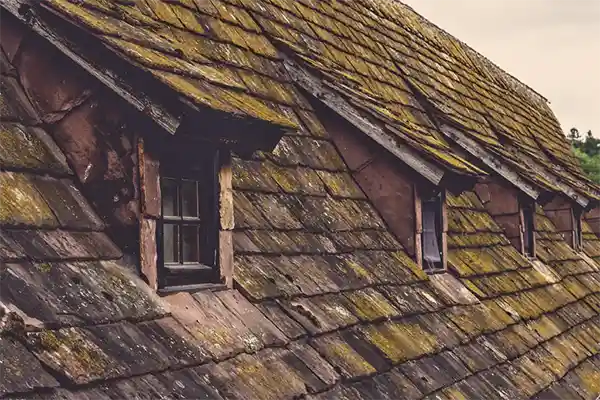
If the facade is humid and shady, it becomes covered with organic growth. The most common biological organisms are mold, mildew, algae, and moss. While some homeowners first consider them to be harmless, they are living organisms and quite active. Moss and algae have root-like structures that penetrate mortar joints and cracks and pry them apart.
What is more, these organisms retain moisture. Due to that, the facade stays damp longer after rain, which prolongs the negative effect of water, especially during the freeze-thaw cycles.
How to Know That the House’s Facade is Well-Maintained
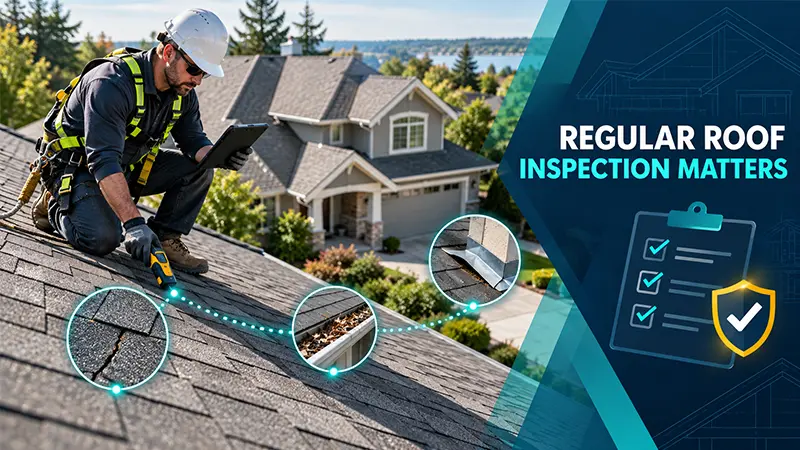
Sometimes, the house seems to be in a perfect condition, but it’s only at first glance. That’s why it is essential to provide seasonal checks to make sure everything is fine.
- After winter, inspect the building’s surface. Pay attention to new and even tiny cracks, spalling, or salt deposits. It is the best time to contact a cleaning service to remove winter grime and de-icing salts.
- If you need to repair or renew caulking around windows, doors, and expansion joints, summer is the best season for that due to the required high temperature.
- To prevent catastrophic ice damming in the winter, you need to fix and clear all gutters and downspouts in autumn.
- An inspection is a must-have after heavy storms or other natural disasters. Even heavy rains can show the “weak spots” on your facade.
Of course, you can try to fix and clear your facade independently, but make sure you have all the required tools and know soft and hard cleaning techniques to guarantee the quality of facade maintenance.
The Role of Cleaning in Facade Preservation
When homeowners face the above-mentioned negative consequences of weathering, they start seeking expensive solutions to handle the situation. However, you can prevent and even avoid the destructive influence of weathering with the help of cleaning.
The main purpose of cleaning is the removal of surface contaminants. Unfortunately, some property owners think that this procedure is purely cosmetic. Yet, it is a vital preventative measure.
One of the most dangerous combinations is mold and atmospheric pollutants, such as sulfur dioxide and nitrogen oxides. Together, they form weak acids that destroy limestone, marble, and even modern composite materials. Houses that are located near the shores are exposed to salt spray that speeds up the corrosion of metal surfaces. Besides, they form a white, powdery salt deposit that can cause internal pressure within masonry.
Only professional cleaning can remove all these components and living organisms from the facade. Professionals use special tools, materials, and cleaning techniques that prevent these destructive compositions from forming and penetrating the pores of the surface.
Facade Maintenance as the Key to Its Energy Efficiency
A building’s thermal performance depends on its surface wholeness. When there are cracks or failing seals, the air movements start being uncontrolled. So, it easily penetrates the house, decreasing the temperature in cold seasons. In addition, warm air also escapes the house, making heating systems ineffective. As a result, you will spend more to heat the house than before.
In summer, you will also experience the so-called chimney effect. In addition, moisture infiltration ruins insulation. So, by using the services of professional cleaners, providing regular inspections and facade repair, you will definitely reduce your utility bills.
Takeaways
So, the facade is not just a nice cover for your building. It is a significant part that protects the interior and your utility bills from excessive payments. Independently, you can control its condition throughout the year and do some easy cleaning. However, only professional cleaning can eliminate all living organisms, forming, and destructive chemicals, using tools and techniques that best suit the case.