Many residential homes are wired for a version of daily life that doesn’t exist anymore. A single window AC, a gas furnace, and a few appliances used to be the whole load a panel had to deal with.
But now, the same panel is expected to handle central air, an electric range, and a home office full of chargers. Because of this sudden increase, the panel built decades ago stops keeping up until a breaker trips at the worst possible moment.
This article outlines the steps needed to upgrade your electrical panel and how much headroom it actually provides for the load.
What Actually Maxes Out a 100-Amp Panel?
A panel gets maxed out when the total calculated load of everything connected to it exceeds the safely rated levels of the breaker and panel, not simply because the house feels old.
The National Electrical Code (NFPA 70) sizes residential service to a calculated load based on square footage, fixed appliances, and any large single-purpose circuits such as an EV charger, heat pump, or electric range, so two homes of the same age can be in very different positions depending on what has been added over the years.
Veteran Electric KC, a veteran-owned electrical contracting company serving countless homeowners, handles panel upgrades that usually run $1,500 to $4,000 depending on panel size, service entrance work, and code requirements.
Add a few 240-volt loads to an older 100-amp service and the math stops working fast.
How Can You Tell Your Panel Is Maxed Out?
The signs are usually electrical, not cosmetic, and homeowners tend to notice them one at a time before realizing they are connected. Common indicators include:
- Breakers that trip when two large appliances run at once, such as the dryer and the microwave
- A panel with double-tapped breakers or no open slots left for a new circuit
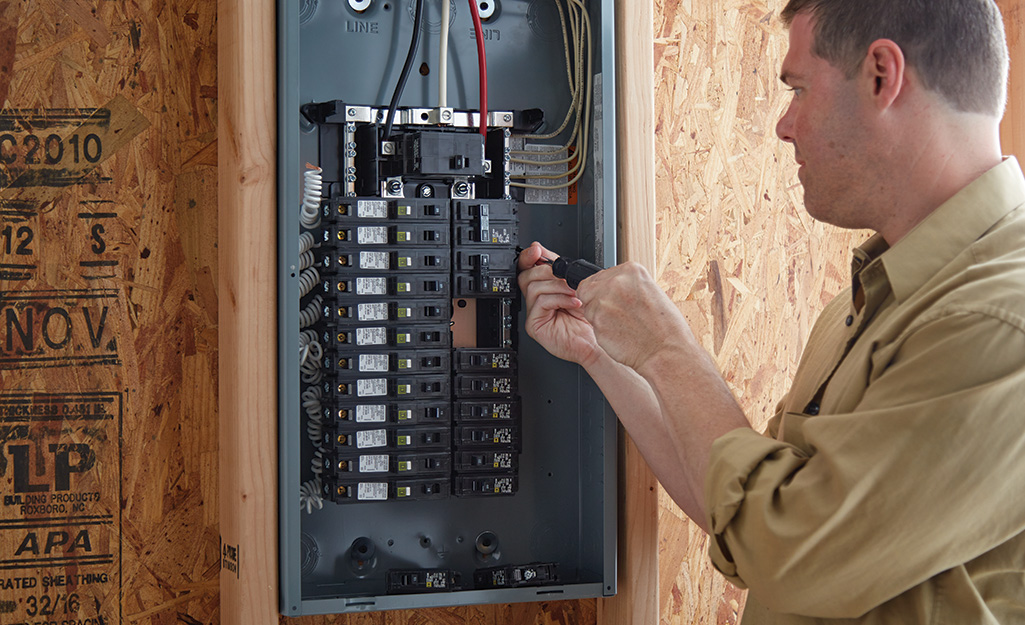
- Warm or discolored areas around the panel or specific breakers
- Lights that dim noticeably when the AC compressor or a heavy appliance kicks on
- A quote for a new 240-volt circuit (EV charger, hot tub, workshop equipment) that gets turned down because the panel has no capacity left
Any one of these on its own may be minor. Two or more together usually means the panel itself, not the wiring located inside the walls, is the actual problem, and it is worth having a licensed and experienced electrician calculate the total load instead of guessing from the breaker labels.
How Much Headroom Does a Typical Panel Actually Have?
The following is the headroom provided according to different situations:
- Older KC home, original wiring, no major electric upgrades: 60 to 100 amp; Lighting, small appliances, window AC; Little to none
- Standard suburban home, central AC added later: 100 to 150 amp; Central AC, electric dryer, dishwasher, range; Tight, often maxed by one EV charger
- Updated home with some electrification: 150 to 200 amp; Central AC, electric range, one EV charger; Room for one more major load
- Fully electrified household: 200 amp and up; EV charger, heat pump, electric water heater, electric range; Built with expansion in mind
Most of the calls Kansas City electricians field start in that second row, a suburban home whose 100 to 150 amp service was fine until an EV charger or a heat pump got added to the plan.
The panel was never the problem until the day it suddenly was the only problem that mattered.
“We’re seeing a lot of panels that were sized right for a 1990s house and just are not sized right anymore,” said Nathan Bowman, founder of Veteran Electric KC.
“Add an EV charger and a heat pump into the mix with a 100-amp panel running a full kitchen and central air already, and you are not close to the limit; you’re well past it.”
What Does a Panel Upgrade Actually Involve?
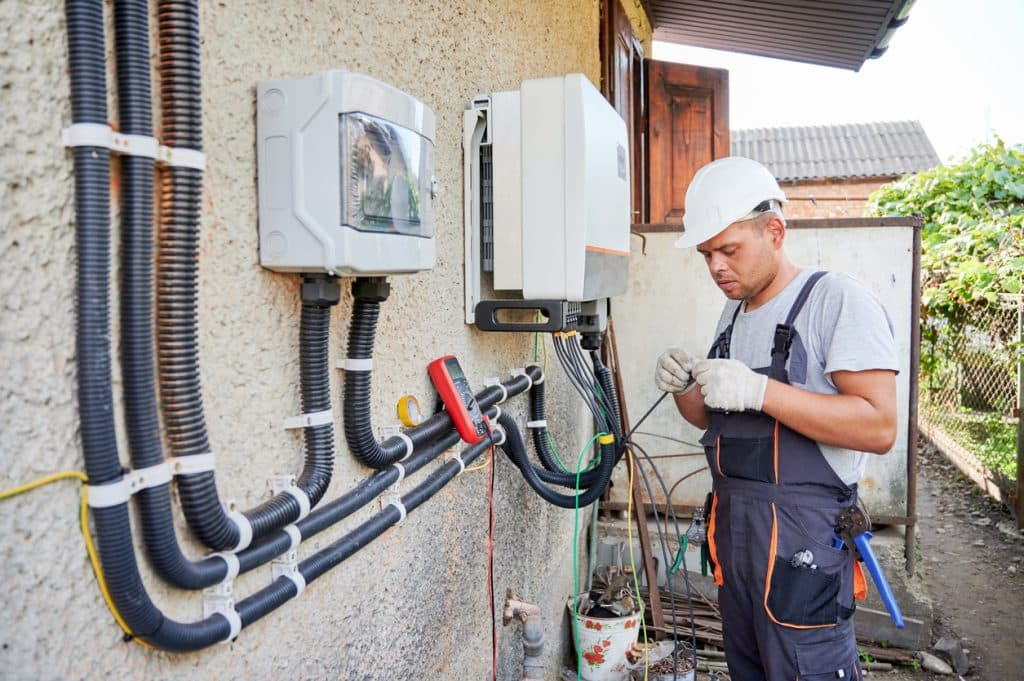
A panel upgrade means replacing the main panel, and often the service entrance and meter base, with equipment rated for the home’s actual calculated load, then having it inspected against current code before it is closed up.
It is not a swap of one box for a slightly bigger box; the utility service drop, grounding, and every existing circuit get evaluated as part of the job. That is why Veteran Electric KC treats panel upgrades and EV charger installs, which the company typically prices from $800 to $2,000, as connected projects rather than separate line items for homeowners who are electrifying in stages.
Is 2026 the Year to Deal With It?
Electrification is not a future trend anymore; it is what is showing up in service calls right now. NERC’s long-term reliability assessments have flagged rising residential electricity demand, driven by EV charging and heat pump adoption, as a planning concern for utilities nationwide, and the U.S. Department of Energy notes that a typical Level 2 home EV charger draws 30 to 50 amps on its own dedicated circuit, a load many older panels were never sized to absorb.
A homeowner planning an EV purchase, a heat pump, or even a minor home appliance addition in 2026 is better off understanding where the panel stands before the appliance is on the truck, not after the installer switches on and the breaker eventually trips.
A load calculation takes far less time than the appliance install itself, and it turns a surprise into a line item that can be budgeted for ahead of time.
The Panel Is the Foundation, Not an Afterthought
None of the appliances Kansas City homeowners are adding in 2026- EV chargers, heat pumps, induction ranges, home batteries- work as intended on a panel that was never sized for them. Checking panel capacity before buying the appliance is a lot cheaper than finding out the hard way after it is already installed.
FAQs
Why do older panels fail often?
Older panels were wired to accommodate fewer electrical appliances and usage, which simply doesn’t align with the modern ways of living, causing them to overload and trip.
How to tell if my panel has maxed out?
The following are the signs:
- Breakers that trip when two large appliances run at once, such as the dryer and the microwave
- A panel with double-tapped breakers or no open slots left for a new circuit
- Warm or discolored areas around the panel or specific breakers
What does a panel upgrade process involve?
A panel upgrade means replacing the main panel, and often the service entrance and meter base, with equipment rated for the home’s actual calculated load, then having it inspected against current code.