Being in a small house doesn’t mean one is doomed to have insufficient storage. The thing is that the space that already exists should be used more efficiently. In case floors fill up with different items and furniture, walls, corners, doors, and upper spaces usually remain unused.
However, these surfaces can easily serve as additional areas of storage, decorations, lighting, and even plants, without taking up any more living space. What is needed is to look up and think vertically, as well as select the best ideas for storing items in accordance with the purpose of each room.
With a couple of tricks up your sleeve, your tiny house can become much more spacious.
1. Choose Tall Fixtures Instead of Wide Ones
Furniture tends to claim most of the attention when planning a small room, but permanent fixtures deserve the same scrutiny. Something that spans a wall can affect where you put your cabinets, tables, sofas, and even storage areas.
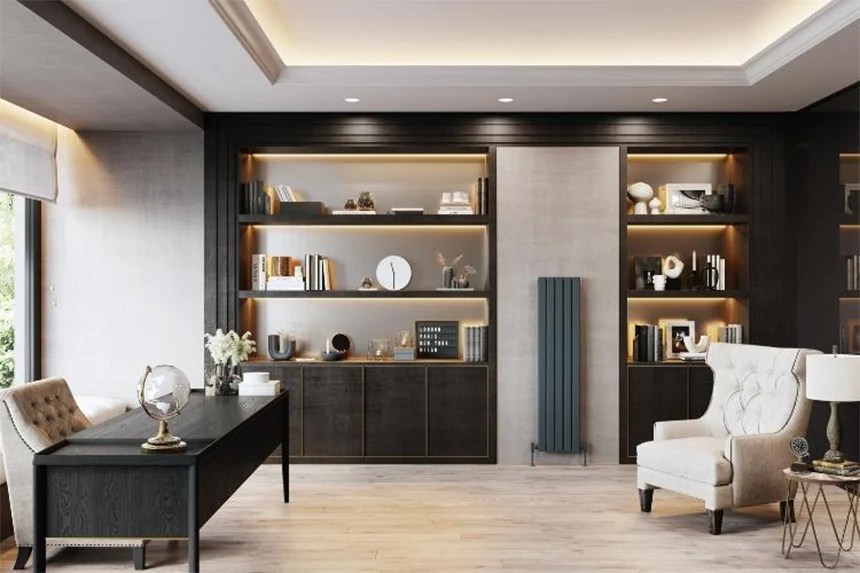
Heating is one such fixture that comes to mind. A conventional horizontal radiator may occupy a useful section of wall at furniture height. A vertical model uses height instead, leaving more of the lower wall available. This can prove particularly useful in narrow kitchens, compact bedrooms, hallways, and other rooms where furniture placement already feels restricted.
UK Radiators offers vertical radiators online for homeowners considering this type of layout. Before choosing one, measure the available wall carefully and work out the heating requirements of the room rather than selecting a radiator based on dimensions alone.
2. Take Shelving Right up the Wall
A low bookshelf will likely create a lot of unused space above it on the wall. Instead, choose taller shelving or add shelves higher up where appropriate.
Keep items you use frequently between waist and eye level. Reserve the upper shelves for books you rarely read, spare towels, seasonal decorations, or attractive objects you don’t need to handle often.
Do not fill all available space with stuff. Leave some gaps between objects to stop tall shelving from becoming a solid wall of clutter. Matching storage boxes can also bring order to smaller items that would otherwise look messy.
3. Put the Space Above Doors to Work
The strip of wall above a doorway often serves no purpose, yet it can hold a surprisingly useful shelf. It works particularly well for items you want to keep but only need occasionally.
A bathroom shelf can have extra towels or even some cosmetics stored in it. In a living room, the shelf could hold books or decorative pieces. A kitchen shelf above a door can hold serving dishes you only bring out for guests.
Keep heavier objects elsewhere, and use suitable wall fixings for both the shelf and the wall material.
4. Use the Backs of Doors
Doors provide additional storage space without needing an extra piece of furniture. Over-door organisers, hooks, hanging rails, and slim racks can turn them into useful storage zones.
Bedroom doors can hold dressing gowns, bags, or accessories. Bathroom doors are handy for towels, while cupboard doors can accommodate lightweight cleaning supplies or small kitchen items.
Ensure that everything you mount does not affect the movement of the door. Bulky organisers can hit walls or nearby furniture, so slim storage usually works best.
5. Hang Plants Instead of Using Floor Pots
Houseplants add colour and texture, but large pots can quickly crowd a small room. Hanging planters move greenery upwards and keep valuable floor and surface space clear.
One choice is ceiling hooks if the architecture allows for it. Wall-mounted plant holders or shelves provide an alternative if you would rather avoid ceiling fittings.
Think about maintenance before placing plants high up. You should be able to reach them safely to water, prune, and check their condition. Choose positions that also suit each plant’s light requirements.
6. Build Storage Around the Bed
Beds occupy a substantial part of most bedrooms, so the wall around them deserves more attention. Shelves above the headboard can hold books and decorative objects, while narrow wall-mounted cabinets can replace bulky bedside tables.
You can also install tall wardrobes or storage units on either side of the bed, as long as they don’t make the sleeping area feel enclosed. Keep anything mounted directly overhead secure and avoid storing heavy, loose objects above where you sleep.
7. Add Pegboards to Hard-Working Rooms
Pegboards offer flexible vertical storage because you can rearrange hooks, baskets, shelves, and holders as your needs change.
Pegboards are especially useful for home offices, utility rooms, crafting spaces, garages, and kitchens. Instead of losing scissors, tools, stationery, or utensils inside crowded drawers, you can give frequently used objects a visible home.
A pegboard works best when you resist the urge to cover every hole. Group related items and leave enough breathing room to find what you need quickly.
8. Mount Lighting on the Wall
Table and floor lamps consume space which might have other uses. Wall lights can free bedside tables, desks, and living-room corners while still providing focused illumination.
This idea works especially well beside a bed, where wall-mounted reading lights leave room for a glass, book, or alarm clock. Adjustable fittings can direct light where you need it without requiring a large lampshade or base. Plan cable routes and electrical work carefully, particularly for permanently wired fittings.
9. Create a Floor-to-Ceiling Gallery
Artwork doesn’t have to sit in a neat row at eye level. A vertical gallery can draw attention upwards and bring personality to a narrow section of wall.
Try it beside a staircase, above a small desk, or on a slim wall between doors. Mix a few frame sizes while keeping enough visual consistency to prevent the arrangement from looking chaotic.
Arrange the frames on the floor initially. This lets you test spacing and composition before putting hooks into the wall.
10. Use Corners All the Way Up
Corners usually end up becoming dead spaces due to the fact that regular furniture does not work well with corners. Tall corner shelves can turn these awkward areas into storage for books, plants, toiletries, or display pieces.
Floating corner shelves look lighter than freestanding units, which can help in particularly tight rooms. In kitchens, corner-mounted rails and shelves can also keep everyday utensils away from crowded worktops.
11. Hang Kitchen Tools Vertically
If there is a lack of space in your drawers and cupboards, consider making use of your walls and the sides of appropriate cabinets. Rails, hooks, magnetic holders designed for kitchen use, and wall-mounted racks can keep frequently used tools close at hand.
Focus on your most-used tools, not all of your utensils. Too many objects on the wall can make a compact kitchen feel busier. Keep storage away from places where heat, steam, or cooking splashes could cause problems.
12. Use High Storage for Low-Frequency Items
Everything does not have to be within easy reach. The highest parts of wardrobes, cabinets, and shelving units are ideal for possessions you use only occasionally.
Suitcases, seasonal bedding, spare linens, and holiday decorations can move upwards, freeing accessible storage for everyday belongings. Label closed boxes so you do not have to pull several down to find one item.
Perhaps just as importantly, keep a step stool close at hand. Good vertical storage should make a home easier to use, not encourage risky climbing.
Final Thoughts
Making a small home work better does not always require more furniture. It means looking elsewhere for space.
Start with the areas that currently do nothing: the wall above a doorway, an empty corner, the back of a door, or unused height above existing furniture. Then decide what genuinely belongs there. This could mean high fixtures, shelving, hooks, lights, and vertical storage spaces.
FAQs
How does vertical space help small homes appear larger?
Walls, corners, doors, and spaces higher up can be used to store items, which will allow more space on the floor.
Is it possible to use the space above doors for storage?
Yes, the space above the doors may serve as an additional storage place for items that are not used regularly.
Can doors be used as an extra storage option?
Hooks, over-the-door organizers, hanging rails, and narrow shelving units can help store bags, towels, accessories, cleaning supplies, etc.
How can I make effective use of vertical storage in the kitchen?
Rails, hooks, magnetic boards, shelves, as well as proper storage options at the sides of the cabinets, can help keep kitchen appliances within reach.