The roof is the most essential part of any home. It protects your loved ones and your hard-earned belongings from rain, sun, snow, and many harsh weather conditions.
Therefore, investing in a weatherproof roofing system is crucial to ensure the longevity of your home.
In this article, we will learn and understand how you can protect your home by choosing the perfect solution for your home.
KEY TAKEAWAYS
- Selecting the right roofing material according to your area’s weather conditions is important.
- Asphalt shingles are a popular choice among homeowners as they provide affordability and durability.
- Metal roofing is a great roofing option as it can withstand harsh weather conditions and can last up to 60-70 years.
- Clay and concrete tiles are perfect roofing materials for coastal and arid climates.
- The roof is not only important for the curb appeal it should also protect the home from harsh weather conditions.
Understanding the Impact of Weather on Roof Systems
It is important to understand that every type of weather has a different impact on the roofing. For example, UV rays can degrade the shingles, which can result in cracking and curling. Heavy rainfall and hailstorms can impact its integrity. If we talk about snowy areas, heavy ice and snow buildup can lead to moisture infiltration and structural stress.
Different areas need different types of roofing solutions, like a home in Arizona needs a roofing material that is heat-resistant and reflects heat, whereas a home in Minnesota needs a roofing material that can stay strong in icy weather and snowstorms. That’s why consulting with SMR Home Pros and other roofing experts is essential before making a decision.
Durability, warranty, and insurance of it often depend on how well you choose your roofing material according to the weather in your area.
Asphalt Shingles
Asphalt shingles are a popular choice among homeowners as they provide affordability and durability at the same time. Some asphalt shingles are designed to resist harsh weather conditions, like rain, heavy wind, and even hail.
But not all Asphalt shingles are strong enough to protect your home entirely.
There are some special shingles, like architectural or laminated shingles, which are more durable than three-tab shingles as they are wind-resistant and are thicker to provide protection. They are engineered to reflect the solar heat and minimize the effect of heat. Some advanced asphalt shingles are designed to protect from algae, too.
Metal Roofing
Metal roofing is tested to withstand extreme weather conditions like heavy snowfall, rain, and even sudden fire. Metal roofing is strong and durable, and it can last up to 60-70 years with minimal maintenance. It also resists mildew and insects.
And because of its protection against these elements, this roofing is considered the best long-term choice. Although its cost is higher than any other roofing, it is durable and energy-saving too, which makes it an ideal choice for the long term.
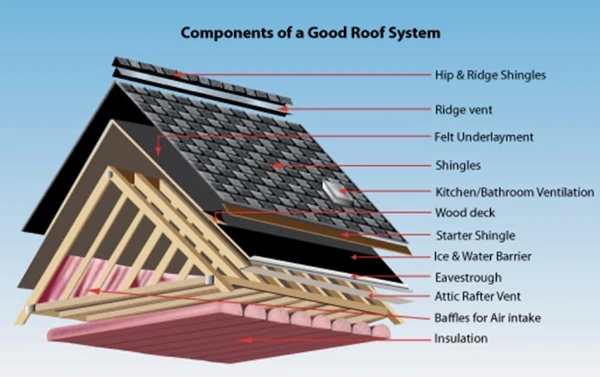
Metal roofing can also enhance the other roofing components and give them balanced support.
Clay and Concrete Tiles
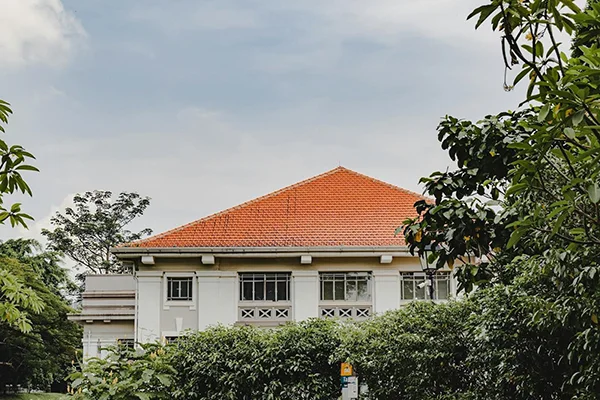
Arid and coastal climate roofing needs clay and concrete tiles as they offer both looks and performance. They resist heat and protect from UV rays, as well. And because of its natural property, it is fire-resistant too.
Clay and concrete tiles are very strong; they can bear heavy wind speeds over 120 mph. In areas where the heat and heavy wind are the main concern, clay and concrete tiles are the perfect option.
In addition, they are fire-resistant too, making them perfect for fire-prone areas. The weight of these tiles is a concern as they need reinforcement for installation, but once they’re installed, they can last for many years. Their fire resistance makes them a key component of effective wildfire defense systems for homes in high-risk zones.
Synthetic Roofing
There are a variety of options available in the market, from metal to clay, from traditional asphalt shingles to chic tiles. But nowadays, one roofing option is becoming popular, and that is synthetic roofing.
Synthetic roofing is designed to mimic the natural roofing material look but without its drawbacks.
These synthetic materials typically include rubber, plastic, and polymer composites, which is why they are lighter and easier to install. These synthetic roofing come with a Class 4 impact rating and Class A fire rating, making them a great choice.
There are three types of this synthetic roofing available in the market: synthetic slate, synthetic tiles, and synthetic cedar shakes. They offer extended warranty and require less maintenance than traditional roofing.
In areas where the weather changes rapidly, it is a great option because of its flexibility.
Ensuring Proper Installation and Ongoing Maintenance
Even if you are selecting the best roofing available in the market, still the proper installation is crucial. Because in any circumstance, if the installation doesn’t go right, it will lead to early failure of the roof. Which is why choosing an experienced team or contractor for installation is a must.
After installing, your roof needs maintenance to perform well in the long run. Checking for any damage after a hailstorm or heavy wind and rain is essential. Early checking can fix things before they become a disaster.
DID YOU KNOW
The roofing contractors industry in the U.S. is projected to reach $76.4 billion in 2025, according to the IBISWorld.
Conclusion
Selecting the right roofing for the extreme weather conditions can not be ignored. Your choice in roofing and design can significantly impact the durability and resistance of your roof against harsh conditions.
It is important to remember that even the strongest roof can fail if not installed and maintained properly.
Keep that in mind that the right roof isn’t just about aesthetics, it’s about protection and safety it provides while maintaining the curb appeal.
How do you windproof a roof?
If you want to design a windproof roof, try to select roofing material that has wind resistance.
How to insulate a roof from rain?
Use a water-resistant roofing and add a repellent layer to it.
What is the most heat-resistant roof material?
Metal roofing is a popular choice when it comes to hot climates due to its durability and heat-resistant features.
What is the best roof for heavy rainfall?
Metal roofs are great for extreme weather like heavy rainfall, high wind, and even hailstorms.