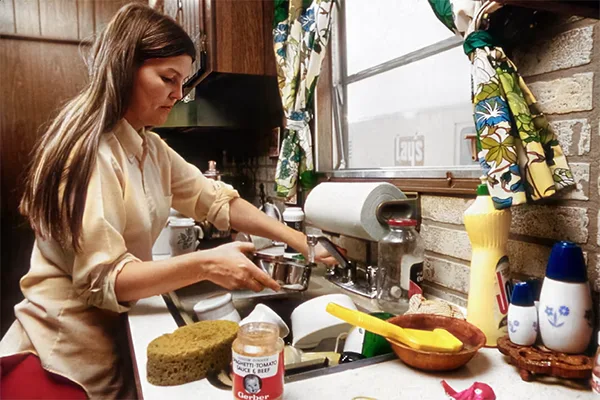
Have you ever thought about why some rooms in your house are so easy to function in, while other rooms seem to complicate everything? Why do you always find that your kitchen lacks enough counter space, or it takes so long for your bathroom to heat up the water, or even your home office is so distracting after a few hours?
The above-listed challenges may actually give you a clearer picture of how you will remodel your house than the latest trends in design. As current renovations cost a lot of money, it is very important to make the correct choices when remodeling.
Instead of rushing into a major renovation, start by observing how you live. Your daily habits can reveal practical improvements that make your home more comfortable, functional, and enjoyable.
Start With the Everyday Frictions You Keep Ignoring
Notice the little inconveniences that happen repeatedly throughout your day. A cramped hallway, cluttered kitchen counter, or bathroom lacking storage can become easy to overlook when you are used to them. Consider the moments that make simple tasks take longer or leave you feeling uncomfortable. These repeated frustrations can show you which areas of your home require attention before you consider larger upgrades.
As you observe your routine, focus on improvements that can make everyday tasks easier and more comfortable. Columbia Basin Herald states that decluttering has become a trend, driven by a growing desire for more open space and a simpler lifestyle. Many U.S. families are discovering that having too much stuff can turn their spaces into chaotic messes, making it hard to keep everything in order.
You may need more accessible storage, improved lighting, easier access, or a layout that works more naturally for you. At the same time, separate genuine functional issues from aesthetic changes. This method lets you invest your time and money in upgrades that truly address your needs.
Let Your Daily Schedule Guide Your Paint Choices
Think about how each room is used throughout the day before selecting a new color. Your daily schedule can help you decide whether a space requires to feel brighter, calmer, warmer, or more energetic. Use paint to support the atmosphere you want rather than choosing a shade simply because it looks appealing in a store or online.
Natural and artificial lighting can modify how a color appears, so observe the room at different times before making your final choice. A shade that feels soft in the morning may appear much deeper at night. Choose finishes based on practical needs. This approach ensures your paint upgrade seamlessly fits your daily routine and remains practical over time.
Think about how frequently you will be using the space and what mood you wish to create. In high-traffic areas, choose simple and durable options. But in quieter spaces, feel free to unleash your creativity. When you tie your paint choices to your everyday life, you’ll end up with spaces that feel warm and welcoming throughout the day.
Pay Attention to the Plumbing Problems Hiding in Your Routine
Repeatedly waiting for hot water, dealing with low water pressure, or noticing slow drains can reveal areas that need attention. Your routine may make these problems seem normal, especially when you have experienced them for months. Rather than ignoring them, observe their frequency and impact on your level of comfort.
Older fixtures or inefficient plumbing components may also make everyday tasks less convenient than they should be. If you have an old fixture, swapping it for something more practical could make a difference. Plumbing suppliers at 24hr.supply highlight that residential fixtures should balance style and practicality. So focus on fixtures that are durable and require minimal maintenance.
Tackle plumbing issues before they become more difficult and expensive to fix. Noticing the patterns in your routine can help you focus on practical improvements that make your home more comfortable. If you frequently deal with maintenance issues, consider whether an upgrade could provide a more reliable experience.
Match Improvements to How You Use Your Spaces
Your rooms have their own function in your daily routine, so your renovations need to correspond to your real usage of those rooms. Your bedroom might need better ventilation, and your living room may require more flexible furniture arrangements. Your home office may need better lighting and organization, while your kitchen could benefit from improved storage or a more practical layout.
For example, working from home remains a major trend in the United States. According to KSL.com, in 2025, 28% of American employees were fully remote, while 51% worked in a hybrid model. Interestingly, the key to boosting productivity isn’t found in the latest app or some time-management fad. It lies in creating a distraction-free workspace, like a standalone studio in your backyard, away from the usual home chaos.
Begin by recognizing where you spend most of your time and where you find difficulty moving around. Pay attention to multi-purpose rooms, especially if they often feel crowded or uncomfortable. Sometimes, small things can really elevate a room. Focus on upgrades that solve a real problem rather than following a short-lived design trend.
Build a Home Improvement List Based on Impact
As House Beautiful emphasizes, a well-defined idea is key to maximizing efficiency and cost-effectiveness. The first step in any renovation is to identify the essentials, says Jean Brownhill, founder of Sweeten, a platform that helps homeowners find vetted contractors. She also notes, “Know what’s definitively required, then make a second wish list of nice-to-haves.”
Categorize each project as a fix-it, a make-better, or a look-better project. Consider the cost, disruption, maintenance requirements, durability, and expected usefulness of each project. Once you have a clear list, work through projects according to their impact on your everyday life.
An upgrade that saves time, improves comfort, or prevents recurring problems may deserve more attention than a change that refreshes the appearance. Revisit your list periodically as your routines, household needs, and priorities change. By doing so, you make thoughtful upgrades in a reasonable timeframe and keep your house in line with how you really live.
Key Takeaways
| Home improvement trend | Key data or insight |
| Residential remodeling | Homeowners spent approximately $670 billion on remodeling in 2024. |
| Remote work | 28% of American employees worked fully remotely in 2025, while 51% followed a hybrid model, according to KSL.com. |
| Decluttering and storage | Growing interest in decluttering reflects homeowners’ desire for more organized, functional living spaces, according to Columbia Basin Herald. |
| Renovation planning | House Beautiful recommends separating essential renovation needs from desirable extras to improve cost-effectiveness and efficiency. |
Your home should grow with you, not just mirror the latest trends. The most satisfying improvements often come from understanding what makes a space feel truly yours. Notice what you value, what inspires you, and what makes you feel at ease. Looking at upgrades from that angle means even a minor tweak can lead to a refreshing sense of comfort. It can also help your home feel more in tune with the life you love living.
FAQs
How can my daily routine help me decide what to upgrade at home?
Your daily routine can show you where your home needs improvement. Notice ongoing frustrations, inefficient areas, maintenance challenges, and tasks that drag on longer than they should. These patterns can help you identify upgrades that improve comfort, convenience, safety, and functionality.
How do I choose the right paint for a frequently used room?
Consider the room’s natural light, traffic level, cleaning needs, and overall purpose. Choose a color that reflects the atmosphere you desire. Select a bright tone, a calming shade, or a welcoming hue. For frequently used spaces, select a durable, easy-to-clean finish. Testing samples at different times of day can also help you decide confidently.
When should a small plumbing problem become a home improvement priority?
Small plumbing problems become a priority when they keep returning or disrupt your routine. Recurring leaks, slow drains, low water pressure, unusual water temperatures, or constantly running fixtures deserve attention. Addressing these issues early can help prevent bigger damage, reduce inconvenience, and avoid potentially expensive repairs down the road.