


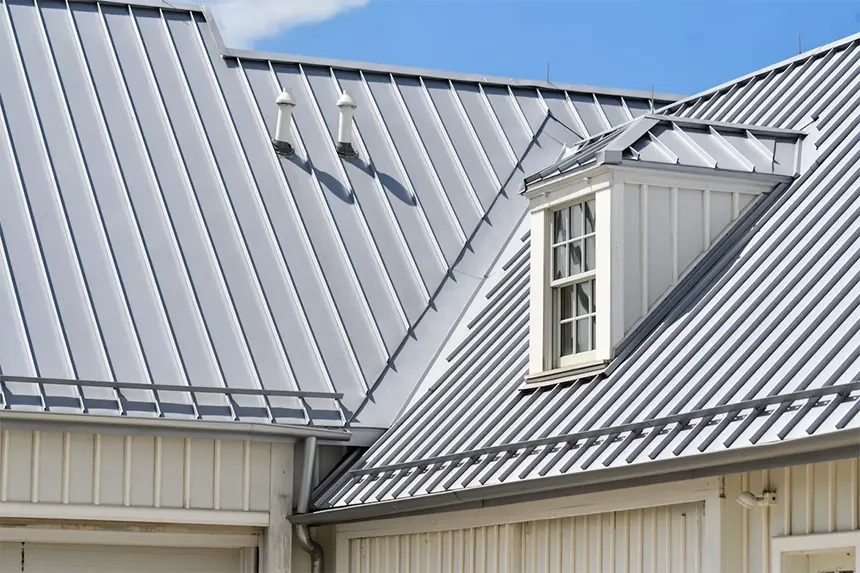
Your roof displays your quality and maintenance habits whenever anyone notices first. They usually take time to reach the interior. When selecting a color that makes your brick or siding more dull and run-down, the shingles look dirtier.
Streaks and curled edges are probably low-maintenance, and water damages the weak spots directly.
Try to soak the decking before any patches look weird.
How do you cover the appearance and safety? How your keeping habits fail and lead to leakage. Learn to match the finishes with familiarity with your walls. The reflection layers completely match your efforts.
How Can Timely Maintenance Prevent Roof Leaks?
Even a great-looking roof struggles if ridge caps reduce or mortar cracks under seasonal expansion and contraction.
Timely ridge rebedding and flexible pointing keep cap tiles sealed in place while letting little activity happen without splitting the seal.
Experienced experts such as National Capital Roofing highlight matching tailored rehabilitation methods and defensive layers to each home’s specific roof structure.
Fitting ridge tiles after heavy storms or windy spells detects tiny cracks before rain seeps under the tiles.
Keeping Gutters and Drainage Clear
Blocked gutters trap water along roof boundaries. This pushes moisture back beneath eaves, fascia boards, and bottom tile courses.
Removing leaves and trash twice a year saves rainwater moving freely toward downspouts and away from your foundation.
Adding simple gutter protection under overhanging trees also cuts down on seasonal buildup and stops standing water from breeding rust or corrosion along metal ravines.
Inspecting Flashing and Roof Penetrations
Chimneys, skylights, plumbing ducts, and solar panel mounts all break through your primary ceiling portion.
This makes them primary locations for slow leaks. Metal flashing around these entrances can lift, erode, or pull out from masonry joints after years of temperature differences.
Sealing hairline gaps and replacing rusted areas during regular checks holds water from dragging down rafters and framing.
Spotting Early Warning Signs Indoors
Watch ceilings near exterior walls and attic intersections for soft water rings, splashing dye, or stale scents after rain.
Climbing into the roof hole with a flashlight twice a year also allows you to spot damp insulation or daylight peeking through worn underlayment.
Detecting a small drip early protects drywall, insulation, and structure from expensive restorations.
How Do You Match Roof Finishes With Exterior Materials?
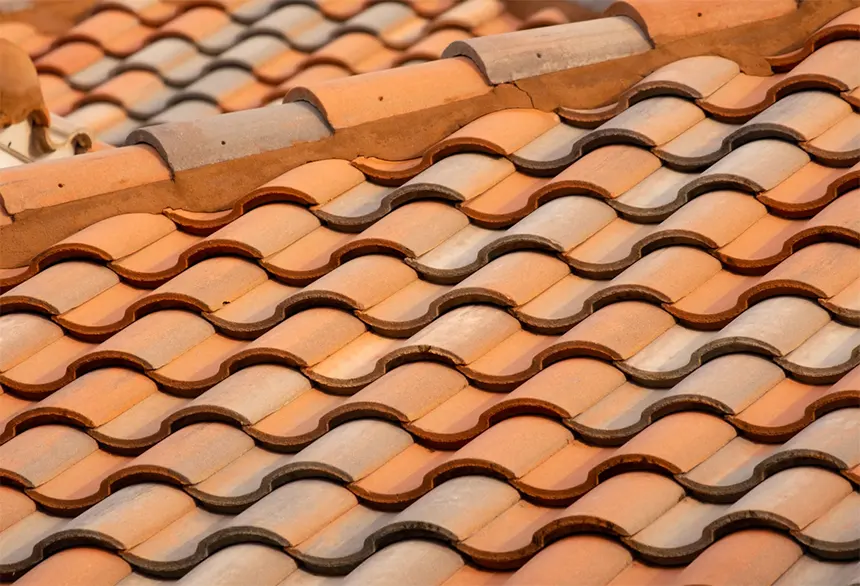
Blending roof tiles or metal boards with brick or stone material starts with reading undertones.
Gentle red bricks often sit comfortably beside earthy terracotta or bronze metal, while cool gray rock or slate siding usually pairs nicely with charcoal or muted weathered tones.
Westlake Royal Building Products notes that matching styles across permanent external features creates a cohesive look from the roofline down.
When your roof shares a color family with window frames. A fascia or masonry for your house reads as one thoughtful design instead of scattered pieces.
Pairing Tiles and Metal With Masonry and Wood
Metal roofs show crisp lines on modern houses and barn-inspired structures. Profiled tiles add depth to Mediterranean and classic suburban fronts.
Natural wood accents soften both materials, especially when you stain cedar beams or soffits to echo the generous notes in your roofing.
- Check natural undertones: Keep roof pieces against brick and stone in sunrise and afternoon light.
- Balance bold textures: Pair heavily textured tiles with softer render or siding so walls do not compete.
- Unify trim details: Match drains, downspouts, and flashing to the roof or window edges.
Testing Samples in Changing Light
Sun angle moves how pigments look throughout the day, making a mid-gray shingle friendly at dusk or calm at noon.
Tape two or three sample works near your front entry and consider them from across the road for multiple days.
Why Do Reflective Coatings Matter for Comfort and Longevity?
Direct sun beats down on your roof every day. Driving warmth through attic areas and fading uncovered surfaces.
Applying UV-resistant paint or reflective roof layers allows you to bounce solar radiation away before that heat radiates into your living space.
Globalcote points out that heat-reflective roof coatings cut power by deflecting solar rays away from the structure.
Lowering exterior heat also slows down UV wear on pigments, helping your shelter keep a cleaner and fresher appearance for longer.
Balancing Curb Appeal and Thermal Performance
More delicate or specially formulated reflective finishes help maintain roof temperatures without pushing you into stark white if that does not match your kind.
Many stylish coatings come in soft neutrals and muted tones that resemble neighborhood character while still cutting heat gain.
What to Ask Before Coating a Roof
Ensure that the coating product checks your existing roof material, whether concrete tile or metal.
Question surface prep actions like cleaning off moss and algae so the new finish bonds properly.
Pairing well-chosen roof colors and reflective finishes with continuous ridge and gutter maintenance covers both your home’s street sight and your interior convenience.
A few scheduled checks each year keep small wear from shifting into major repairs, leaving your house looking pristine and feeling safe inside.
Frequently Asked Questions
How often do I inspect the roof?
Once or twice a year. Especially after a heavy storm, if it happens. Verify with a specialist to cover your needs and the roof repair habits.
Which colour is usually best for the roof to hide algae, damage, and mud?
Usually, darker-looking colours and blended shingles are suitable for covering dirt particles better. Algae-resistant shingles have special features that protect in humid conditions. Proper maintenance and washing can extend your roof life longer.
When should I repair or replace the roof material?
Replacement is required when there is severe damage, granular loss, or curling shingles at the edges. Also times in leakages. But repair can resolve damage, scratches, failed flashing, or shifted shingles.