


Warmth within your home requires consistent heating as soon as the cool seasons set in. After spending many months without use during the warmer months, your furnace tends to accumulate dust and get worn out a little.
These problems may appear insignificant at first, but they are bound to make your furnace strain once the coolness sets in. You could find that your rooms have become cooler than before and that you are facing increased energy costs.
Giving your furnace some attention during autumn helps catch these problems early, keeps everything running smoothly, and makes your living spaces warm and comfortable throughout winter.
Why Does Your Furnace Need a Pre-Winter Checkup?
Your heating system goes through heavy mechanical stress during the winter months, and sitting dormant through spring and summer creates hidden obstacles. Dust settles on the interior parts, water may lead to corrosion of the electrical contacts, and the rubber parts may become dry.
Scheduling a professional visit before peak heating season catches worn parts before they fail on a freezing weekend. To keep your household safe and warm, you should book a tune-up during the early autumn months while technician schedules are still flexible. Routine maintenance from a qualified technician protects your equipment from sudden mid-winter breakdowns and keeps operating noise to a minimum.
What Happens During a Seasonal Heating Inspection?
A comprehensive fall service goes far beyond a quick visual glance at your utility closet. Technicians go about cleaning, testing, and calibrating every element of the heating process in order to ensure that your fuel burns cleanly and the warm air flows unobstructed through the ducts.
Cleaning Burners and Flame Sensors
Dust and carbon deposits accumulate on gas burners and ignition assemblies, disrupting the delicate air-to-fuel ratio needed for clean combustion. When burners get dirty, the flame burns yellow instead of crisp blue, wasting fuel and creating soot inside the cabinet.
Inspecting Heat Exchangers and Safety Controls
The basis of a dependable heating system is safety checks. A technician examines the metal heat exchanger for tiny cracks or stress fractures that could allow combustion gases to mix with your indoor breathing air. They test high-limit switches, pressure sensors, and carbon monoxide shutoffs to verify that the system will power down immediately if airflow becomes restricted or temperatures climb too high.
Calibrating Thermostats for Steady Comfort
Your thermostat acts as the brain of your entire heating setup, telling the furnace when to fire up and when to rest. If the internal sensor reads room temperatures inaccurately by even 2 or 3 degrees, your living spaces will swing between uncomfortably hot and noticeably drafty.
How Can You Care for Your System Between Visits?
The professional inspection forms a good foundation, and a few simple practices help ensure that your airflow remains clear from October to April. Consistent upkeep between service calls prevents strain on the blower fan and helps your home hold warmth without constant cycling.
- Swap pleated air filters: Check your filter every 30 days during heavy winter use and replace clogged media with a clean pleated filter to keep dust off internal coils.
- Clear supply registers: Pull rugs, heavy drapes, and bulky furniture at least 6 inches away from floor and wall vents so heated air circulates freely.
- Keep return grilles open: Don’t cover the large air return vents because this allows the furnace to pull enough room air to maintain proper static pressure.
- Clean the utility area: Sweep away cardboard boxes, lint, and stored clutter around the furnace cabinet to allow proper combustion airflow and reduce fire hazards.
What Are the Long-Term Benefits of Routine Maintenance?
The maintenance of your heating system each autumn yields benefits far more than during one winter season. Clean burners, balanced airflow, and calibrated controls mean your system runs shorter, quieter cycles to achieve the exact same indoor warmth. You avoid the loud banging, rattling, or whistling sounds that often come from struggling blower motors and restricted ducts.
Reliable treatment takes care of your pocketbook down the road. According to professionals, routine furnace maintenance helps your equipment last longer, keeps monthly energy expenses manageable, and preserves your manufacturer warranty coverage. Instead of facing an unexpected replacement bill years ahead of schedule, you get dependable performance and predictable utility costs season after season.
How Do You Know Your System Is Ready for Cold Weather?
Testing your furnace on a mild autumn afternoon gives you peace of mind before temperatures plummet. Adjust the thermostat by 3 to 4 degrees higher than the existing temperature inside the room and then hear the mechanism operate. You should hear a gentle click, a smooth ignition whoosh, and a steady hum from the blower fan without any scraping, squealing, or burnt-dust odors lingering past the first few minutes.
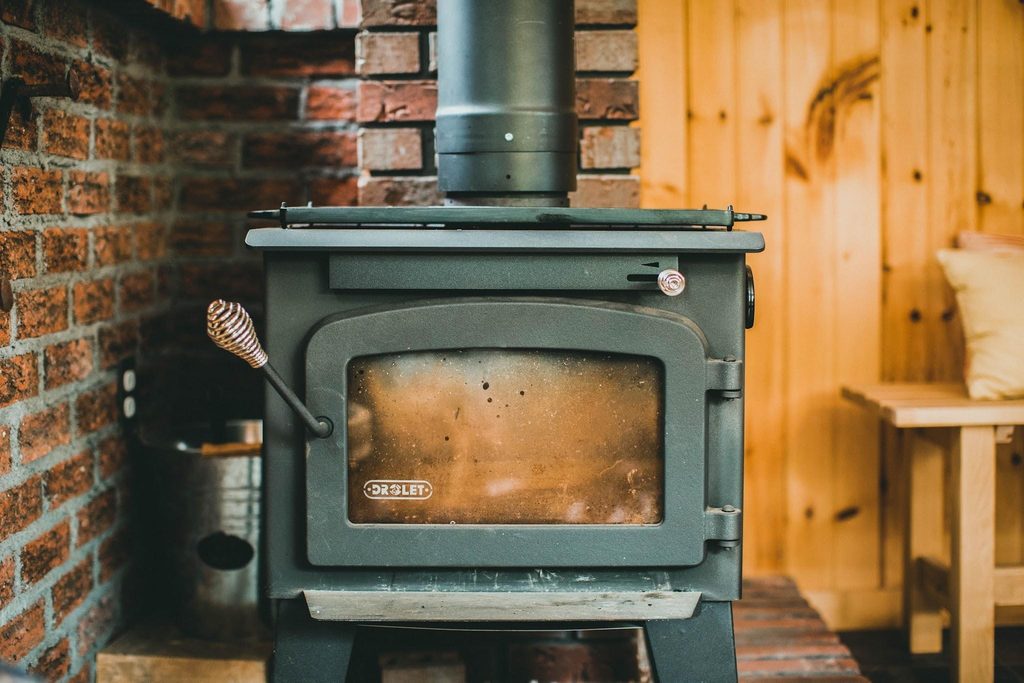
Conducting a pre-cold weather inspection of your heat will ensure that you have peace of mind and save money on your winter bills. Pairing a thorough fall inspection with easy monthly filter changes protects your home comfort and keeps your living spaces cozy all season long.
FAQs
When is the best time to schedule a pre-winter furnace checkup?
Early autumn is ideal—before freezing temperatures arrive and while technician schedules are still flexible. Booking early helps catch worn parts or dust buildup before peak heating demand.
What does a technician check during a seasonal furnace inspection?
A thorough fall inspection typically includes cleaning gas burners and flame sensors for clean combustion, checking heat exchangers for cracks or stress fractures, testing safety controls (like high-limit switches, pressure sensors, and carbon monoxide shutoffs), and calibrating the thermostat.
Why does a dirty burner or flame sensor matter?
Dust and carbon deposits throw off the air-to-fuel ratio, causing a yellow flame instead of a crisp blue one. That wastes fuel, leaves soot inside the cabinet, and reduces heating efficiency.
Does furnace maintenance lower the energy bill?
Absolutely! It is important to clean the interior parts, replace clogged filters, and fix airflow issues in order to increase the efficiency of the furnace and decrease the stress on it. It will assist you in keeping your heating costs reasonable.