“Every strong home starts with a solid roof.”
Imagine this: it’s a cozy monsoon evening, you’re curled up on your favorite couch with a book in your hand, and a cup of hot chocolate sitting on your windowsill. The perfect way to spend a rainy evening. But then something happens, you feel it once, then twice, and then thrice, small droplets of rain leaking through your roof. What a buzzkill!!
This is not just a scenario framed in your head, but a reality experienced by many. A significant percentage of homeowners reported having such issues within the first few years of roof replacement. But have you wondered what exactly is the root cause of such problems? Let me tell you, nearly 80% of all roofing problems stem from poor installation or faulty workmanship. (Source: IBEC )
To save you from such issues, we have compiled some proper roofing techniques and tips for better results. So, let the ball rolling!
Start with a Solid Roofing Deck
If you think that a strong roof starts with the first shingle, you’ve got it wrong. It begins long before with a solid foundation and a well-built deck to hold everything together. Therefore, do not forget to check your deck for signs of rot, water damage, or structural weakness to ensure its durability and functionality later.
Hire reliable professionals like the ones in Dulles roofing contractors who understand the importance of each and every step and deliver the best without compromising on the quality.
INTRIGUING INSIGHTS
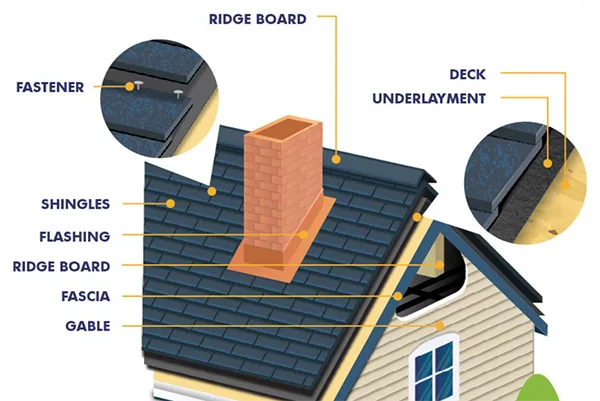
Understanding the anatomy of a roof will help you learn better. Take a look at the diagram below!
Ensure Proper Ventilation
You think a roof is just a protective umbrella over your house? Well, it is much more than that and it impacts many other important elements too, like the temperature and moisture level in your attic. A well-ventilated roof significantly lowers the risk of molds, ice dams and premature aging of the ceiling, ultimately adding to the lifespan of the roof.
Additionally, it also contributes to better energy efficiency and indoor comfort. So, pay attention to this small detail in the process and save a fortune afterward in the long-term.
Install High-Quality Underlayment
Want to know a common mistake made by many homeowners just to save a bit of money? Well, it’s settling for cheap underlayment. You must know its role to understand why this is a major problem.
Underlayment acts as the second line of defense against moisture. It might seem like a small step where you can compromise and save a few bucks but it only takes a few rounds of rain and snowfall to realise this mistake.
Therefore, choose a quality, synthetic underlayments or rubberized asphalt to provide superior resistance to water infiltration.
FUN FACT
If the underlayment is rightly installed, it can hold up to 95% of the leaks, even with damaged shingles.
Use Proper Flashing Techniques
“When it comes to roofs, water is the quiet enemy. It seeps through the cracks slowly, but the damage it causes, speaks loud.”
Again, flashing is another important component to save your roof from water damage. But instead of installed directly over the deck like the underlayment, this is used to prevent water from entering at roof intersections, chimneys, vents, skylights and valleys.
A roofer must use corrosion-resistant materials, preferably aluminum or galvanized steel, cut and fitted precisely and sealed with an appropriate fastener, to ensure proper flashing. This step will help make sure the water flows over and not behind the metal pieces.
Apply Correct Shingle Installation Methods
Shingle installation might seem like a simple process of laying and securing roof shingles, but just like for other steps involved in the whole process, you must keep a few considerations into mind here too, for perfect results:
- Check the quality of the shingles, they should lay flat and do not buckle.
- Ensure proper flashing and ventilation before moving to this process.
- Dry weathers are considered the best time for shingle installations.
- The deck should be clean, dry and flat before you begin with this step.
Ticking all these points in this step will save you from misaligned or loosely fastened shingles which can be a cause for major problems during rough weather.
Follow Local Codes and Manufacturer Guidelines
“The reason for over 60% of roof failures is not faulty material but non-compliance to building codes and manufacturer instructions.”
Yes, the numbers are overwhelming and to prevent something like this from happening to you, hire trustworthy professionals for this job and make sure they adhere to local building codes and manufacturer installation. Doing this will guarantee that the roof meets safety, structural and warranty requirements, saving you from a major headache in future.
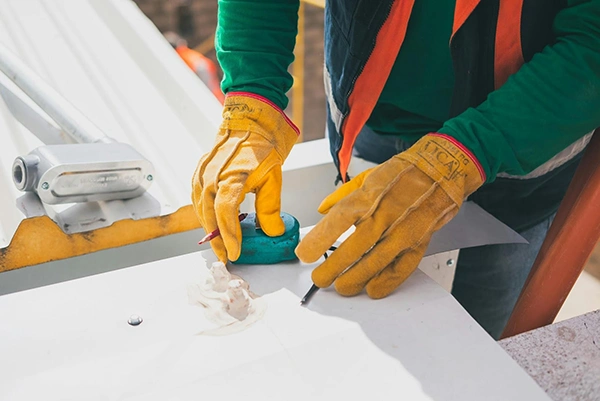
A roof is one of the most essential part of your home, and when it about investing in something so important, you should not think twice, and definitely not compromise on the quality. With the roofing techniques mentioned above, you can achieve a solid deck, excellent underlayment, proper flashing, carefully installed shingles and correct ventilation.
These things will surely reduce maintenance costs, prevent common roofing issues and let you enjoy peace of mind knowing that everything you got done was based on local codes and manufacturers guidelines, giving you a safe, secure and durable roof.
Why attic ventilation is so important?
Proper attic ventilation allows air to circulate, preventing air to build up in summer and moisture accumulation in winters, guaranteeing the roof’s overall performance and longevity.
Can new shingles be installed over the pre-existing ones?
Installing new shingles over the existing ones is possible but not something professionals recommend. These can create further complications in the future.
How often should a roof be inspected for damage?
Regularly inspecting roofs can allow you to catch the problems before they escalate int something bigger and cost you a fortune. Generally, it is recommended to inspect your roof at least twice a year.