Creating inviting and practical living areas requires a thoughtful blend of design elements. Home decor should serve both aesthetic and functional purposes, enhancing the everyday experiences of those who occupy the space. Here, we explore several interior concepts that can transform standard rooms into extraordinary environments.

Understanding the Role of Throw Rugs
Throw rugs play an indispensable role in bringing together different elements of a room. Their introduction provides warmth and depth to spaces, making them feel more complete and inviting. Rugs offer a visually appealing surface underfoot and help define areas within open floor plans. They can introduce a splash of color or texture that complements existing furniture and accessories.
Using natural fibers like wool or cotton in throw rugs contributes to environmental wellness and enhances durability. The team behind https://cowhideshop.com/ says that using high-quality throw rugs can withstand everyday wear while maintaining their appearance. Throw rugs can reduce noise, making living spaces quieter and more serene.
Paying attention to the size and placement of these rugs is key. A well-placed throw rug can connect various furniture pieces and delineate spaces effectively, while a poorly chosen one might disrupt the flow of the room. Choosing the right design and pattern is equally important; bold patterns can serve as conversation starters, while subtle tones can create calm vibes.
Layering With Textures for a Cozy Feel
Incorporating various textures into a living space gives depth and interest to the design. Mixing smooth surfaces with softer elements, such as upholstered furniture, throw pillows, and textured rugs, fosters a warm atmosphere. Velvet cushions against a leather sofa create a tension that invites comfort, while exposing brick or wooden beams can accentuate a rustic theme.
Textured wall treatments, such as wallpaper or bold paint choices, can add a layer of complexity. These visual contrasts capture attention and engage viewers, encouraging them to explore the room further. Decorative throws and blankets, aside from being practical, can serve as art, adding bursts of color and texture while providing comfort during colder months.
Choosing a Cohesive Color Palette
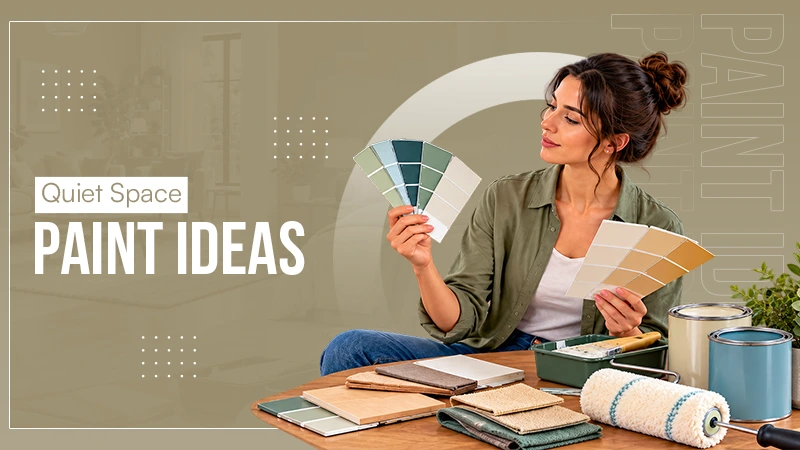
Color theory plays a significant role in interior design. A well-chosen color palette can evoke certain emotions and unify a space. Homeowners can establish a unified appearance that transitions smoothly from one area to another by choosing three to five colors that complement each other. A common approach is to establish a neutral base and introduce pops of color through furnishings, art, and decor.
In living spaces, colors should reflect the desired mood; soft blues and greens can promote relaxation, while warm yellows and reds can energize a room. Accent walls can serve as focal points, utilizing bolder colors to draw attention while maintaining a soothing atmosphere. Bringing in natural tones through plants and organic materials can further elevate the aesthetic appeal.
Incorporating Natural Elements
Bringing nature indoors creates a refreshing ambiance that cultivates tranquility. Houseplants, for instance, purify the air and add a natural touch to any decor. Large potted plants or hanging terrariums can make striking statements while maintaining a touch of whimsy. Greenery enhances visual appeal and connects inhabitants to the outdoors.
Using natural materials such as wood, stone, and metals contributes to a sustainable and earthy design. Wooden furniture anchors the room while offering versatility in style. Stone accents, such as marble countertops or slate backsplashes, introduce a sense of luxury without overwhelming the senses. Balancing these materials allows for an organic feel within the space that feels warm and inviting.
Smart Lighting Solutions
Proper lighting drastically changes perceptions and functionality in a room. Different lighting options, including ambient, task, and accent lighting, create layered effects that enhance spaces throughout the day. Soft, warm light in living areas helps cultivate cozy settings, while bright white light in workspaces fosters productivity and focus. Incorporating varied light sources such as chandeliers, floor lamps, or under-cabinet lighting creates a dynamic experience within the environment.
Dimmer switches allow for flexible lighting options, adapting to different occasions or moods. Highlighting artwork or architectural features with focused lighting adds an element of drama and elegance. Making use of natural light by allowing ample sunlight through windows is another effective strategy. Maximizing daylight reduces electricity usage and uplifts spirits, making a space feel more alive. Window treatments that allow for light filtration while providing privacy can make a significant difference in setting the mood inside.
Functional Furniture Placement
Well-organized furniture arrangements help create a logical flow in rooms, maximizing functionality and comfort. Classic arrangements, such as placing sofas against walls or positioning furniture to create conversation areas, provide a sense of order. When arranging, think about the function of the space and the intended use. Creating distinct zones, such as for relaxation and entertainment, can make a room feel more cohesive.
Arrangement doesn’t always have to be symmetrical; eclectic styles can introduce a playful touch. Mixing different furniture styles, while maintaining a sense of cohesion through color or material, allows for a more individualized aesthetic. Multi-functional furniture, such as storage ottomans or extendable dining tables, caters to diverse needs and enhances the practicality of the space. The incorporation of adjustable elements, such as swivel chairs or adjustable shelving, can cater to changing needs.
Finding the right balance between style and functionality is what truly ties the concept of everyday living spaces together. Regardless of individual taste, these interior concepts can inspire homeowners to curate spaces that look fantastic and serve practical needs. By focusing on elements like throw rugs, texture, color, natural materials, lighting, and furniture placement, anyone can elevate their everyday living areas into something special. Simple adjustments can create a realm of possibilities, enhancing daily experiences and making spaces far more enjoyable.