KEY TAKEAWAYS
- Understand your repair priorities and when to DIY and when to hire professionals
- Discover the budgeting method that actually works
- Learn what to do when storms and disasters strike
Do you call a plumber to replace a showerhead or a carpenter to fix cabinet hinges? I guess not, right? Most homeowners take care of these issues on their own. Even according to a survey by the Home Improvement Research Institute (HIRI),65% of respondents reported they chose the DIY route to save money.
More basic repairs like patching drywall holes, fixing leaky faucets, replacing air filters, and gluing/nailing broken wood shelves are something that homeowners can do themselves. But still, there are some basic needs that property owners should understand before starting any project or repair.
Let’s dive into the article and discover what these needs are and how they can actually help in basic home repairs.
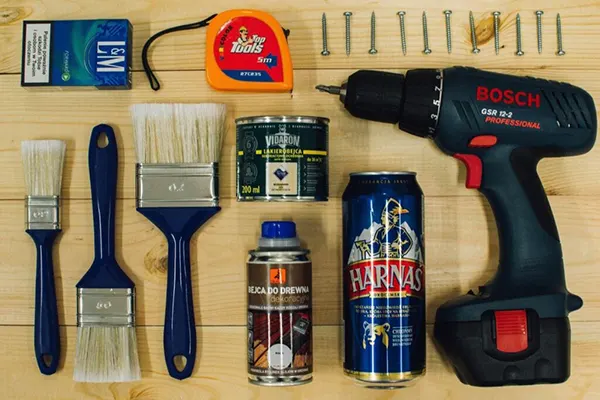
Know Your Repair Priorities
Start with problems that can harm people or the home’s structure. Anything related to active leaks, electrical faults, or roof damage should jump to the top of your list. Thereafter, look for signs of wood rot, soft spots near the plumbing, or flickering breakers that hint at bigger issues.
You can balance comfort and efficiency. Drafty doors, clogged dryer vents, and worn weatherstripping waste energy and money. Tackle these quick wins while you schedule licensed help for the complex stuff. If a project requires permits, special tools, or ladder work on steep pitches, call a pro.
When to DIY vs Hire a Pro
DIY is helpful for safety-minded owners who stay within their skill lane. Painting, minor drywall repairs, shelving, and weatherstripping are great home projects for weekends. You get practice, save labor costs, and explore how your home is put together.
Licensed pros should be handling electrical circuits, gas lines, structural fixes, and most roofing work. If you are from the region, roofers in Florida can understand material choices, expected life, and how a repair might impact insurance. Ask for proof of insurance, a written scope, and a clear payment schedule linked to progress. For large projects, maintain a simple log with dates, photos, and change orders.
The Real Cost of Upkeep in Florida
Routine costs like landscaping, pest control, AC tune-ups, and minor fixes add up fast. Florida owners spend a shockingly high amount each year on upkeep and hidden expenses, reminding us to set aside a good maintenance fund early.
Location matters, too. Salt air near the coast can harm outdoor fixtures and door hardware. High humidity strains HVAC systems and can warp trim. Remember to replace exterior caulk and repaint more often in damp zones, on shaded sides of the house where mildew prefers to grow.
Simple ways to trim recurring costs:
- Group similar projects on the same day to cut trip fees.
- Replace worn weatherstripping and door sweeps to help decrease AC runtime.
- Use smart plugs or timers for outdoor lighting to limit all-night power use.
- Always keep gutters clear so downspouts don’t dump water near the foundation.
Budgeting Methods That Actually Work
Price growth has moved many repair line items higher, so the same percent-of-value formulas translate to larger dollar figures. A national review of maintenance trends pointed out that repair price indexes have remained elevated through 2024 and into 2025, which means your annual set-aside should show higher costs.
Track a percent of home value for long-term maintenance and save per square foot for routine tasks. Keep a separate emergency buffer for unanticipated water leaks or electrical fixes. If you do not use the buffer in a given year, roll it forward to offset roof or HVAC work later.
When Storms and Disasters Strike
Even if your home escapes direct damage, terrible weather can stretch contractor schedules and increase material costs. Insured losses from disasters were over $100 billion in the past year, with storms, floods, and fires making up most of it. That scale of loss tends to ripple into local pricing and wait times, so speedy documentation and clear scope can help you get a spot on a crew’s calendar.
Make a simple storm plan now. Take photographs of roof planes, soffits, windows, and the yard. After a wind event, take the same angles again for an effortless before-and-after record. Keep your receipts for tarps, temporary patches, and hotel stays in one folder.
Roof Checks and Big-Ticket Decisions
Roofs age silently until they don’t. Look for granule piles at downspouts, lifted shingles, soft decking near eaves, and stained ceilings. Binoculars may help you scan from the ground. If you see several problem areas, plan a professional inspection and ask for photos of flashing, valleys, and penetrations.
Big venues provide a lesson in scale and timing. Large roof systems can be addressed on a defined budget and schedule when engineers analyze the work and set milestones. Your home is smaller, but the principle is the same: define the issue, compare repair vs replace, and confirm the timeline with written details so you know what to expect from the project.
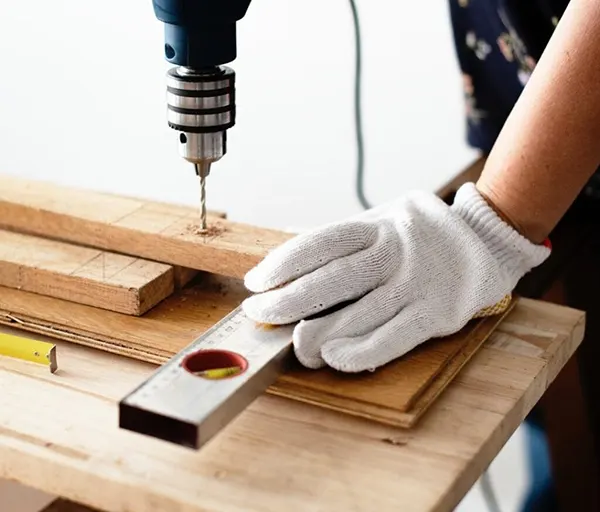
Home repair does not have to be stressful. Focus on safety first, budget with an honest view of costs, and take smaller steps every season. Those habits protect your property and give you fewer emergencies to worry about.
FAQ
What basic tools does a homeowner need?
A hammer, screwdriver set, pliers, adjustable wrench, tape measure, utility knife, and level are some basic tools that homeowners do need.
What are common DIY repairs in the house?
Patching drywall holes, fixing leaky faucets, replacing air filters, painting, etc., are common DIY repairs.
What should I consider before starting to fix a repair by myself?
Simply think about the safety precautions, required tools, scope of the project, cost, and skills required for it before addressing the issue.
What are good sources to learn basic home repairs?
One can learn it from reliable websites and YouTube channels, DIY books and manuals, and the best in-person workshops in hardware stores.