Want a plant that is easy to care for, pet-friendly, and looks absolutely stunning indoors? Meet the Cat Palm plant. If you are looking for smart ways to elevate your home decor with houseplants, this species is an excellent option. With feathery fronds and soft, arching leaves, it is one of the most elegant indoor palms around.
Additionally, it’s non-toxic, elegant, and easy to care for, even if you are not a plant expert! Jump into this immersive blog and explore everything about the genus, from its features and benefits to the amazing botanical background that it holds.
Did You Know?
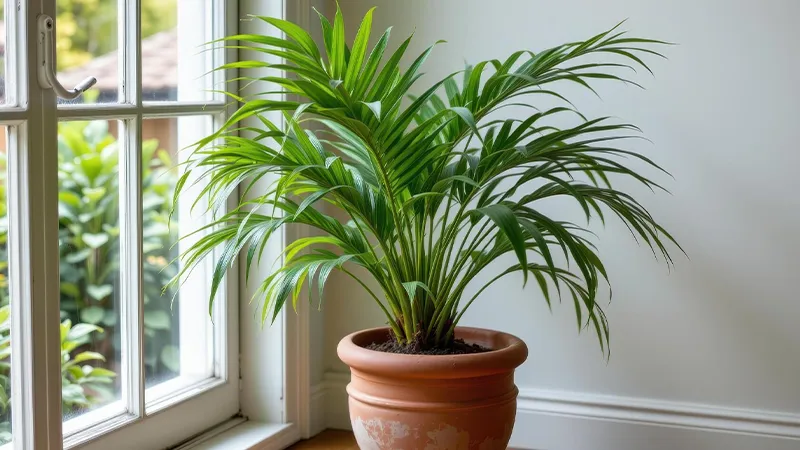
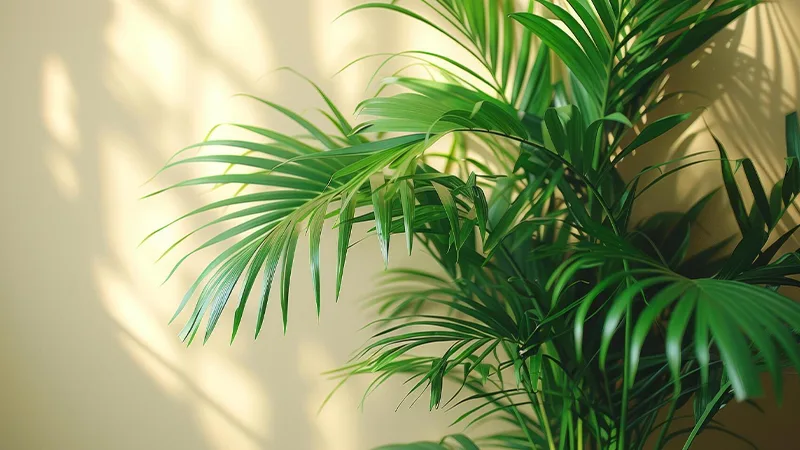
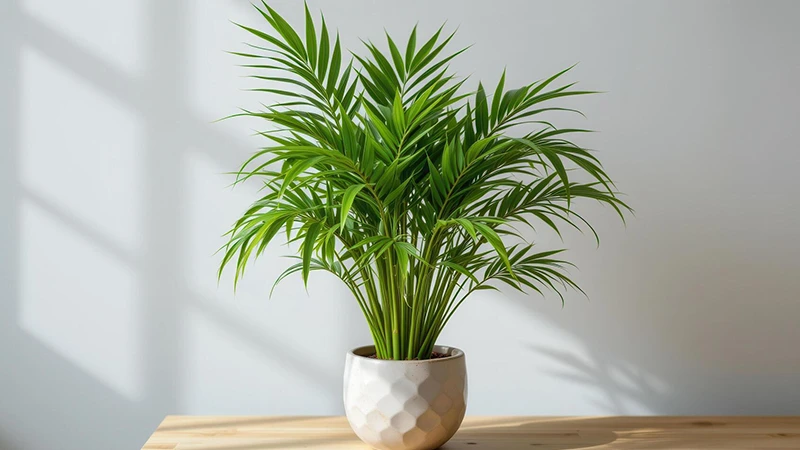
The Cat Palm plant doesn’t grow a central trunk like many other palms. It grows in thick, bushy clumps, giving it a lush, fountain-like shape.
What is Cat Palm? A Brief Intro
If you are looking to add instant tropical charm to any room without needing too much attention, the Cat Palm is the most versatile species out there. The genus is beautiful, safe for your pets, and requires minimal care. Moving further, let us take a closer look at some features and benefits of the genus.
- Compact yet dense — Grows into a lush plant, bushy clumps, making it a perfect addition for small spaces or corners.
- Tropical Vibes — Brings jungle-like greenery indoors without any maintenance stress.
- Pet Safe — Completely non-toxic to cats and dogs, hence nothing to worry about your fur babies.
- Air Purifying — One of the best air purifying bedroom plants, which can easily filter toxins.
- Humidity Lover — Thrives in filtered light and is perfect for bathrooms or humid corners.
- Beginner Friendly — Can tolerate a bit of neglect and adjust easily to the indoor conditions.
The Cat Palm is a compact, bushy palm that typically grows up to 3–6 feet tall indoors, making it perfect for apartments or cozy corners. One of the biggest plus points about the genus is its low-maintenance nature, making it ideal for beginner plant parents.
Whether you are decorating your living space or just starting your plant journey, this palm adds a cozy, tropical touch.
Taxonomy and Botanical Background of Cat Palms
The Cataractarum Palm may look like a decorative houseplant, but it has an interesting background. Whether you are a garden enthusiast or a seasoned botanist, understanding the taxonomy of the genus is essential.
| Scientific Classification of the Palm Cataractarum | |
| Kingdom | Plantae |
| Clade | Tracheophytes |
| Clade | Angiosperms |
| Clade | Monocots |
| Order | Arecales |
| Family | Arecaceae |
| Genus | Chamaedorea |
| Species | Chamaedorea cataractarum |
| Common Name | Cat Palm, Cascade Palm |
The genus prefers growing near streams or waterfalls and is native to Southern Mexico and Central America. With its tropical roots and soft, fountain-like foliage, the Cat Palm is both exotic and approachable.
Cat Palm Care Guide: What are the Ideal Growing Conditions?
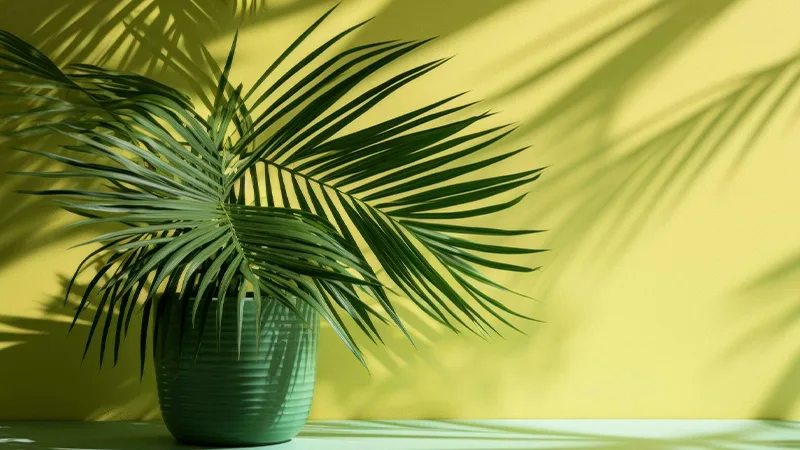
Cat Palms may look fancy, but when it comes to their care guide, they are quite easy to manage. By simply providing them with the optimal growing conditions, you can reward yourself with luxuriant indoor plants.
To help them thrive indoors, just give them the right mix of light, water, and humidity. Below is the ultimate Cat Palm care guide that you should follow to help them flourish.
- Light Exposure: Cat Palm plants prefer bright, indirect sunlight. Harsh or direct exposure to sunlight can damage the leaves. Place the genus near an east or north-facing window. Avoid direct sunlight, especially in the afternoon. Rotate the plant occasionally for even growth.
- Water Requirements: Water only when the top inch of the soil feels dry. Be sure to use room temperature water. These palms like their soil to stay lightly moist, but not waterlogged.
- Soil Type: Use a well-draining potting mix to prevent root rot. Mix peat, perlite, and a little sand for that ideal soil texture. Avoid heavy or compact soils and make sure the pot has proper drainage holes.
- Temperature and Humidity: Cascade Palm loves warm temperatures between 18–27 degrees. Keep away from cold drafts, heaters, or AC vents. Thrives in moderate to high humidity.
Following the right growing conditions can help your Cat Palm flourish without any fuss. Once the genus is all grown up, it instantly elevates the look of the entire space.
Pruning and Propagation Methods
Although Cat Palms do not require heavy maintenance, occasional pruning keeps them looking fresh. Let us explore more about the pruning and propagation of the genus.
Pruning Chamaedorea Cataractarum
Cat Palms are slow growers, so these do not require pruning frequently. To improve the appearance and overall health of the plant, removing dry or yellow fronds is essential. Only prune brown, yellow, or damaged leaves using clean, sharp scissors to avoid the spread of any infestation.
Be sure to trim the fronds from the base, close to the soil. To keep the plant dust-free and glossy, wipe the leaves with a damp cloth. Never cut more than 20% of the plant at once, since it can stress the palm.
Propagation of Cat Palms
One fun fact about Cat Palm is that it can’t be propagated from cutting or the leaf division method. The only effective method is splitting, usually done during repotting.
- Choose a mature, healthy plant with multiple clumps.
- Gently remove the plant from the pot and separate the roots into small sections by hand.
- Ensure that each section has its own root structure and stems.
- Replant each frond into a new pot having well-draining potting mix.
- Water the genus lightly during the initial years to make the root system firm. Place in a warm, humid area with filtered sunlight.
A little pruning keeps your Cat Palm looking neat, while propagation lets you grow new plants from a mature one. With care and patience, both tasks can be surprisingly rewarding and fun.
Common Pests and Diseases That Affect the Cat Palm Plant
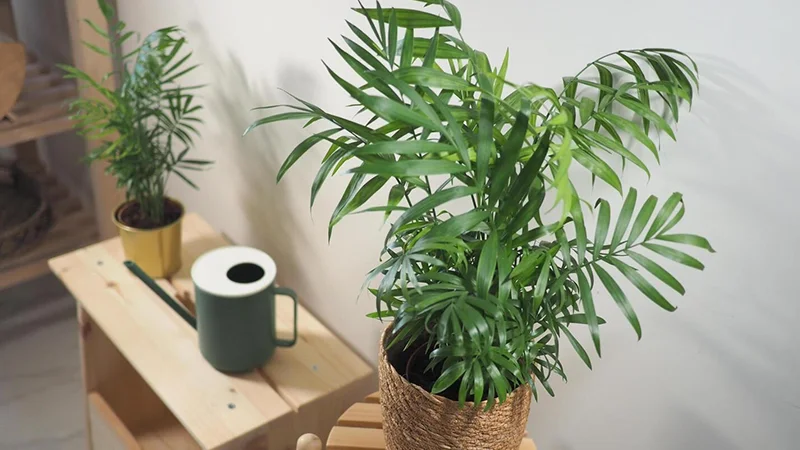
Even though Cat Palm trees are said to be pretty low-maintenance, they are not completely immune to pests and diseases. Leaf spots, fungal infections, and poor conditions can cause infestation. Additionally, let us explore how to spot these issues early and fix them.
| Problem | Symptom | Solution |
| Spider Mites | Fine webs, dotted or dry leaves. | Mist the plant regularly, use neem (margosa) oil or insecticidal soap. |
| Mealybugs | Cotton-like clumps on the stem of the plant. | Wine the leaves and the stem area gently with rubbing alcohol and isolate the plant. |
| Scale Insects | Brown spots on the leaves, sticky leaves. | Scrape off the sticky material gently, and apply horticultural oil. |
| Fungal Spots | Brown/black spots or holes in the leaves. | Remove the affected leaves, adjust the water frequency, and improve air flow. |
| Root Rot | Drooping yellow leaves. | Repot in fresh soil, remove the rotten roots, and avoid overwatering. |
To keep your plant thriving, it’s a smart move to isolate any new or ailing plants. This simple step can help prevent pests and infestations from spreading, ensuring your healthy plants stay safe and vibrant!
Mist the plant regularly to raise humidity, but allow the leaves to get dry between the sprays. With regular checks, gentle cleaning, and good care habits, your Cat Palm will stay strong, healthy, and lush for years to come.
Final Thoughts
The Cat Palm is more than just a houseplant. It’s a gentle, leafy companion for novice plant lovers that brings calm and charm to any living space. Without demanding much in return, the structure of the genus creates a soothing, tropical atmosphere. Whether you live in a small apartment or a spacious home, this plant fits right in with its lush shape and pet-safe nature.
If you are someone who wants to enjoy indoor greenery without any hassle, the Cat Palm is an ideal match. Additionally, it’s decorative, air-purifying, and forgiving, exactly how a beginner-friendly plant should be if you are a novice plant lover.
Do Cat Palms like full sun or shade?
Cat Palms prefer growing in filtered sunlight.
How tall do Cat Palms grow?
A normal Cat Palm can grow up to 4-7 ft tall.
Is Cat Palm a good indoor plant?
The plant’s low maintenance requirements and non-toxic characteristics make it an ideal indoor plant.
Should I cut brown tips off my Cat Palm?
Yes, removing the brown tips or damaged leaves of the plant is important to maintain the overall health of the genus.
Should you mist a Cat Palm?
Yes, to maintain the required humidity level of the plant, it is advised to mist it once in a while.
Is Cat Palm a safe plant for cats?
Yes, Cat Palms are considered non-toxic and safe for cats and can be planted indoors.
- Cat Palm — South Florida Plant Guide
- 15 Of The Safest Plants For Cats—And Which Ones To Avoid — Forbes