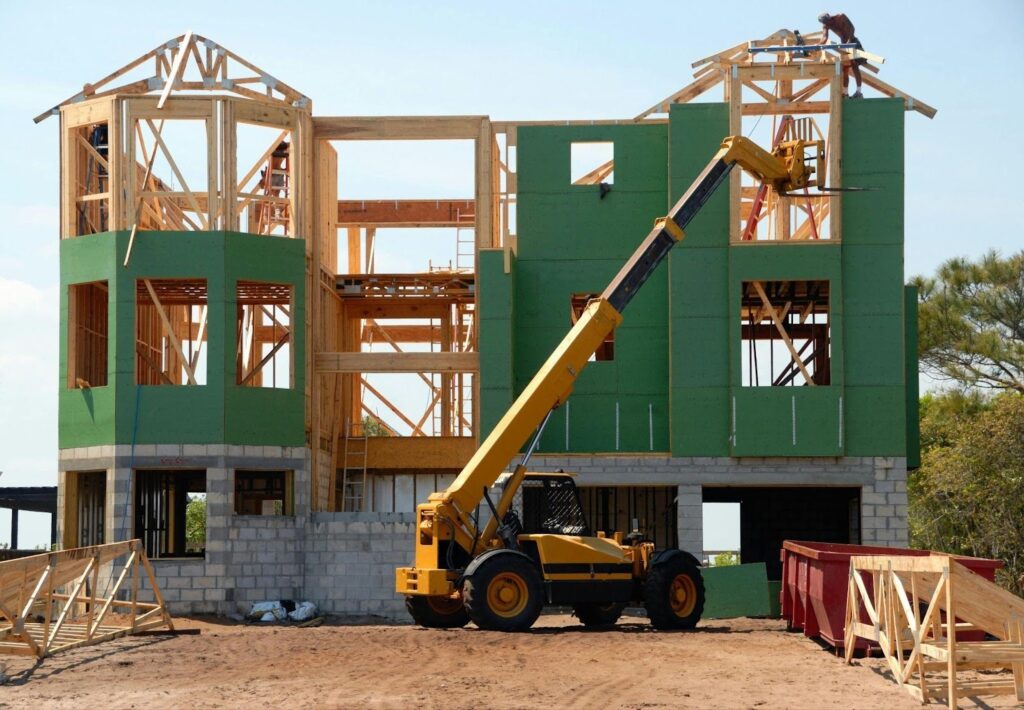
Home construction was never just about mere blueprints and materials. It’s about evaluating and analyzing – the land, the weather and the rules shaped by passed generations before the first nail is driven.
A home that is built in the desert learns to hide from the heat. A home near the coast learns to stand firm with the ground against strong winds and water effects. These changes might seem like a personal style or a personal touch for looks. But this is a quiet adaptation to survive well and enhance efficiency.
That’s why construction methods change with the change in the area – each place has its own tweaks for efficient survival.
Keep reading this article to understand why home construction differs by place – from the foundation to the finish.
Texas: Building Under Big Skies and Bigger Regulations
Texas consists of a landscape that shifts quickly—coastal humidity, dry plains, and sudden rainstorms that turn job sites into temporary ponds. Construction here must be active as the soil moves, the weather tests materials, and large developments must stay within environmental boundaries.
One of the most consequential aspects of construction in Texas is SWPPP compliance. The Texas SWPPP isn’t just paperwork; it directs how builders control erosion, manage runoff, and keep sediment from slipping into waterways.
Every step is monitored, logged, inspected. In other states the same project might involve a quick environmental check, but in Texas, SWPPP becomes a partner in the build.
A Landscape That Shapes Structure
Foundations must withstand soil that expands when wet and contracts in dry spells. Builders adjust slab designs, reinforce beams, and adapt drainage channels. The land isn’t hostile, but it demands respect.
Heat as a Building Material
High temperatures influence insulation choices, roofing color, and window placement. Shade becomes a strategic asset. Even the air-conditioning systems are oversized compared to many regions, tuned for months of relentless sun.
Vermont: Homes That Anchor Into the Cold
Move northeast and the attitude shifts. Vermont has a gentler pace but a fiercer winter. Construction choices revolve around staying warm without choking the budget. Warmth is an architectural goal rather than a seasonal luxury.
Builders turn to sturdy materials—thick timber, dense insulation, cold-resistant roofing. Every joint must resist frost heave, and every window carries multiple layers of glass to keep the heat where it belongs.
Foundations Designed for Deep Chill
Frost lines dig far below the surface, pushing builders to pour footings that reach well into the earth. Anything shallow risks shifting when the ground freezes and swells.
The Logic of Heat Containment
Vermonters don’t rely on thin exterior walls. They build shells that feel almost padded—quiet, tight, ready for storms. Efficiency becomes a craft, not a trend.
Arizona: Homes That Perform in the Dry Light
In Arizona, light behaves almost like a building element on its own. It is sharp, direct, and generous to the point of domination. A well-designed home in the desert doesn’t fear the sun; it redirects it, softens it, or hides from it when needed.
Builders here keep things low, simple, and resilient. Stucco exteriors, thick walls, and roofs built to deflect heat have become natural choices, not stylistic statements.
Shade as Architecture
Instead of decorative overhangs, Arizona uses serious shade—deep eaves, covered patios, interior courtyards. Shadows cool the air before it crosses your threshold.
Materials That Refuse to Bow to Heat
Clay tiles, heat-treated coatings, and insulated concrete blocks remain popular. Wood, in large structural amounts, is less common simply because the climate asks for materials that won’t warp or demand constant upkeep.
Florida: Where Homes Brace for Water in All Its Forms
Florida faces moisture from every direction: sky, coastline, soil, and seasonal storms that rewrite the landscape in hours. Construction here treats water as an opponent that must be outsmarted, redirected, and controlled.
This produces a particular kind of architecture—elevated structures, metal roofing, impact-rated windows, reinforced frames. Even inland homes borrow coastal tactics.
Wind-Ready Frameworks
Hurricane codes push builders to reinforce connections from the roof down to the foundation, tying the home into one tightly bound structure. The main goal is resilience, not luck.
Moisture Management as Daily Practice
Walls breathe differently here. Ventilation paths are calculated with precision, and materials must resist mold, salt, and humidity. A careless builder doesn’t last long in this state.
New Mexico: Adobe Echoes and Earth-Minded Thinking
New Mexico blends tradition with deliberate adaptation. Here, the architectural story stretches back centuries, and its influence remains visible in modern construction.
The landscape invites texture—earthy tones, natural plaster, thick walls—while local building methods keep interiors stable throughout the year.
The climate swings from hot days to cool nights, encouraging construction that holds warmth when needed and releases it when the air cools.
Thermal Mass as Quiet Innovation
Adobe and other dense materials stabilize interior temperatures. Rooms feel grounded, calm, and shielded from the desert’s drastic shifts.
A Palette Pulled From the Land
Construction here often leans into muted terracotta, soft sand tones and timber with visible grain. It’s luxury presented as calm authenticity instead of overt flash.
North Carolina: A Meeting Point of Mountains, Coast, and Codes
North Carolina’s varied terrain gives builders a broad set of conditions to navigate. Coastal homes predict hurricanes, while mountain homes prepare for wind, elevation, and shifting soil.
With such geographical diversity, construction trends feel like a woven tapestry—some threads coastal, others rural, others urban. Timber remains central, but concrete block construction holds its ground along the shoreline.
Building for a Moving Landscape
The Appalachian region demands attention to slope stability. Retaining structures, reinforced foundations, and drainage paths ensure homes sit securely on uneven ground.
Along the Coastline
Wind ratings rise, and materials must tolerate salt in the air. Builders rely on fiber cement, corrosion-resistant fasteners, and elevated foundations to counter the elements.
A Closing Look at the Terrain of Homebuilding
“Building well means merging those environmental demands into design choices that last for long”.
Across the country, construction isn’t simply a technical sequence—it’s a regional craft shaped by climate, local law, cultural memory, and the personality of the land itself. And there is no universal way to build a home – only regionals can respond to the local challenges.
A house built in Texas would look out of place in Vermont; a desert-ready Arizona home wouldn’t survive a Florida storm season. Every state adds its own pressure points, its own logic, its own demands on the blueprint.
From foundation to finish, homebuilding becomes a form of translation. Each region speaks its own language, and the builder must learn to respond.
FAQs
- Why does region bring so much of the variance in the construction way?
For the reason that climate, soil and local regulations ask for different structural demands. - How much do local building codes influence design?
A lot – codes often reflect past failures, climate risks and regional priorities. - Are the traditional building methods still relevant today?
Yes, many modern techniques have evolved directly from the traditional methods that work well.