KEY TAKEAWAYS
- Understand the benefits of choosing potted plants
- Discover the key considerations when buying them
- Learn how to take care of these plants
Household air pollution was responsible for an estimated 2.9 million deaths per year in 2021; this statistic is not written by any over-exaggerating local newspaper, but by the World Health Organization itself, which is why it is really concerning and also shows us how important pure air is, especially in the home.
So what makes the air pure? Right, trees and plants. Although we can’t literally plant whole trees in the house, its alternative potted plants are there to help. Also, many NGOs and other organizations often offer potted plants for sale to promote greenery.
Dive into this article and discover how you can take advantage of this great deal and understand how specific plants thrive in specific conditions and environments.
Understanding Potted Plants for Sale
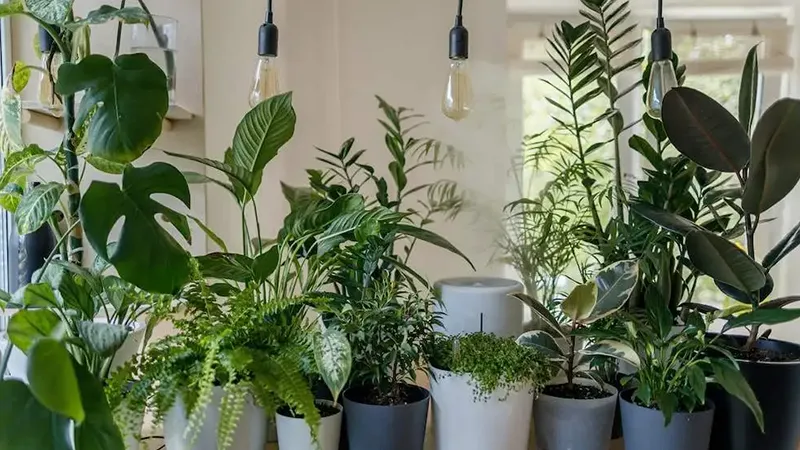
Potted plants have emerged as essential elements in modern homes and workspaces, attracting people with their charm and versatility. These botanical companions provide an array of options, from lush, leafy greens to vibrant flowering species, letting you enhance any environment with a touch of nature. Their characteristic capacity to thrive in containers makes them ideal for those with limited outdoor space or for those looking to bring the outdoors in.
As they transform the environment with their aesthetics, potted plants also contribute to improved air quality and a sense of calm. When exploring the market for potted plants for sale, you’ll notice a diverse selection that caters to various tastes and care requirements. Succulents and cacti are popular picks for those seeking low-maintenance options; they thrive with minimal water and bright light.
Ferns and palms bring a tropical feel to interiors, while herbs like basil and mint, grown in pots, provide both beauty and culinary uses. For those drawn to blossoms, orchids and African violets deliver striking floral displays. Each category brings its unique flair, allowing you to tailor your selection to your personal taste and lifestyle needs.
Before buying potted plants, it’s essential to consider factors that will ensure their healthy growth. Think about the light conditions of your intended space. For instance, a south-facing window is the best for sun-loving species, while low-light plants thrive in shaded corners. Additionally, consider your ability to provide care, like watering frequency and maintenance. Understanding these details will help you choose plants that will not only survive but grow beautifully in your care, providing lasting benefits to your environment.
The Benefits of Choosing Potted Plants
Potted plants have various benefits; choosing them will be a smart decision as they provide:
Versatility and Flexibility
Potted plants provide unparalleled versatility and flexibility, making them an ideal choice for various settings. These plants can be smoothly moved around, allowing you to rearrange your space as required. Whether you wish to brighten up a dim corner or create a refreshing environment in your home office, potted plants adjust seamlessly to your needs.
Their portability also means they can seamlessly accompany you during relocations, ensuring your green companions are always close. Also, the wide range of sizes available means you can find a potted plant that works for any space, no matter how small or large.
Improved Air Quality and Well-being
Adding potted plants to your surroundings not only enhances your décor but also contributes to a healthier living environment. Many potted plants are famous for their air-purifying properties, absorbing toxins and giving out oxygen, which leads to improved air quality. Studies have shown that having plants in your house or workspace can reduce stress levels, boost mood, and raise productivity. The presence of greenery fosters a sense of calm and peace, promoting overall well-being and a more pleasant atmosphere.
Easy Maintenance and Care
For both seasoned gardeners and beginners that are alike, potted plants present an easy-to-manage option. They need minimal maintenance compared to large garden plots, making them ideal for those with busy lifestyles or limited gardening experience. With various low-maintenance indoor plant options available, such as succulents and snake plants, you can enjoy the beauty and perks of greenery without the hassle of intensive care.
By selecting plants suited to your environment’s light and humidity conditions, you’ll ensure that your potted plants grow stronger with minimal effort.
Key Considerations When Buying Potted Plants
There are some points to consider when buying potted plants:
Assessing Your Environment
Before purchasing potted plants, it is important to evaluate your environment. Consider factors such as light availability, temperature, and humidity. Most plants flourish in spaces that mimic their natural habitat. For example, tropical plants typically require higher humidity and steady warmth, while succulents require bright light and dry conditions. Setting up the right environment will help your plant flourish.
Understanding Plant Care Requirements
Each plant species comes with specific care needs. Understanding these requirements can prevent typical pitfalls. Watering frequency, for example, varies greatly—overwatering is a common cause of plant stress, while neglecting watering altogether can be equally detrimental. Some plants, like ferns, need frequent misting, while others, like cacti, grow with minimal water. Research each plant’s specific needs to maintain a nutritious, vibrant display.
Space and Growth Considerations
When selecting potted plants for sale, it is very important to consider the available space and the projected growth of the plants. Some plants can expand exponentially, both in height and width, which may not work for smaller spaces. Assess the maximum size of a plant and ensure your chosen pot provides sufficient room for roots to grow. Future repotting might be beneficial as your plant matures.
Aesthetic Alignment
Potted plants are not just about function; they also help contribute to the aesthetic of your space. Consider the design and color scheme of your surroundings when picking out plants.
For instance, the elegant, drooping leaves of a spider plant may perfectly match a minimalist interior, while the bold colors of flowering plants can add vibrancy to a more eclectic room. Getting plants that align with your decor enhances both the plant’s and your house’s appeal.
How to Care for Your Potted Plants
Caring for potted plants comes with a few core principles that can ensure their health and longevity. Plants develop beautifully when they are positioned in environments that mimic their natural habitats. This means maintaining the right balance of light, water, and nutrients.
Understanding the particular needs of your chosen plant species is important, as not all plants require the same care. Researching your plant’s origin and native conditions can educate you on the amount of sunlight and water it needs. Watering is an art in itself. Too much water can kill the roots, while too little can leave them dehydrated.
A helpful rule of thumb is to water your plants when the top inch of soil feels dry to the touch. Ensure proper drainage to stop water from pooling at the bottom of pots, which could lead to root rot. Monitoring your plant’s leaves can also serve as an indicator; wilting or yellowing may suggest watering mistakes.
Light is another important factor in potted plant care. While some varieties bask in direct sunlight, others use the indirect glow of a shaded corner. Assess your living space and place your plants accordingly. Rotating your pots every single week can help expose all sides to light, supporting even growth. If natural light is insufficient, consider using grow lights as a supplemental source.
Potted plants depend heavily on the nutrients available in their confined soil. Regularly fertilizing your plants can bring back the necessary nutrients they might be lacking. Pick a balanced fertilizer and follow the instructions on quantity and frequency. Over-fertilizing can damage your plants, so moderation is key.
Conclusion
As you get started on your journey to enhance your living space with potted plants, remember that the true beauty lies in the diversity and freshness they bring to your environment.
This guide has delivered insights into selecting and caring for these verdant companions, expressing the importance of choosing healthy, vibrant specimens. By understanding the nuances of plant care and selection, you can convert any space into a lush sanctuary.
Whether you’re a seasoned botanist or a new plant enthusiast, these tips will empower you to make thoughtful decisions, ensuring your potted plants thrive and bring continuous relaxation and positive energy to your home.
What is the easiest potted plant to grow?
Snake plant (Sansevieria), ZZ plant, and Pothos (money plant) are some of the potted plants that are easy to grow, especially for beginners.
Which potted plant gives 12 months of flowers?
To get year-round bloom in a pot, go for Anthurium, Peace Lily (Spathiphyllum), African Violets, and Kalanchoe.
Is it fine to keep plants inside as they release carbon dioxide at night?
Yes, it’s completely safe, as the released amount of carbon dioxide is too low to harm anyone.
Do plants like it when you pet them?
No, they don’t like it as our pets; instead, they take it as a form of stress or threat, which slows their growth.