Vaishali Sharma is a landscaping and gardening specialist with practical horticultural expertise. She reviews garden guides and outdoor projects to ensure readers receive clear, reliable advice for healthier plants and better-designed spaces.
Areas of Expertise
Landscaping & Planting Design
Soil Health & Nutrition
Water-Efficient Irrigation
Garden Care & Pest Management
Ask Vaishali
Stepping into a yard that has been landscaped and cared for feels like literally entering heaven. The smell of the fresh air awakens the senses, and the vibrancy of your personal sanctuary makes the dullest day alive.
These are, of course, run by nervers–the trees– in the garden.
Not only do they boost mood, but trees contribute to a home’s property value by 3 to 15% over time. However, maintaining these magnificent and gigantic trees does take more than just watering.
That’s why I present this write-up here, describing creating an artistic masterpiece in your own outdoor area.
KEY TAKEAWAYS
Late winter is a “golden window” for pruning deciduous trees.
Healthy trees start under the ground: reduce soil bulk density to increase tree growth and resilience by 28% to 51% with organic amendments.
Monitoring for invasive species like spotted lanternfly and emerald ash borer is critical to preventing rapid loss of canopy.
Properly placed trees reduce energy costs by providing shade; can also help to clean indoor air.
Understanding Basic Tree Care Principles for Homeowners
Each tree in your yard represents a unique clock that ticks as it goes through its annual seasonal rhythms of dormancy, followed by active growth, and then back again. As an owner of property, knowing these rhythms means the difference between having trees in the forest thrive or having them slowly fade away.
Principals
Strategic Watering
Prefer deep water, rather than daily with shallow mist, will create a strong root system as they have to search for water deeper.
Tree Health and Growth Cycles
In Spring, trees wake from dormancy to expand their leaves and canopies, while root system developments primarily accelerate in the surrounding soil layers.
Mulching Mastery
A 2-4 inch layer of organic mulch placed around trees protects the soil while retaining moisture and keeps weeds from competing with each other.
Soil-Water Connection
Trees generally struggle in urban settings because they live in compacted soil of ‘dead’ soil.
Seasonal Care Patterns
Tree Workers of Phoenix do not prune trees in late fall, as they may get confused and then need to use energy during the Winter months in order not to become dormant until the Spring.
By understanding and following these core biological requirements, a foundation is created. So trees have their best chance to survive whatever challenges Mother Nature throws their way.
Pruning and Trimming Techniques for Better Growth
Think of pruning as a “medical check-up” for your trees. Its trend has been more about renewal pruning that focuses on taking out unproductive wood to encourage new vigorous growth.
Pruning Type
Best Timing (2026 Calendar)
Primary Goal
Dormant Pruning
Late Jan – Feb
Shape the tree and encourage a massive spring “burst”.
Renewal Pruning
Early – Mid March
Restore overgrown or declining trees by removing older wood.
Safety Pruning
Year-Round (Immediate)
Remove dead, diseased, or hazardous limbs before they fall.
Sap-Minimal Pruning
After Spring Leaf-Out
Prevent “bleeding” in species like maples and birches.
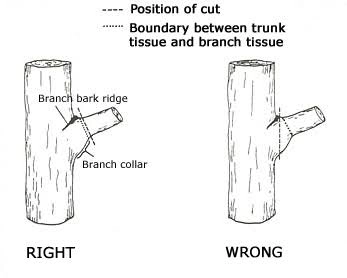
Tip: To make your pruning cuts, it is best to always create them just outside the branch collar so that the wound can heal quickly and prevent decay.
Soil Management and Fertilization for Strong Trees
The secret to a tree’s strength lies in the dark world beneath our feet.
When organic fertilizers are applied to soil, topsoil indicators can see increases, with research demonstrating that this process will help homeowners switch from using chemical fertilizers to using an organic fertilizer that provides their trees with “slow-release” organic soil nutrients.
On the other hand, deep-root fertilization allows a tree’s roots to absorb the energy they require without risking the loss of that energy when rainfall falls on the surface of the ground. This subterranean alternative is essential for the strength of the tree’s trunk to survive the coming storms.
Here is a well-labelled diagram showing how to prune tree branches carefully.Always place your saw cut precisely along the outer edge of the branch collar. Cutting too close (a flush cut) destroys the trunk tissue boundary and prevents natural compartmentalization.
Pest and Disease Control for Long-Term Tree Health
The healthy tree is your fortress, but even the strongest walls can be breached by ‘silent invaders’. The only way to keep a localized infestation from developing into a whole yard disaster is to identify the symptoms early. Check for honeycomb and black molds growing under even well-maintained trees, which indicates active feeding.
Look for thinning leaf canopies, tearing bark, and D-shaped holes in the bark on ash trees.
Check out for symptoms characterized by dark stripes between leaf veins and larger, curled-up leaves–threats spreading fast!
The warm and wet spring has produced more Anthracnose disease and more Leaf Spot than ever before. The best way to prevent these from happening is to open the foliage to improve airflow by properly pruning.
Termites and magnolia scale are present much earlier this year and can weaken the internal components and structure of a tree before there are any visible signs on the leaves.
When to Call Professional Arborists for Tree Care
You would have to be insane to think you could prune trees successfully without professional help… But then again, who knows? Maybe there are people who can do it!
Here are some examples:
Cracks and Cankers: Cracks in the trunk (vertical splits) that indicate decay inside and thus possibly cause structural failure.
Sudden Lean: Trees that suddenly lean after a storm or rainstorm may have had root systems fail.
Hollow Trunks: Hollow trunk cavities indicate pest infestation; hollow trunks cannot support weight against wind.
Utility Conflict: Avoid pruning branches near power lines; this work requires special training and safety equipment.
If you see any signs of emergencies, you should definitely contact an arborist.
Conclusion
When you master the skill of pruning trees, amend your soil, and diligently monitor for pests or disease, you are creating a lasting legacy. Trees provide shade in the summer and privacy for families.
As the saying goes, “The best time to plant a tree was 20 years ago, the next best time is now”. By taking care of the trees you already have, you are honoring the investment you made when you planted them.
FAQs
When is the best time of year to prune my trees?
Prune in late winter while trees are dormant for healthy spring growth and improved visibility of structural components.
How can I tell if my tree has enough water?
Soil moisture measurement can be made with an inexpensive smart soil moisture sensor or by using a screwdriver in soil 6-8 inches deep for ease of penetration.
Is topping a tree bad?
Topping is generally not accepted by arborists and damages the tree, creating an unsafe tree when the new growth has a weak connection to the rest of the tree.
Why are my trees’ leaves dropping off mid-July?
You may be experiencing heat stress or vascular disease. Check moisture levels in the root zone and inspect for pest damage such as boring insects or cankers on the bark.







A Guide to Choosing the Best Roof for Your Home
[…] some distance and proper care, you can ensure your trees’ health while protecting your roof at the same […]