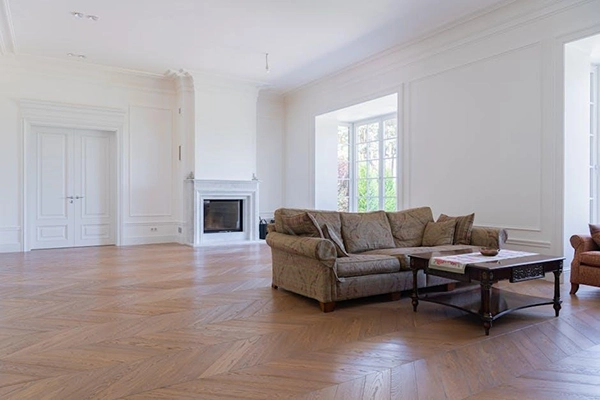
Hardwood floors remain one of the most popular home upgrades because they look beautiful, are long-lasting, and add value to any property. But so many options and variations of species, grades, and finishes can make the entire selection process overwhelming.
A great starting point is exploring options from retailers like Really Cheap Floors that offer a wide range of solid hardwood options at different price tiers.
Let’s understand what separates a good flooring from a great one, so you can spend wisely and avoid choices that you will regret years later.
Key Takeaways
- The right choice of hardwood species really depends on your household traffic, climate, and design preferences
- The difference between grades of hardwood is purely cosmetic, with most homeowners preferring the lower-grade ones
- Proper maintenance of the hardwood ensures that it stays and looks good for 25+ years; after that, it may require refinishing
- Create a checklist to efficiently plan and select the hardwood of your choice with the right materials
Which Hardwood Species Works Best for Your Home?
The right species depends on your household traffic, your climate, and your design preferences. Oak is the most popular choice in the U.S. because it balances durability, affordability, and visual appeal across nearly every interior style.
Red oak has warm pink and amber undertones that suit traditional spaces. White oak leans cooler with gray and tan tones that pair well with modern and farmhouse designs. Both score high on the Janka hardness scale, which measures resistance to denting and wear.
For households with heavy foot traffic, pets, or children, harder species like hickory and maple offer superior dent resistance.
According to the National Wood Flooring Association, hickory rates nearly 80 percent harder than red oak on the Janka scale, making it an excellent choice for entryways, kitchens, and family rooms that take daily punishment.
Softer species like pine and walnut display a distinctive character but require regular maintenance.
Walnut’s rich chocolate tones create a striking look in bedrooms and formal dining rooms where traffic is lighter, and furniture pads can protect the surface.
How Do You Choose Between Grades of Hardwood?
Hardwood grades describe the visual appearance of the boards, not their structural quality. Here is what the main grades offer.
- Select grade (also called prime) has a clean, uniform appearance with minimal knots and color variation. This is the most expensive grade and suits formal or contemporary spaces.
- Number one common (also called natural) shows moderate knot patterns and color variation. It offers a balanced look that works in most rooms and costs less than select grade.
- Number two common (also called rustic) features prominent knots, mineral streaks, and color variation. This grade creates a character-rich floor at the lowest price point.
- Character grade mixes elements from all grades. Boards show the full range of natural wood features, including knots, grain variation, and color differences.
- Cabin grade includes boards with larger knots, some fill, and wider color swings. It delivers a rustic aesthetic at a budget-friendly price.
Higher grades don’t mean that they are “better” from a structural viewpoint. A second-grade common board is just as strong as a select board.
The difference is purely cosmetic, and many homeowners actually prefer the character that lower grades provide.
Should You Choose Prefinished or Site-Finished Hardwood?
Prefinished hardwood arrives with the stain and protective coating already applied at the factory. Site-finished hardwood is installed raw and then sanded, stained, and sealed in your home.
Prefinished floors install faster because there is no drying time for stain or polyurethane. You can walk on them the same day.
The factory finish is also extremely durable because it is applied under controlled conditions with UV-cured coatings that are harder than anything a contractor applies on site.
Site-finished floors offer one advantage: a perfectly smooth surface. Because the finish is applied after installation, there are no micro-bevels between boards. The result is a seamless look that some homeowners prefer.
The downside with this is the two to five days of drying time during which you cannot use the room, plus dust from sand that affects the entire house.
For most home renovation projects, prefinished hardwood offers the best balance of durability, convenience, and value.
The right flooring style choices matter the most when you are thinking about upgrading or downsizing your home.
Fun Fact
No two planks of wood are the same, even if cut from the same tree, ensuring your flooring is one-of-a-kind.
What Does Hardwood Flooring Actually Cost?
Prices vary widely by species, grade, and width. Here is what to expect.
- Red or white oak (select): $4 to $8 per square foot for materials. The most common and widely available option.
- Hickory (natural grade): $5 to $9 per square foot. Harder than oak with more dramatic grain patterns.
- Maple (select): $5 to $10 per square foot. Clean, light appearance popular in contemporary homes.
- Walnut (select): $7 to $12 per square foot. Premium pricing for its distinctive dark coloring.
- Installation labor: $3 to $8 per square foot, depending on your region, subfloor condition, and layout complexity.
- Removal of old flooring: $1 to $3 per square foot if your contractor handles demolition.
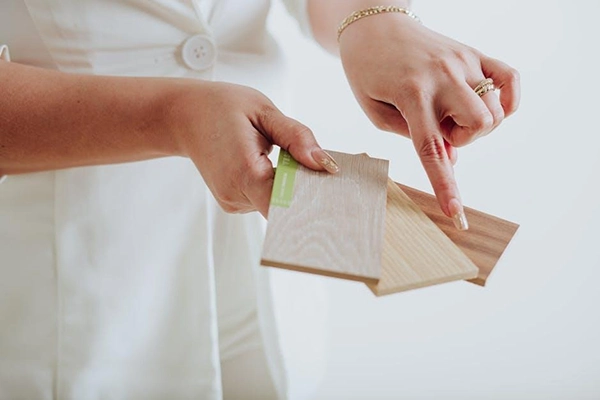
According to the National Association of Realtors, hardwood flooring recoups approximately 70 to 80 percent of its cost at resale, making it one of the strongest home improvement investments.
Broader planks (five inches and wider) and lighter finishes are trending in 2026 and tend to appeal to the widest range of buyers.
How Do You Maintain Hardwood Floors Long-Term?
Regular maintenance keeps hardwood looking good for 25 years, or before refinishing is usually needed.
The biggest enemy is grit. Tiny sand and dirt particles act like sandpaper under foot traffic, wearing through the finish over time.
Sweep or vacuum with a hard-floor attachment weekly. Use a damp (not wet) microfiber mop for deeper cleaning. Avoid steam mops, vinegar solutions, and oil-based cleaners, which can damage the finish or leave residue.
Place felt pads right under all furniture legs and replace them every year. Use mats at exterior doorways to catch grit before it reaches the floor. Keep indoor humidity between 35 and 55 percent to prevent boards from shrinking or swelling with seasonal changes.
Hardwood Flooring Selection Checklist
- Choose a species that matches your traffic level: oak for most rooms, hickory for high-traffic areas.
- Select a grade based on the look you want, not the price alone. Lower grades offer more character.
- Prefinished hardwood installs faster and offers a more durable factory-applied finish.
- Budget $7 to $16 per square foot total (materials plus installation) for most projects.
- Maintain floors with weekly sweeping, damp mopping, and felt pads under furniture.
- Wider planks and lighter finishes trend strongest for resale value in 2026.
Homeowners should follow the instructions of a hardwood flooring guide to make the most of their new high-impact flooring that delivers one of the strongest returns.
A Floor That Lasts a Lifetime
Hardwood flooring is one of the few home upgrades that get better with age. This is why it is important to choose the right species and grade for your lifestyle, install it properly, and maintain it consistently. A well-chosen hardwood floor will outlast every other finish in your home.
FAQ
Q1) How long does hardwood flooring last?
Ans: With proper maintenance, solid hardwood floors last 75 to 100 years. They can be sanded and refinished multiple times, typically every 7 to 10 years, depending on traffic levels.
Q2) Is hardwood flooring good for kitchens?
Ans: Yes, with the right species and finish. Harder species like hickory and white oak resist denting from dropped items. A quality polyurethane finish protects against moisture from spills if you clean them promptly.
Q3) What width hardwood plank is most popular in 2026?
Ans: Five-inch and wider planks dominate current trends. Wider planks create a more open, modern look with fewer seam lines. They also install faster because fewer boards are needed per square foot.
Q4) Can I install hardwood flooring over concrete?
Ans: Not directly for solid hardwood, which requires a wood subfloor or a plywood underlayment. Engineered hardwood can be installed over concrete using a floating or glue-down method, making it the better choice for slab foundations.