In Arizona, high temperatures define our day-to-day lives most of the year. Homeowners might watch their AC units and park in the shade but tend to forget about their garage door until it breaks down. The metal is rapidly expanded and contracted during the day and night.
This constant heating and cooling cycle will accelerate the above-mentioned breakdown of steel springs and plastic rollers. As the hot summer months continue to get hotter due to climate change, this breakdown of steel springs and plastic rollers will be aggravated further by continued expansion and contraction from excessive heating or cooling of the metal.
With continued heat buildup inside an enclosed garage, the garage door’s hardware will endure extremely high pressure and therefore rapid failure. You can maintain the value of your investment by implementing a regular proactive approach. Let’s learn everything in the article.
KEY TAKEAWAYS
- Heat causes steel springs to expand and contract daily, accelerating metal fatigue and snapping.
- High temperatures thin out grease, leading to friction and grinding in rollers and tracks.
- Upgrading to nylon rollers and high-cycle springs can significantly improve durability in desert climates.
Why Garage Door Springs Wear Out Faster in the Heat
Garage door springs are made using tightly wound steel. Their job is to counterbalance the weight of the door so it can open effortlessly without putting too much strain on the opener. In extreme heat, steel expands, and at night, it cools and contracts. That daily cycle may not seem like much, but after trying again and again, it weakens the metal.
Garages can become heat traps in places like Glendale. Even attached garages with insulation generally reach temperatures far higher than the outside air. That constant exposure impacts the lifespan of springs.
Homeowners often notice spring challenges slowly at first. The door may feel open slower, heavier, or stop halfway. Sometimes the first sign is a loud bang that sounds like something fell in the garage. That is generally a spring breaking under tension. Some common signs of worn springs include:
- A garage door that seems unusually heavy
- The door opening unevenly
- The opener straining or blocking
- Sharp popping or snapping sounds
Spring failure is one of the most common reasons people call for garage door repair Glendale, AZ during the summer.
How Rollers React to High Temperatures and Dust
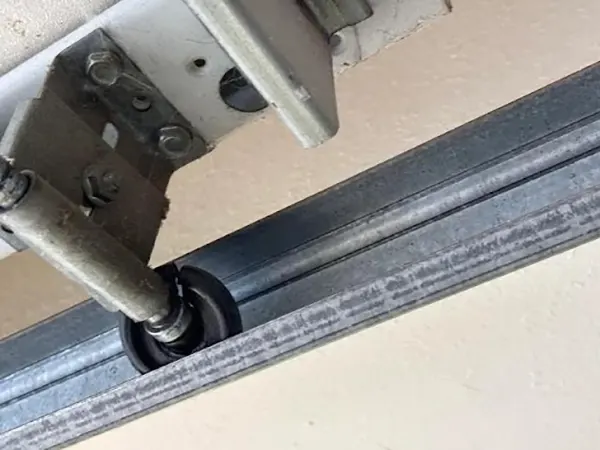
Rollers are smaller parts, but they act as a big icon. They instruct on the door along the track and keep movement smooth and stable. Heat affects rollers in various ways depending on the material. Plastic rollers are more likely to crack, flatten, or warp as temperatures climb.
Metal rollers can dry out when lubrication burns off, resulting in grinding noises and rough movement. Sprinkle dust into the mix, and friction increases even more. When rollers begin to fail, homeowners may notice:
- Squealing or grinding sounds
- While the door moves shaking or wobbling
- Visible wear on the rollers
- The door shifting slightly off track
Roller problems often start small but get worse quickly if overlooked, especially during hot months.
Addressing these minor hitches through reliable garage door repair Seattle prevents costly system failures and ensures your home remains accessible throughout the year.
Why Summer Brings More Garage Door Breakdowns
Arizona summers push garage door systems harder than any other season. Rollers are drier, springs are weaker, and openers have to work harder to lift the same door. A door that looked fine in the spring can suddenly stop working during a heat wave.
When a vehicle is stuck inside the garage or the door will not close fully at night many emergency calls happen. Heat does not usually cause an issue overnight, but it speeds up wear that has been building for months or years.
Simple Maintenance That Makes a Real Difference
Basic care can support garage door parts that last longer, even in extreme heat. The below steps may seem fine to you but they are generally overlooked:
- Lubricate springs, rollers, and hinges with a garage door specific lubricant twice a year
- Keep tracks clean and free of dust buildup
- Replace plastic rollers with steel rollers when possible
- Pay attention to new sounds or changes in movement
- Avoid forcing the door if it feels heavy or uneven
While these above steps will not totally eliminate wear, they will mitigate unnecessary stress and allow you to identify problems earlier.
When It’s Time to Call a Professional
If it is better to have the garage checked sooner rather than later the door starts behaving differently, slower movement, new noises, or uneven lifting. Springs and rollers do not too often fail at a convenient moment, and heat increases the chances of sudden breakdowns.
A short inspection can prevent a door off track, a broken spring, or damage to the opener. During Arizona summers, that type of prevention can save a lot of frustration. Garage doors are one of the most used parts of a home. In Arizona, the heat asks more of them than most individuals realize. Even during the hottest months of the year, paying attention to springs and rollers helps keep things running smoothly.
Does a hot garage affect the opener?
Yes, extremely high temperatures can create an over heated motor for the opener, and misaligned sensors.
Why do springs tend to snap in the hotter months?
When metals are exposed to high temperatures, they expand and contract. This creates stress within the metal, which eventually causes fatigue and thereby breaks the spring.
What type of roller is preferable when exposed to heat?
Nylon rollers with sealed ball bearings are the most effective choice because they will not bend under high temperatures or create excessive friction.
When should I be lubricating my rollers?
In Arizona, it is recommended that you lubricate any and all moving components of your garage door opener a minimum of twice annually.