Good living spaces are the result of careful planning, not haphazard guesswork. Determine the size, light, ventilation, and furniture of each room based on your usage patterns.
In Australia, the National Construction Code (NCC) 2022 establishes minimum requirements for ventilation, room heights, daylighting, and condensation control; these should be viewed as fundamental guidelines rather than optional extras.
Convert these concepts into quantifiable decisions, such as accurate window areas, viewing distances, eave dimensions, anchoring for safe storage, and circulation widths. In this blog post, we are going to cover some figures or actions that you can easily confirm using a tape measure or a scaled plan.
Let’s begin!
Key Takeaways
- Understanding your living room around clear use cases and adjacencies
- Uncovering some essential principles
- Decoding some compliant spaces and right size room
- Exploring some ways to adopt durable and adaptable services
Plan Your Living Room Around Clear Use-Cases and Adjacencies
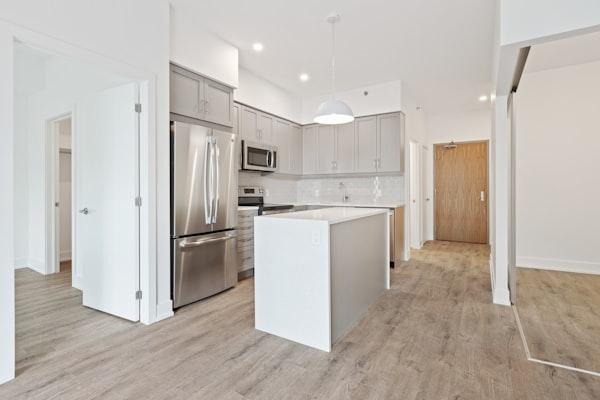
Your room’s layout should serve your life, not fight against it. Begin by identifying your top three activities, such as conversation, media viewing, children’s play, or working from home, and assign them to the best zones available.
Define Primary Activities
Sort your uses, placing the most valuable activities close to areas with low levels of light and glare. To create seating without obstructing pathways, place movable furniture, like occasional chairs, at the room’s edges. If you work remotely on a regular basis, set aside wall space for a possible desk niche.
Map Power and Acoustic Zones
Audit your existing power outlets and data points. Budget one to two additional outlets via a licensed electrician where lamps and media gear cluster. Use soft furnishings and bookcases to buffer sound from kitchens or corridors, and note wall studs for future anchoring of shelves or TV brackets.
Plan Circulation and Storage
Set a minimum primary path width of 1000 mm where the Livable Housing Design Standard (LHDS) applies, and aim for at least 800 mm on secondary paths. Decide what stays in-room versus elsewhere, then assign closed storage to reduce visual noise. Confirm a dedicated landing zone for mail and keys near the entry to prevent clutter creeping into your living area.
Interesting Facts
The ideal, comfortable living space uses roughly 60% of floor space for furniture, keeping 40% open to avoid clutter.
Right-Size Room Heights and Widths for Comfortable, Code-Compliant Spaces
Code-compliant dimensions prevent costly rework and support comfortable daily use. NCC 2022 requires minimum ceiling heights of 2.4 m for habitable rooms and 2.1 m for non-habitable spaces.
Ceiling Heights Per NCC
Confirm your living room meets the 2.4 m minimum ceiling height, and keep bulkheads or soffits that drop below 2.1 m short and away from main circulation routes. For split-level zones, verify at least 2.0 m headroom above stairs. Use lighter wall and ceiling finishes to visually lift perceived height if ceilings sit near the minimum.
Doors and Corridors
Target 820 mm clear door openings where LHDS routes pass, while maintaining 1000 mm corridor width. Choose offset hinges to maximise effective opening on existing narrow doors. Plan swing arcs so door leaves do not block primary circulation or key lamp and switch locations.
Furniture Clearances
Lay out your largest seating piece first, then confirm at least 600 mm access to seats and 800–1000 mm for main paths. Allow a clear turning space up to 2250 mm in diameter in one open area for flexible reconfiguration and mobility access. Keep at least 300 mm setback for wall-mounted shelves above seating to avoid head knocks.
Size Daylight Openings So They Transform Mood and Meet Code Requirements
Good natural light transforms mood and reduces energy bills while meeting NCC requirements. Part 10.5 requires windows with light-transmitting area of at least 10% of floor area, or skylights at 3%.
Calculate Your Window Areas
For a 16 square metre living room, you need at least 1.6 square metres of clear window glazing. A 24 square metre room requires at least 2.4 square metres. Record actual clear glazing areas, not just frame sizes, to prove compliance during approvals.
Glare Management
Use external shading and light sheers to cut glare on screens while maintaining comfortable daytime light levels. Orient seating to avoid facing low west sun that causes harsh afternoon glare. Annotate your plans and verify the glare control strategy for the TV wall before finalising layouts.
Design Ventilation You Can Demonstrate on Paper and Feel in Daily Use
Verifiable natural ventilation keeps your home healthy and compliant without relying solely on mechanical systems. NCC 2022 Part 10.6 allows natural ventilation via openable areas of at least 5% of room floor area.
Calculate Openable Area
A 16 square metre room needs at least 0.8 square metres of openable area, and a 24 square metre room needs at least 1.2 square metres. Note limiting hardware such as restrictors that may reduce effective openings. If windows alone cannot meet 5%, plan a compliant mechanical solution.
Cross-Ventilation and Night Purge
To accomplish cross-ventilation and encourage breezes to flow through the room, place openings on adjacent or opposing exterior walls. During hot spells, use insect screens and secure window hardware to allow for safe night purging. Utilize the stack effect, which pushes warm air upward, by combining tall and low openings without sacrificing security.
Make-Up Air Considerations
Coordinate air supply paths when kitchens or bathrooms exhaust to the exterior. Provide door undercuts of approximately 20 mm or transfer grilles between rooms to maintain pressure balance. Seal unintended leaks later, after confirming deliberate ventilation paths exist.
Use Orientation and Shading in Melbourne To Reduce Loads and Improve Comfort
Strategic orientation cuts heating and cooling costs while maximising comfort across the seasons. The Australian government resource YourHome recommends living areas within roughly 15 degrees west to 20 degrees east of true north for effective passive heating.
Passive Gain Principles
Prioritise adjacency to the north for living zones in renovations and new builds. Keep major glazing within the recommended orientation range for the best winter gains. Avoid placing your primary TV wall on the brightest glazed surface to limit reflections.
Eave Sizing Made Simple
According to the 45% rule, the eave depth is roughly 0.45 times the vertical distance between the sill and the eave underside. The target eave depth is roughly 0.9 m with a sill-to-eave height of 2.0 m. This allows beneficial winter sun to enter while blocking high-angle summer sun.
West and East Strategies
Add vertical fins and external blinds on west exposures, and consider deciduous canopy trees for seasonal control. For east orientations, use lighter shading to reduce morning glare while keeping winter sun access. Effective external shading can block up to 90% of direct solar gain.
Use TV Units To Organise Your Space and Improve Safety and Storage
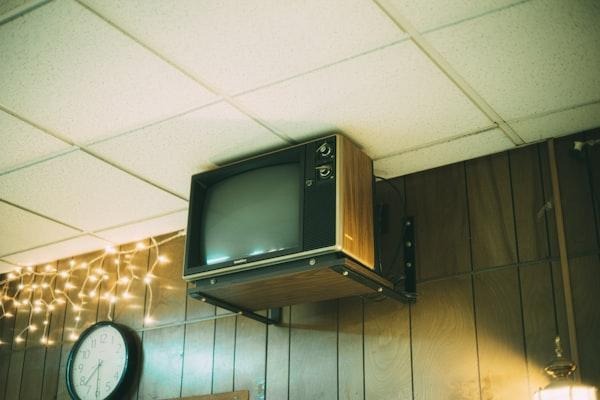
Purpose-built media furniture reduces clutter, improves ergonomics, and significantly lowers tip-over risk. Mount your TV so the screen centre sits near seated eye level, typically 950–1100 mm from the floor depending on seat height.
Mounting Height and Safety Hardware
Use the proper fasteners to secure wall brackets and anti-tip straps to studs, and make sure pull-out and shear loads are greater than the device weight by a safety margin. Allow at least 50 to 75 mm of rear clearance for cable bends and ventilation, and select low-set cabinets with built-in cord management and anchor points to keep routers, consoles, and remote controls neat and lower the chance of tipping over.
The Australian Competition and Consumer Commission (ACCC) reports at least 28 deaths from furniture and TV tip-overs in Australia since 2000, with a mandatory information standard commencing May 2025 to reinforce anchoring. Explore TV units to organise your space from Dshop for low-set cabinets with integrated cord management and anchor points that keep remotes, consoles, and routers tidy while reducing tip-over risk.
Cable and Power Management
Install recessed outlets behind the unit to keep plugs flush and hidden. Label and bundle cables, separating power from signal to reduce interference. Reserve a ventilated compartment for network gear and streaming devices.
Sizing Compartments
Confirm soundbar clearance below the screen without blocking infrared receivers. Ensure unit width accommodates the TV stand width with a 50–100 mm margin on each side. Keep top surface heights low enough not to encroach on the screen, typically under 500–600 mm.
Set Up Media Ergonomics To Protect Posture and Keep Circulation Flowing
An awkward circulation pattern and neck strain are avoided with proper viewing distances and clearances. According to SMPTE guidelines, a 30-degree field of view results in a viewing distance that is approximately 1.2–1.6 times the diagonal of the screen.
Viewing Distances by Screen Size
For a 65-inch TV, that translates to approximately 2.0–2.6 m. Independent consumer group CHOICE suggests 1.25–2.15 m for 4K content depending on visual acuity. Use distance bands rather than absolutes, and avoid extreme close positions that reveal compression artefacts.
Seating and Circulation
Main routes should have at least 800–1000 mm behind sofas, and armrests should have 600 mm of side clearance. Recliners should be spaced so that their fully extended footrests do not obstruct main pathways. Assign side tables that are 300–500 mm from the seats.
Apply Landscaping Essendon Strategies to Extend Comfortable Living Outdoors
Thoughtful landscape design extends your living space outdoors while managing Melbourne’s climate extremes. In the mild-temperate zone, layered planting cools air, filters wind, and adds privacy without sacrificing winter sun.

Planting Structure for Local Microclimate
For low maintenance and seasonal performance, mix native understory plants with deciduous canopy species. While allowing north windows to receive sunlight in the winter, place taller species to shade west and northwest exposures.Choose drought-tolerant groundcovers to reduce both heat build-up and maintenance burden.
Permeable Paving and Drainage
Use permeable systems such as granite fines or open-joint pavers to reduce heat island effect, where hard surfaces trap heat, and to manage stormwater. Set paving falls away from doors and use strip drains where thresholds are near flush. Select light-coloured finishes to lower surface temperatures in summer.
Privacy, Breezes, and Screening
Place screens to block direct views while funnelling welcome breezes into living spaces. Use open-slat or perforated designs to balance privacy with airflow, and coordinate screen heights with indoor seating eye lines for comfortable outlooks.
For a north-facing courtyard that funnels breezes and shades west sun, consult Love It Landscaping or another local designer to detail planting, paving, and screening that complement your living room layout.
Combine These Principles To Create Durable, Adaptable Living Spaces
Designing with Australia’s NCC and Melbourne’s climate in mind allows for more user-friendly, family-safe, and cost-effective rooms. Before buying or constructing, measure by confirming heights, widths, window areas, viewing distances, and path clearances if in doubt.Adapt these examples to your site’s orientation and microclimate, and revisit your plan seasonally to tune shading, ventilation, and furnishings.
For outdoor rooms in Melbourne’s mild-temperate climate, landscaping Essendon can refine planting, paving, and screening so your courtyard continues the comfort of your living room, because small, precise changes such as correct eave depth or a secured media unit compound into major daily benefits.
Apply Energy and Comfort Quick Wins for Noticeable Daily Improvements
Reducing heating and cooling demand delivers immediate savings with modest investment. These loads typically account for around 40% of household energy use in Australia.
Setpoints and Ceiling Fans
Program winter setpoints at 18–20 degrees Celsius and summer at 24–26 degrees. Use ceiling fans to extend the comfort range by 2–4 degrees at a fraction of air conditioning energy use. Every degree shift can change energy consumption by roughly 5–10%.
Draught Sealing
Seal obvious draught points at door bottoms, window sashes, and unused chimneys while maintaining deliberate ventilation paths. Add door closers on rarely used external doors. Choose Zoned Energy Rating Label (ZERL) rated split systems matched to room size, avoiding oversizing that causes short cycling.
Follow a One-Day, One-Week, One-Month Plan To Maintain Momentum
Sequenced action prevents overwhelm and delivers visible progress quickly. Each step includes measurable checks so you know you are moving forward.
Day One: Fast Wins
- Declutter surfaces and assign baskets; remove dead cables
- Place task lamps to reach 300–500 lux at seats
- Check blind cords for safety compliance and verify smoke alarm operation
Week One: Layout and Hardware
- Rearrange furniture for 1000 mm primary paths and 600 mm coffee table clearance
- Measure TV viewing distance and adjust seating within the recommended band
- Order anti-tip anchors and door seals
Month One: Exterior Upgrades
- Install external shade on hot exposures
- Duct the rangehood outside if not already done
- Plan north-side eave adjustments and tune cross-ventilation paths
FAQ
What is the most efficient style of house to build?
According to various experts, Earth-sheltered homes.
How will houses and homes be different in the future?
Future homes will include integrated systems that smoothly regulate lighting, heating, security, and appliances.
What will our homes be like in 2050?
Houses will be interactive and fully wireless.