“Maintenance is the price of admission for homeownership; pay it now, pay double later.”
Owning a home is a marathon, not a sprint. While we all love the idea of ‘setting and forgetting,’ your house is also a living being, a breathing entity that reacts to the seasons as well as the years.
If you wish to keep your bank account from bleeding out because of emergency fixes, you might need a strategy that moves beyond reactive repairs and goes into the realm of proactive mastery.
Why Most Expensive Home Repairs Start With Small Oversights
We all have been there where we ignored that tiny water stain on the ceiling or that slight ‘off’ hum of the AC unit. These are not just quirks; they are actually early warning signals. Most catastrophic home expenses do not happen just overnight; they are the result of micro-failures that were ignored. By the time a pipe bursts, the damage has often been brewing for months.
How Smart Planning Helps Homeowners Overcome Major Repairs
Planning is not your financial shield. When you map out your home’s health, you are not just fixing things; you are managing risks. Failure to plan for property boundaries, zoning, or structural integrity can lead to more than just physical damage, as it can lead to legal nightmares.
Understanding how real estate litigation causes friction between contractors or neighbors is essential, as legal fees can often lower the cost of the actual repair.
Fun Fact:
The concept of smart home originated back in the 1930s, which involved motor-driven appliances and light sensors.
Essential Home Improvement Checks Every Homeowner Should Prioritize
To keep your sanctuary standing strong, you should focus on the veins and bones of the house as well.
Roofing and Gutters

Consider your roof as your home’s umbrella; you should check for curled shingles and make sure that your gutters are not choked with debris. A clogged gutter is a major cause of why basements often flood.
Plumbing Systems
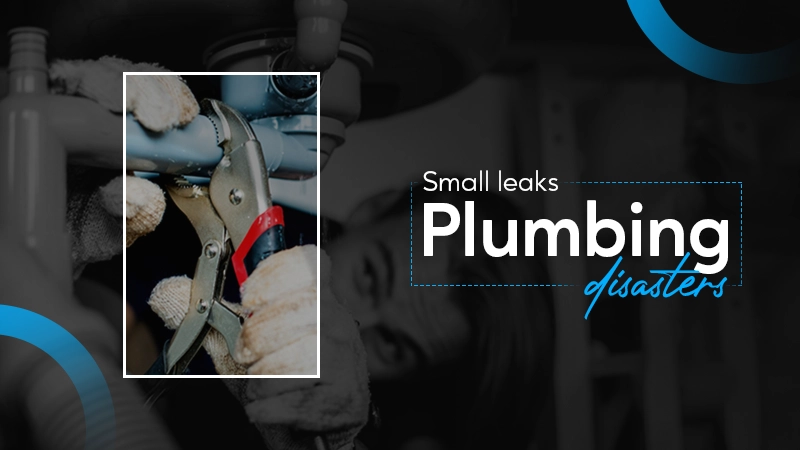
Do not wait for a flood; you should regularly check under sinks and around the water heater for sweating or slow drips.
Electrical Safety
Flickering lights are considered a red flag. Ensure that your panel is not just overloaded and that GFCIs are working in wet areas such as the kitchen and bath.
HVAC Performance
You should change your filters! It is the simplest task that saves you thousands in compressor replacements.
Interior and Exterior Areas That Commonly Lead to Costly Repairs
While the systems inside your house keep you comfortable, the shell of your home plays a major role in keeping you safe.
Foundations and Walls
You should look for horizontal cracks or doors that suddenly stick. These are whispers from your foundation that things are actually shifting.
Windows and Doors
Drafts actually blow money out of your pocket; re-caulking annually is a cheap way that can be used to save energy bills.
Did You Know?
Replacing a dirty HVAC filter can lower your system’s energy consumption by upto 15%.

Flooring
Creaks are fine, but spongy spots in a bathroom or kitchen reflect subfloor rot that needs your immediate attention.
Moisture-Prone Areas
Bathrooms and laundry rooms are high-risk zones. Make sure that your ventilation fans are actually moving air, which is there to prevent mold colonies.
Ultimate Maintenance Schedule That Fits Your Home
There are certain things that need to be checked monthly, some annually, while some at other times. Let’s closely check the maintenance schedule that your home needs.
| Annually | The roof and exterior paint should be inspected annually to check for any peeling off |
| Bi-Annually | Deeply clean your gutters and service the HVAC |
| Quarterly | Ensure to check for any leaks in the basement and attic quarterly |
| Monthly | Testing smoke detectors and cleaning range hood filters monthly is necessary |
YourHomify’s Checklist for Budgeting Home Improvements
YourHomify has a 1% rule, which means it aims to save 1% of your home’s value annually for repairs. Fixing safety and structural issues before dealing with aesthetic upgrades is prioritized. There should be a limit to DIY; you must know when to call a professional, as an amateur electrical fix can be deadly at times.
In the end, your home is undoubtedly your largest asset! By shifting your mindset from fixing what has been broken to maintaining what works, you can secure your financial future.
FAQ
What is cheaper, DIY or hiring a professional?
DIY definitely saves labor costs; however, hiring a pro in plumbing and electrical prevents expensive correction costs in later stages.
How often should a fountain be inspected?
If you inspect it in a quick walk-around every six months, preferably after a heavy rain, it is more than enough.
Which home repair is the most expensive to ignore?
Water damage! If water damage is left unchecked, simple leaks can turn into structural rot, which can further lead to repairing costs in thousands.