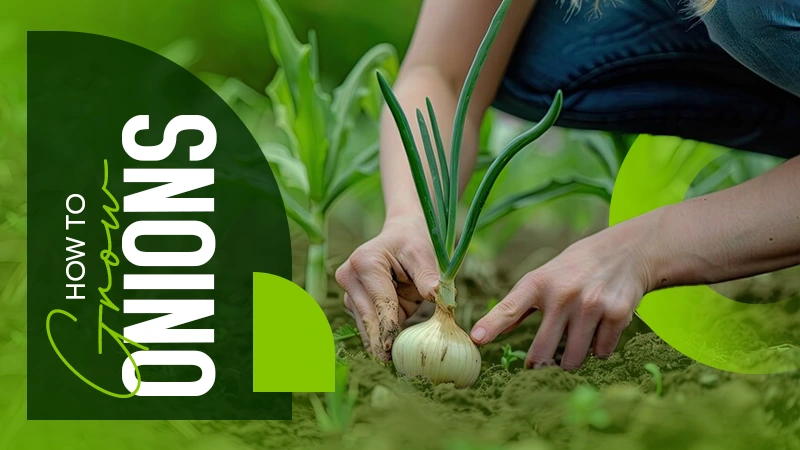
Every spring, growing green onions is something that I truly cherish. It has been a family ritual, since childhood, to grow them in the spring season, and then enjoy the delectable soups and dishes made with green onions.
Are you also wondering how to grow green onions? Worry less, here is a comprehensive step-by-step guide for you , including everything from practical tips to harvesting and preserving techniques that you can use to grow and harvest green onions at home.
Green Onions: Brief Overview and Taxonomic Specifications
Green onions, also known as Scallions or Welsh Onions, are a type of immature onion, generally harvested for their greens. They are long, slender, and have a small white base with a bulb that is not fully developed.
Generally used to garnish, eaten raw in salads, and cooked in various dishes, they add extra flavour and aroma to the food.
Here are some taxonomic specifications of this deer-resistant plant for enhanced understanding of the plant and better harvesting:
| Scientific Name | Allium Fistulosum |
| Kingdom | Plantae |
| Division | Angiosperms |
| Class | Liliopsida |
| Order | Asparagales |
| Family | Amaryllidaceae (formerly Liliaceae or Alliaceae) |
| Genus | Allium |
Some cultivars of this genus are also grown as mosquito repellent plants. The unique aroma of these blooms deters weeds and other harmful insects as well.
How to Grow Green Onions at Home?
If you are wondering how do green onions grow, let me tell you, the process is very easy and requires a few simple steps. Follow along and learn to grow green onions at home easily:
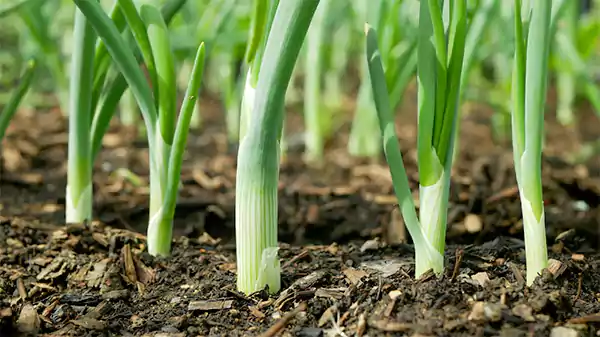
In Soil (Ideal for Larger Harvests)
- Essential Requirements
- The soil should be well-drained and humus-rich. Ensure that the soil is loose and crumbly.
- It should be loamy; heavy clay loam must be avoided.
- The requirement for space is minimal, and they can be planted close to each other.
- Soil Conditions
- A pH of 6-7 should be maintained for the soil. Add lime if the soil is too acidic and sulphur if too alkaline.
- Do not keep the plant in a shady area, as it requires direct sunlight for 6-8 hours.
- Soil should be rich in nitrogen for leafy growth.
- Sowing the Seeds
- Sow small seeds ¼ inch deep into the well-draining soil.
- Water gently before sowing to avoid seeds washing away.
- Keep them consistently moist and warm.
- Keep them ¼ to ½ inches apart and 4 inches between rows.
- Water Requirements:
- Water every few days when the top of the soil feels dry to the touch.
- Add a light layer of mulch to retain moisture.
- Stop watering when the green part bends and falls over, signalling maturity.
In Water (Growing Green Onions Indoors)
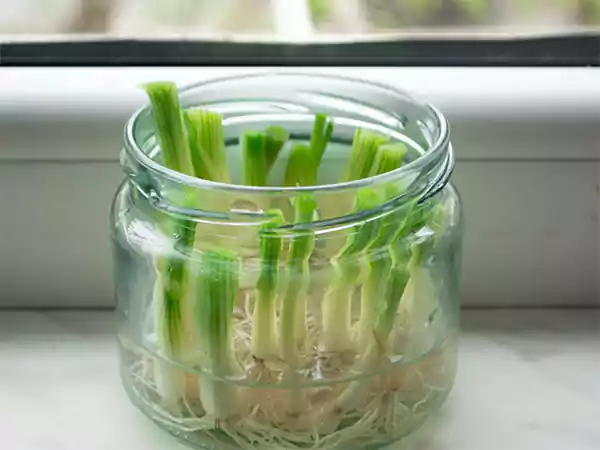
Green onion is a low-light indoor plant, and if you are wondering about how to grow green onions in water, it’s simple and easy. Follow the steps mentioned below, and you will have a perfect little green jar of green onions at home:
Step 1: Store-bought onions and leave about 1–2 inches of the white bulb with the roots intact.
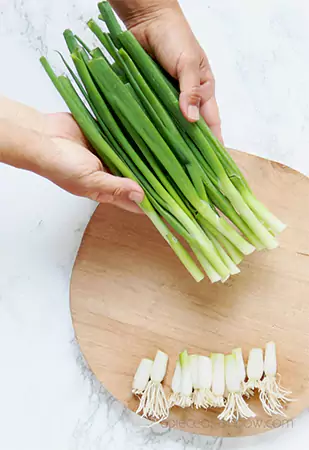
Step 2: Rinse the cut onions under the water thoroughly to avoid any dirt.
Step 3: Place the bulb with the roots in a jar filled with water, up to an inch or so.
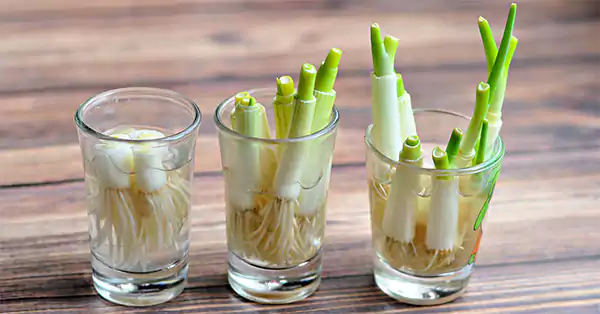
Step 4: Place the jar near a bright window so that the plant can receive sunlight for at least 6–8 hours.
Step 5: Change the water every 2–3 days or when the water discolours.
Additional Takeaway: Relocate the plant to the soil after some time for longer production, as the plant weakens in the water.
When is the Best Time to Grow Green Onions?
If you are planning to plant green onions, then follow this season guide for the best results:
- Spring: The best time to plant green onions is during spring because they require comparatively cooler weather to grow. Plant the seeds in late winter or early spring for better results.
- Extreme Winters/ Summers: Do not plant green onions seeds in extreme winters, as there is a potential risk of damage from frost. The leaves can become dark and mushy. Extreme heat can take up all the moisture, and the plant will dry very quickly.
Ideal Growing Conditions for Green Onion
Growing green onions is easy, but certain ideal growing conditions should be kept in mind while growing them:
| Sunlight | Full-sun (6-8 hours), partial shade in extreme hot climates |
| Soil | Fertile and well-draining, acidic to neutral (pH 6.0-7.5) |
| Water | 1–2 inches of water per week |
| Hardiness zone | USDA Zones 5-9 |
| Fertilization | Liquid fertilizer 2–3 times while growing |
| Plant Type | Perennial |
| Blooming Period | November-January/February |
| Temperature | Cooler temperature (13–24 degrees Celsius) |
| Humidity | Moderate Humidity |
How to Grow Green Onions From Onions?
If you are wondering how to grow green onions from onions, you can use the leftover portion of store-bought green onions. Here are a few simple steps that you can follow to have an unlimited supply at your home:
- Cut off the end portions (bulbs) of the green onions and let the roots attached.
- Take a small jar and stand the end of the bulb at the bottom of the jar. Add enough water to cover the roots and leave the top part above the water.
- Keep this jar at the windowsill that receives adequate sunlight for 6–8 hours. After a few days, green shoots will emerge from the top of the bulbs.
- Keep them submerged and water regularly. About 1 inch of water per week is sufficient.
- When the shoots are 4–5 inches long, transfer them to a pot filled with soil or into the ground itself. This step is necessary because if you keep them in water for a long period of time, they will get weak and will stop producing.
- Now, when they are ready to be harvested, you can do so depending upon your needs.
Great Companion Plants of Green Onions
To plant green onions in your garden, then having some companion plants can be a smart move. These companion plants can be mutually beneficial and help your plant thrive effectively.
These companion plants have given me the best results over the years. Here are a few of them:
| Crop Name | Image | Benefits |
| Tomatoes | 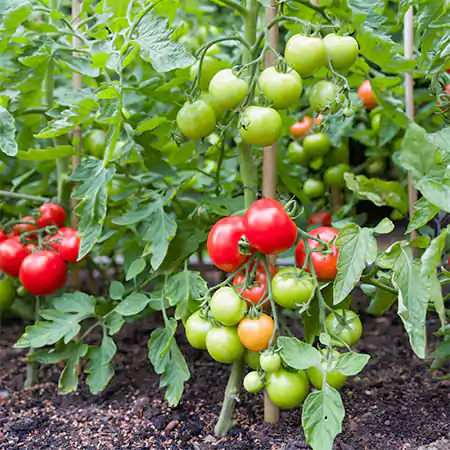 |
|
| Cabbage | 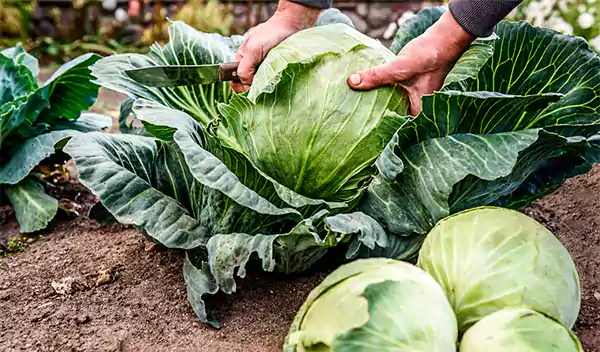 |
|
| Parsley and Mint | 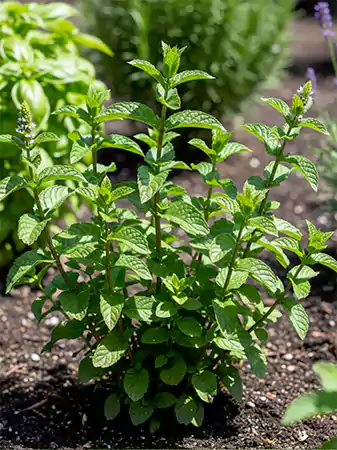 |
|
| Chamomile | 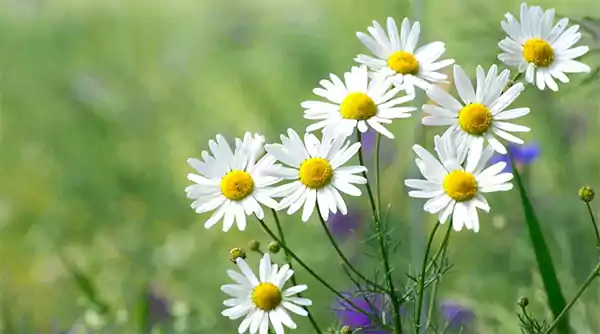 |
|
How Can I Harvest Home-Grown Green Onions?
To my surprise, you can harvest homegrown green onions anytime. I usually harvest them when they become mature and offer a milder and sweeter taste than onions. But you can harvest them depending on your taste preferences.
Here are the steps that I take to harvest them:
- For that milder and sweeter taste, I start harvesting the plant when it is 8–10 inches tall. Sometimes, I prefer to harvest the entire plant so:
- I start by loosening the soil around the plant with my fingers, and then slowly pull out the entire plant.
- Don’t try tweaking the plant harshly, as it can damage and bruise the plant.
- However, there are times when I want to have just a small batch of green onions for my kitchen and let the rest of the plant grow. I snap it by leaf. This method requires:
- Identify the largest outer leaf of the green onion that you want to harvest.
- Snip it gently, letting the white bulb and roots intact in their place. This will ensure that the rest of the plant grows.
How Can I Preserve Green Onions?
There are two methods by which you can preserve your green onions and use them for a longer period of time. These methods are preserving them by freezing or drying them with the food dehydrator.
Personally, I prefer freezing them because it’s easy and convenient.
- Freezing: This method is simple and convenient, and you can store the harvested green onions for months to come.
- Just start by pulling green onions from the soil.
- Wash them thoroughly under running water.
- Lastly, store them in an air-tight plastic bag or a container.
- You are now ready to use your homegrown green onions when the recipe calls for them.
- Drying: Drying them is another useful method if you have harvested a larger part of the green onions, as this method allows you to store the harvest for at least a year to come. It involves:
- Tweak them out of the soil and cut them after washing thoroughly.
- Use the food dehydrator or an oven to dry them.
- Avoid burning the fresh harvest by keeping the lowest heat setting on your oven.
- Continue drying until there’s no moisture left and pack them in an air-tight container.
The green onions are ready to use. I love garnishing them over a warm bowl of soup. It’s an ultimate comfort meal!
Green Onions Vs Spring Onions: A Brief Comparison
While learning to grow green onions, I was extremely confused about the difference between scallions vs spring onions. However, with the help of my mother and the internet, I discovered that there are certain visible and palatable differences between them.
I’ve listed some major differences so that you do not get confused. Do check them out.
| Point of Difference | Green Onions/ Scallions | Spring Onions |
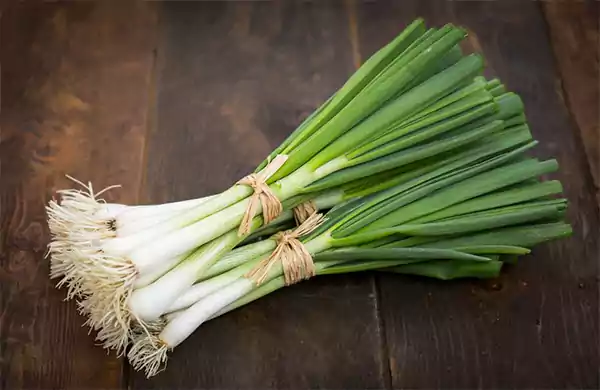 |  | |
| Appearance | They have a long, white stem. They are generally straight and slender, with very little or no bulbous bulge. | Spring onions have a similar appearance to green onions, but they have a small white bulb at the end. They are mature versions of green onions. |
| Flavour and Taste | They have a typical onion-y taste, which is milder and sweeter than regular onions. The white part contains a more intense flavour. | Sweeter and softer than regular onions, but their green part is a little more intense. |
| Usage | Scallions can be used to garnish and are mostly used in Asian cooking. The entire plant is edible. | Both green and white parts are edible and used in cooking. The green part can be used as green onions to garnish, and the white bulb can be cooked and roasted. |
| Harvest | They are harvested very young before the end bulb bulges out. | Spring onions are harvested at maturity, when the white bulb bulges out, typically after 10-12 weeks from planting. |
A Major Point of Confusion:
A lot of people tend to ask: are scallions and spring onions the same? Well the answer is no, because there is a difference in the intensity of flavours of both the onions.
When I want to garnish my dish, I use green onions for their sweeter flavours. But when I’m cooking something, I generally use spring onions for their strong flavour.
Common Mistakes to Avoid While Growing and Harvesting Green Onions
Although growing green onions is easy, there can be some common mistakes while growing them. I’ve listed down some mistakes to avoid, which must be kept in consideration while growing them.
Check them out:
- Green onions are cool-season plants, and they require comparatively lighter frost to grow. Ensure that if you are growing them from seeds, start them indoors. They will be ready for planting outdoors when the soil temperature drops to 50 degrees Fahrenheit.
- Water consistently to avoid dry spells. About 1 inch of water per week is sufficient. If the leaves are turning yellow, it can be a sign of overwatering.
- They require 6–8 hours of sunlight. Ensure that the sun exposure is right, and the larger plants are not covering the little green onions.
- Their stems break easily. Don’t pull it out harshly. Use a hand trowel or digging fork to loosen the soil around, and then lift the plant gently to avoid damaging and bruising.
- Excess moisture in the plant can lead to rotting. That’s why you don’t wash the green onions unless you are ready to use them.
- Fertilization is important and should be done at regular intervals. This should be your fertilization schedule:
- Slowly release organic fertilizer into the soil at planting time.
- Add nitrogen-heavy fertilizer after 3 weeks of planting.
- Continue with nitrogen feeding every 2-3 weeks to promote leafy growth.
- Stop adding fertilizer 2–3 weeks before you are planning to harvest.
If you notice the plant getting droopy or the leaves wilting, eucalyptus or lemongrass are among the best essential oils to use to prevent the bloom’s health from deteriorating.
Pros and Cons of Planting Green Onions in Water and Soil
Growing green onions in water and soil both come with certain pros and cons. You can select a more convenient method that suits your preferences.
Here are some pros and cons of both methods:
| Planting in Water | Planting in Soil |
 |  |
Pros:
| Pros:
|
Cons:
| Cons:
|
A Recipe that I Tried with Green Onions
While I was harvesting my home-grown green onions, I wanted to make something new out of them. So, I started scrolling through YouTube and found an amazing recipe called Pajeon.
It seemed delectable and a plus point; it was easy to make. One fine day, I decided to make Pajeon (Korean Green Onion Pancake). It was ready in 10 minutes, and I loved it. Served hot with a cup of tea, Pajeon has become my ultimate comfort meal.
I’m sharing my recipe so that you can try it too. Trust me, your taste buds will love you for trying Pajeon.
- Pajeon (Korean Green Onion Pancake):

Ingredients Required:
- Green Onions
- Onion, Capsicum, Carrots (optional)
- Flour
- Water
- Soybean Paste
- Sugar
- Vegetable Oil
Recipe:
- Take about a handful of onions. Wash them thoroughly under running water and dry them.
- Cut the onions into long, thin slices around 5 inches. You can add onions, capsicum, and carrots if you want some extra flavour.
- Prepare a batter using ½ cup flour, ½ cup water, 1 tsp soybean paste, and ½ tsp sugar in a bowl. Stir it well to make it smooth.
- Add the freshly chopped green onions and other vegetables of your choice into the batter.
- Take a non-stick pan and grease it well with the vegetable oil. Pour the batter into the pan.
- Cook it evenly from both sides by patting and pressing it slightly with a spatula. Give it a good shape, and voila! You have your Korean green onion pancake ready.
Intriguing Facts About Green Onions
It makes me so flabbergasted to know that green onions are associated with so many nutritional values, diverse cultural significance and medicinal properties. Some facts are going to shock you. Here are the intriguing facts:
- Green onions belong to the family of lilies, and in Chinese culture, these are used for their medicinal properties, and they are believed to treat the common cold and kidney stones.
- Rich in vitamins K, A, C, potassium and fibre, green onions help in supporting immune function, vision, blood clotting and bone health. They contain allicin, which fights bacteria, fungi and inflammation. They can lower cholesterol levels in the body.
- Green onions held great importance in ancient Egyptian culture. They were called “Hedjoo” and were offered as a revered gift to the deceased to ward off the evil spirits. They were also believed to resuscitate the unconscious person (“bring the dead back to life”). Furthermore, they symbolized life, vitality, and protection.
- Their culinary significance is known globally. It can be used in Indian chutneys, Korean Kimchi (fermented pickle), and Asian pancakes. They can be used for everything from garnishing to adding aroma and texture, filling, condiments and many more.
- There is a blockbuster song called “Green Onions” by Booker T. & the MG’s (1962). The song entered the Billboard Hot 100 and peaked at No.3.
- There’s a Chinese tradition called zhuazhou, which uses green onions to predict the intelligence of a baby, generally held on the baby’s first birthday. A green onion is placed among different objects, and if the baby picks the green onion, it is believed that he or she will grow up smart.

Common Queries about Growing Green Onions
Growing green onions is pretty easy, but there can be certain doubts that arise while growing them, like the amount of time required, fertilization, watering techniques and many others.
Here are some common queries that can arise while planting for the first time:
1. How to grow green onions successfully?
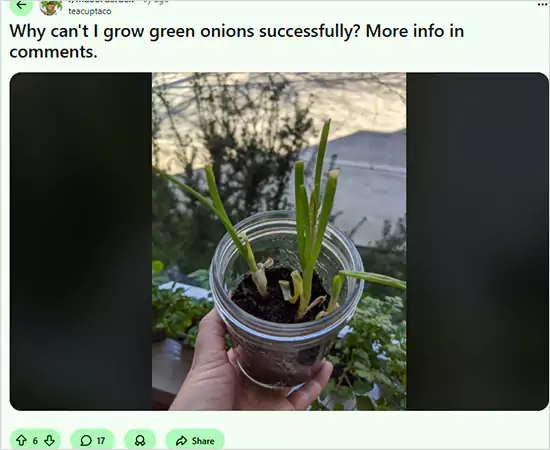
Follow this method to have a successful growth:
- Cut off the end portions (bulbs) of the green onions and let the roots attached.
- Take a small jar and put the bulb ends into the jar. Add enough water to cover the roots and leave the top part above the water.
- After a few weeks, green shoots will emerge from the top of the bulbs.
- When the shoots are 4-5 inches long, then transfer them to a pot filled with soil or into the ground itself.
Additional Takeaway:
Ensure that the soil is well-drained and loamy, and the plant is receiving adequate water and sunlight.
2. How to multiply green onions?
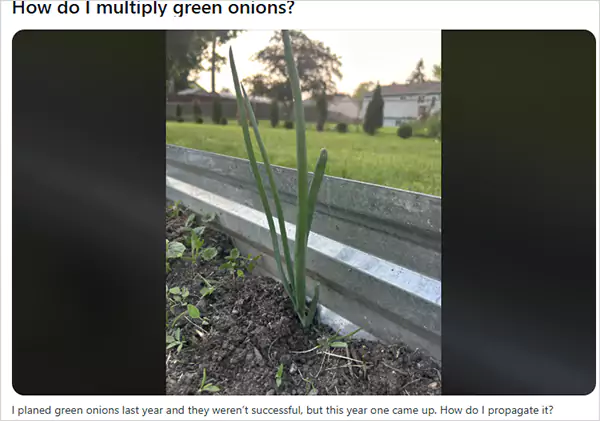
You can get a continuous supply of green onions by following this method:
- Get some store-bought green onions and use the whole, small white bulbs.
- Plant them in a composty soil about 1 inch deeper. Keep it at a windowsill that receives adequate sunlight.
- When it’s time to harvest, cut what you need from the green part by splitting the bulb and replant it. They will keep growing, and you can have a continuous supply of green onions.
Care tip:
Keep the soil moist and pull out the needed part gently using a hand trowel or digging fork. Don’t pull it harshly; otherwise, it can get bruised and damaged.
Final Thoughts
Growing green onions is associated with my childhood memories, and I enjoy this process thoroughly. I always wondered- How to grow green onions but planting them is very easy, and you can get some of the best dishes made out of them.
These are low-maintenance and perfect if you are planning to start planting. Apart from their culinary versatility, they are rich in nutrients, fibres, and potassium. Their medicinal properties help prevent diseases like the common cold, kidney stones, and inflammation in the body.
Start your gardening journey by planting green onions because what’s better than a homegrown vegetable?
FAQs
Do green onions grow back if you cut them?
Yes, green onions can grow back as long as you are cutting the required part and leaving the roots (about 1-2 inches) intact in the soil.
How long does it take to grow Green Onions?
If you are regrowing from the store-bought onions, then it can yield new greens in 2 weeks and will be ready to harvest in a month or so. But if you are planning to grow them from seeds, then you can expect full-size growth in 60-80 days after harvest.
How many times can green onions regrow?
Green onions are perennial and can regrow multiple times, usually 3-5 times from the same base. They can also grow indefinitely if the soil is given proper care, adequate nutrients, and light.
Can I grow green onions from store-bought onions?
Yes, growing green onions from store-bought onions is absolutely possible; you just have to follow simple steps:
- Cut the green part and keep the white root base (1-2 inches).
- Stand the base in the jar and cover the roots with water.
- Place it on a windowsill that receives adequate sunlight.
- Change water every 2-3 days to prevent rotting.
- You can see green shoots emerging, and they will be ready to be harvested.
How to properly store Green Onions?
You can preserve them by two methods- freezing and drying. Pull the green onions out of the soil, wash them thoroughly, and keep them in an airtight container in the fridge.
You can also dry them in the oven at the lowest heat setting and lock them in an air-tight container.
- Growing Onions | N.C. Cooperative Extension NC State Extension
- Growing scallions in home gardens | UMN Extension Minnesota Extension
- How to Plant and Grow Green Onions for Fresh Flavor Yahoo