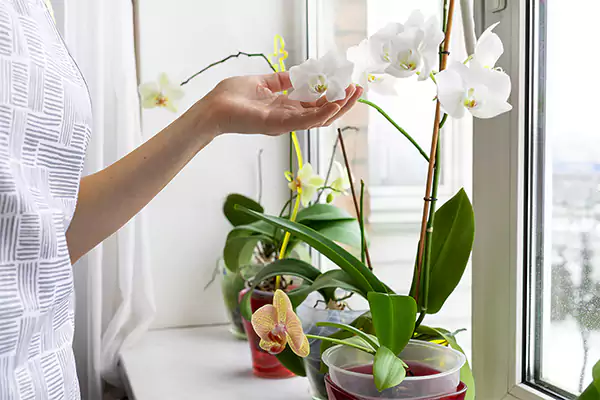
Orchids have been my forever favorite summer flowers since I was really young. These blooms scream delight and joy for me, and planting them is no less than a learning experience.
When I first planted these herbaceous perennials, it was less of a complicated task and more of a quiet and careful observation. Orchids are widely used as cut blooms in flower arrangements, best paired with bromeliads and peace lilies.
If you are also in awe of this beauty and wondering how to take care of an orchid, let me take you through this detailed guide about the orchid blooms, along with facts that I am sure you did not know.
What is the Orchid plant? A Timeless Perennial Beauty
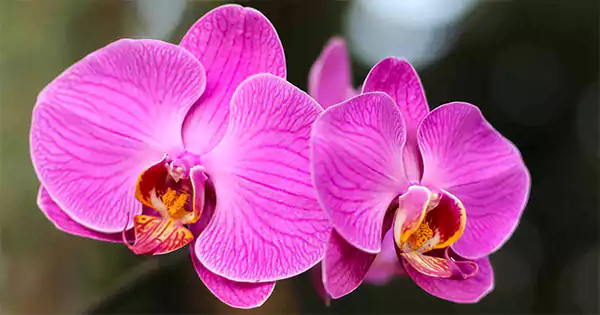
Orchid, or the Orchidaceae, is a diverse plant family that has over 25,000 plant species under it, which are identified by their unique characteristic of being epiphytes, like the Thai constellation monstera. With three petals and three sepals, the most distinct feature is how they are available in various colors and shapes, making them ideal for both cut flowers and houseplants.
Popularly, orchids are used for their ornamental purposes, like cut flowers on special occasions like birthdays, weddings, or birthday presents. These popular houseplants are also considered air-purifying plants that remove harmful toxins from the air. The unique fragrance of these blooms also makes them a popular choice for planting.
Before exploring how to care for orchids, take a look at the taxonomy for a better understanding.
 | |
|---|---|
| Botanical name | Orchidaceae |
| Kingdom | Plantae |
| Division | Magnoliophyta |
| Class | Liliopsida |
| Order | Orchideae |
| Family | Orchidaceae |
10 Orchid Care Mistakes that You Should Avoid
Although indoor plants are relatively easy to take care of, orchids have more specific needs, as they are tropical plants, and hence bringing them home is a responsibility.
If you are wondering how to take care of an orchid plant, take a look at these common care mistakes that you must avoid for the best blooms:
Overwatering
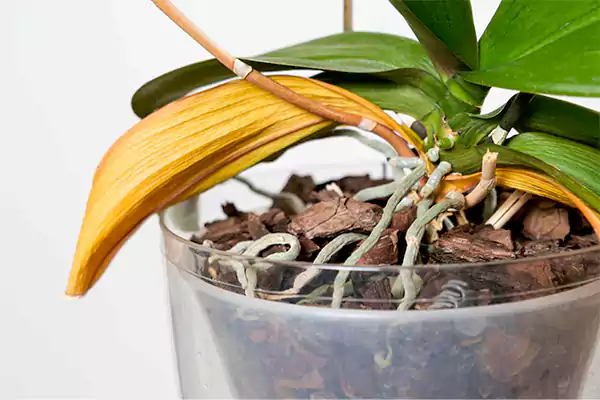
- Orchids need to be watered 2 times a week during the summer and once in winter. The best way to check is if the top inch of the soil is dry; it is time to water.
- Overwatering often leads to root rot, which eventually causes drooping and dead leaves.
Using Ice for Hydration
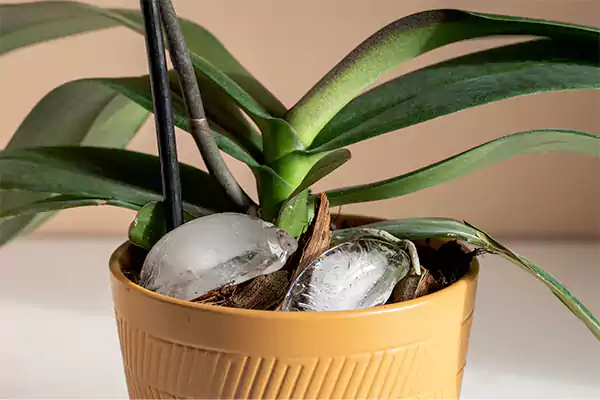
- Watering orchids using ice is one of the most controversial debates in plant care. While many suggest ice is a better way to water orchids, as it provides better hydration and can prevent the risk of overwatering, many say it shocks the plant roots.
- As per personal experience, I believe it varies for each type, some orchids are sensitive, and ice can shock the roots of the plants. Hence, avoid it to prevent damage, especially if you are a beginner.
Watering the Crown
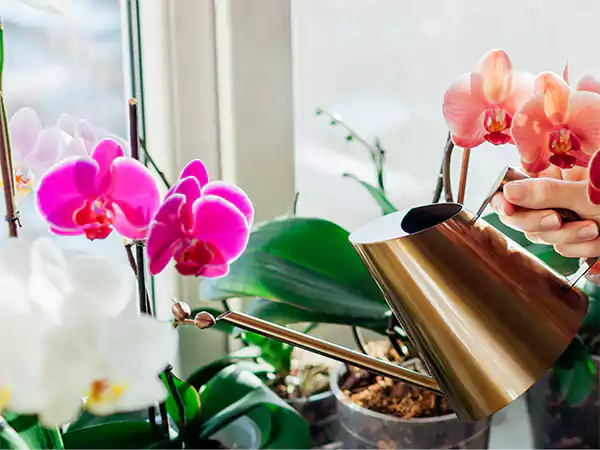
- Avoid watering the crown of the plant directly, as it leads to root rot. The crown is the part of the plant where the leaves meet, and moisture there can cause the plant to die quickly.
- The place of watering is as essential as the quantity and time.
Using Regular Potting Mix
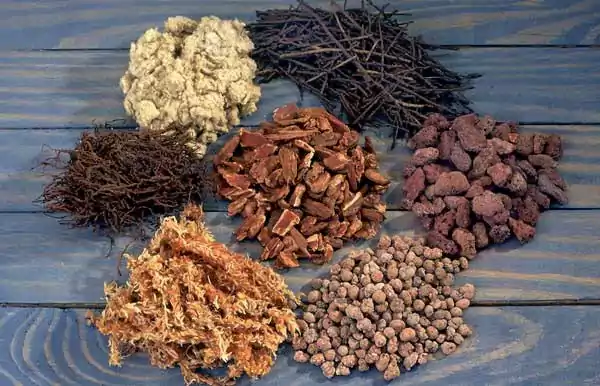
Orchids thrive in a light and well-draining potting mix, the same as the Philodendron plant, mainly because they grow on trees and require a good amount of air circulation and drainage to grow healthy and long-lasting blooms.
Follow the following steps to make the best orchid plant potting mix:
| Ingredients | Process |
|
|
Direct Sun Exposure
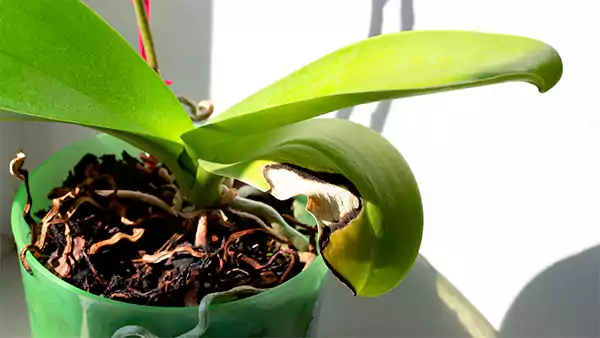
- Like the Boston ferns, orchids are also fans of bright, indirect sunlight because in their natural habitats, they are used to receiving filtered sunlight through the branches of the trees.
- Make sure you do not place the plant in bright sunlight, as it can burn the plant.
Cold Temperature and Low Humidity
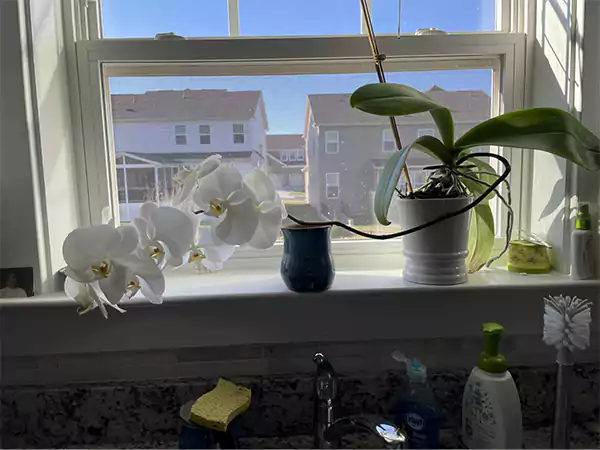
- Orchids, much like the October birth flower, the marigold, are warm-season plants and require temperatures between 10 and 30°C. Extreme cold exposure or planting will most likely shock the plant.
- I personally place orchids in or near a kitchen or a bathroom and place a water-filled pebble tray for consistent humidity. Continuous airflow also makes the orchids happy.
Fertilizing Needs
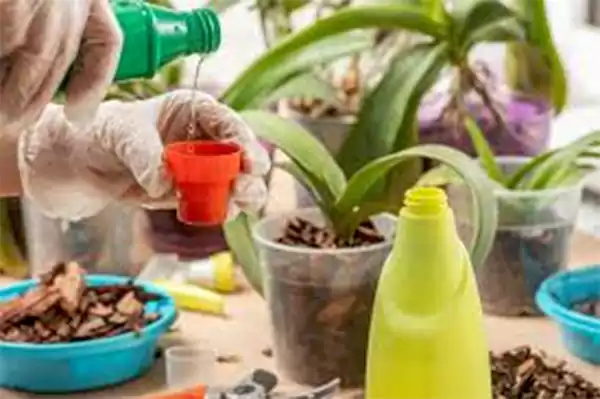
- Orchids are not heavy feeders, but they like their sweet share of plant food during the growing stage.
- I basically use a balanced (20-20-20) urea-free fertilizer at half strength twice during the initial stage of growth.
Pruning Mistakes
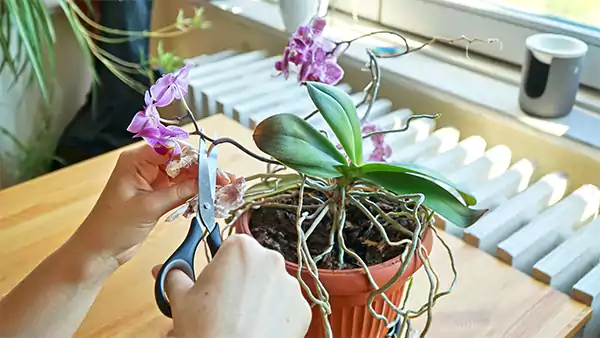
- The best time to prune the orchids is after the flower has bloomed; do not cut back while it’s flowering, as this can shock the plant.
- Cut the stem ½ inch above a leaf node, but do not remove the aerial roots. Removing the aerial roots is not advisable, as they absorb the nutrients from the soil for the growth of the plant.
Incorrect Container
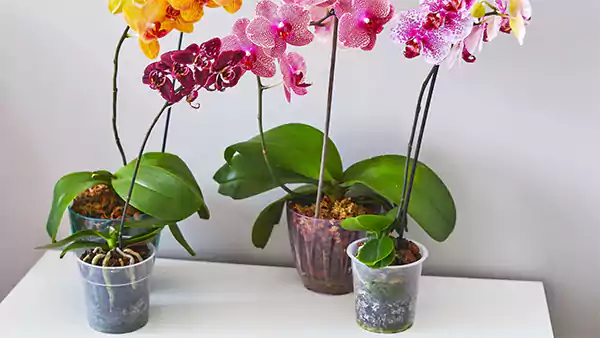
- Orchids do not like standing water, and hence, a plastic pot with drainage holes is the best for them.
- I personally use a 2-inch terracotta pot because that is what works for me the best. You can choose as per preference or availability, but drainage holes are a must; otherwise, there will be issues of root rot.
Discarding the plants earlier
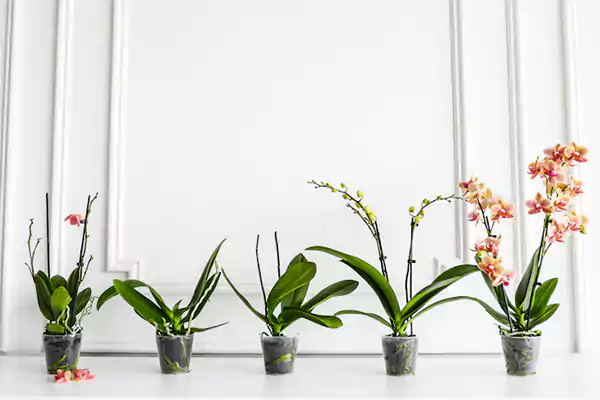
- Your orchid is not dead when it stops blooming. Yes, contrary to what many gardeners mistake for dying, it is just orchids entering their dormant/rest period.
- The sign of this rest period is yellowing, wrinkled leaves, and the most obvious sign is the absence of flowers.
- During this time, reduce watering and fertilization and place in bright, indirect sunlight. I repot the plant during the dormant season, as this is the best way to not shock the plant.
How to Repot the Orchid Plant?
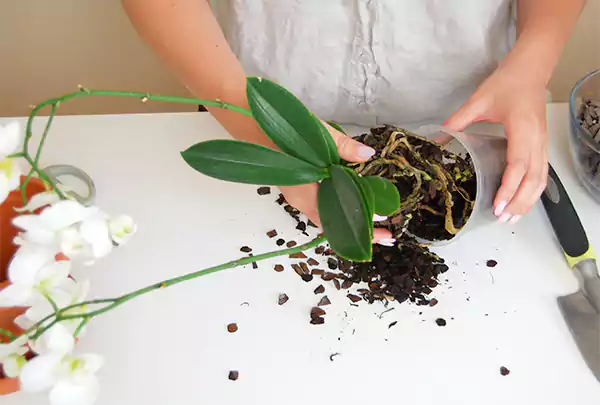
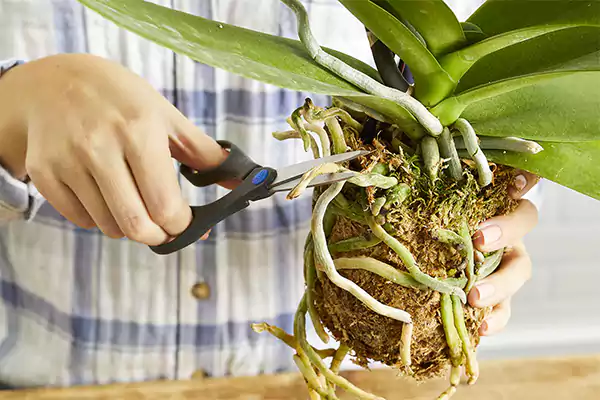
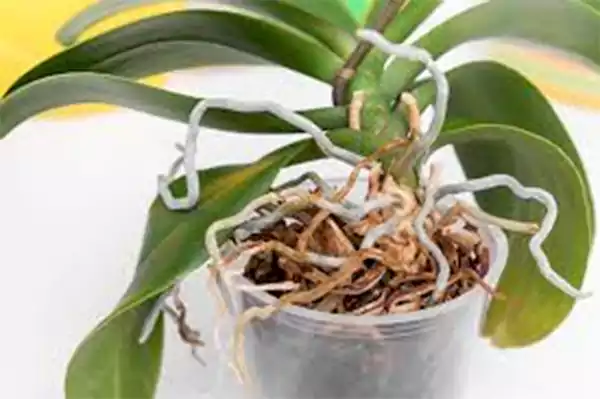
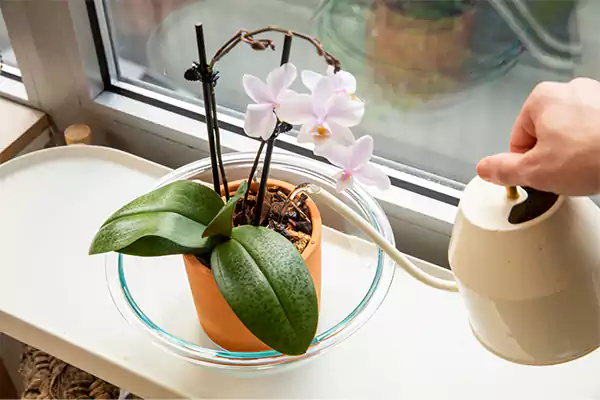
The answer to “how to take care of an indoor orchid?” is to repot it as soon as it stops blooming, and on the contrary, the worst care step for these perennial blooms is to move them when they are in full bloom, as it can harm the plant adversely.
Here is how I repot the orchid plants in 6 easy steps:
| Image | Steps |
 |
|
 |
|
 |
|
 |
|
How to Propagate the Orchid Plant Using Root Division?
Orchids are best propagated through root cuttings because seed propagation is comparatively more time-consuming and difficult.
Here is how I propagate the orchids using root cuttings for a continuous show of blooms:
- Hydrate the plant well before propagating so that it does not stress the plant in the process.
- Gently remove the plant from the pot, examine the roots, and remove all the damaged parts; otherwise, it can affect the new growth.
- Using a gardening tool, separate the roots equally, ensuring the divisions have a good set of root systems.
- Now, in a well-draining pot filled with orchid soil mix, place this division gently and cover with the soil.
- Water the plant thoroughly and avoid overwatering, as it can lead to root rot.
Pest Infestation and Solution for Orchids

I came across this Reddit query regarding “Pest Control for Orchids,” and this has been a concern-worthy topic for many new orchid owners. To solve that, here is my personal pest care guide for these tropical epiphytes:
- Although orchids are pest-hardy plants, some regular infestations and root rot can happen due to poor maintenance. Take a look at the following table to have a better analysis.
Name Image Description Scale 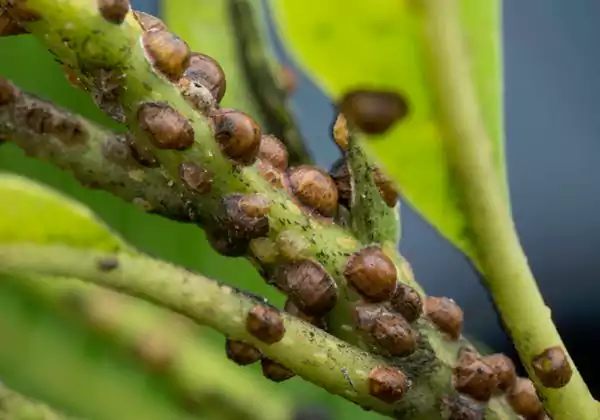
- Scales stick to the stem of the plant and suck out the sap from the plant.
- You can physically remove it using a cotton pad and isopropyl alcohol spray.
Aphids (most popular for orchids) 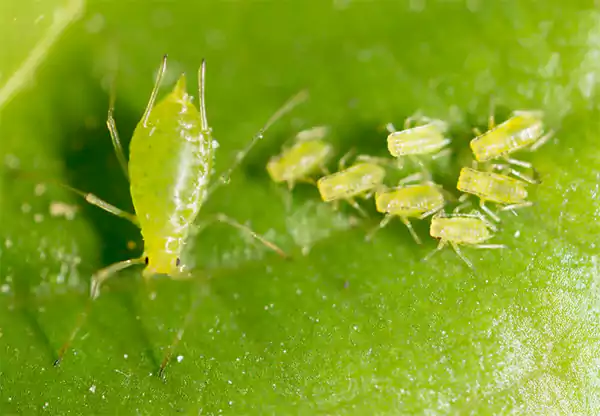
- Aphids are small green insects that feed on new growth and cause the plant to wilt, resulting in deformed growth.
- Take the plant to an isolated area and physically remove the insects, as for the scales.
Mealybugs 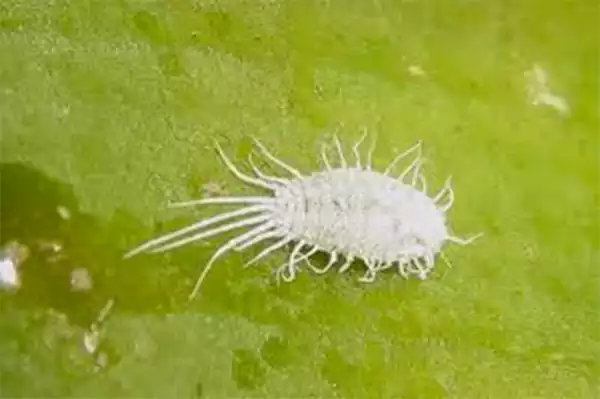
- Those white cotton-like insects are mealybugs, and they too suck the nutrients out of the plant.
- Physically remove it with isopropyl alcohol after isolating it from other plants.
Common User Concerns About the Orchid Plant
I was scrolling through Reddit when I came across so many orchid owners who had endless queries regarding “How to take care of an orchid at home?”
Hence, I have curated some of the most asked ones, which I think will help the newbie home gardeners in this journey:
1. I don’t understand orchid care, no matter how much I read

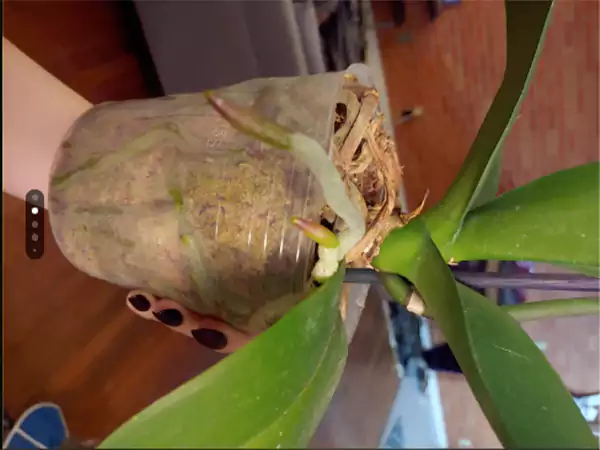
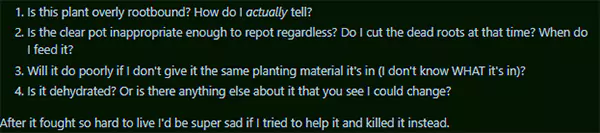
- Yes, orchids are root-bound and require a smaller container for better water absorption and growth.
- When repotting the orchids, go for a 2-inch-larger clear pot and cut the damaged roots before planting them in a new one.
- If you do not know what potting mix this is, it is better to create a new, more porous, and well-draining mix for the best results.
- The plant does not seem to be dehydrated, but still water it consistently twice a week in summer. Other than this, follow the basic care guide of water, light, and plant feeding, and the plant will grow perfectly.
2. Help settle an orchid care debate

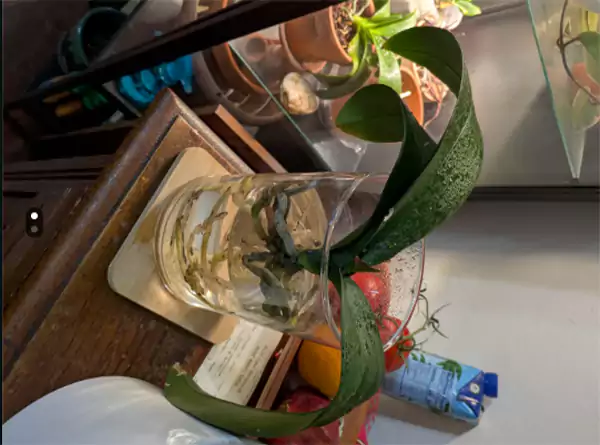
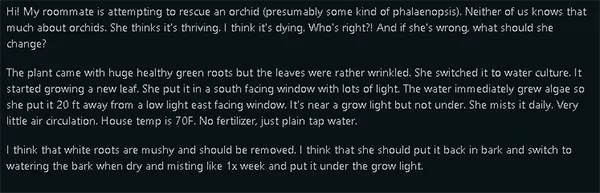
- Although orchids can be easily grown in just water, it is important to provide bright indirect sunlight, not direct, with a good amount of air circulation.
- Since the plant is growing in just water, fertilizer is important to provide the plant with all the adequate nutrients in the absence of soil. So, feed it with a balanced orchid-specific plant food.
- Lastly, yes, the white mushy roots of the plant are most likely rotting and should be removed immediately to avoid any further damage.
Wrapping Up
Learning how to take care of an orchid inside was less of a hassle and more of a journey that taught me “less is more.” Orchids are not demanding, but they have a native growth habitat that must be replicated in order for the best results.
My best advice would be to be precise with the amount of water, sunlight, and fertilizer you feed the orchids, and never go overboard. Trust the process.
FAQs
How to take care of an orchid after it blooms?
The best thing to do after the orchid blooms is to prune the flower and remove all the dead and diseased parts to encourage new growth.
Are orchids safe for cats?
Yes, orchids are considered cat-safe flowers and do not pose any threat to pets.
How often should I water the orchid plant?
Orchids should be watered at least 2 times a week in summer and once a week in winter.
Are orchids heavy feeders?
No, orchids are not heavy feeders, but they need to be fed with a balanced fertilizer every second week during the growing season.
Do orchids die after flowering?
No, the blooms die and fall after flowering, but that is an indication that the orchids are entering the rest period and need to be taken care of to promote new blooms.