


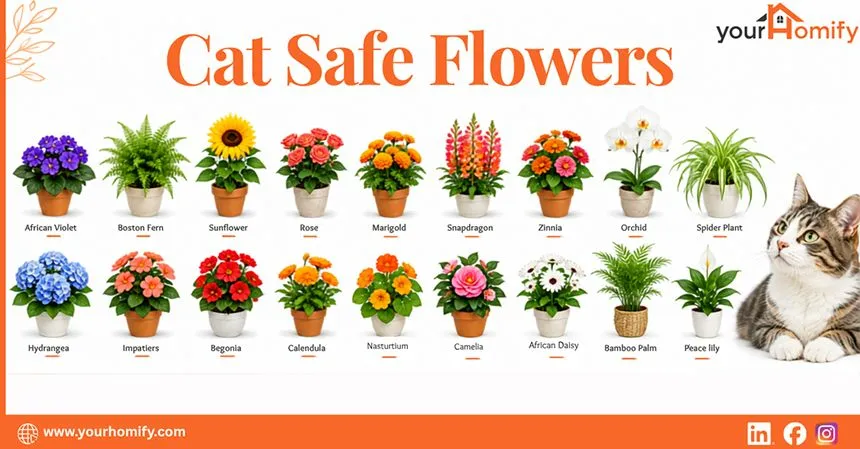
To save themselves from insects and other pests, some flowers produce toxic substances; planting them inside the home can be harmful to the pets in your home. Keeping cats away from anything is nearly impossible because they can reach everywhere; it is better to keep cat safe flowers and plants in the home in this case.
In this guide, I have provided a list of flowers that are safe for cats, flowers that are non-toxic but can cause infections, and flowers that are toxic for pets. Also know ways to keep the pet away from plants and what to do if a cat eats a toxic flower.
Quick Answer:
Rose, snapdragon, zinnias, asters, gerbera daisies, camellias, statice, waxflower, petunias, lisianthus, celosia, African violet, sunflower, orchid, freesias, dense blazing star, marigold, and calendula are cat safe flowers. These are completely safe for cats and will not affect their GI or cause any type of infection, even in case of extra consumption.
18 Cat Safe Flowers to Keep Your Furry Friend Out of Danger
Roses, Snapdragons, Zinnias, Gerbera Daisies, Asters, Camellias, Statice, Waxflower, Petunias, Lisianthus, Celosia, and African Violets are completely cat safe flowers. These are pet-friendly flowers and will not cause any infection or poisonous effects on pets’ bodies; however, some of the flowers, like sunflowers, orchids, freesias, dense blazing stars, marigolds, and calendula, can mildly upset the GI tract in case of overconsumption of the flower, leaves, or stem but are still safe for your cats.
You may think, “What are cat safe flowers?” Flowers that don’t have toxic compounds are flowers safe for cats. Mainly, the safe flowers can be divided into two parts. The first one is a completely risk-free flower, and the second is a safe plant with some mild limitations. These flowers will only mildly upset the GI and the health of the pet when consumed in very high quantities. Let’s check all these flowers in 2 different tiers.
Tier 1: Completely Risk-Free
Roses, Snapdragons, Zinnias, Gerbera Daisies, Asters, Camellias, Statice, Waxflower, Petunias, Lisianthus, Celosia, and African violet flowers are completely risk-free flowers. They will not cause any type of infection. The cats can eat them or play with them without any worry. You can plant these flowers in the garden or in pots or keep them in vases.
Let’s learn about flowers that are safe for cats in detail.
1: Roses
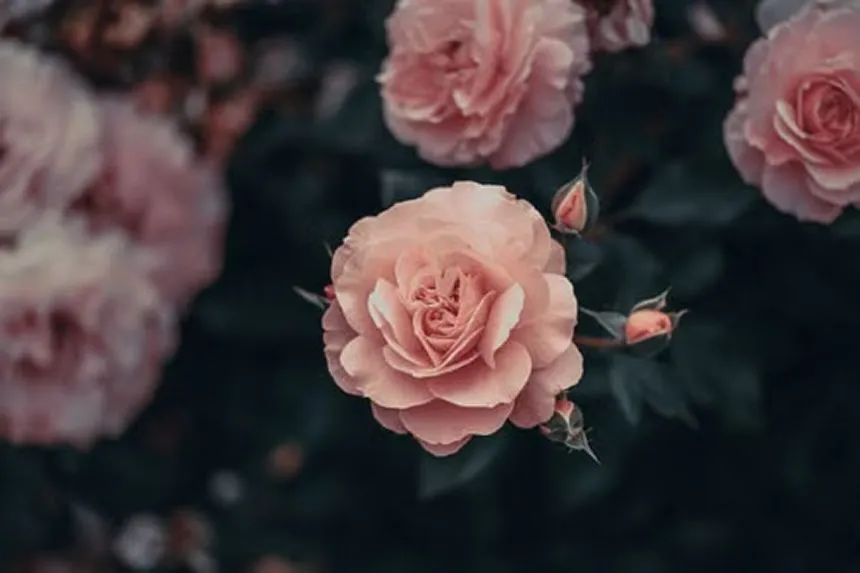
Roses are cat safe flowers, but beware of their thorny stems, as they can hurt your cats. This flower is very attractive and beautiful. The fragrance is very elegant, and their soft petals make the flowers more gorgeous. Roses are found in different colors and varieties. They can simply elevate the look of the room and make it more beautiful. If you are looking for a flower to give to someone who has a furry friend at home, then this can be the best option. The plant size is usually 1 to 8 feet, and the vase life is 7 to 10 days.
2: Snapdragons
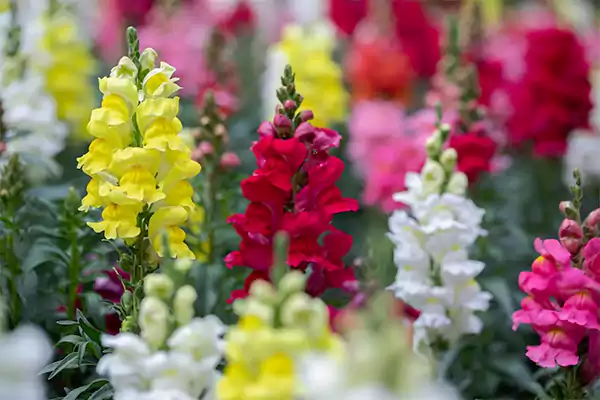
Snapdragons are the best option for home decor. They are totally safe for cats and have a long vase life of 10 to 14 days. These flowers are vertical and have a unique structure. It adds up to the height and beauty of the vase while making the house stunning. The stem, leaves, or flowers are edible, so you don’t have to worry about your pet. This flower blooms in spring and early summer. The plant’s height is 6 inches to 3 feet.
3: Zinnias
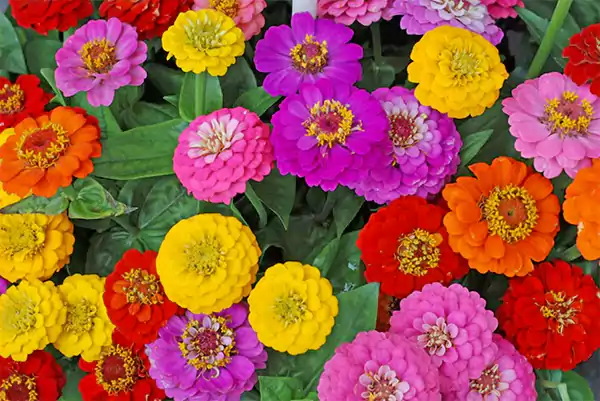
Zinnias are low-maintenance flowers; they will easily add color and freshness to the room. These are cat safe flowers, meaning you can plant them without being worried about your pet. They can eat them, play with them, and enjoy their beauty. Zinnias are found in different bright colors. They are round in shape with multiple petals. The plant’s size is between 8 inches and 4 feet, and it has a vase life of the flower is 7 to 10 days.
4: Gerbera Daisies
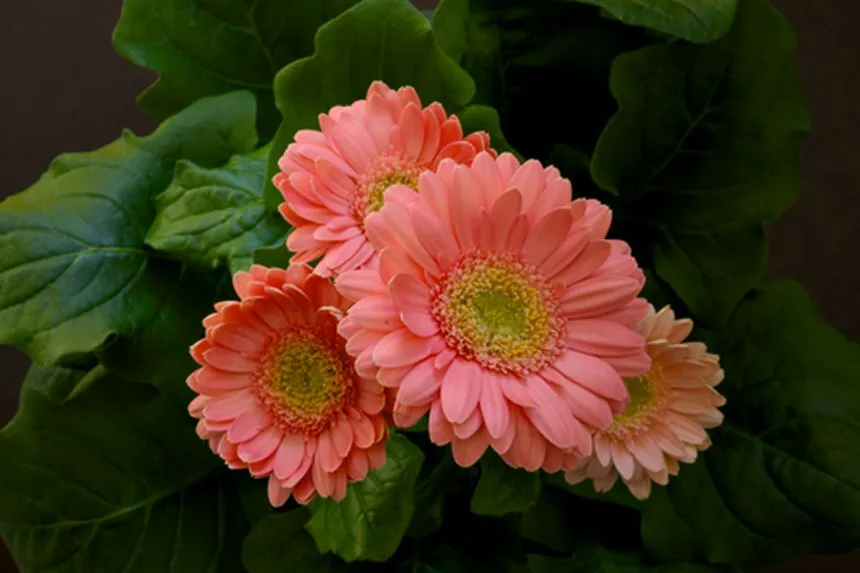
Gerbera daisies are big, round flowers; the stems usually have no leaves. They are available in bright colors and have a long vase life. These flowers are safe for pets, especially for dogs and cats. This can be the best gifting option for pet parents. They give a whimsical and energetic vibe to the home. This flower has a vase life of 7 to 14 days, and the plant height is between 1 foot and 1 foot 6 inches.
5: Asters
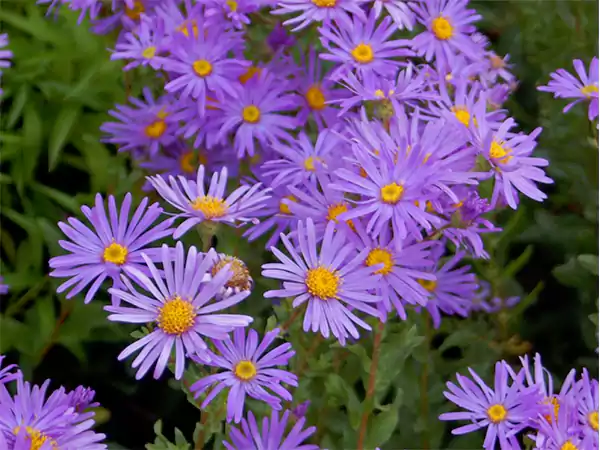
Aster is a cat-safe flower, and soft flowers are the best alternative for bouquet fillers. These are small flowers and are found in different colors. They can be used as an alternative to baby’s breath. It is completely safe for pets and can be the best option while you design a bouquet for pet parents. The plant’s size is between 6 inches and 8 feet tall, and the flowers’ vase life is five to 14 days.
6: Camellias
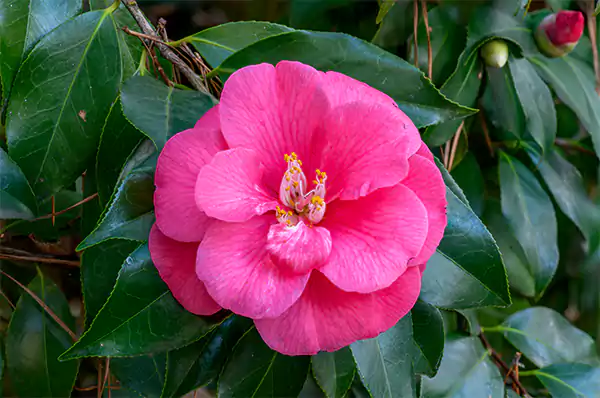
Camellia is an evergreen shrub that is found in multiple colors. The flowers and leaves are beautiful and have a unique shape that makes it more attractive. This is also a cat-safe flower, which means the best option if you have a small pet. The vase life of this flower is usually 2 to 4 days, but with good care, it can stay fresh up to 7 days; the flower size is 1 to 3 inches.
7: Statice
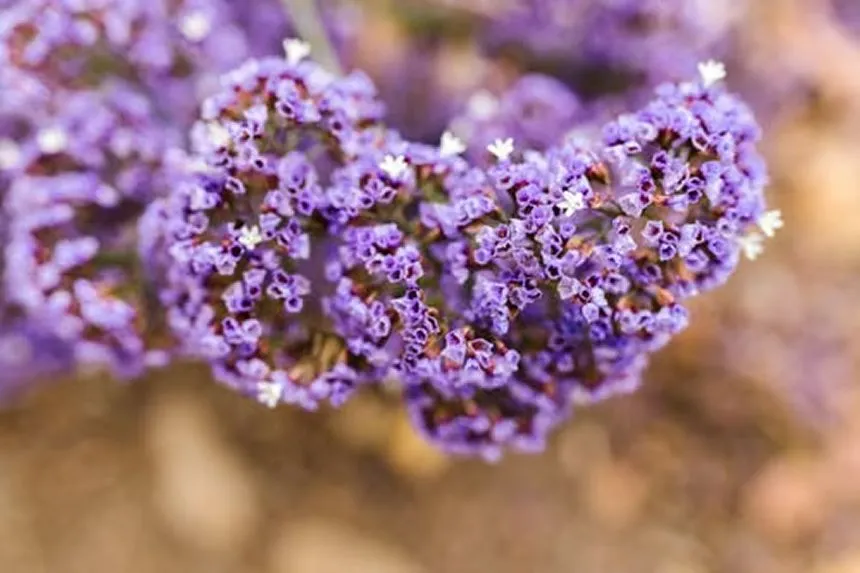
Statice is the best filler option; they are completely safe for cats and other pets. Statice is composed of combining multiple branches of tiny funnel-shaped, peppery flowers. These flowers are available in beautiful light colors and are available year-round. If you are making a bouquet for pet parents, then this can increase the beauty and make it pet-friendly. The plants height varies between 9 inches to 1 feet and there vase life is 5 ti 14 days.
8: Waxflower
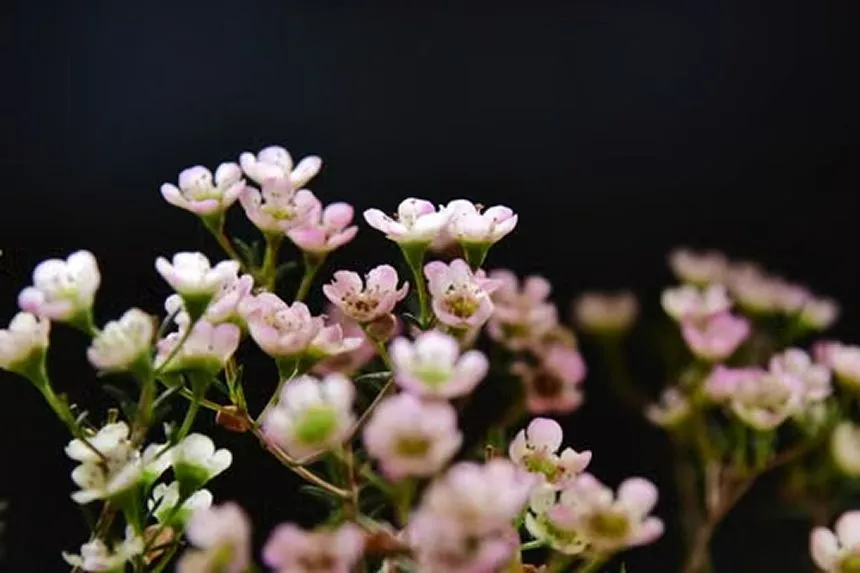
Waxflowers are the best filler for pet-friendly bouquets. These are small flowers with 5 petals, usually found in round and star shapes. They look very beautiful: small flowers in light colors that make the bouquet more beautiful. So if you like wax flowers but think wax flowers are safe for cats, then the answer is yes; these are completely safe for pets, and there is no chance of infections even in case of extra consumption. The flower can stay fresh in a vase for 2 to 3 weeks, and the height varies between 4 to 6 feet.
9: Petunias
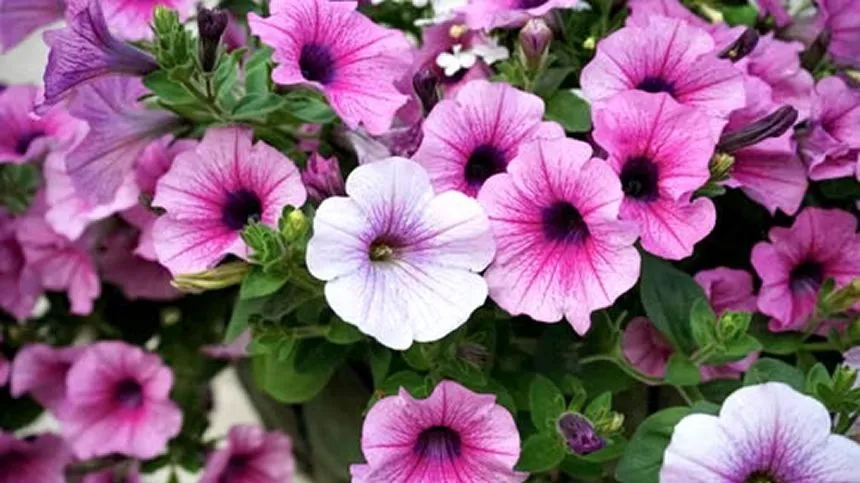
Petunias are medium-sized, funnel-shaped flowers that are found in pink, white, and other colors. These are completely safe for cats, dogs, and other pets. If you are searching for a fall flower that is easy to grow and safe for pets, then petunias is the best option. This flower has a 5-day vase life, which means it is also a good option for cat parents. The plant size is usually 0.6 to 1.6 inches.
10: Lisianthus
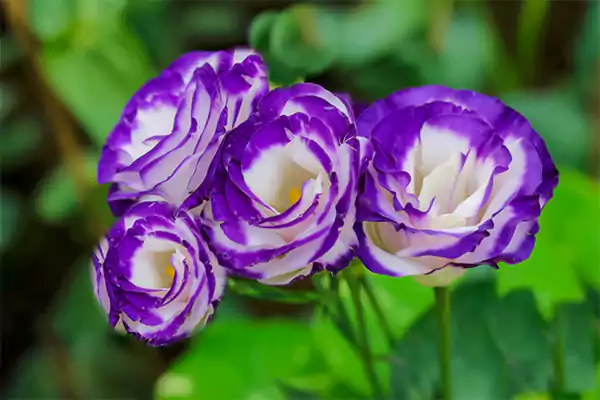
Lisianthus looks closely like a peony and a rose. These are found in multiple colors, and they are completely safe for pets. If you want to add a flower to your garden or a bouquet with a different texture than a rose but as beautiful as it is, then this will be the best option. The flower size is 1 to 3 inches, and the vase life of this flower is at least 2 weeks.
11: Celosia (Cockscomb)
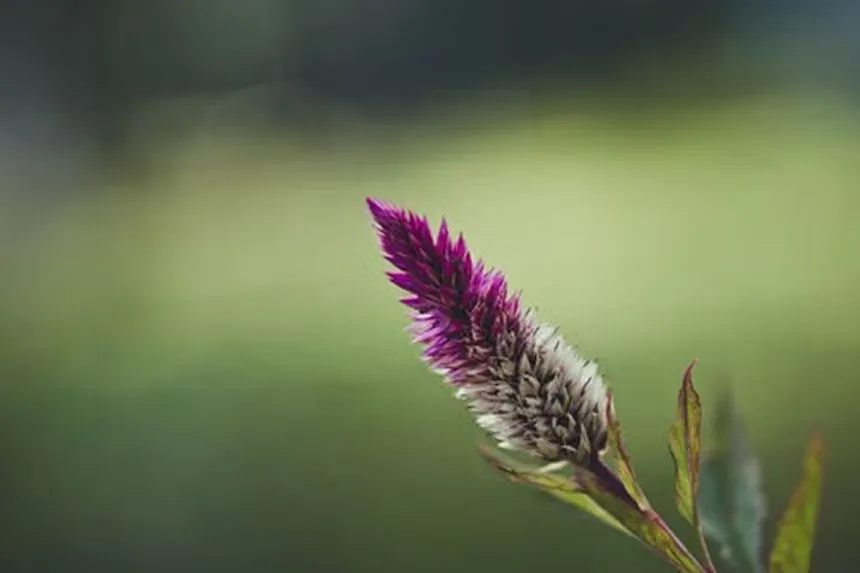
Celosia flowers have a different texture than normal flowers. They look beautiful in arrangements. These are pet-friendly flowers, especially for cats. This is a low-maintenance plant that is edible. People usually use these flowers as an ornament. Its vase life of celosia is 7 to 14 days, and the plant’s size is 6 inches to 3 feet.
12: African Violet
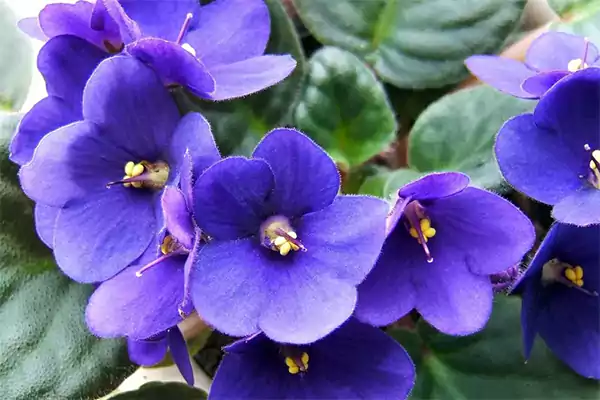
African violets are beautiful small flowers that are found in different colors. If you like them, you can plant them without being stressed because they are completely safe for pets. So if your pet likes sniffing or eating the flowers or leaves, then don’t worry; there are no issues. The plant size is 1 to 1 and a half feet and has a vase life of 4 to 5 days.
Tier 2: Non Toxic Flowers With A Minor Caveat
Sunflowers, orchids, freesias, dense blazing stars, marigolds, and calendula are also non-toxic flowers, but they are not completely safe. They can cause minor infection, vomiting, or mild digestive discomfort if your pet has taken the stem, leaves, or petals of the plant.
Let’s know about the cat safe flowers that need minor caveats.
1: Sunflower
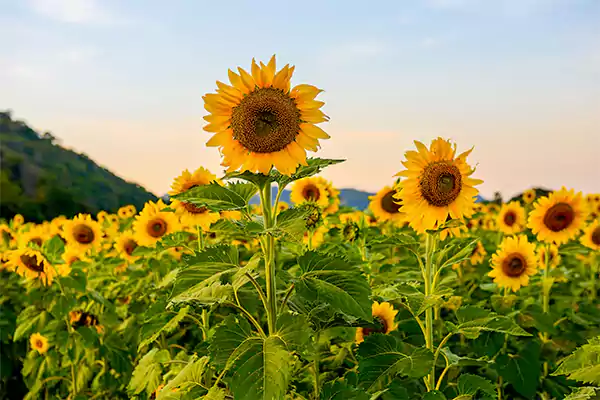
Sunflowers are famous for the nice bright yellow petals and the dark brown center. These flowers enhance the beauty of the home and make rooms brighter. This flower is not toxic for pets, especially cats, but if they consume too much, it can upset the GI. The plant’s size is usually 5 to 8 feet, the vase life is 7 to 12 days.
2: Orchids
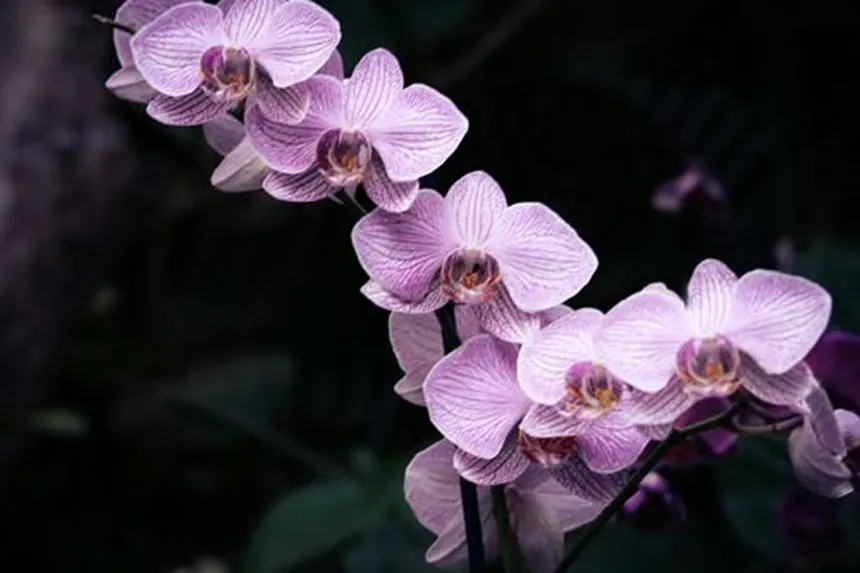
Orchids are available in various colors. Their distinctive attractive shape and different petals make them the best choice for decoration. All varieties of orchids are safe for pets, unless they are treated with preservatives and chemicals. However, consuming the plant regularly can affect the pet. It can upset the GI and cause vomiting or diarrhea. The vase life is almost a month, which is very long, and the plant’s height usually varies between 1.6 to 2 feet.
3: Freesias
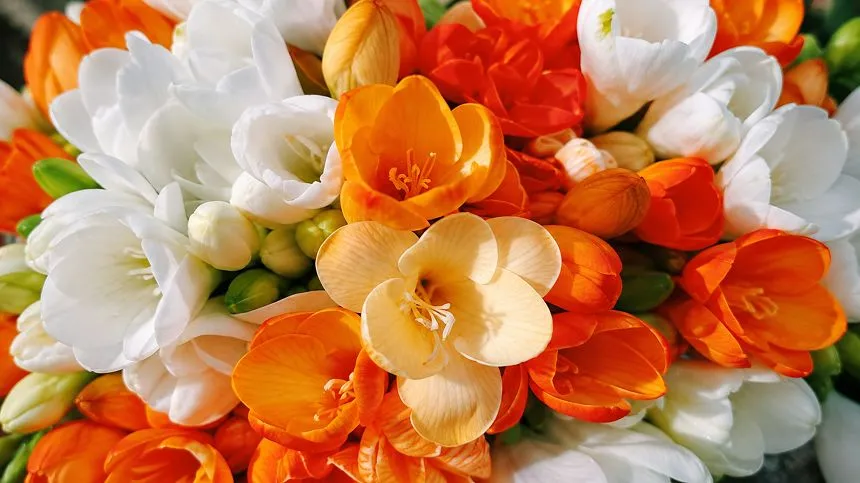
Freesias are delicate flowers that are funnel-shaped and known for their sweet fragrance and vibrant color. They are considered non-toxic for cats, although consuming the leaves or the flowers in large quantities can upset the GI tract and cause vomiting, loss of appetite, and congestion. The vase life of this flower is 7 to 12 days, and the plant’s height varies between 1 to 2 inches.
4: Dense blazing star
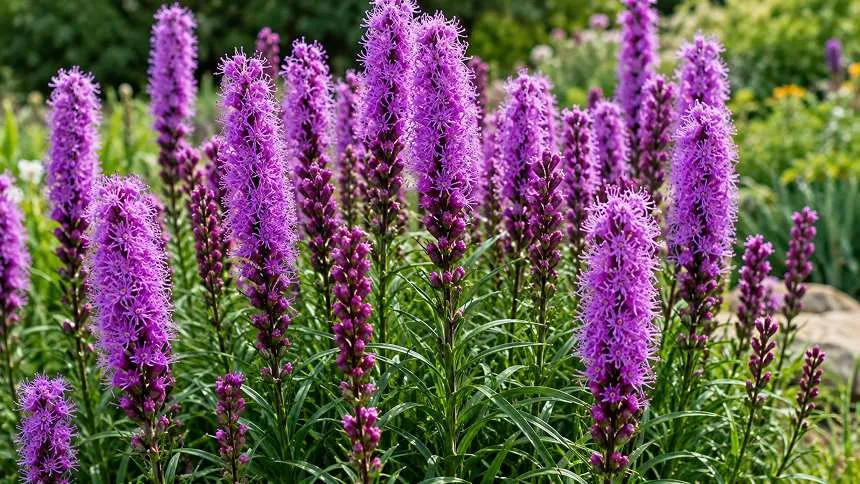
Dense blazing star flowers commonly have long spikes with small and fluffy purple blooms. These are known as Liatris spicata and are on the list of non-toxic flowers, but this can cause some issues like digestive issues or upset stomachs. The plants have a vase life of 14 days and it grows 3 to 6 feet tall.
5: Marigold:
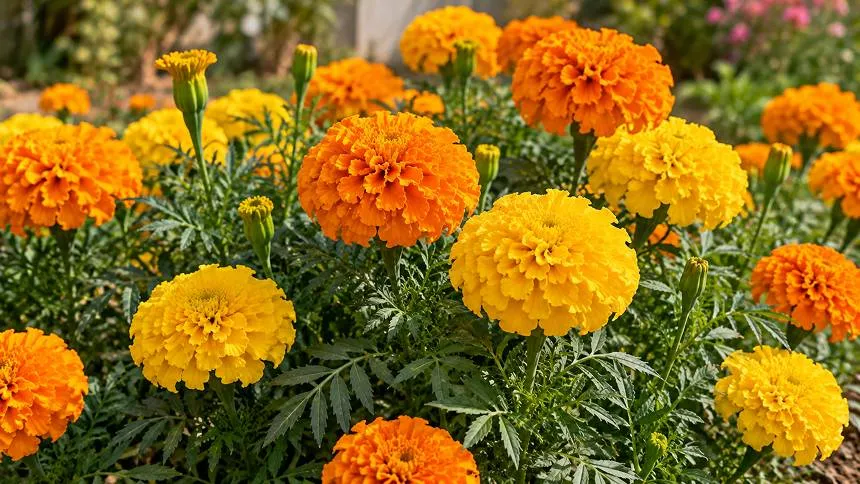
Marigolds are bright, bushy flowers that are commonly recognized by bright colors like yellow, orange, and golden blooms. With marigolds, you have to be a little cautious because of the multiple species, like the Tagetes marigold, that can cause mild GI irritation in some cats. It has a vase life of 7 to 12 days and is 1 to 4 feet tall.
6: Calendula
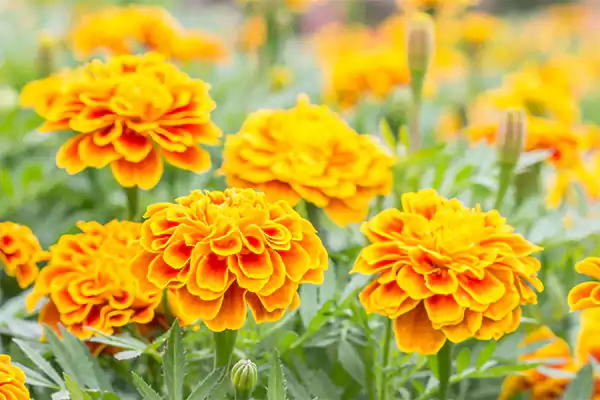
Calendula has cheerful colors like yellow and orange. It is a daisy-like flower that is often called a pot marigold. Its scientific name is Calendula officinalis, and it is not toxic to pets, mostly. However, consuming them in large quantities can cause interruption in GI and cause mild digestive issues. The vase life should be 6 to 8 days, and the plant grows 1 to 2 feets tall.
Tips To Keep The Cat Safe From Toxic Flowers
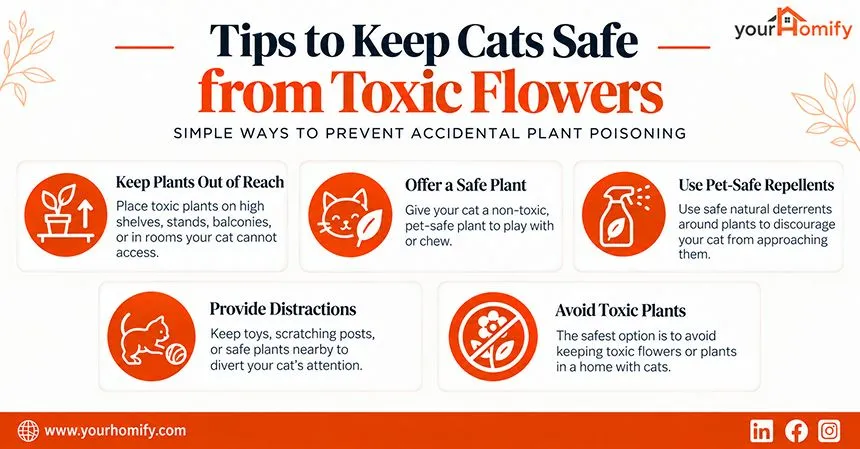
Keep the flowers in a higher place, give them a separate plant, use a natural repellent, or provide distraction. You can totally avoid toxic plants to keep your cat safe from toxic flowers. By taking these small steps, you can totally keep your cat safe from toxic flowers.
Let’s talk about these tips in detail.
- Place the plants in higher places: Keep the plants in higher places that are unreachable to the pets. You can keep the plants on the balcony and close the door. You can keep the plants on higher tables or place them on top of the plant stand.
- Provide a separate plant: If your pet loves to play with plants and find ways to reach the toxic plant, then you can solve it by providing him with his own plant. Research chooses a plant that is non toxic and is edible with no side effects.
- Spray natural repellents: You can use natural repellents like coffee, citrus, vinegar, or cayenne pepper. These have a strong aroma that most of the pets don’t like. That’s why they avoid these plants, so you can spray them on the plants. Citrus may not be effective for a long time, but coffee and vinegar have a great smell. They have an odd taste, so pets will avoid chewing the leaves or flowers even if they eat them, and it also doesn’t have any side effects on plants.
- Provide distraction: You can also provide them with other distractions; for example, install a toy so the pet gets distracted with it. Keep the toys easy to access, or place the non-toxic plants below so the pets will only play with them.
- Avoid toxic plants: The best option through which you and most of the hassle is not planting a toxic plant if you have a pet. If a pet is visiting for a few days, then you should keep them in a corner of the garden or on the terrace and keep precautions in place while you take them there.
What to Do If a Cat Eats a Toxic Flower?
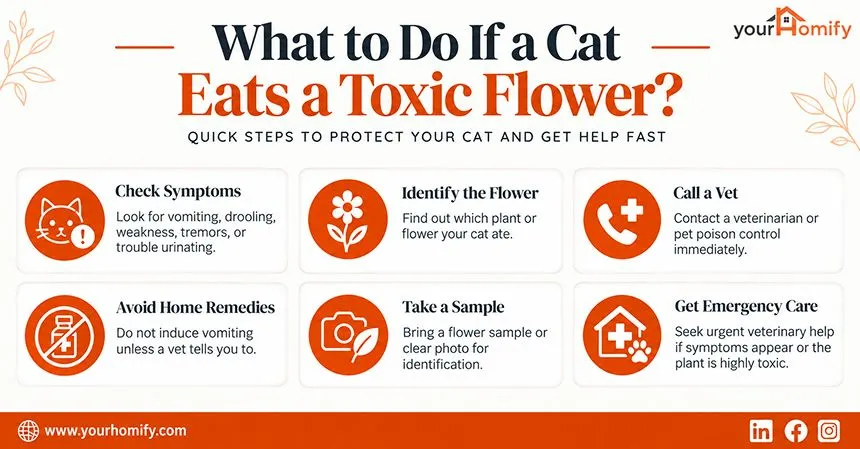
If there are symptoms, first call poison control, then identify the flower they ate, don’t induce vomiting, and take a plant sample. These are the steps you should take if your cat eats a toxic flower. If the flower was not poisonous, it can be controlled at home. If the cat has consumed poisonous flowers, then you have to take him to a vet immediately.
Let’s know about the steps you should take in this condition in detail.
Symptoms: If the pet is vomiting nonstop, feeling extremely lethargic, having trouble moving or standing, having heavy drooling, lacking urination, or facing muscle tremors, then you should take it to a vet immediately. In case of a single episode of vomiting, mild drooling, or loss of appetite, then you can wait for some time, call poison control, and take medication.
Call the Poison Control: You should call the ASPCA animal poison control team at (888) 426-4435 or call the pet poison helpline number (855) 764-7661. They will provide a detailed analysis of whether you have to go to the hospital or you can handle the pet at home on your own. Charges will be applied for the consultation, but you will get instant help on how to tackle the problem.
Identify the Flower: Now check which plant is causing the issue. The vet will provide medication or an antidote based on the type of plant. So check which plant they have eaten that has caused the issue. You can check the plant. If the flower is not risky, then there is nothing to be worried about. However, if the flower is toxic, then you have to run to the vet immediately.
Take a sample of the plant: While heading out, take a minute to take a sample of the plant with you. It will make the process quick and help the vets. If you have no idea which part of the plant your pet has consumed, then you can take the vomiting which may contain part of the flower or the plant.
Do not trigger vomiting: Don’t try to induce vomiting or put pressure on the pet. It will worsen the pet’s condition. If the pet has specifically stated to do so, then don’t follow any home remedy or anything you found online. In these conditions, rely on the doctor’s advice only.
List Of Flowers Unsafe For Cats
Lily, lily of valley, autumn crocus, oleander, tulip, azalea, daffodil, hyacinth, amaryllis, chrysanthemum, daisy, cyclamen, peony, buttercup, primrose, iris, gladiola, hydrangea, carnation, sweet william, and Kalanchoe are toxic flowers; if you are flowering or keeping the flower in your home, then you have to be safe because these are poisonous in nature; some will cause fever and some can be the reason for death.
1: Lily
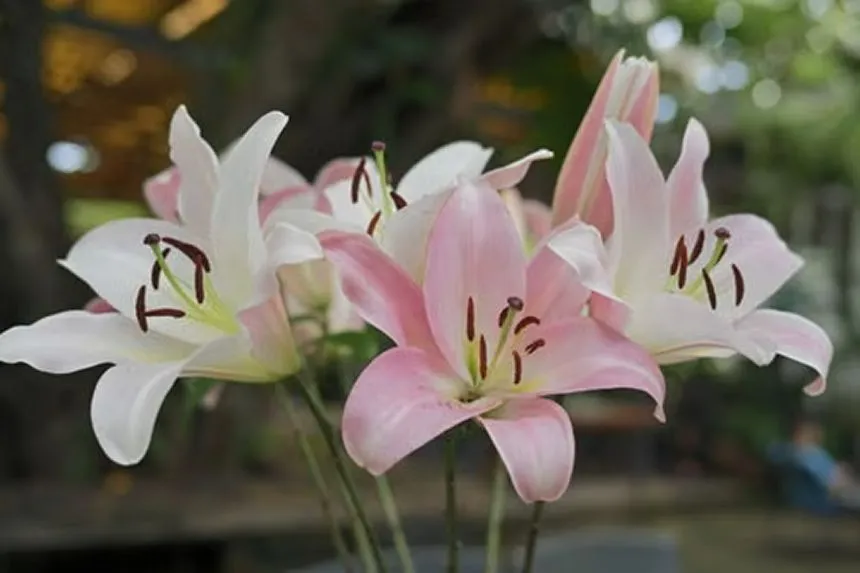
Lily is a very toxic flower for cats; exposure to the pollen and eating the stem, leaves, or petals can be dangerous and even cause acute kidney disease or death. Even a tiny amount of this flower can be fatal for cats. It will be best if you don’t plant them in the house and check every bouquet carefully.
The cats can jump and climb onto high shelves and spaces; hiding can be difficult. If your cat is facing lethargy, vomiting, dehydration, or too much or too little urination, then you should head to the vet immediately.
2: Lily of the valley
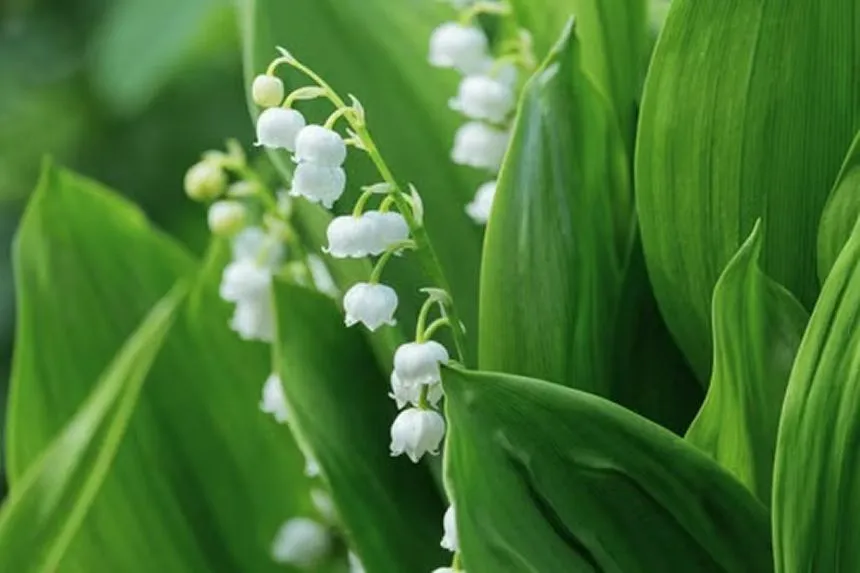
Lily of the valley is very toxic for dogs and cats; it can be fatal. This flower has 38 different cardenolides (cardiac glycosides) that can cause disruption in the heart and gastrointestinal tract.
The bulbs are the most toxic part of the plant; however, the whole plant is toxic. This plant also contains saponins that can cause diarrhea, vomiting, blood in stool, and severe abdominal pain. In severe cases, you can get tremors, seizures, weakness, collapse, and even coma.
3: Autumn crocus
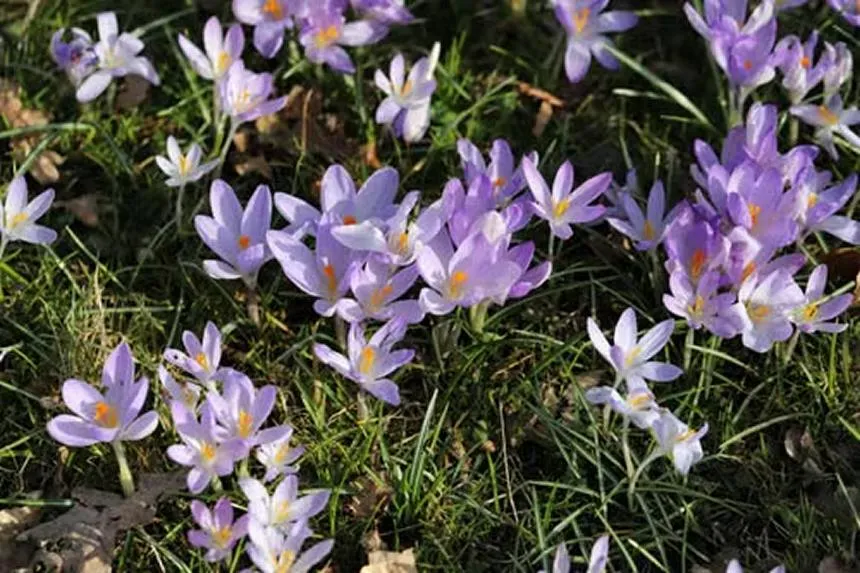
Autumn crocus is a very beautiful flower. It can be confusing to identify it from other crocus flowers, but it is very dangerous in nature. These are very toxic for dogs, cats, and horses and can cause stomach upset, heart disease, liver failure, low bp, kidney failure, abnormal bleeding, and bone marrow function.
4: Oleander
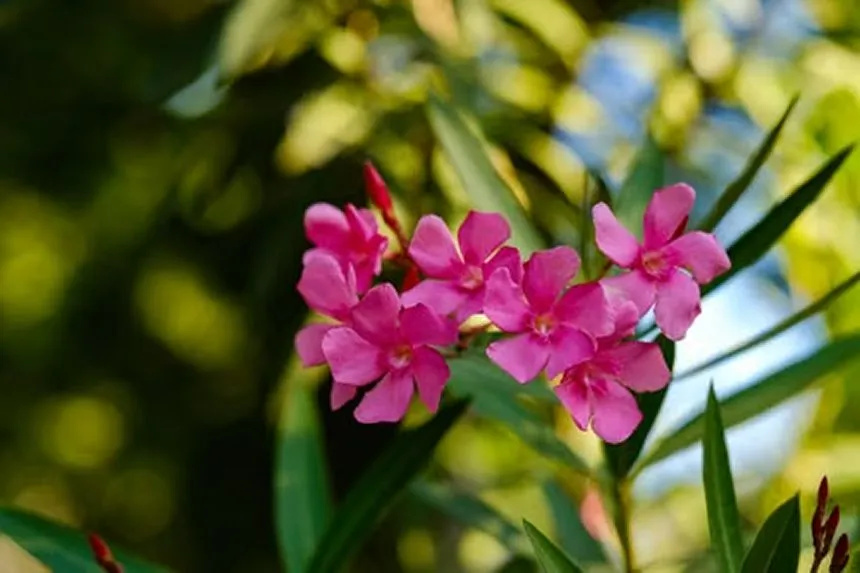
Oleander is a beautiful shrub flower, but it is not safe for your pets. Make sure you are keeping them away while trekking or walking by road. The symptoms and side effects are not visible early on, but they can be life-threatening.
Symptoms will start with vomiting, diarrhea, and pain. Later, they can progress to low blood pressure and arrhythmias, which are usually seen with abnormalities in the heart.
5: Tulip
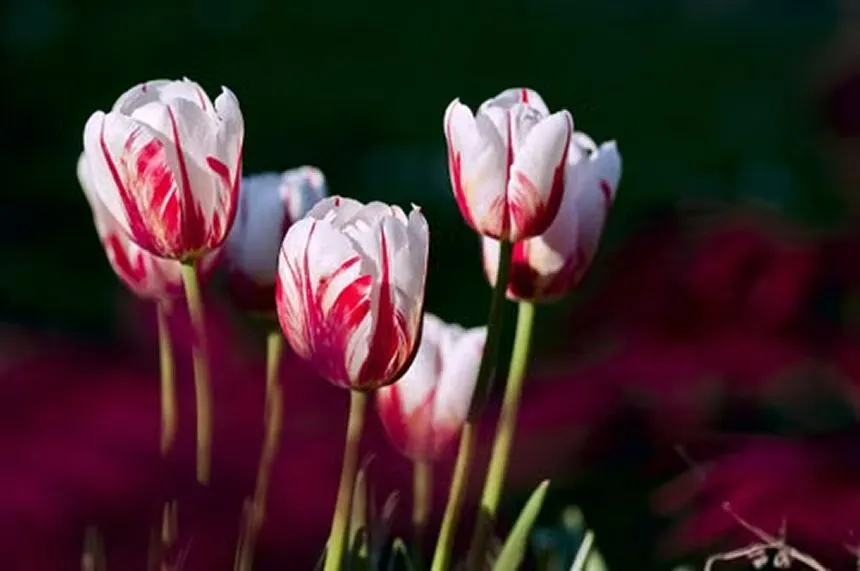
Tulips and tulip bulbs are both very dangerous for cats, dogs, and horses. They can cause an upset stomach, digestion issues, and depression. In some cases you can also see diarrhea, dizziness, labored breathing, pain, and drooling. If the pet has ingested any part of the plant, then it can cause issues for them.
6: Azalea
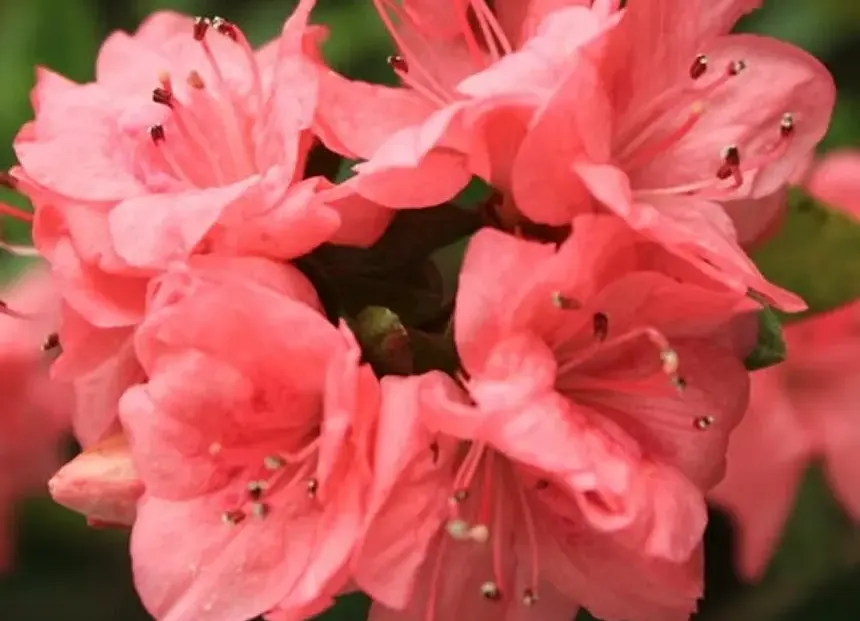
Azalea flowers have a distinct shape and multiple petals that make them attractive, but all the parts of this flower are toxic to pets. If you are planting them inside, keep it out of reach for cats, and if you are planting it outdoors, make sure it is dogproof. It can cause death or organ failures if ingested.
Make sure you visit the vet immediately if there are symptoms like vomiting, diarrhea, trouble walking, lethargy, or seizures, or if any part of the plant is ingested by the pet, don’t wait for the symptoms.
7: Daffodil
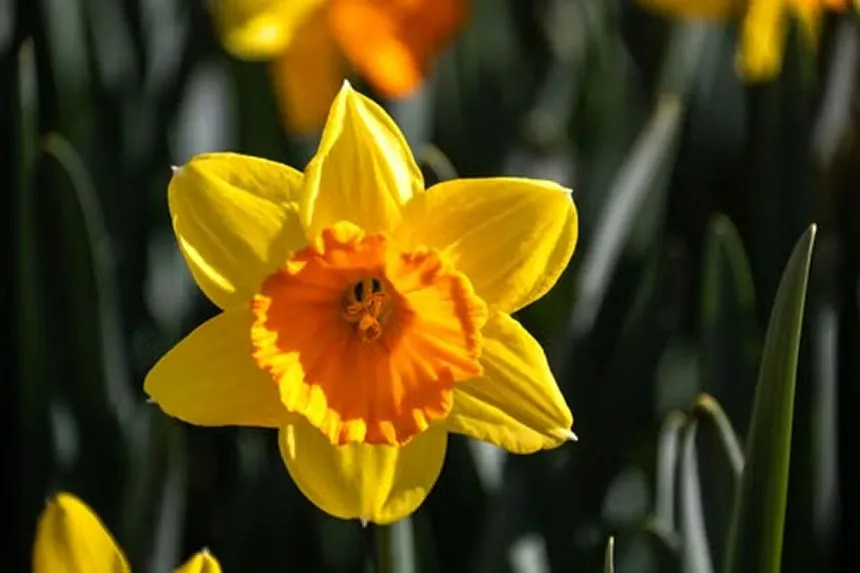
Daffodils are toxic for pets like cats and dogs. Ingestion of daffodil bulbs can cause seizure and shivering. If the pet has ingested daffodil, then you can get to see symptoms like diarrhea, drooling, vomiting, nausea, and labored breathing.
In that case you must visit the vet, and if you are sure that the pet has eaten the plant, then take a sample with you. Make sure that you are planting the plant outside or keeping it hanging so it can be out of reach.
8: Hyacinth
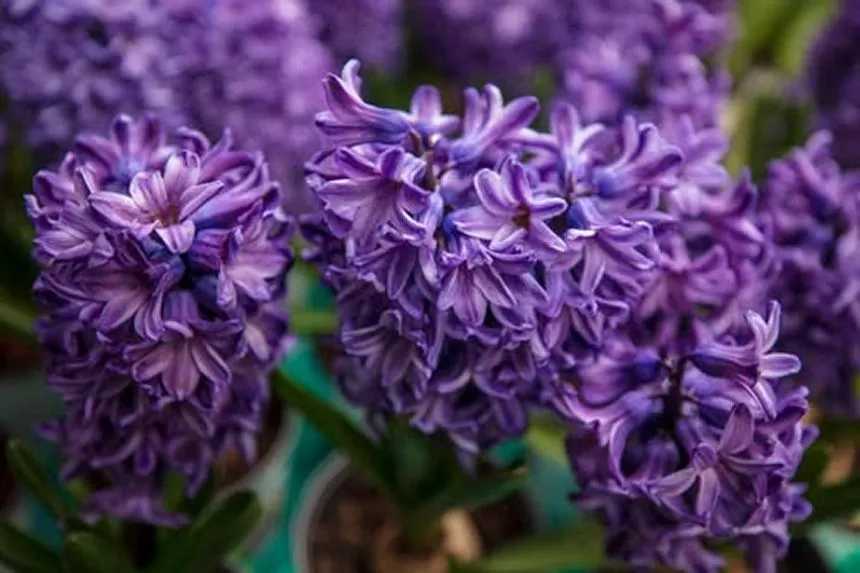
Hyacinth is placed in the same family as the tulip, which makes their toxicity symptoms very similar. They are more toxic in the bulb area, and the plant is a little less toxic. These flowers are usually added in the bouquets, so it will be better if you check each flower that is added in the bouquet.
If you have this plant and you are seeing symptoms like increased heart rate, vomiting, diarrhea, and drooling.
9: Amaryllis
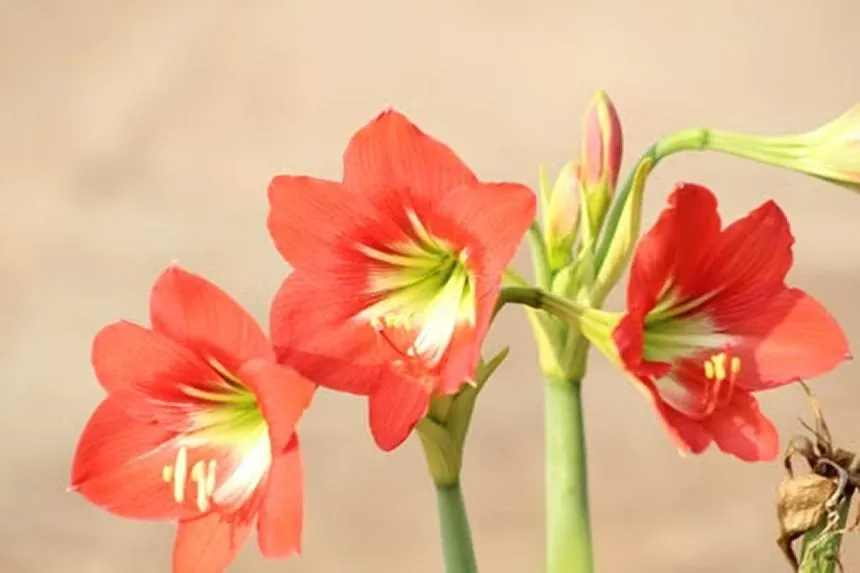
Amaryllis flower bulbs contain lycorine that is very harmful for cats. It is produced by the plant to save themselves. Even taking a small amount of amaryllis can cause issues in the gastrointestinal system and in serious cases, with the nervous system. You can get to see symptoms like vomiting, salivation, diarrhea, low blood pressure, tremors and even cardiac arrhythmias.
10: Chrysanthemum
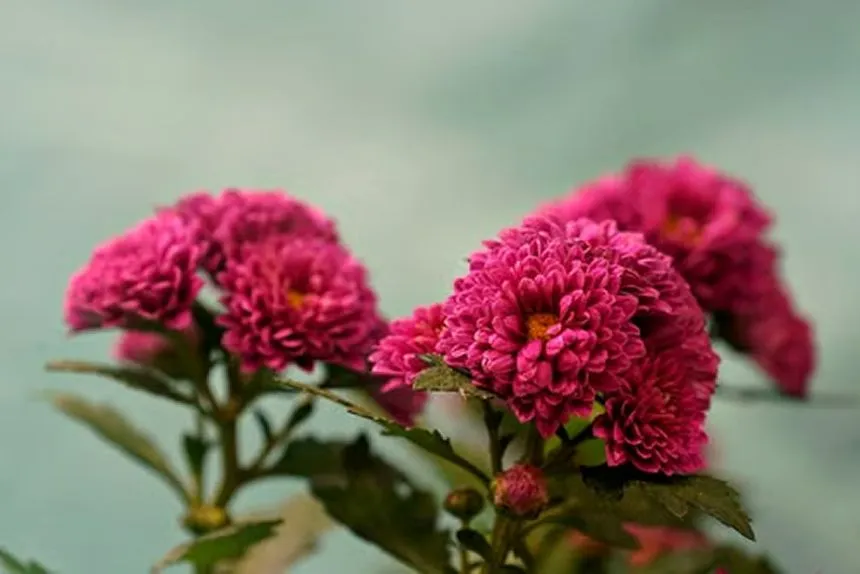
Chrysanthemum can be a beautiful flower but it is very toxic for cats and dogs. They contain different toxic compounds that are pyrethroids, sesquiterpene and other oils. Ingestion of even a small amount of this flower can be fatal for the pets. You can get to see symptoms like drooling, vomiting, diarrhea, and loss of appetite. In some serious cases you will get to see lethargy, depression, and seizures.
11: Daisy
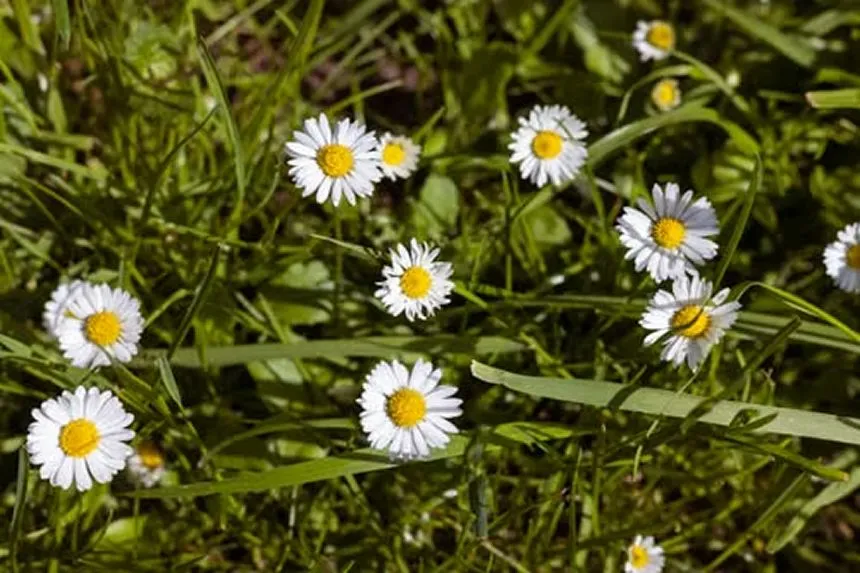
Daisy plants are toxic for both cats and dogs. However, some species, like gerbera daisies, are safe for the pets, but it is important to check the species before planting and purchasing. Make sure daisies that have yellow in the middle and white-colored petals are toxic. Skin irritation, trouble in walking, diarrhea, and vomiting are the main symptoms of daisy toxicity.
12: Cyclamen
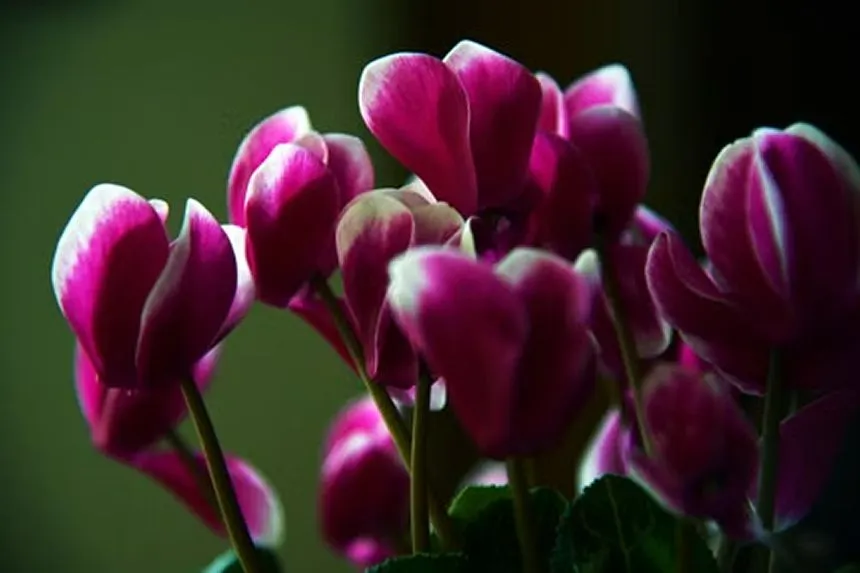
In cyclamen flowers, you will get a compound named terpenoid saponins; this is very poisonous for cats and dogs. The complete plant is toxic, but the tuber is considered the most toxic part. However, serious symptoms occur when pets ingest large parts of the tuber.
In minor cases, symptoms like drooling, vomiting, diarrhea, and reduced appetite have been observed, which can extend to an abnormal heartbeat, seizures, and death.
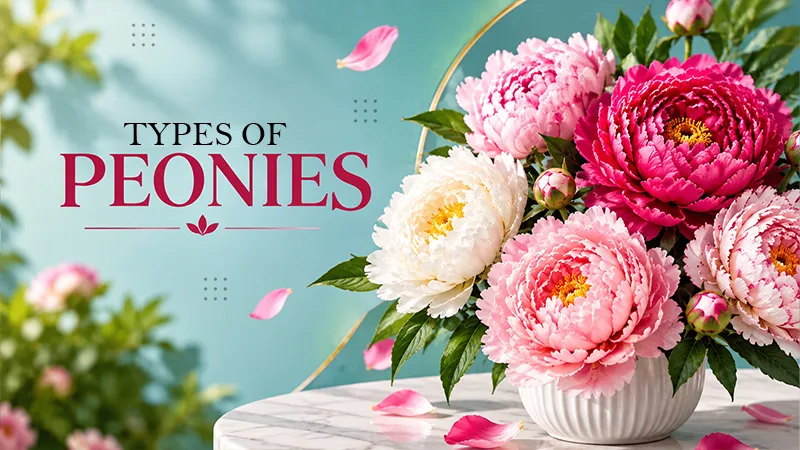
13: Peony
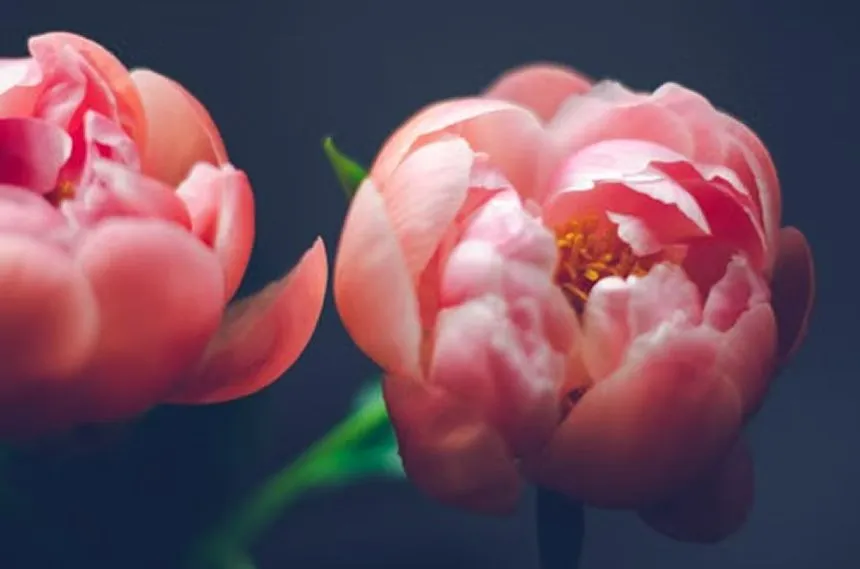
Peonies are harmful to pets, but they are not dangerous. This plant contains a substance called paeonol that will cause distress in the GI tract. If the pet has ingested a small amount of peonies, they may have mild or no symptoms, and vomiting is not induced in these cases. It will mainly upset the gastrointestinal tract.
However, ingestion in large amounts or regular ingestion can be harmful for the pet.
14: Buttercup
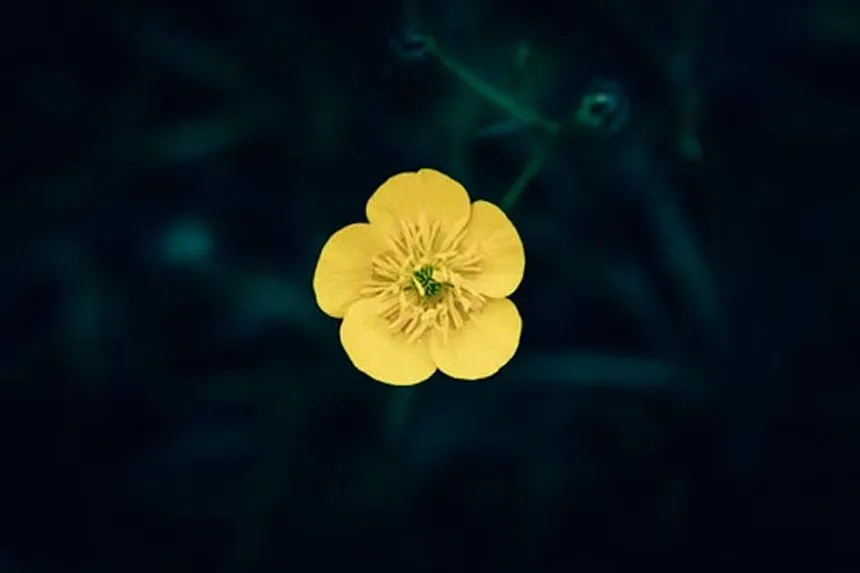
Buttercup plants are toxic for cats. This flower contains a compound called ranunculin that converts into protoanemonin after chewing, which can cause oral ulcers. All parts are toxic, but the flowers contain protoanemonin in the highest concentration.
Eating the plant in large amounts can be dangerous for cats, but due to the bitter taste and irritating effect, most of the cats don’t consume it, so it can be safe, but it will be best if you keep cats away from the plant.
15: Primrose
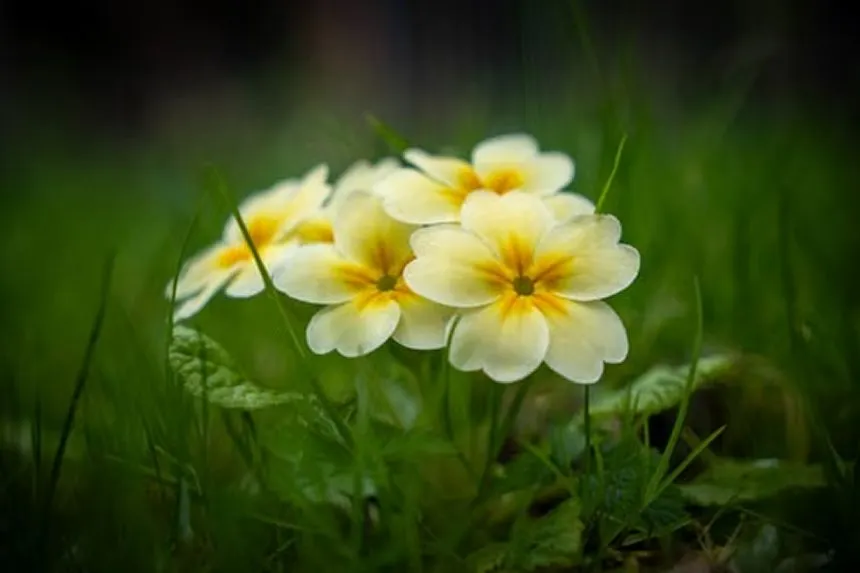
Primrose is toxic for pets such as cats and dogs, but their poisoning level is mild. If the pet has ingested the plant it can feel irritation and side effects like vomiting, drooling, and diarrhea. Even coming in contact with the leaves can cause irritation in the skin.
If your cat likes playing or eating plants, then you should avoid keeping primrose in your garden or home.
16: Iris
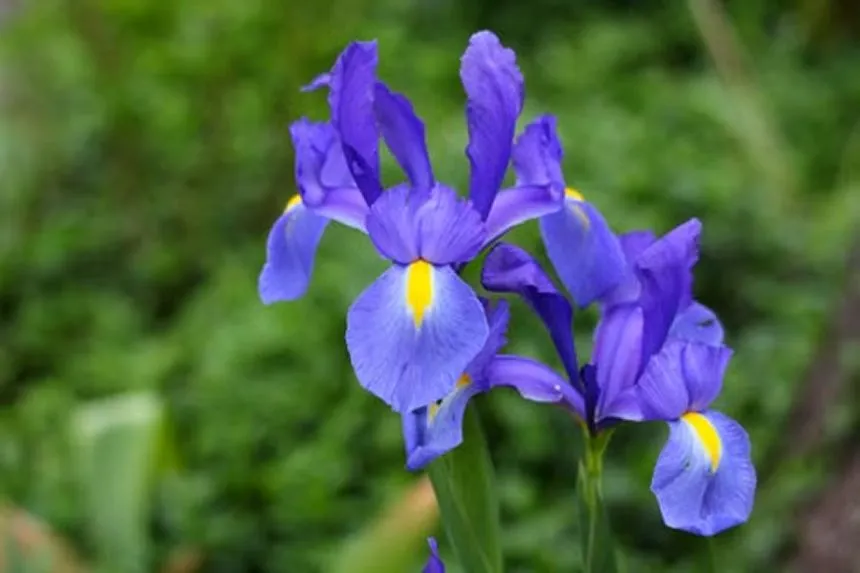
Iris contains an enzyme called pentacyclic terpenoids, including zeorin, missourin, and missouriensin. However, the enzyme is available in the plant, but the concentration is high in the rhizomes. Even a small amount can cause severe issues. You will get symptoms like salivation, drooling, lethargy, vomiting, and diarrhea.
17: Gladiola
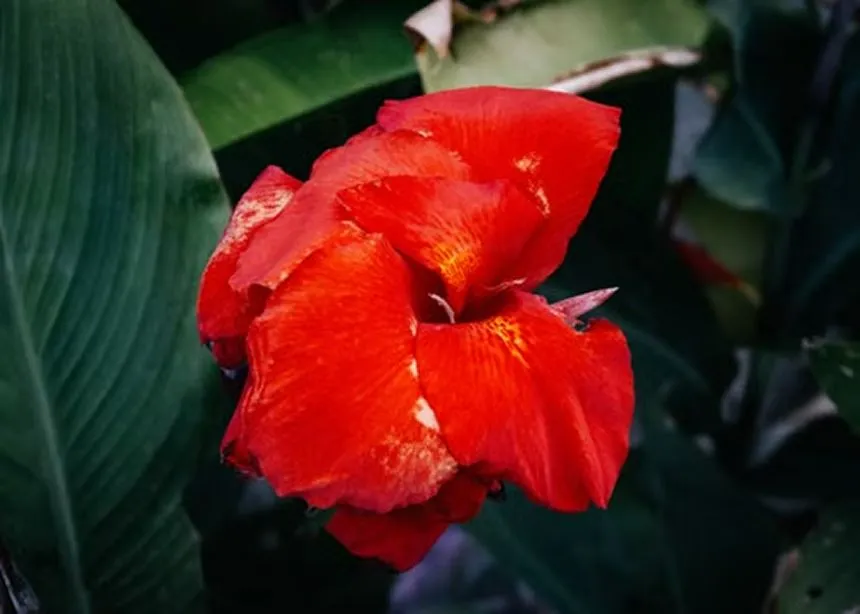
Gladiola is a Mexican flower, also called the sword lily. This plant is very toxic for cats and dogs. Eating or ingesting the plant can cause GI irritation. The most toxic part of the plant is the bulb; eating it can cause severe symptoms like diarrhea, vomiting, lethargy, and excessive drooling.
Even chewing the flowers and leaves can be fatal for cats, so keep the plants away or avoid keeping them inside the home.
18: Hydrangea
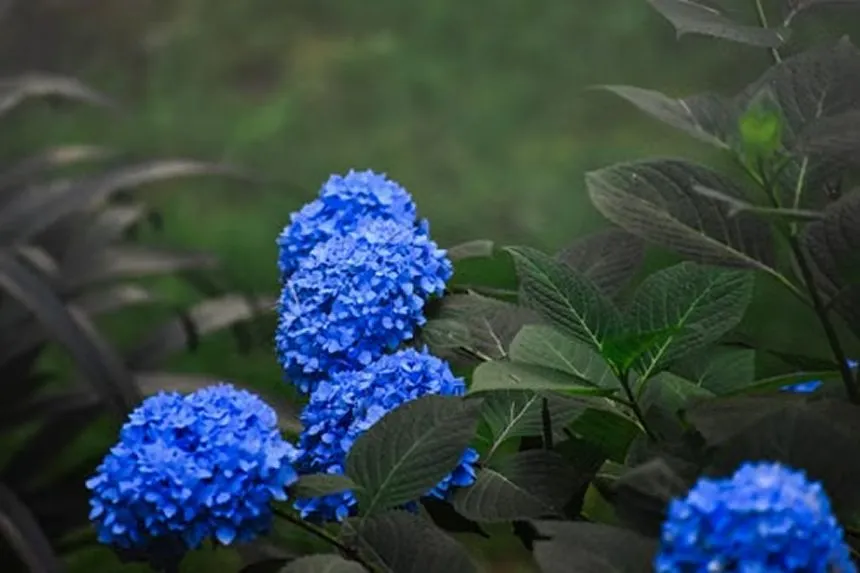
Hydrangea is a very dangerous plant and contains a cyanogenic glycoside compound that releases cyanide. Ingestion of the plant can cause common intestinal issues, including vomiting, diarrhea, and lethargy. The plant does not seriously affect companion animals. It is better to keep the plant out of reach, as consumption of large parts of the plant can cause serious issues.
19: Kalancheo
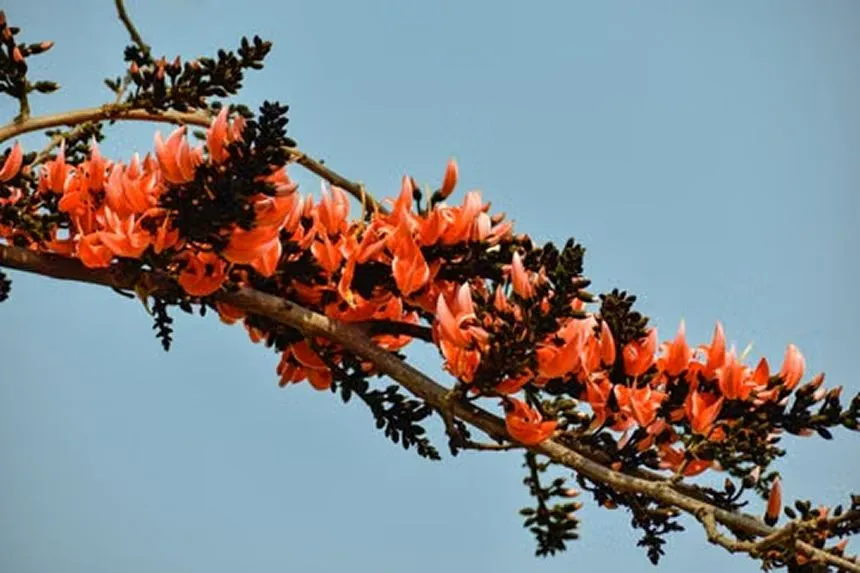
Kalanchoe is a houseplant, and it is not that dangerous; in most of the cases, you will get vomiting and diarrhea. In rare cases, there can be an abnormal heart rhythm. It would be better if pet parents chose a different houseplant or kept the plant out of reach of cats and dogs.
20: Sweet William/Pinks
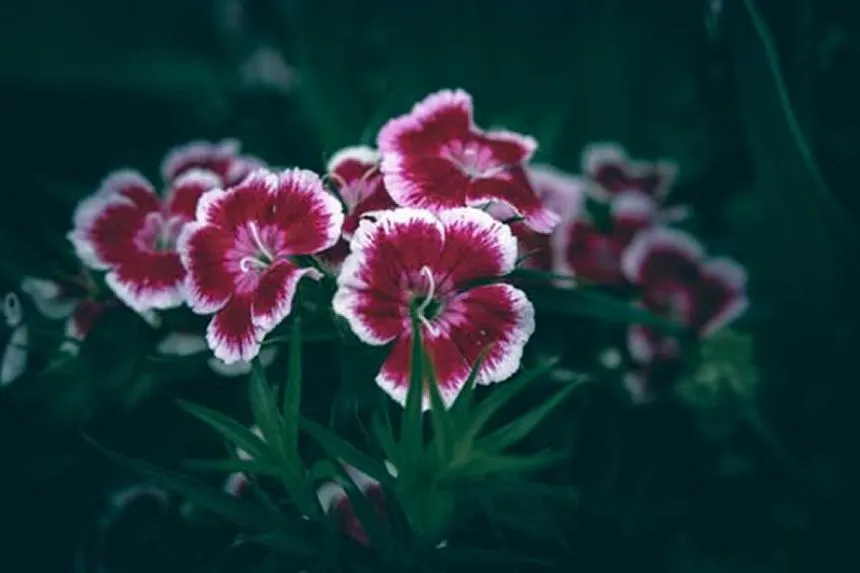
Sweet William is a toxic plant, but it is mildly poisonous; it causes GI and skin irritation. Chewing the flowers, leaves, or stem can cause a little interruption in the GI upset and skin irritation or infection. It will be better if you contact a dermatologist or vet in this case. It will be better to keep the plant out of sight, especially if your pet loves playing with the plants.
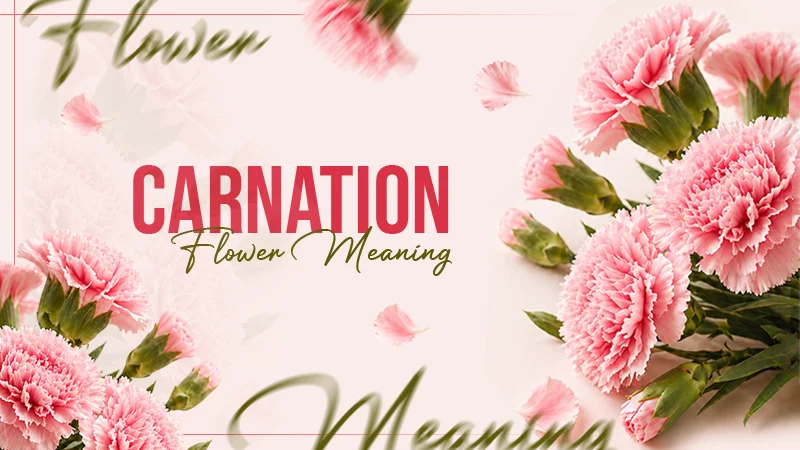
21: Carnation
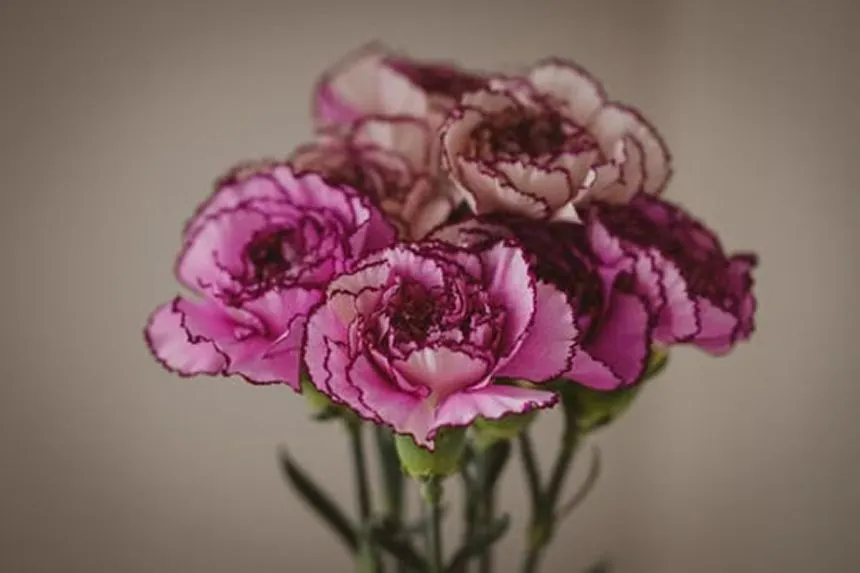
Carnation flowers are so beautiful and are also known as Mothers day flowers. But these are toxic for cats, dogs, and horses. However, they are mildly toxic, but they can cause gastrointestinal symptoms and skin irritation or infections.
Please plant them out of reach or avoid keeping them inside the house. In case of a reaction, you will get to see symptoms like skin irritation, vomiting, and diarrhea.
Conclusion
There are two tiers of cat safe flowers: one that is completely safe, like roses, snapdragons, zinnias, asters, camellias, etc., and some flowers safe for cats but can upset the GI if consumed in large quantities, like Sunflowers, orchids, freesias, etc. The next category is completely toxic or poisonous plants like daisies, hydrangeas, sweet williams, tulips, carnations, etc.
If you have a pet, please keep the toxic plants in higher places or hanging so the pet can’t reach them. In case they have ingested the plant by mistake, you must contact the poison control team and, in severe cases, head to your vet with a sample of the plant so the vets can take immediate action.
FAQs
What flowers are safe for cats?
Rose, snapdragon, zinnia, aster, camellia, wax flower, and African violets are non-toxic for pets. If you have cats, you can plant any of these flowers inside the home or in the garden.
What flowers can I not get if I have cats?
Daisy, lily, chrysanthemum, carnation, hydrangea, daffodil, iris, primrose, peonies, and oleander are toxic flowers. Please don’t keep them in your home if you have a pet. These are highly poisonous to pets.
How to deter cats from toxic plants?
To deter cats from toxic plants, keep the plants on higher shelves of tables or close glass cabinets. You can also keep them in hanging baskets. Ensure the plant is away from their reach, or you can spray natural repellents.
How long does it take for a toxic plant to affect a cat?
The plant can take effect within a few minutes, or it can take several days based on the plant’s type. If you are seeing the pet eating the plant or symptoms like vomiting or drooling or are unable to move, then visit a vet immediately.
How do I know if my cat has flower poisoning?
If the pet has lost appetite, is drooling, and is vomiting, then your pet may have minor infections. If the pet is drooling continuously with heavy vomiting and muscle tremors and is unable to walk, then you should visit the vet immediately.
- Plants Safe for Dogs and Cats– Animal Health Foundation

Are Roses Toxic to Cats? Vet-Approved Safety Guide
[…] roses was one such experience; although they are a cat-safe flower, ingestion can cause a little discomfort. That is the reason I have been really cautious about the […]