A cross-country move makes for the perfect moment to rethink your living space from all ends. The home you are leaving and the one that you will be moving into will both benefit from a few smart upgrades during this transition.
But planning the logistics is the priority. Hiring trusted Coastal Moving Services to handle your stuff makes you stress-free and gives you time and energy to focus on things that add value to your new home.
Let’s look at why you should go for a full makeover of your new place and what budget-friendly options are available for that in the market.
Key Takeaways
- Making a few renovation changes to your property before leaving can make a huge difference in how buyers perceive your home.
- High quality pain and lighting are the two most budget-friendly options that can quite literally change the outlook of the inside of a house.
- Creating a list of items differentiated by impact and cost is a great way to get some insight into what to change in the future.
- Major remodels and wiring-related system placement should be avoided when first moving into your place
Should You Renovate Before Selling Your Current Home?
Not always, but targeted improvements can increase your sale price significantly. The key is choosing updates that buyers care about without overspending on projects that will not pay off.
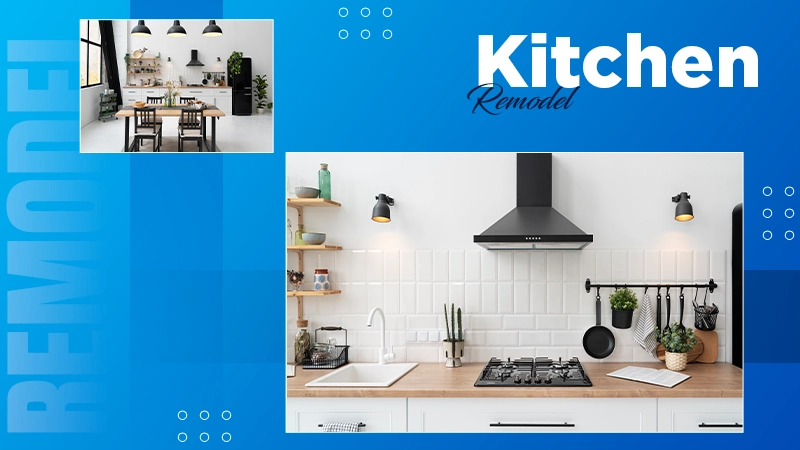
Kitchen and bathroom renovations deliver the best returns. You do not require a full remodel. Repainting cabinets, swapping old hardware, and replacing faulty appliances can transform a kitchen for under $500.
While in the bathroom, you can insert a fresh caulk, a new mirror, and update the light texture to make the space feel modern without increasing your expenses significantly.
Curb appeal matters more than most sellers realize. According to the National Association of Realtors, landscaping improvements recover 100 percent of their cost at sale on average.
Even a few basic steps like mowing, mulching, and adding a few potted plants just near the entrance make a big difference in how buyers perceive your current property.
What Steps Help You Prepare Your Home for Moving Day?
Getting your house move-ready involves more than just packing boxes. Follow this sequence to avoid last-minute chaos.
- Start downsizing at least six weeks before your move. Sell or donate furniture and items that will not fit your new space.
- Deep clean each room as you empty it. This is easier to do gradually than all at once during the final week.
- Cover nail holes and touch up paint on the walls. This applies whether you are selling, returning a rental, or simply leaving the home in good condition.
- Disconnect all connections and prepare appliances that are coming with you. Also, remember to defrost the freezer at least 48 hours before the move and secure all loose parts.
- Take meter readings for electricity, gas, and water on your last day. This protects you from being charged for usage after you leave.
- Create a folder with all important documents: mortgage papers, warranty info, appliance manuals, and keys for the new owners or landlord.
A structured approach reduces the stress that comes from trying to do everything in the final 48 hours.
What Budget-Friendly Upgrades Work Best in a New Home?
Your new home does not need a full renovation to feel like yours. Small, affordable changes make an outsized impact when you are starting fresh.
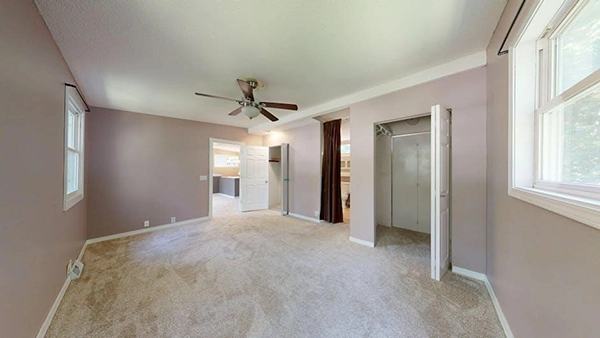
Paint is the single most cost-effective upgrade for any home. A gallon of high-quality paint costs around $30-$50 and can completely alter the vibe of a room in a few hours.
Choose neutral tones for shared spaces and save bolder options for bedrooms or accent walls where they would not appear overwhelming.
Lighting is the second biggest opportunity. Many homes come with builder-grade fixtures that look dated and cast harsh light.
Swapping them for modern pendants, sconces, or even just warmer-toned bulbs costs very little but changes how the entire room feels. According to the Department of Energy, switching to LED lighting also reduces energy bills by up to 75 percent compared to incandescent bulbs.
Do not ignore the intricate details that make a home look finished. New outlet covers, cabinet pulls, and switch plates cost a few dollars each but get rid of the “someone else’s house” feeling quicker than anything else.
What Projects Should You Avoid Right After Moving In?
Not every upgrade needs to happen in the first month. Some projects are better left until you have lived in the space for a while.
- Major kitchen remodels: Wait until you understand how you actually cook and move through the kitchen daily. Your assumptions about layout may change after a few weeks of real use.
- Bathroom overhauls: Unless something is broken, live with the existing setup for a month or two. You may find the layout works better than you expected.
- Landscaping redesigns: Spend a full peak season observing sun patterns, drainage flow, and soil conditions before investing in plants or hardscaping.
- Built-in storage systems: Custom closets and shelving should reflect how you actually store things, not how you imagine you will. Give yourself time to settle into routines first.
- Smart home systems: Install these after your internet and electrical setup is fully stable. Rushing a smart security system or a thermostat before understanding the wiring architecture often creates more issues than it solves.
Focus your first month on affordable upgrades that make daily life comfortable, and save bigger projects for when you truly know the space.

How Do You Prioritize Projects When Everything Feels Urgent?
The trick is separating needs from wants. Safety and function come first. Fix any issues with locks, smoke detectors, plumbing leaks, or electrical problems before anything cosmetic.
After safety, prioritize the rooms you use most. The kitchen, primary bedroom, and main bathroom should be functional and comfortable within the first week. Everything else, guest rooms, garages, basements, can wait.
Create a straightforward project list by ranking each item by its impact and cost. High-impact, low-cost items like paintings or hardware swaps go all the way to the top. Low-impact, high-cost projects like brand new countertops drop to the bottom.
This kind of ranking system prevents you from overspending your budget on projects that do not really improve your daily life immediately.
Fun Fact
Despite changing trends, white remains the most popular interior paint color as it acts as a blank canvas, making rooms appear much larger.
Home Move Project Checklist
- Make targeted pre-sale improvements to your current home (paint, hardware, curb appeal).
- Declutter and downsize at least six weeks before moving day.
- Focus post-move upgrades on paint, lighting, and small hardware changes first.
- Wait at least one month before starting major renovations in your new home.
- Prioritize safety fixes (locks, smoke detectors, leaks) above all cosmetic projects.
- Rank projects by impact and cost to make smart use of your post-move budget.
Getting the Most From Both Homes
A long-distance move is one of the rare times you get to improve two homes at once. The small changes you make before leaving can boost your sale price or return a lot of your deposit.
The changes you make after arriving can transform a new house into a space that feels genuinely yours. Start small, be patient, and let each project build on the last.
FAQ
Q1) What home improvements add the most value before selling?
Ans: Kitchen and bathroom refreshes, fresh paint, and curb appeal improvements offer the strongest returns. Focus on cosmetic updates rather than structural changes, which rarely pay for themselves at sale.
Q2) How soon after moving in should I start home projects?
Ans: Handle safety issues like smoke detectors and locks immediately. For cosmetic upgrades, wait at least two to four weeks so you understand the space before committing to changes.
Q3) Is it worth painting a home before a long-distance move?
Ans: If you are selling, yes. Fresh neutral paint makes rooms look larger and more inviting to buyers. If you are renting, check your lease first, as some landlords require approval for paint changes.
Q4) What is the most common mistake people make after moving into a new home?
Ans: Buying too much furniture too quickly. Live in the space for a few weeks first to understand traffic flow, natural light, and storage needs before making major purchases.