Homes around the world style their bedrooms in luxury primarily to create a personal space that provides comfort, well-being, and a sense of relaxation to them. Luxury bedrooms across the world are a reflection of culture, craftsmanship, and minimalist serenity.
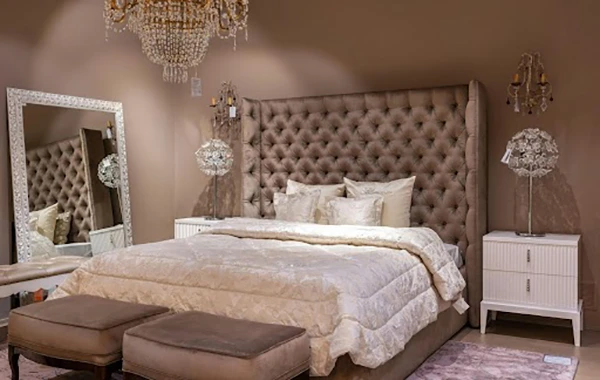
What defines a luxury bedroom in Paris may feel very different from one in Dubai or Bali. It is no longer just about grand beds and plush fabrics – they are curated sanctuaries.
By understanding how luxury bedrooms are styled around the world, homeowners can borrow ideas to elevate their own spaces, proving that it is not just about trends but also about the intentions.
Italy: Rooms That Feel Like Slow Evenings in Stone Cities
Italian bedrooms rarely shout. They lean into atmosphere—quiet light, textures layered with intention, and a sense of history that lingers in the air like the echo of church bells. Luxury here isn’t a catalog image; it’s a mood gathered from centuries of design instincts.
- Stone walls, timber beams, worn brass handles, linen that looks better after each wash—these elements create homes that feel lived into, not arranged for display.
- Furniture sits with purpose, never too much, never too eager. Italian luxury follows a truth: the room should feel gracious even during silence. A chaise beside the window, a carved side table bearing a small vase, heavy curtains that pool gently on the floor.
Light drifts through the room in soft currents, as if obeying some ancient rhythm. Nothing relies on extravagance, only refinement.
Materials With Memory
Marble becomes a part of the room’s language. Not polished to mirror-like shine, but softened to show subtle veining. Walnut and cherry wood add warmth, anchoring the bed’s presence. Even hardware—aged bronze, brushed steel—feels chosen with deliberation.
These materials age gracefully. Time enriches them instead of stealing their beauty. Italian design uses this aging process like a painter uses light, allowing the bedroom to grow character naturally.
Colors That Stay Just Above Whisper
Muted ochres, dusty greens, deep wine tones—shades that feel steeped in sun. They reflect the landscape without imitating it. A luxury bedroom in Italy often blends these hues in a way that feels instinctual. The palette calms the eye, guiding attention to craftsmanship instead of brightness.
Subtle color always wins. It holds dignity without demanding approval.
New Zealand: Natural Openness and Quiet, Contemporary Ease
New Zealand bedrooms often echo the character of the land—broad skies, shifting weather, and a softness in the light that seems to settle rather than spill. Luxury here grows from restraint and clarity.
- Natural timber brings warmth without heaviness. Linen and cotton keep the air feeling clean. Windows stretch generously, not for spectacle, but simply to let the day enter without hesitation.
- The architecture leans toward balance: clean shapes, honest materials, a kind of quiet confidence that avoids both rusticity and excess gloss. Comfort sits at the center of the design, supported by pieces chosen for longevity and calm living.
It’s not unusual to find well-made queen beds for sale woven into this design culture—a practical size that aligns with the country’s preference for ease, openness, and spaces that feel restful rather than cluttered.
Soft Modernism With a Natural Pulse
NZ bedrooms lean into warm minimalism. A pale timber bed frame, woven baskets, and ceramics glazed in river-like hues. These pieces keep the room grounded, welcoming. The luxury comes from the sensation of being held by natural materials rather than encircled by décor.
Light as an Architectural Partner
Sunlight becomes part of the design. Bedrooms position themselves to catch the morning glow or the last sliver of dusk. Large windows, glass sliders, and sheer curtains create softness in the air.
Light not only illuminates; it shapes mood. It turns the room into a shifting sculpture through the day.
Japan: Spaces That Rest on Stillness
Japanese bedrooms follow a principle of distillation. Luxury emerges from the subtraction of noise. The room feels built for quiet strength—straight lines, natural textures, perfect proportions. Nothing drifts into excess; everything supports a sense of presence.
The space’s soul comes from restraint. Tatami underfoot. Cedar or hinoki with soft grain. Shoji screens that allow daylight to dissolve into the room like a warm exhale. These elements create an atmosphere that respects rest as a sacred ritual.
Balance Through Spatial Rhythm
Japanese interiors often rely on flow rather than furniture. A bedroom may hold only essentials: a low bed or futon, a single chest, a narrow alcove for art. The arrangement allows breathing room. Luxury in this context means freedom from unnecessary complications.
The room becomes a zone where the mind empties itself. Even small bedrooms feel expansive because nothing interrupts the eye. This is luxury in pure form—calm that unfolds all around.
Craft as Meaning, Not Ornament
Small details carry weight. A precisely made join. A lacquered box for jewelry. A ceramic cup that seems to hold the warmth of the kiln. These objects aren’t collected for show; they serve as anchors of mindfulness.
Japanese luxury doesn’t brag. It rests quietly and lets touch and light reveal its depth.
Morocco: A Celebration of Shade, Pattern, and Hidden Coolness
Moroccan bedrooms feel like private retreats from the sun—rooms where shadows carve patterns on the walls and textiles soften everything they touch. Luxury here lies in contrast: warm earth tones paired with cool tile, intricate carving balanced by sweeping curves.
A Moroccan bedroom invites you into a world of layers. Not clutter, but craftsmanship. Each detail—etched brass lanterns, hand-woven rugs, carved timber doors—tells a story of human hands shaping beauty.
Patterns That Speak Without Chaos
Geometric motifs appear with precision. They repeat, interlock, stretch, and fold upon themselves. These patterns draw the eye into gentle motion. Instead of overwhelming the senses, they create harmony through rhythm.
Placed thoughtfully—a rug under the bed, a tile border along the wall—they breathe personality into the space. A Moroccan room gains depth through these designs, never noise.
Fabrics That Turn the Air Soft
Textiles define comfort in Moroccan interiors. Thick cotton, wool, silk blends, and hand-dyed fabrics fall in loose folds. Draped over canopy frames, layered on beds, stretched across cushions—they warm the room’s atmosphere instantly.
Within this softness lies the sensation of retreat. A bedroom becomes a sanctuary, glowing with color yet grounded by earthy tones.
United Arab Emirates: Drama Balanced by Discipline
Bedrooms in the UAE often mix grandeur with restraint. Luxury here reflects desert light, modern architecture, and a taste for bold presence. It blends rich textures with large-scale elements, creating interiors that feel both majestic and controlled.
The palette often uses deep neutrals, soft gold, charcoal, and pale sandstone. Surfaces gleam without becoming gaudy. Furniture lines stay crisp. The luxury feels curated, like a gallery that still invites sleep.
Scale That Commands
Tall headboards upholstered in velvet or leather. Wide bedside tables with brushed metal accents. Carpets that stretch wall-to-wall with dense, cloud-like softness.
Scale brings a special flavor of confidence into UAE bedrooms—not extravagance, but proportion that respects the room’s volume.
Contrast That Sharpens Character
A dark feature wall behind a pale bed. Glossy stone floors paired with matte textiles. Sculptural lamps rising above restrained furniture lines.These contrasts create definition. They give the bedroom a pulse—one that feels both powerful and controlled.
Conclusion
Luxury travels differently through every culture. Italy brings history, Japan brings stillness, Morocco brings craft, New Zealand brings openness, and the UAE brings bold modernity anchored by balance. Bedrooms across these countries don’t seek the same outcomes, yet they all share something: each one turns rest into a form of art.
Through texture, proportion, color, and intention, they create sanctuaries that feel personal rather than performative. That is the true luxury—spaces shaped not for spectacle, but for the quiet moments people actually live in.
Frequently Asked Questions
What makes a room feel luxurious across different cultures?
Luxury usually comes from comfort, quality, and intention. Whether it’s Italy or Japan, premium fabric, a calm color palette, and clutter-free layouts give a luxurious feel to any room.
How do European homeowners style their luxury bedrooms?
Europeans follow the concept of elegance through detailing. For them, neutral tones, craftsmanship, and layered bedding matter the most.
What defines a luxury bedroom in Asian homes?
Natural textures, calming, muted palette, high-quality textiles, and strategic bed placements are some core elements that define a luxury bedroom in Asian homes.